 Instalab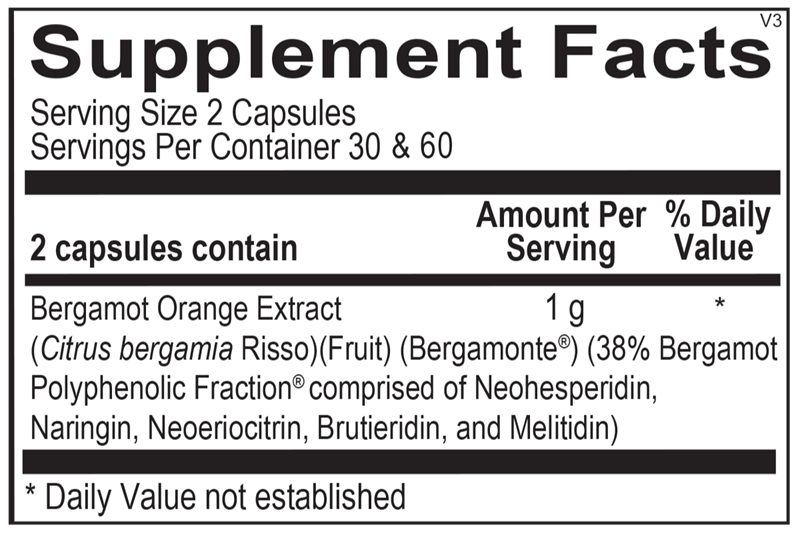
Ortho Molecular Products
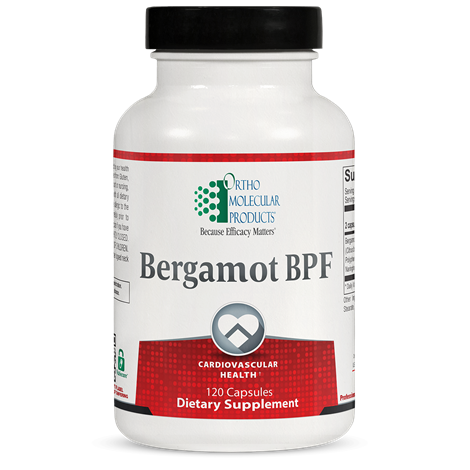
Bergamot BPF 1 g by Ortho Molecular Products
120 capsules · 60-day supply
Support Healthy Cholesterol Levels with Bergamot Extract$109.06
Purchase options
Practitioner-grade brand3rd-party testedFree shipping $50+
Vegan·Vegetarian·Gluten Free·Artificial Color Free·Artificial Flavor Free
Ortho Molecular Products Bergamot BPF overview
This is a smart pick if you’re working on a stubborn Lipid Panel and want a non‑statin option. Bergamot extract is most useful when LDL-C (the cholesterol carried on LDL particles) or non-HDL is high, triglycerides are elevated, or ApoB (the count of atherogenic particles) runs high. It’s also reasonable for those with features of metabolic syndrome, like higher fasting glucose or waist circumference, who want help alongside diet. If you’re already on a statin but still have room to improve ApoB, some clinicians layer bergamot; if your numbers are well controlled, this is more of a maintenance add-on.
Bergamot extract (Citrus bergamia polyphenols) reduces how much cholesterol the liver makes by dialing down HMG‑CoA reductase (the enzyme statins target), and it nudges the liver to pull more LDL particles from circulation by increasing LDL receptors. These polyphenols also reduce how much fat the liver secretes as VLDL particles (the form that shows up as triglycerides) and improve how the liver handles glucose. In trials, responders typically see LDL-C drop about 15–25%, triglycerides 20–30%, and modest rises in HDL-C within 8 to 12 weeks, with small improvements in hs-CRP (a systemic inflammation marker) and occasionally ALT (a liver enzyme) when fatty liver is present.
Use the two-capsule daily plan from the label, ideally with a meal to limit stomach upset. Split dosing (morning and evening) is fine but not required. Recheck your Lipid Panel and ApoB after 8–12 weeks to judge response. If your triglycerides are very high, pairing bergamot extract with omega-3 fish oil is more effective than either alone. If your levels are meaningfully off-target, a prescription approach may still be needed; bergamot can be the adjunct, not the anchor.
If you take a statin or fenofibrate, talk with your clinician; combining lipid-lowering agents can rarely increase muscle symptoms, and labs should be monitored. Bergamot and other citrus can influence drug metabolism in the liver (CYP3A4); use caution with drugs like simvastatin, atorvastatin, cyclosporine, and certain calcium channel blockers. Pregnant or breastfeeding: skip due to limited safety data. If you have a citrus allergy, avoid. Those on diabetes medications should monitor glucose, as bergamot can nudge it lower.
Frequently asked questions
Does bergamot actually lower LDL cholesterol?
Yes, in clinical studies bergamot extract lowers LDL-C in many adults, often in the 15–25% range, and also reduces triglycerides. Results track with Bergamot Polyphenolic Fraction dose and baseline levels, so recheck a Lipid Panel and ApoB after 8–12 weeks.
How long does bergamot take to work on cholesterol?
Expect changes within 8–12 weeks. That’s the window most trials used and when LDL-C, non-HDL, triglycerides, and ApoB typically shift. Keep your diet stable during this period so you can attribute the change to the supplement.
Can I take bergamot with a statin?
Possibly, but do it under clinician supervision. There’s potential for additive lipid lowering and, rarely, more muscle symptoms. Because citrus compounds can affect CYP3A4, extra caution is needed with simvastatin and atorvastatin.
Is bergamot like red yeast rice?
No. Red yeast rice contains monacolin K (chemically identical to lovastatin). Bergamot extract works through polyphenols that partially inhibit cholesterol synthesis and improve LDL clearance without supplying a statin drug.
Does bergamot interact like grapefruit?
It can, depending on the extract. Some citrus compounds inhibit CYP3A4, the enzyme that metabolizes many drugs. Quality bergamot extracts minimize these, but if you take CYP3A4‑sensitive meds, clear it with your prescriber.
What are common side effects of bergamot?
It’s generally well tolerated. Mild digestive upset or reflux can occur, especially on an empty stomach. Rarely, people report muscle aches when combined with other lipid-lowering drugs. Stop and check labs if you notice unusual symptoms.
Will bergamot help blood sugar or fatty liver?
It can modestly improve fasting glucose and liver enzymes like ALT in people with metabolic syndrome or fatty liver. Use it alongside diet, exercise, and weight management, and track with fasting glucose, HbA1c, and liver tests.
How to take it & ingredients
Suggested use: 2 capsules per day or as recommended by your health care professional.
Active ingredients
2 capsules per serving · 60 servings
Bergamot Oragne Extract
Citrus bergamia Risso
Citrus bergamia Risso
1 g
Other ingredients: Natural Vegetable Capsules, Magnesium Stearate, Stearic Acid, Silicon Dioxide
Certifications
Benefits
Warnings