 Instalab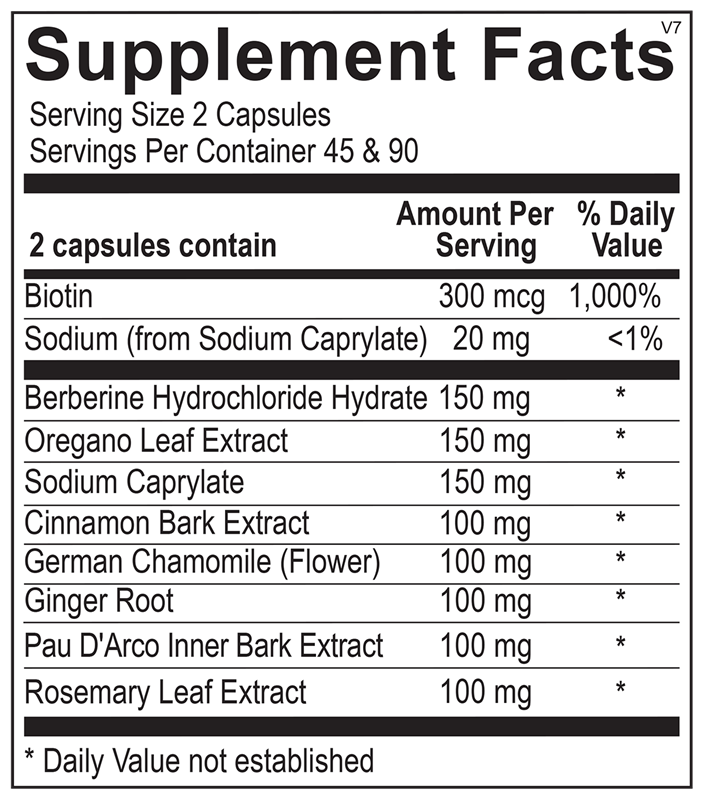

Ortho Molecular Products
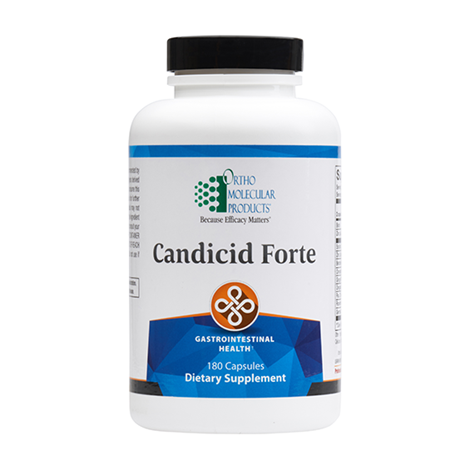
Candicid Forte by Ortho Molecular Products
180 capsules · 90-day supply
Botanical Blend Capsules$91.85
Purchase options
Practitioner-grade brand3rd-party testedFree shipping $50+
Gluten Free·Yeast Free·Artificial Color Free·Artificial Flavor Free
Ortho Molecular Products Candicid Forte overview
This botanical blend combines caprylic acid (from sodium caprylate), oregano extract, and berberine HCl with pau d'Arco, cinnamon, ginger, chamomile, and rosemary. Each serving provides caprylic acid 150 mg, oregano 150 mg, berberine HCl 150 mg, and biotin 300 mcg. The bottle contains 180 capsules.
The label calls for two capsules three times daily with meals. To ease into the full amount, some people begin with one dose per day for 2 to 3 days, then add a second dose, then a third.
If you take prescription medications, are pregnant or breastfeeding, or have any liver concerns, talk to your clinician before starting and review the warnings below.
Frequently asked questions
How do I take this product?
The label calls for two capsules three times daily with meals. Some people begin with one dose per day for 2 to 3 days, then add a second dose, then a third.
Can I take probiotics at the same time?
Many people stagger them, taking this blend with meals and a probiotic at a different time of day. Coordinate with your clinician for guidance specific to you.
Does the biotin in this product affect lab tests?
Biotin is included at 300 mcg per serving. Biotin can interfere with some immunoassays. If you have thyroid, troponin, or hormone labs scheduled, tell the lab and consider pausing biotin for a day or two beforehand.
Can I drink alcohol while taking this product?
Talk to your clinician about alcohol while taking this and any other botanicals or medications, especially if you have liver concerns. If you do drink, keep it around times away from dosing.
How to take it & ingredients
Suggested use: 2 capsules three times per day or as recommended by your health care professional.
Active ingredients
2 capsules per serving · 90 servings
Biotin
300 mcg
Sodium
From Sodium Caprylate
From Sodium Caprylate
20 mg
Ginger Root
100 mg
Pau D'Arco Inner Bark Extract
100 mg
Berberine Hydrochloride Hydrate
150 mg
Oregano Leaf Extract
150 mg
Sodium Caprylate
150 mg
Cinnamon Bark Extract
100 mg
Rosemary Leaf Extract
100 mg
German Chamomile (Flower)
100 mg
Other ingredients: Hypromellose (Natural Vegetable Capsules), Microcrystalline Cellulose, Magnesium Stearate, Calcium Silicate
Certifications
Benefits
Warnings