 Instalab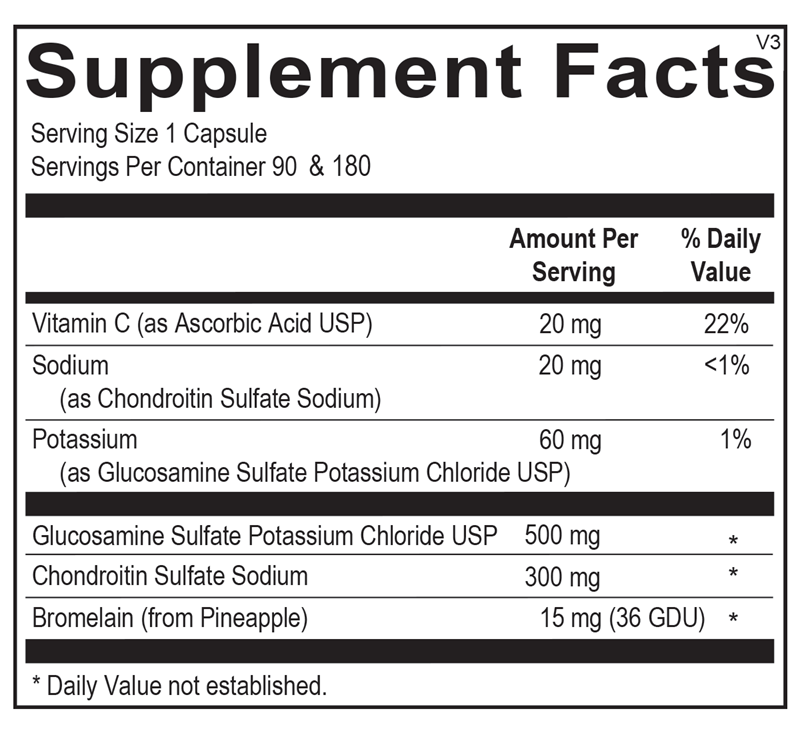

Ortho Molecular Products
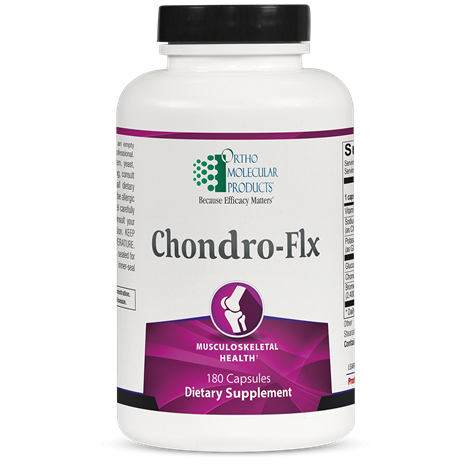
Chondro-Flx by Ortho Molecular Products
180 capsules · 180-day supply
Comprehensive Joint Support for Flexibility and Comfort$126.82
Purchase options
Practitioner-grade brand3rd-party testedFree shipping $50+
Gluten Free·Corn Free·Yeast Free·Artificial Color Free·Artificial Flavor Free
Ortho Molecular Products Chondro-Flx overview
If you have knee or hand osteoarthritis and want a non-NSAID option, glucosamine chondroitin is worth a real trial. The per-capsule 500 mg glucosamine sulfate and 300 mg chondroitin sulfate taken three times daily reaches the doses studied for pain and function. It also fits active adults with overuse joint pain, or those who avoid ibuprofen due to stomach or kidney concerns. If your hs-CRP (an inflammation marker) is high, address whole‑body inflammation too; this targets joint cartilage specifically.
Glucosamine sulfate supplies raw material for glycosaminoglycans, the strands that hold water in cartilage and cushion impact. Chondroitin sulfate helps those strands retain water and may slow cartilage-degrading enzymes. Together they can ease pain and stiffness within 4 to 8 weeks, with structural benefits seen over months. Vitamin C supports collagen formation, the protein scaffold of cartilage. Bromelain (a pineapple-stem enzyme) can modestly reduce swelling by shifting prostaglandins, the fat-based signals that drive pain and inflammation.
Take one capsule three times daily on an empty stomach as directed; bromelain absorbs better this way. If it bothers your stomach, take with food and stay consistent daily. Expect a fair test to take 8 weeks; many continue 3 to 6 months before judging fully. If pain is severe, combine with physical therapy and weight management. For those needing simplicity, once-daily 1,500 mg glucosamine sulfate products exist, but this three-times-daily schedule matches classic study dosing.
Skip this if you use warfarin or other blood thinners; chondroitin and bromelain can increase bleeding risk. Avoid with a pineapple allergy (bromelain) or severe shellfish allergy, since many glucosamine sources are shell-derived. If you have diabetes, glucosamine hasn’t meaningfully raised glucose in studies, but monitor your A1c or fasting glucose. Stop 1 to 2 weeks before surgery. Pregnancy and breastfeeding: safety data are limited, so avoid unless your clinician advises otherwise.
Frequently asked questions
Does glucosamine chondroitin actually work for knee osteoarthritis?
Yes, for many people the sulfate forms at studied doses reduce pain and improve function modestly. Expect a noticeable change in 4–8 weeks, with continued gains over 3–6 months. It’s not a fast painkiller and works best alongside strength training and weight management.
How long should I take glucosamine before deciding if it helps?
Give it at least 8 weeks of daily use. If there’s no change by 12 weeks, you’re unlikely to be a responder. Some continue for 3–6 months to evaluate function and morning stiffness before making a long-term decision.
Can I take glucosamine chondroitin with NSAIDs like ibuprofen?
Usually yes. They work by different mechanisms, and many clinicians use them together short term. If you routinely need NSAIDs, discuss stomach and kidney risks with your clinician and consider adding physical therapy to reduce reliance.
Is glucosamine safe if I have a shellfish allergy?
Caution is warranted. Glucosamine is often derived from shellfish shells, which rarely contain the allergy-causing proteins, but reactions can occur. If your allergy is severe, avoid or choose a verified non–shellfish source and consult an allergist.
Does glucosamine raise blood sugar?
In clinical trials, standard doses haven’t meaningfully raised fasting glucose or A1c. Even so, if you have diabetes or prediabetes, monitor your labs as usual and share results with your clinician when starting any new supplement.
Does bromelain thin the blood?
Bromelain can have mild antiplatelet effects. If you take warfarin, apixaban, rivaroxaban, clopidogrel, or high-dose aspirin, avoid unless your prescriber approves and monitors. Stop 1–2 weeks before procedures to reduce bleeding risk.
Should I take glucosamine with food or on an empty stomach?
Empty stomach is ideal for bromelain absorption. If that causes nausea or heartburn, take with food instead and stay consistent with timing each day. Efficacy depends more on total daily dose and adherence than exact timing.
What if my pain is still high after starting glucosamine?
Use a layered approach: continue the supplement for 8–12 weeks, add targeted physical therapy, consider topical NSAIDs, and review footwear and activity load. If pain remains high, ask about injections or other options; glucosamine isn’t a substitute for rehab.
How to take it & ingredients
Suggested use: 1 capsule three times per day on an empty stomach or as recommended by your health care professional.
Active ingredients
1 capsule per serving · 180 servings
Glucosamine Sulfate
500 mg
Chondroitin Sulfate
300 mg
Vitamin C
20 mg
Bromelain
15 mg
Other ingredients: Gelatin (Capsule), Magnesium Stearate
Certifications
Benefits
Warnings