 Instalab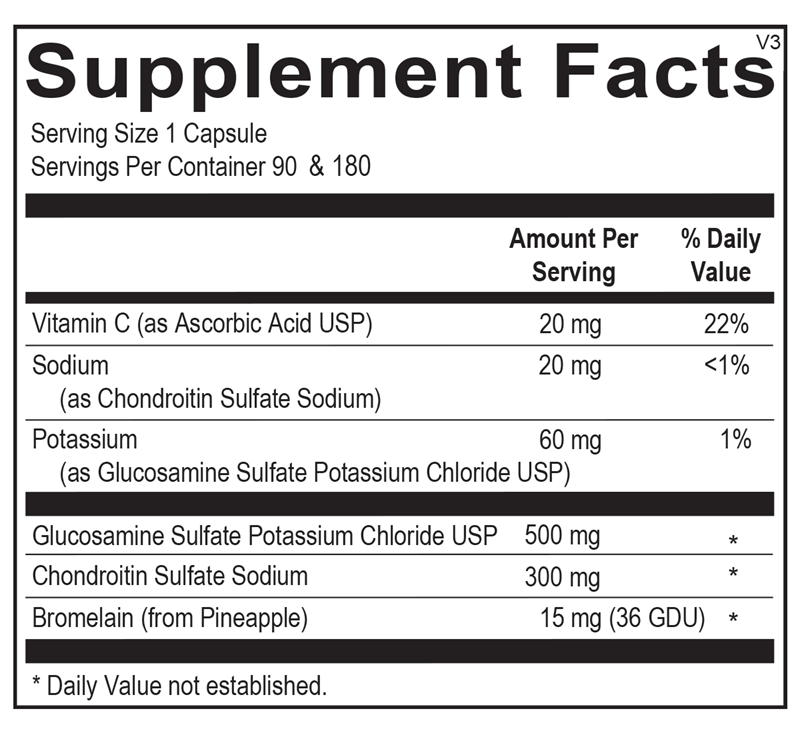

Ortho Molecular Products
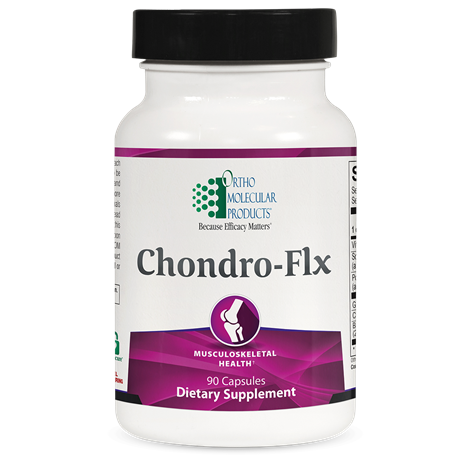
Chondro-Flx by Ortho Molecular Products
90 capsules · 90-day supply
Comprehensive Joint Support for Mobility and Comfort$76.65
Purchase options
Practitioner-grade brand3rd-party testedFree shipping $50+
Gluten Free·Corn Free·Yeast Free·Artificial Color Free·Artificial Flavor Free
Ortho Molecular Products Chondro-Flx overview
If your main issue is knee osteoarthritis with daily ache and stiffness, glucosamine chondroitin is one of the few over‑the‑counter options with human data. It’s most useful if imaging shows cartilage wear or your morning stiffness eases as you get moving. People avoiding frequent NSAIDs because of stomach or kidney concerns, and older adults targeting mobility, are the best candidates. Track function and pain scores, and optionally hs-CRP (an inflammation marker), over 4 to 12 weeks to judge if it’s working.
Glucosamine sulfate supplies building blocks for glycosaminoglycans, the long chains that help cartilage hold water and resist load. Chondroitin sulfate draws water into the cartilage matrix and slows the enzymes that break it down. Vitamin C backs collagen formation, the scaffolding that gives cartilage strength. Bromelain, a pineapple enzyme, has mild anti-inflammatory effects that can reduce swelling after overuse. Expect modest changes: in responders, pain and function often improve 15–30% within 4 to 12 weeks, not overnight.
The suggested use is one capsule three times daily on an empty stomach. That delivers 1,500 mg glucosamine sulfate, 900 mg chondroitin, vitamin C, and a low dose of bromelain—aligned with commonly studied daily amounts. Empty stomach improves bromelain’s absorption; if it bothers your stomach, a small snack is fine. Consistency matters: take it daily for 8–12 weeks before deciding. If you see no change by then, glucosamine chondroitin is unlikely to be your answer for this joint.
Bromelain and chondroitin can increase bleeding risk. Avoid or get clinician clearance if you use blood thinners (warfarin, apixaban, rivaroxaban), antiplatelets (aspirin, clopidogrel), or before surgery. Shellfish allergy is a concern because many glucosamine sources are shellfish-derived—skip unless the source is verified safe for you. People monitoring glucose should check Fasting Glucose or A1c, as rare cases report higher readings. Pregnancy and breastfeeding: data are limited; avoid unless your clinician advises.
Frequently asked questions
Does glucosamine chondroitin actually work for knee osteoarthritis?
It helps a subset of people. Trials show small-to-moderate improvements in pain and function, especially with glucosamine sulfate plus chondroitin over 8–12 weeks. If you don’t notice a clear change by then, it’s reasonable to stop.
How long does glucosamine chondroitin take to work?
Expect a slow ramp. Most responders notice benefit within 4–12 weeks of daily use, not in days. Give it a full 8–12-week trial before judging.
Should I take glucosamine chondroitin with food or on an empty stomach?
Empty stomach is preferred to improve bromelain absorption. If it causes stomach upset, take it with a small snack; the tradeoff is potentially less bromelain effect.
Is glucosamine safe if I’m allergic to shellfish?
Be cautious. Many glucosamine ingredients are shellfish-derived. Unless the product specifies a non-shellfish source and your allergist approves, avoid it.
Does glucosamine raise blood sugar?
Most studies show minimal impact, but rare individuals report higher readings. If you have diabetes or prediabetes, monitor Fasting Glucose or A1c after starting.
Can I take glucosamine chondroitin with blood thinners?
Not without medical guidance. Chondroitin and bromelain can increase bleeding risk and interact with warfarin, apixaban, rivaroxaban, aspirin, or clopidogrel.
Can I use it with NSAIDs like ibuprofen?
Yes, many people combine them short term. Glucosamine chondroitin is for long-term structure and symptom support, while NSAIDs target short-term pain. Discuss dosing with your clinician.
What’s better: glucosamine sulfate or hydrochloride (HCl)?
For osteoarthritis, glucosamine sulfate has the stronger clinical track record. Glucosamine HCl has less consistent results in trials.
How to take it & ingredients
Suggested use: 1 capsule three times per day on an empty stomach or as recommended by your health care professional.
Active ingredients
1 capsule per serving · 90 servings
Glucosamine Sulfate
500 mg
Chondroitin Sulfate
300 mg
Vitamin C
20 mg
Bromelain
15 mg
Other ingredients: Gelatin (Capsule), Magnesium Stearate
Certifications
Benefits
Warnings