 Instalab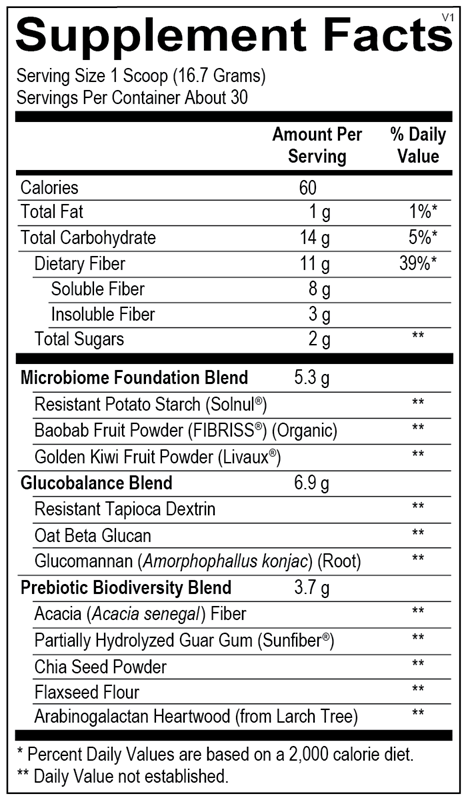
Ortho Molecular Products
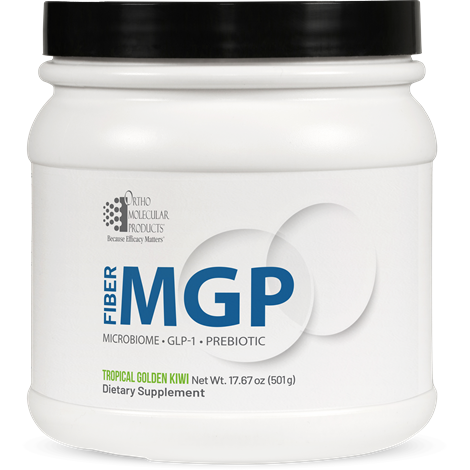
Fiber MGP by Ortho Molecular Products
501 grams · 30-day supply
Comprehensive Fiber Support for Digestive Health and Gut Balance$82.53
Purchase options
Practitioner-grade brand3rd-party testedFree shipping $50+
Vegan·Vegetarian·Gluten Free·Yeast Free·Artificial Flavor Free·Artificial Color Free
Ortho Molecular Products Fiber MGP overview
If your daily intake is light on plants and whole grains, a prebiotic fiber supplement is the fastest way to close the gap. One scoop here provides 11 g of fiber, useful for regularity within days and for those with elevated LDL Cholesterol or Triglycerides on a lipid panel. It also fits people tracking Fasting Glucose or HbA1c who see post‑meal spikes, and anyone rebuilding gut diversity after antibiotics or low‑carb periods.
The soluble fibers in this blend form a gentle gel in the gut that slows carbohydrate absorption, smoothing post‑meal glucose and insulin. They bind bile acids (the way your body carries cholesterol), which nudges LDL down over weeks. As prebiotic fibers feed gut bacteria, they produce short‑chain fatty acids like butyrate (fuel for colon cells) that can lower hs‑CRP, an inflammation marker, in some responders and support regular, softer stools.
Mix one scoop in 6–8 ounces of cool liquid once daily. New to fiber? Start with half a scoop for 3–5 days, then move up to limit gas. Take with meals if your goal is smoother post‑meal glucose; any time of day works for regularity. Drink an extra glass of water with it. Expect bowel changes within 1–3 days and lipid or HbA1c shifts in 4–12 weeks.
Fiber can reduce absorption of medications and nutrients by physical binding. Take it at least 2 hours before or after thyroid hormone (levothyroxine), quinolone or tetracycline antibiotics, iron, zinc, and fat‑soluble supplements. If you use glucose‑lowering drugs, watch for improved post‑meal readings and discuss dose adjustments with your clinician rather than chasing lows.
Skip high‑dose fiber if you have known bowel obstruction, severe narrowing of the gut, or active flare of inflammatory bowel disease without clinician input. If you’re sensitive to FODMAPs (fermentable carbs that can trigger gas), start low and increase gradually. Marked new bloating, abdominal pain, or constipation that does not improve with fluids is a signal to pause and reassess.
Frequently asked questions
How long does a fiber supplement take to work?
For regularity, most people notice changes in 1–3 days. Cholesterol and glucose effects are slower, typically measurable on LDL Cholesterol, Triglycerides, or HbA1c after 4–12 weeks of daily use.
Can fiber help lower LDL cholesterol?
Yes. Soluble fiber that binds bile acids produces modest LDL reductions, often around 5–10% in responders, when taken daily. Recheck your lipid panel after 8–12 weeks to gauge your personal response.
Will this fiber cause gas or bloating?
It can at first, because fermentable fibers feed gut bacteria. Starting with half a scoop and increasing over a week, plus extra water, usually minimizes gas. Persistent bloating means hold or reduce the dose.
Should I take fiber with meals or on an empty stomach?
Either works for regularity. If your goal is smoother post‑meal glucose, take it with the meal or 10–15 minutes before. Separate it from medications and iron or zinc by at least 2 hours.
Is a prebiotic fiber supplement okay with GLP-1 medications?
Often yes, and it can ease constipation. Start low to avoid fullness or nausea, drink extra water, and separate from other oral meds by 2 hours. If you have severe nausea or vomiting, pause and discuss.
Can I use fiber on a low-carb or keto diet?
Yes. Fiber is not digested into blood glucose. It can improve stool consistency on very low‑carb diets and support gut bacteria that may decline with low plant intake.
Can I take fiber with probiotics?
Yes. Prebiotic fiber is the food probiotics use. Taking them together is reasonable. If you’re sensitive, add one change at a time and increase gradually so you can track tolerance.
Who should avoid high-dose fiber?
People with bowel obstruction, severe gut narrowing, or recent major GI surgery should avoid without medical guidance. In active inflammatory bowel flares, get clinician input before starting.
How to take it & ingredients
Suggested use: Mix 1 scoop (16.7 g) with 6-8 ounces of water or your preferred beverage, once daily or as recommended by your health care professional. Use with liquids below 140°F for best results.
Active ingredients
16.7 grams per serving · 30 servings
▼
Dietary Fiber
11 g
Soluble Fiber
8 g
Insoluble Fiber
3 g
Microbiome Foundation Blend
5.3 g
Glucobalance Blend
6.9 g
Prebiotic Biodiversity Blend
3.7 g
Other ingredients: Natural Flavors, Citric Acid, Malic Acid, Turmeric (Color), Rebaudioside M, Fruit and Vegetable Juice (Color)
Certifications
Benefits
Warnings