 Instalab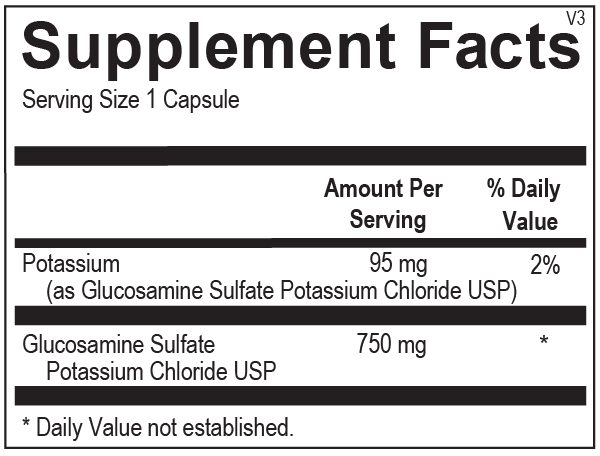

Ortho Molecular Products
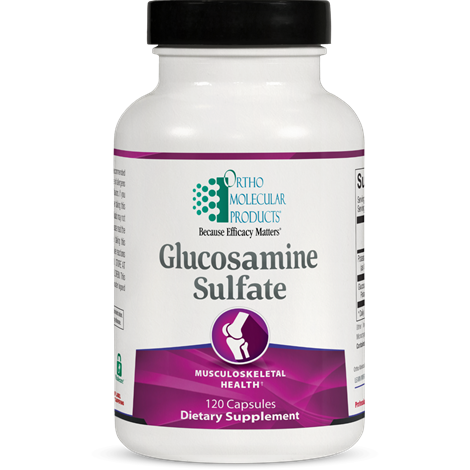
Glucosamine Sulfate by Ortho Molecular Products
120 capsules · 60-day supply
Support Joint Health and Mobility with Glucosamine Sulfate$58.11
Purchase options
Practitioner-grade brand3rd-party testedFree shipping $50+
Gluten Free·Corn Free·Yeast Free·Artificial Color Free·Artificial Flavor Free
Ortho Molecular Products Glucosamine Sulfate overview
If your main issue is gradual knee pain from everyday osteoarthritis, glucosamine sulfate is the version most studied. It fits adults with morning stiffness and creaky knees who want fewer NSAIDs, as well as runners with mileage-related wear or heavier adults with joint load. It is not for sudden swelling after an acute injury. Expect any benefit to build slowly rather than acting like a painkiller.
Glucosamine is a raw material your body uses to make glycosaminoglycans, the water-holding chains in cartilage and joint fluid like hyaluronic acid. The sulfate form has the best clinical track record, especially in knees. It seems to nudge cartilage cells to make more matrix and may dial down enzymes that break cartilage down. Trials show modest pain and function improvements in some, not all, users.
The suggested use, one capsule twice daily, gives the clinically common 1,500 mg per day. Take with food if you get stomach upset. Give it 8 to 12 weeks before judging. If you notice easier walking or less stiffness, you can continue. If nothing changes by 12 weeks, you are likely a nonresponder and should reconsider. Pairing with exercise and weight management amplifies results.
If you take warfarin, skip glucosamine or have your INR checked more often because interactions that increase bleeding have been reported. The potassium in this formula is modest, but those with kidney disease or on spironolactone or ACE inhibitors should count it. Most studies show neutral blood sugar effects, yet if you have diabetes, monitor fasting glucose or A1c. Pregnancy and breastfeeding lack good data, so avoid. Severe shellfish allergy requires confirming the glucosamine source before use.
Frequently asked questions
Does glucosamine sulfate help knee osteoarthritis pain?
It helps a subset of people with knee osteoarthritis, with modest improvements in pain and function. Benefits build gradually over 8 to 12 weeks. If nothing changes by then, it’s reasonable to stop.
How long does glucosamine sulfate take to work?
Expect a slow onset. Some notice small changes by 4 to 6 weeks, but 8 to 12 weeks is a fair trial. It is not a fast painkiller for flares or acute injuries.
What is the right dose of glucosamine sulfate?
Most clinical studies use 1,500 mg per day, taken once daily or split. This product’s two-capsule daily plan matches that. Higher doses have not shown better results.
Is glucosamine sulfate safe if I have a shellfish allergy?
Many glucosamine ingredients are sourced from shellfish shells. Reactions are rare, but if your allergy is severe, confirm a non-shellfish source with the manufacturer or avoid it.
Does glucosamine raise blood sugar?
Human studies generally show no meaningful effect on fasting glucose or A1c. Out of caution, people with diabetes should monitor levels when starting and adjust only if trends change.
Can I take glucosamine with NSAIDs like ibuprofen?
Yes, they can be taken together. Glucosamine is not a painkiller, so many use it alongside NSAIDs initially, then try to reduce NSAIDs if symptoms improve over time.
Glucosamine sulfate vs hydrochloride: which is better?
Sulfate has the stronger clinical evidence for knee osteoarthritis. Hydrochloride has been less consistent in trials. If you are choosing, pick a sulfate product first.
Should I combine glucosamine with chondroitin?
Some people try the combo, but evidence is mixed and adds cost. If you do not respond to glucosamine sulfate alone after 12 weeks, adding chondroitin is reasonable to test.
How to take it & ingredients
Suggested use: 1 capsule two times per day or as recommended by your health care professional.
Active ingredients
2 capsules per serving · 60 servings
Glucosamine Sulfate
750 mg
Potassium
95 mg
Other ingredients: Hypromellose (Natural Vegetable Capsule), Microcrystalline Cellulose, Magnesium Stearate, Stearic Acid
Certifications
Benefits
Warnings