 Instalab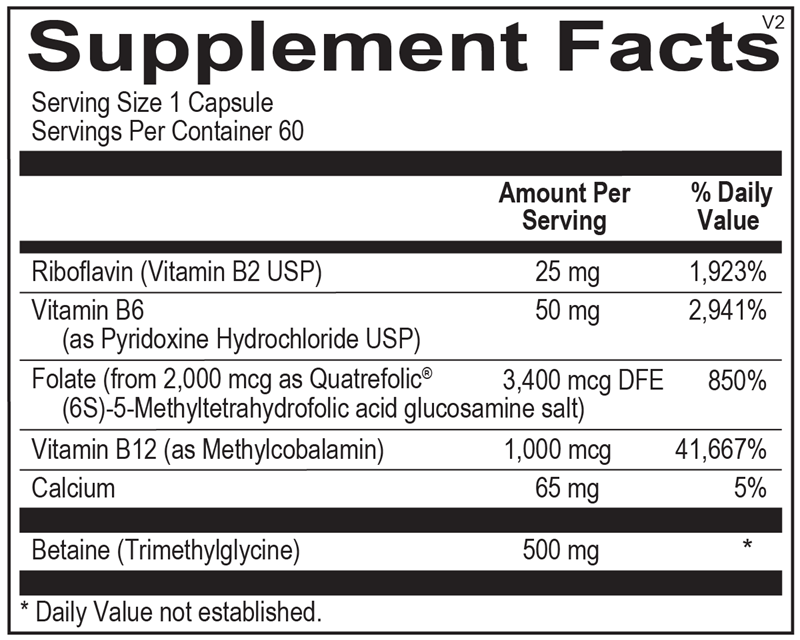

Ortho Molecular Products
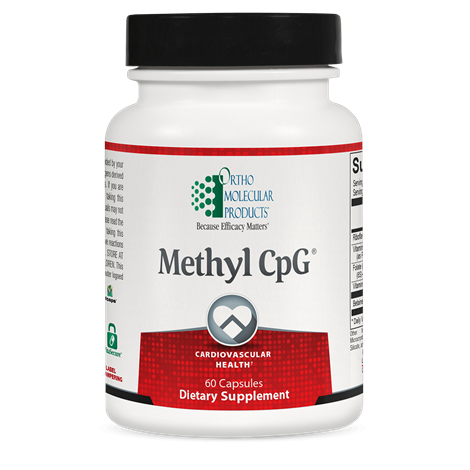
Methyl CpG® by Ortho Molecular Products
60 capsules · 60-day supply
Comprehensive B Complex for Energy, Mood, and Cognitive Support$60.44
Purchase options
Practitioner-grade brand3rd-party testedFree shipping $50+
Gluten Free·Corn Free·Yeast Free·Artificial Color Free·Artificial Flavor Free
Ortho Molecular Products Methyl CpG® overview
If your Homocysteine (a byproduct of protein metabolism linked to heart and brain risk) runs high, or your Folate or Vitamin B12 are low, this methylfolate supplement is on target. It also fits those with MTHFR variants (an enzyme bottleneck that slows folate activation) or on low-folate diets. The dose here is high: about 2 mg of 5‑MTHF plus 1 mg methylcobalamin, useful for repletion, not casual maintenance. Recheck Homocysteine within 4 to 8 weeks.
5‑MTHF (the active folate) and methylcobalamin (active B12) donate methyl groups, which your body uses in methylation, the on/off switch for many reactions. Together they convert homocysteine back to methionine, typically lowering Homocysteine within weeks. Betaine (trimethylglycine) provides a backup methyl pathway in the liver. B6 drives the side-route that disposes of homocysteine, and riboflavin supports the methylation enzymes folate uses, especially helpful for adults whose methylation pathway is less efficient.
Take 1 capsule daily, ideally in the morning with food to reduce nausea and avoid sleep disruption. If you’re sensitive to B vitamins, start 1 capsule every other day for a week, then increase. Pair with labs: Homocysteine, Folate, Vitamin B12, and Methylmalonic Acid (a B12 activity marker) after 8–12 weeks. If your numbers normalize and you feel steady, consider stepping down to a lower maintenance methylfolate/B-complex.
Coordinate with your oncologist if you’re on methotrexate for cancer, as high-dose folate can interfere with therapy. For autoimmune methotrexate, dosing is individualized—don’t self-adjust. Use caution with bipolar spectrum or agitation-prone depression; methylfolate can overstimulate. Pregnancy requires clinician guidance at this dose. If you also supplement B6 elsewhere, total B6 can creep high; persistent tingling or numbness warrants stopping and evaluation.
Frequently asked questions
What does methylfolate actually do?
Methylfolate (5‑MTHF) is the active form of folate your cells use to methylate, a process that turns reactions on and off. It helps convert homocysteine to methionine, supports neurotransmitter production, and backs DNA repair. It’s especially useful if MTHFR variants limit folic acid activation.
How long does it take to lower homocysteine?
Most people see homocysteine drop within 4–8 weeks once they’re taking methylfolate with B12, and often faster with added betaine. Recheck labs after 8–12 weeks to confirm the response and adjust dose to a maintenance level once stable.
Is methylfolate better than folic acid for MTHFR?
Yes. Methylfolate is already in the active form and bypasses the conversion step that some methylation variants make less efficient. People with common MTHFR variants often respond more reliably to 5‑MTHF than to folic acid when targeting homocysteine or low folate status.
Can methylfolate cause anxiety or insomnia?
It can in sensitive people, especially at higher doses. Start with a lower frequency, take it in the morning, and avoid other stimulants initially. If agitation, headaches, or vivid dreams persist, stop and discuss a lower-dose plan with your clinician.
Is this safe in pregnancy?
The dose here is higher than typical prenatal folate. Some patients need higher folate under obstetric guidance, but don’t self-prescribe at this level. If you’re planning pregnancy, ask your OB which dose and form are appropriate for you.
Does this interact with methotrexate?
For cancer regimens, high-dose folate can counteract methotrexate and should only be used if your oncologist approves. In autoimmune care, folate is often co-prescribed to reduce side effects, but dosing is individualized—coordinate with your prescriber.
Is 50 mg of vitamin B6 too much?
Fifty milligrams is within common therapeutic ranges, but total B6 from multiple supplements can add up. Very high chronic intakes can cause nerve symptoms. If you notice tingling or numbness, stop and get evaluated, and consolidate overlapping B-complexes.
Do I need to take this with food?
Food isn’t required, but taking it with a meal often reduces nausea and jittery feelings. Morning dosing is preferred to avoid sleep disruption, especially when starting or if you’re stimulant-sensitive.
How to take it & ingredients
Suggested use: Take 1 capsule per day or as recommended by your health care professional.
Active ingredients
1 capsule per serving · 60 servings
Riboflavin
Vitamin B2 (USP)
Vitamin B2 (USP)
25 mg
Vitamin B6
Pyridoxine Hydrochloride (USP)
Pyridoxine Hydrochloride (USP)
50 mg
Vitamin B12
Methylcobalamin
Methylcobalamin
1000 mcg
Folate
Quatrefolic® (6S-5-Methyltetrahydrofolic acid glucosamine salt)
Quatrefolic® (6S-5-Methyltetrahydrofolic acid glucosamine salt)
3400 mcg DFE
Betaine
Trimethylglycine
Trimethylglycine
500 mg
Calcium
Calcium
Calcium
65 mg
Other ingredients: Hypromellose (Natural Vegetable Capsule), TriCalcium Phosphate, Microcrystalline Cellulose, Magnesium Stearate, Stearic Acid, Calcium Silicate, Silicon Dioxide
Certifications
Benefits
Warnings