 Instalab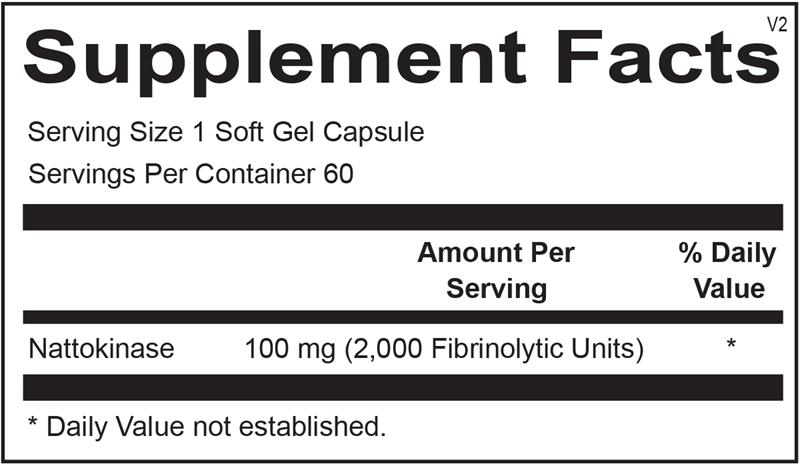
Ortho Molecular Products
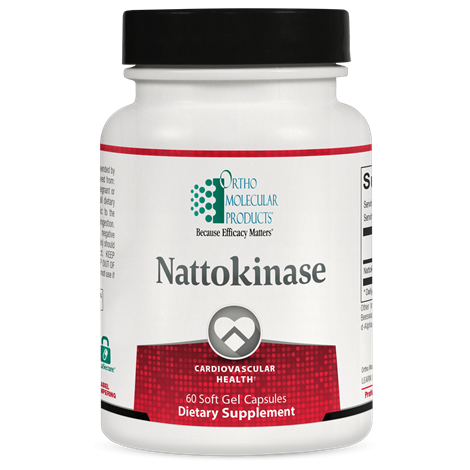
Nattokinase 100 mg by Ortho Molecular Products
60 capsules · 60-day supply
Supports Healthy Circulation and Cardiovascular Function$53.11
Purchase options
Practitioner-grade brand3rd-party testedFree shipping $50+
Gluten Free·Corn Free·Yeast Free·Artificial Color Free·Artificial Flavor Free
Ortho Molecular Products Nattokinase overview
This fits adults focused on healthy circulation who track labs like Fibrinogen and PAI-1 (plasminogen activator inhibitor-1, a brake on clot breakdown). If your clinician is addressing cardiovascular risk and your fibrin-related markers run high, nattokinase is a reasonable add-on. Small trials also show modest blood pressure reductions, so it’s considered by people with elevated readings despite diet and exercise. If you’re on prescription blood thinners, skip this and talk to your prescriber instead.
Nattokinase is an enzyme from fermented soy that helps your body clear fibrin, the protein mesh that stabilizes clots. It both trims fibrin directly and nudges your own system to make more plasmin (the enzyme that dissolves fibrin) by lowering PAI-1. That shift can reduce stickiness in the bloodstream and, in some studies, ease arterial tension with small blood pressure drops. In responders, related markers like Fibrinogen and hs-CRP (an inflammation marker) trend down over weeks.
The label calls for one softgel twice daily. Enzymes like nattokinase are best taken on an empty stomach, about 1 hour before or 2 hours after meals, so they act in the bloodstream rather than on food. Most protocols run daily for at least 8 weeks, then recheck Fibrinogen or PAI-1. Activity is often described in fibrinolytic units, which varies by brand; if your clinician wants a higher-activity regimen, confirm the unit standardization on your bottle.
Avoid if you take warfarin, apixaban, rivaroxaban, dabigatran, heparin, clopidogrel, or daily aspirin unless your prescriber explicitly agrees. Skip with a history of bleeding disorders, hemorrhagic stroke, active ulcers, or upcoming surgery; stop 1–2 weeks before procedures. Pregnancy and breastfeeding: avoid due to limited safety data. If D-dimer is elevated, that can signal acute clotting; do not self-treat with nattokinase—seek medical care.
Frequently asked questions
What does nattokinase do, in plain English?
It’s an enzyme that helps your body break down fibrin, the protein that makes clots firm. By easing that fibrin load and reducing PAI-1, it can improve blood flow and has shown small blood pressure reductions in some studies.
How long does nattokinase take to work?
Most changes show up over 4–8 weeks. People tracking labs often see shifts in Fibrinogen or PAI-1 by 8 weeks, with any blood pressure effect emerging on a similar timeline.
Can I take nattokinase with aspirin or blood thinners?
Do not combine with warfarin, apixaban, rivaroxaban, dabigatran, heparin, clopidogrel, or daily aspirin unless your prescriber approves. The combination can increase bleeding risk.
Should I take nattokinase with food or on an empty stomach?
Empty stomach is best: about 1 hour before or 2 hours after meals. Taken with food, proteolytic enzymes are more likely to be used in digestion instead of circulation.
What dose of nattokinase is typical?
Many protocols use a twice-daily schedule totaling around 2,000–4,000 fibrinolytic units per day. This product lists 100 mg per softgel; confirm the unit standardization if you’re targeting a specific FU dose.
What side effects should I watch for?
Easy bruising, nosebleeds, or longer bleeding times are the main signals to stop and speak with a clinician. Rarely, digestive upset occurs. Discontinue ahead of dental work or surgery.
Is nattokinase safe if I have a soy allergy?
It’s derived from fermented soy (natto). Some products are highly purified and low in soy proteins, but allergy risk isn’t zero. If you have a true soy allergy, avoid or use only with allergist guidance.
How to take it & ingredients
Suggested use: 1 soft gel capsule two times per day or as recommended by your health care professional.
Active ingredients
1 capsule per serving · 60 servings
Nattokinase
100 mg
Certifications
Benefits
Warnings