 Instalab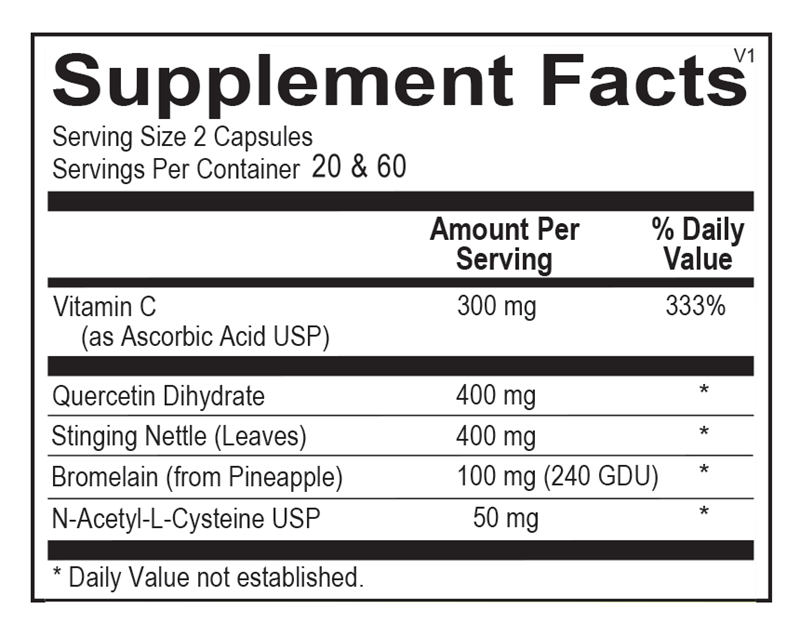
Ortho Molecular Products
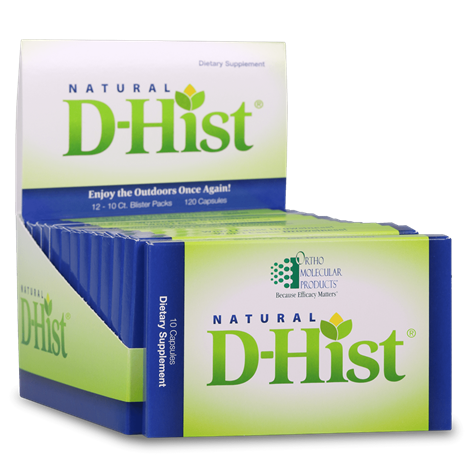
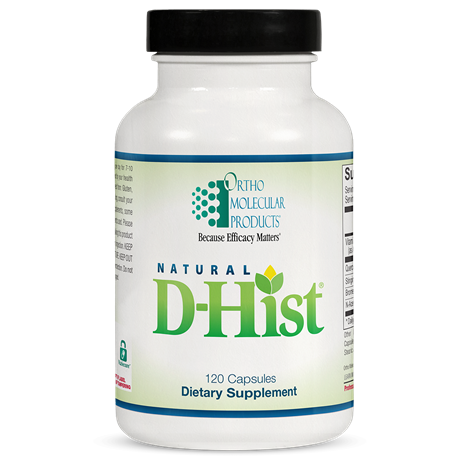
Natural D-Hist® by Ortho Molecular Products
120 capsules · 60-day supply
Comprehensive Support for Histamine Response and Seasonal Discomfort$XX.XX$66.21retail
Purchase option
10% below MSRP3rd-party tested for purity & potencyFree shipping $50+
Vegan·Vegetarian·Gluten Free·Yeast Free·Artificial Color Free·Artificial Flavor Free
Ortho Molecular Products Natural D-Hist® overview
If spring or fall pollen stuffs your nose and you’re searching for quercetin for allergies, this blend is built for that scenario. It fits adults with recurrent seasonal symptoms, histamine intolerance (flush, itch, congestion after wine or aged foods), or suspected mast cell reactivity. It’s reasonable alongside an antihistamine if your Total IgE (the antibody linked to allergy) or eosinophils (allergy‑associated white cells) run high. If you depend on steroid nasal sprays or have moderate to severe asthma, use this as an add-on, not a replacement.
Quercetin stabilizes mast cells (the cells that release histamine) and tones down the histamine surge that drives sneezing and itch. Stinging nettle has direct antihistamine activity at the receptor level, while vitamin C helps your body break down histamine faster. Bromelain (a pineapple enzyme) reduces nasal swelling and helps quercetin absorb. N‑acetylcysteine increases glutathione (the body’s key antioxidant) and thins mucus. Together, people often notice easier breathing and less drip within 3–7 days on a loading dose, with fuller effect by two weeks.
Use the loading plan: 2 capsules three times daily for 7–10 days, then maintain at 2 daily. Start 1–2 weeks before your peak pollen season if you can. Take with water; between meals can enhance bromelain activity, but take with food if your stomach is sensitive. If you see no change after 14 days on the loading dose, reassess the plan with your clinician.
Bromelain can increase bleeding risk with blood thinners or antiplatelet drugs (warfarin, apixaban, rivaroxaban, clopidogrel, high‑dose aspirin) and before surgery, so coordinate with your prescriber. Avoid if you’re allergic to pineapple. N‑acetylcysteine can amplify nitroglycerin’s blood‑pressure effects. Pregnancy or breastfeeding: skip unless your obstetric clinician approves, as stinging nettle and higher quercetin doses haven’t been well studied.
Frequently asked questions
How fast does quercetin for allergies work?
Most people feel less congestion and sneezing within 3–7 days when using the loading dose. Mucus thinning and fuller benefit often land by two weeks. If nothing changes after 14 days, reconsider the plan.
Can I take this with cetirizine or other antihistamines?
Yes, it’s commonly paired with non-drowsy antihistamines like cetirizine or fexofenadine. The mechanisms differ (mast-cell stabilization plus receptor blockade), and many patients need both during peak pollen.
Does bromelain thin your blood?
Bromelain can increase bleeding risk, especially with anticoagulants or antiplatelet drugs. If you take warfarin, DOACs, clopidogrel, or high-dose NSAIDs, talk to your clinician and pause before surgery.
Can I open the capsules?
Yes. You can open and mix the contents into water or a smoothie. The taste is slightly bitter from quercetin and nettle. Take promptly after mixing for best stability.
Should I take it only during allergy season?
Most use a loading phase at the start of the season, then maintain through the high-pollen window. If you have year-round triggers (dust, pets), a steady maintenance dose can be reasonable.
Will this replace my steroid nasal spray?
Treat it as an add-on, not a replacement, if your symptoms are moderate to severe. Many patients can reduce but not eliminate sprays after a few weeks; make changes with clinician guidance.
Any common side effects?
Mild stomach upset or loose stools can occur, especially on an empty stomach. Taking with food usually fixes it. Skip if you have a pineapple allergy due to the bromelain component.
Is this safe for asthma?
Oral N‑acetylcysteine is generally well tolerated, but it’s not a rescue therapy. Keep your inhalers as prescribed, and add this only if your asthma is stable under clinician care.
How to take it & ingredients
Suggested use: For loading dose take 2 capsules three times per day for 7 to 10 days. For maintenance take 2 capsules per day or as recommended by your health care professional.
Active ingredients
2 capsules per serving · 60 servings
Vitamin C
Ascorbic Acid USP
Ascorbic Acid USP
300 mg
Quercetin Dihydrate
400 mg
Stinging Nettle
Leaves
Leaves
400 mg
Bromelain
From Pineapple
From Pineapple
100 mg, 240 GDU
N-Acetyl-L-Cysteine USP
50 mg
Other ingredients: Hypromellose (Natural Vegetable Capsules), Silicon Dioxide, Stearic Acid, Magnesium Stearate
Certifications
Benefits
Warnings