 Instalab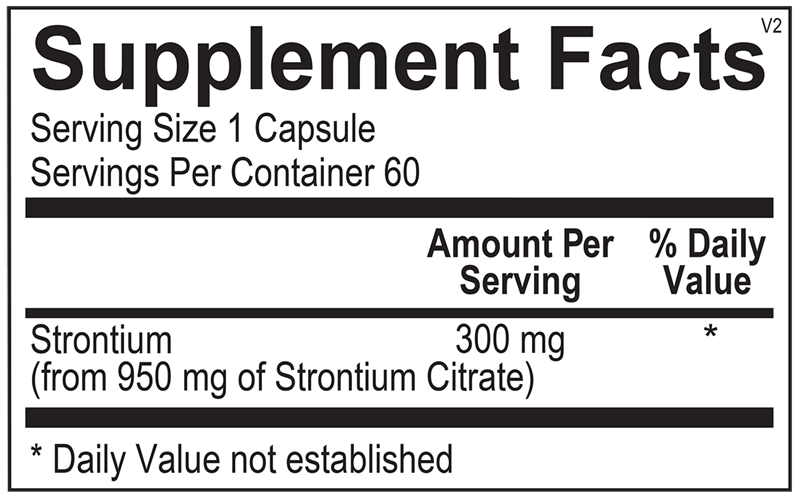
Ortho Molecular Products
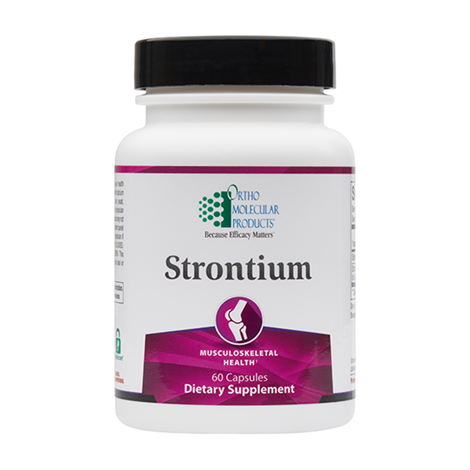
Strontium 340 mg by Ortho Molecular Products
60 capsules · 60-day supply
Supports Bone Health and Density with Strontium Citrate$38.46
Purchase options
Practitioner-grade brand3rd-party testedFree shipping $50+
Gluten Free·Wheat Free·Yeast Free·Artificial Color Free·Artificial Flavor Free
Ortho Molecular Products Strontium overview
Strontium citrate for bone density is most relevant if your DXA scan (the standard bone density test) shows low bone mass, especially after menopause or with long gaps in weight-bearing exercise. It’s also considered when you can’t tolerate or prefer to avoid bisphosphonates. You’ll get the most from strontium if Vitamin D, 25-Hydroxy is adequate and calcium intake from food is steady, because low vitamin D or very low dietary calcium can blunt any benefit.
Strontium behaves like calcium in the skeleton, attaching to the mineral matrix and nudging the balance toward more building and less breakdown. In clinical medicine, the prescription form (strontium ranelate) reduced fractures; the supplement form (strontium citrate) is used off-label with similar goals, though direct fracture data are limited. One catch: strontium makes DXA readings look higher than they truly are. Track bone turnover markers like CTX (a bone resorption marker) and P1NP (a bone formation marker) to see real biologic change.
Take one capsule twice daily, away from minerals. For absorption, separate strontium from calcium, iron, and magnesium by at least two hours, and avoid taking it with dairy. Two capsules per day provide the 680 mg elemental dose commonly used in bone trials. Expect marker changes within 3 to 6 months and meaningful bone density decisions at 6 to 12 months. Keep eating calcium-rich foods and maintain vitamin D, just not at the same time of day as strontium.
Avoid strontium if you have significant kidney impairment, are pregnant or nursing, or are still growing. Use caution and speak with your clinician if you have a history of heart disease or blood clots; cardiovascular safety concerns were seen with prescription strontium ranelate, and data for citrate are more limited. If your Vitamin D, 25-Hydroxy is low, correct that first. If GI upset occurs, take with a small snack that’s low in calcium and reassess.
Frequently asked questions
Does strontium citrate really increase bone density?
It can raise DXA numbers, but strontium inflates DXA readings by itself. Look for changes in CTX (resorption) and P1NP (formation) within 3–6 months, and discuss fracture risk with your clinician rather than relying on DXA alone.
How long does strontium take to work?
Bone turnover markers often shift in 3–6 months. Decisions based on bone density are usually made at 6–12 months. Bone remodeling is slow, so give it time and pair it with vitamin D, adequate dietary calcium, and resistance exercise.
Can I take strontium with calcium or dairy?
No. Calcium, iron, and magnesium compete with strontium for absorption. Take strontium at least two hours away from calcium supplements and dairy. Keep overall calcium intake steady at other times of day.
Is strontium safe if I have heart disease?
Use caution. The prescription form (ranelate) was linked to higher cardiovascular events in some patients. While citrate data are limited, discuss risks with your cardiologist if you have heart disease or a history of blood clots.
Will strontium make my DXA scan look better than it is?
Yes. Strontium’s higher atomic number artificially elevates DXA bone density. That’s why many clinicians also track CTX and P1NP and focus on symptoms and fracture risk rather than DXA alone while on strontium.
Is strontium okay with thyroid meds or PPIs?
Separate strontium by at least four hours from levothyroxine and by two hours from antacids or proton pump inhibitors. Minerals and changes in stomach acid can reduce absorption of both strontium and your medications.
Who should avoid strontium citrate?
Avoid if you’re pregnant, breastfeeding, under 18, or have moderate to severe kidney disease. Talk to your clinician if you’ve had blood clots, heart disease, or are on multiple mineral supplements that are hard to separate in time.
How to take it & ingredients
Suggested use: 1 capsule two times per day or as recommended by your health care professional. For maximum absorption, do not consume with calcium supplements.
Active ingredients
1 capsule per serving · 60 servings
Strontium
Strontium Citrate (SrC)
Strontium Citrate (SrC)
340 mg
Other ingredients: Hypromellose (Natural Vegetable Capsule), Microcrystalline Cellulose, Magnesium Stearate, Silicon Dioxide
Certifications
Benefits
Warnings