 Instalab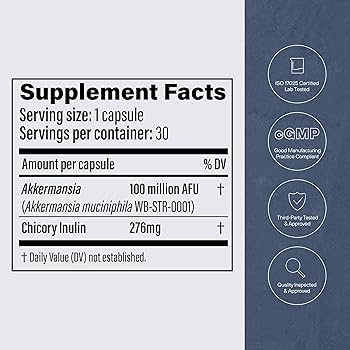

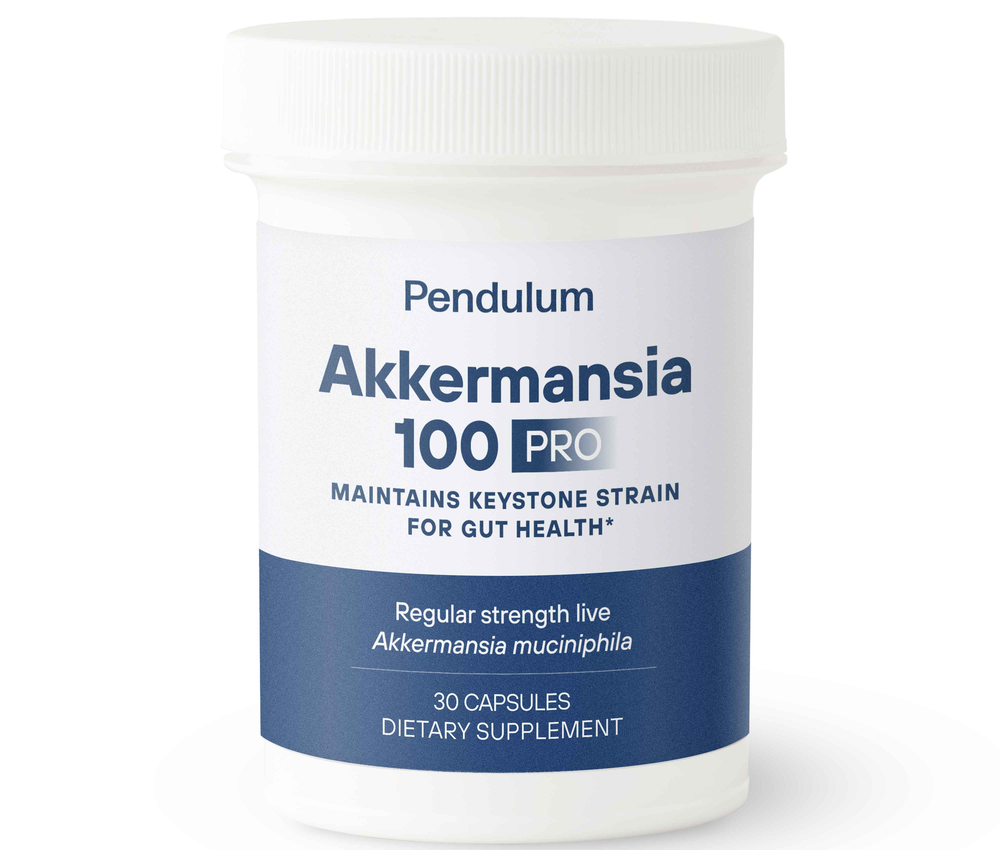
Pendulum
Akkermansia 100 Pro by Pendulum
30 capsules · 30-day supply
Supports Gut Health with Live Akkermansia Probiotics$42.99
This item is currently out of stockGet notified when this item is back in stock
Practitioner-grade brand3rd-party testedFree shipping $50+
Vegetarian
Pendulum Akkermansia 100 Pro overview
If your stool microbiome report flags low Akkermansia, this Akkermansia muciniphila probiotic is a direct way to replenish it. It’s worth a trial if you’ve had frequent antibiotics, eat a low‑fiber diet, or track metabolic markers like fasting insulin, A1c, triglycerides, or ALT (a liver enzyme) and want non-drug levers. People with bloating after high‑FODMAP foods often tolerate low doses, but very sensitive guts should ramp slowly. This is a maintenance‑level colony count; think steady rebuild over months, not an overnight shift.
Akkermansia lives in the gut’s mucus layer and uses mucin (the gel that protects your intestinal lining) as fuel. By living there, this probiotic signals your cells to make a thicker mucus barrier and tighter junctions, the proteins that seal the gut lining. That reduces passage of endotoxin (LPS, a bacterial fragment) into blood, which is one reason some patients see modest drops in hs-CRP, an inflammation marker. Human trials with Akkermansia, especially pasteurized forms, also show small improvements in insulin sensitivity and liver enzymes. Inulin, a prebiotic fiber, helps feed it.
Take one capsule daily with food, and keep it refrigerated for viability. Expect gut changes to evolve over 4 to 12 weeks; track with a repeat stool microbiome or watch symptoms and labs like hs-CRP and fasting insulin. If you’re fiber‑light, add 5–10 g/day of prebiotic fiber from food or supplements to give this probiotic a substrate, but start low to limit gas. Separate from antibiotics by at least two hours. Consistency beats timing, so pick a meal you never skip.
If you’re immunocompromised (active chemotherapy, organ transplant, uncontrolled HIV) or have a central line, avoid live probiotics unless your clinician approves. Those with severe FODMAP sensitivity or active flares of inflammatory bowel disease may find inulin triggers gas and bloating—titrate slowly or choose an Akkermansia muciniphila product without added prebiotic. During acute pancreatitis, immediately post–GI surgery, or with unexplained fevers, hold all probiotics and discuss with your care team. Pregnancy data are limited; use only if your OB is comfortable.
Can Akkermansia help with weight loss? It’s not a fat‑loss drug, but in small trials it modestly improved insulin sensitivity, which can make weight regulation easier alongside diet. Can you take it with other probiotics? Yes—species often coexist—but keep the total fiber load tolerable. Is Pendulum’s live strain better than pasteurized? Both have data; pasteurized has more human metabolic outcomes published to date, while live strains target gut‑barrier ecology directly.
Frequently asked questions
What is Akkermansia muciniphila probiotic used for?
Primarily for gut‑barrier support and metabolic tuning. It lives in the mucus layer, where it can strengthen the lining and reduce low‑grade inflammation. People track changes with stool microbiome reports, hs‑CRP, fasting insulin, triglycerides, and ALT over 4–12 weeks.
How long does Akkermansia take to work?
Most people need 4–12 weeks of daily use to see changes in stool microbiome or symptoms. Metabolic markers like fasting insulin or ALT typically need 8–16 weeks. Keep the dose consistent and pair with fiber so the organism has something to eat.
Does Akkermansia help with weight loss?
Not directly. Small human trials show modest improvements in insulin sensitivity and liver enzymes, which can help weight management when diet and activity are aligned. Treat it as a supporting actor, not a replacement for calorie control or resistance training.
Can I take Akkermansia with antibiotics?
Yes, but separate by at least two hours, and understand antibiotics can reduce probiotic viability. Continue for several weeks after finishing antibiotics, and emphasize prebiotic fiber to help recolonization.
Do I need to refrigerate Akkermansia probiotics?
Refrigeration preserves viability and shelf life. Brief room‑temperature exposure during travel is fine, but store in the fridge at home and avoid heat, humidity, and opening capsules into hot liquids.
What are common side effects of Akkermansia or inulin?
Gas, bloating, or mild cramping, especially if your diet is low in fiber. Start with the labeled dose, take with food, and increase dietary fiber gradually. Symptoms usually settle within 1–2 weeks.
Who should not take Akkermansia probiotics?
People who are immunocompromised, have a central line, or are immediately post‑GI surgery should avoid live probiotics unless cleared by their clinician. Those with severe FODMAP intolerance may need a product without added inulin.
How to take it & ingredients
Suggested use: Adults take one capsule daily with food. Refrigerate for optimal quality.
Active ingredients
1 capsule per serving · 30 servings
Akkermansia
Akkermansia muciniphila WB-STR-0001
Akkermansia muciniphila WB-STR-0001
100 million AFU
Inulin
Chicory Inulin
Chicory Inulin
276 mg
Other ingredients: Microcrystalline Cellulose, Hypromellose (vegetarian capsule), L-Leucine, Silica
Certifications
Benefits
Warnings