 Instalab

Pendulum
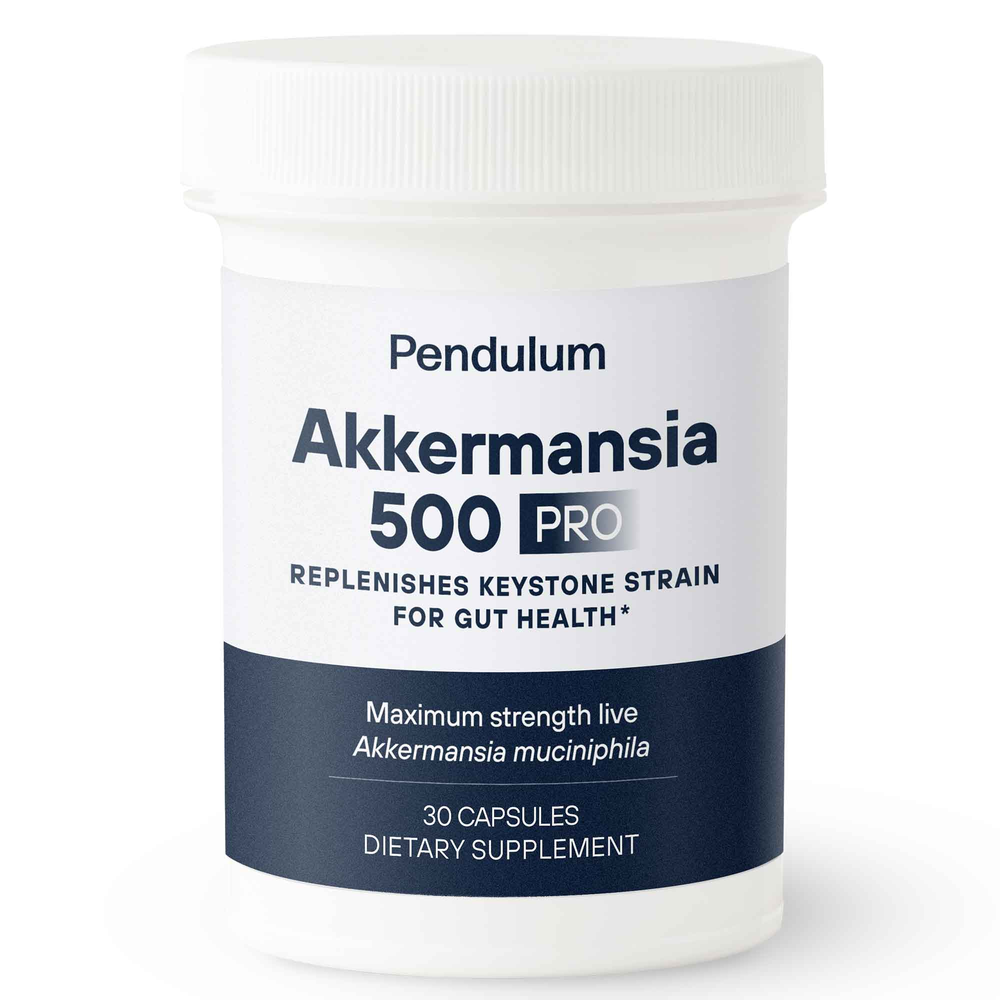
Akkermansia 500 Pro by Pendulum
30 capsules · 30-day supply
Support Your Gut Health with Targeted Akkermansia Probiotic$74.99
This item is currently out of stockGet notified when this item is back in stock
Practitioner-grade brand3rd-party testedFree shipping $50+
Vegetarian
Pendulum Akkermansia 500 Pro overview
If you’re searching for an Akkermansia muciniphila probiotic to shore up gut barrier function, this fits adults with bloating after meals, frequent loose stools, or a history of antibiotics who want to rebuild resilience. It’s also reasonable for those tracking metabolic labs, like fasting insulin, Hemoglobin A1c, triglycerides, and ALT (a liver enzyme), where early human data link higher Akkermansia levels with better trends. If your stool microbiome report shows low Akkermansia, this is a direct way to address it.
Akkermansia lives in the gut’s mucus layer and eats mucin, which in turn signals your colon to make more mucus and tighten junctions between cells (the seals that keep the barrier from leaking). That barrier reinforcement is why some patients see calmer digestion and modest drops in hs-CRP (a blood inflammation marker). As it breaks down mucin it produces short-chain fatty acids, which other microbes convert into butyrate, a fuel for colon cells tied to healthier insulin signaling and GLP-1 release (the gut hormone that helps control blood sugar and appetite). Most human trials showing metabolic improvements used pasteurized Akkermansia; this formula provides a live strain plus inulin to help it take hold.
Take one capsule daily with food, and refrigerate on arrival; heat kills live probiotics. If you’re sensitive or prone to gas, start every other day for a week, then go daily. Avoid taking it alongside very hot drinks. Track response over 4 to 12 weeks with symptom logs and, if relevant, hs-CRP, fasting insulin, triglycerides, or a repeat microbiome test for Akkermansia abundance.
If you’re severely immunocompromised, have a central venous catheter, or are critically ill, skip probiotics unless your clinician okays them. During an active flare of inflammatory bowel disease, introduce cautiously with medical guidance. If you have marked SIBO (small intestinal bacterial overgrowth) and worsen with probiotics, this likely isn’t the first step. Pregnancy and nursing: safety data are limited, so discuss with your OB before starting.
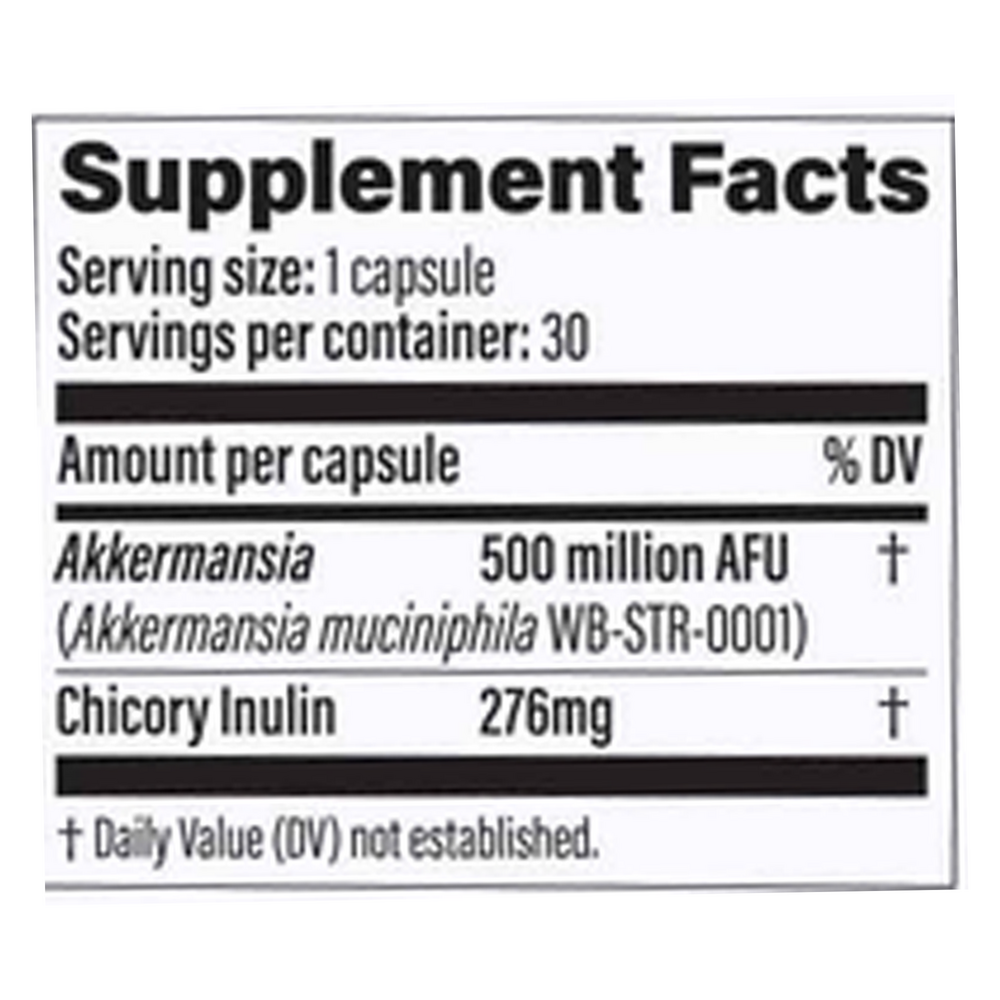
Most people feel digestion changes first: less post-meal urgency or bloating within a few weeks. Metabolic shifts, when they occur, take longer and are better judged by labs than by the scale. Pendulum includes 276 mg chicory inulin, a prebiotic fiber that feeds Akkermansia; if fiber makes you gassy, the slow-start approach helps.
Frequently asked questions
What does Akkermansia muciniphila actually do?
It lives in the gut’s mucus layer, stimulates more mucus production, and helps seal the gut barrier. As it breaks down mucin, it generates short-chain fatty acids linked to calmer inflammation and better insulin signaling in some studies.
How long does an Akkermansia probiotic take to work?
Digestive changes often show up within 2–6 weeks. Metabolic markers like fasting insulin, triglycerides, or hs-CRP usually need 8–12 weeks to judge. Recheck labs on that timeline rather than week to week.
Can I take Akkermansia with GLP-1 meds like semaglutide?
Yes, there’s no known harmful interaction. Some people pair them to support gut tolerance and regularity, but weight loss will be driven by the medication and diet, not the probiotic.
Does Akkermansia help with weight loss?
It’s not a weight-loss pill. Higher Akkermansia levels track with healthier metabolic profiles, and early trials (often with pasteurized forms) improved insulin sensitivity, not dramatic weight change. Use labs to measure impact.
What side effects should I expect?
Temporary gas, bloating, or stool changes are most common, especially from the inulin. Starting every other day and taking with food usually solves this. Stop and check in if you develop persistent pain or fever.
Do I need to refrigerate Akkermansia probiotics?
Yes. Live anaerobic strains are heat-sensitive. Keep it refrigerated on arrival and avoid leaving it in a hot car or near the stove to maintain potency.
What labs can I track with Akkermansia?
For digestion, consider a stool microbiome test to quantify Akkermansia. For systemic effects, track hs-CRP, fasting insulin, Hemoglobin A1c, triglycerides, and ALT. Reassess after 8–12 weeks.
What does AFU mean compared to CFU?
AFU (anaerobic forming units) is a potency measure adapted for strict anaerobes like Akkermansia. It serves the same purpose as CFU—viable count—but is validated for oxygen-sensitive strains.
How to take it & ingredients
Suggested use: Adults take one capsule daily with food. Refrigerate for optimal quality.
Active ingredients
1 capsule per serving · 30 servings
Akkermansia
Akkermansia muciniphila WB-STR-0001
500 million AFU
Inulin
Chicory Inulin
276 mg
Other ingredients: Microcrystalline Cellulose, Hypromellose (vegetarian capsule), L-Leucine, Silica
Certifications
Benefits
Warnings