 Instalab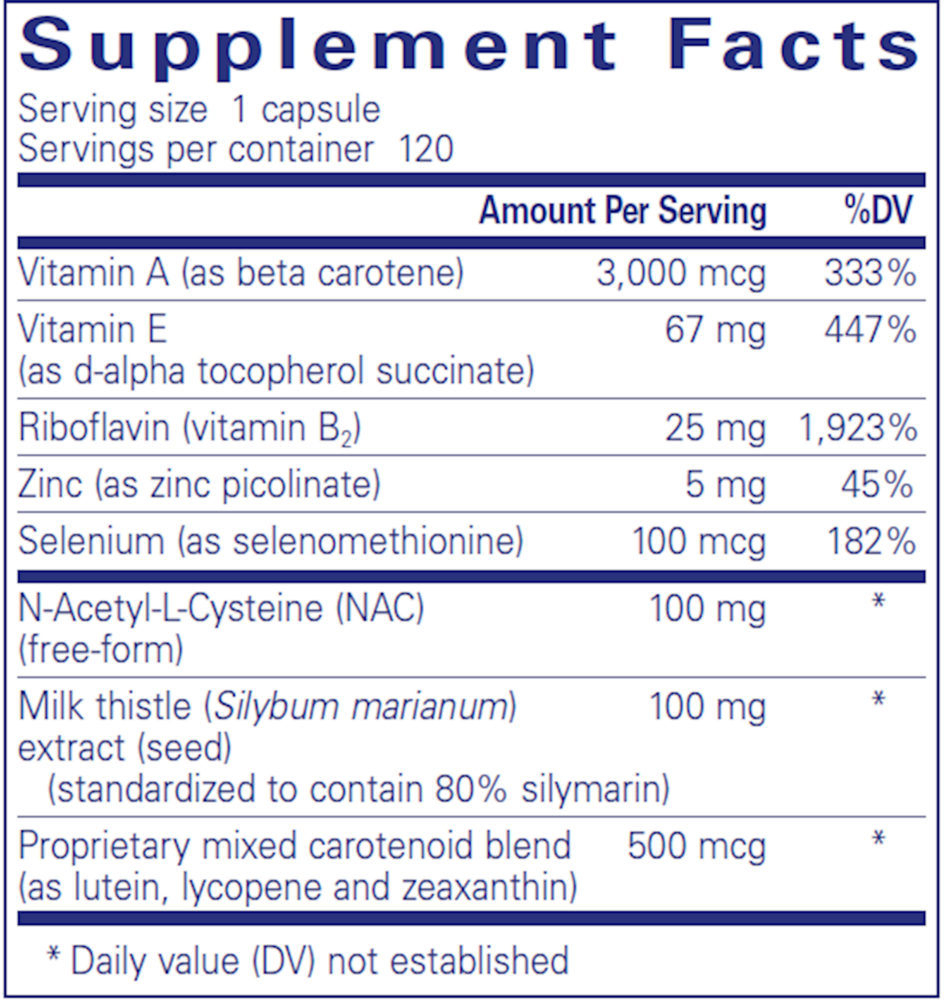
Pure Encapsulations
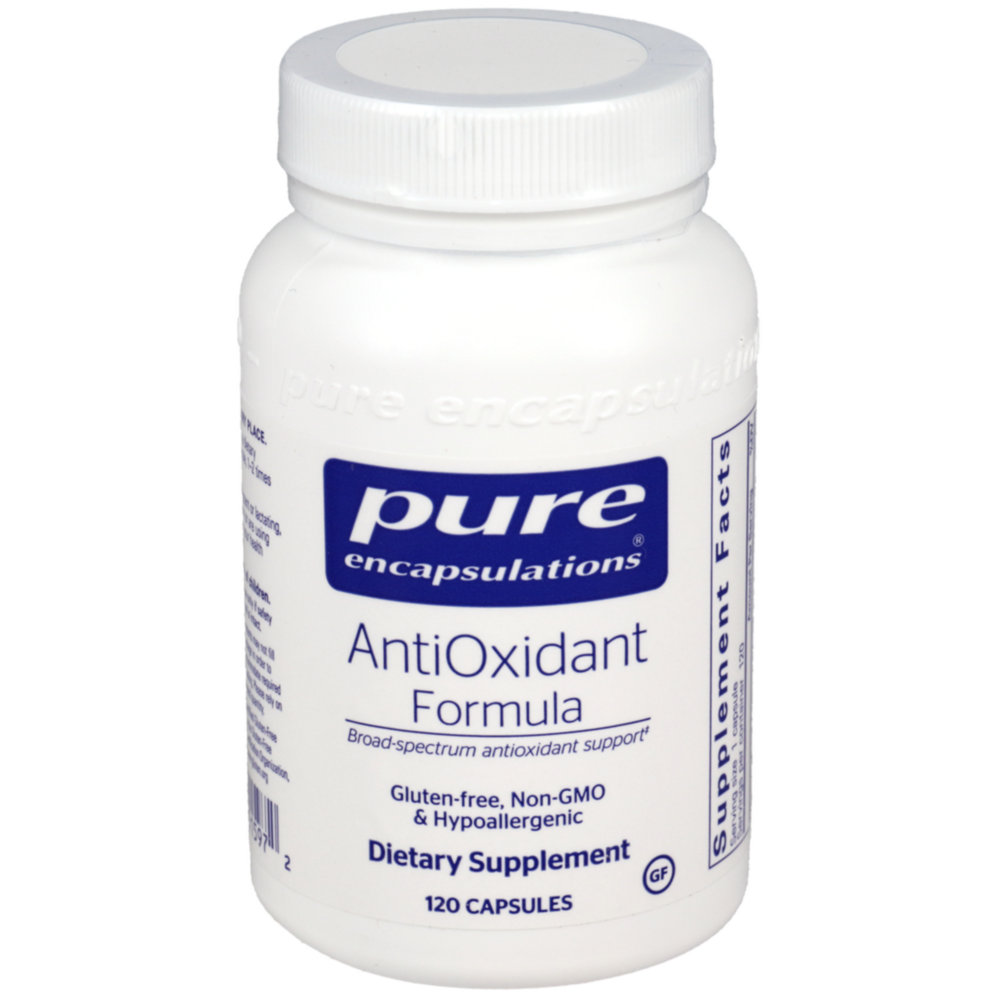
Antioxidant Formula by Pure Encapsulations
120 capsules · 120-day supply
Comprehensive Antioxidant Support for Cellular Health and Immune Function$67.00
Purchase options
Practitioner-grade brand3rd-party testedFree shipping $50+
Gluten Free·Egg Free·Artificial Preservative Free·Peanut Free·Wheat Free·Artificial Sweetener Free·
Pure Encapsulations Antioxidant Formula overview
If your diet is light on colorful produce or you have regular alcohol intake, this antioxidant supplement fits as a maintenance blend. It’s also reasonable if your liver enzymes (ALT and AST on a metabolic panel) or GGT (an enzyme that can track oxidative stress and alcohol load) run higher than you’d like and you’re cleaning up diet and weight. Think of it as steady upkeep: useful for busy professionals, endurance trainees, and people with urban pollution exposure. If you need targeted repletion, this is a modest dose, not a clinical-strength protocol.
N‑acetyl‑L‑cysteine (NAC) is the precursor your cells use to make glutathione, the main intracellular antioxidant that neutralizes reactive oxygen species. Selenium (as selenomethionine) is required for glutathione peroxidase, the enzyme that uses glutathione to quench peroxides. Vitamin E (d‑alpha tocopherol succinate) protects fatty membranes and LDL particles from oxidation, while zinc and riboflavin (vitamin B2) help recycle antioxidants back to their active forms. Milk thistle extract (silymarin) has been shown in some studies to modestly improve liver enzymes over 4 to 12 weeks. The mixed carotenoids (beta carotene, lutein, lycopene, zeaxanthin) add fat‑soluble scavenging in tissues like the retina and skin.
Take 1 capsule with a meal, once or twice daily, as the label suggests. A meal that includes some fat improves absorption of vitamin E and carotenoids. If you’re stacking a multivitamin that already contains vitamins A and E, selenium, and zinc, consider taking this on alternate days or drop overlapping products to avoid overshooting totals. Expect any lab changes, if you’re going to see them, within 4 to 12 weeks on ALT, AST, GGT, or glutathione-related markers.
Current smokers should avoid beta carotene supplements due to higher lung cancer risk seen with added beta carotene; this formula is modest, but the caution still applies. If you take blood thinners (warfarin, apixaban, rivaroxaban) or high‑dose fish oil, higher vitamin E intake can increase bleeding risk—clear it with your clinician. During chemotherapy or radiation, antioxidants can interfere with treatment; use only with your oncology team. Pregnancy: beta carotene is safer than preformed vitamin A, but combine only under obstetric guidance. Selenium stacks across products, so keep total daily intake in mind.
Frequently asked questions
Is 100 mg of NAC enough to raise glutathione?
It’s a maintenance dose, not a therapeutic one. Clinical repletion protocols often use 600–1,200 mg/day. At 100 mg, expect gentle support alongside diet and sleep, not a dramatic shift.
How soon will liver enzymes like ALT or GGT improve?
If you respond, changes typically show within 4–12 weeks. Supplements work best alongside reduced alcohol, weight loss if needed, and higher fruit and vegetable intake.
Can I take this with my multivitamin?
Yes, but watch overlap in vitamin A (as beta carotene), vitamin E, selenium, and zinc. If you’re doubling up, consider alternate-day use or adjusting one product to avoid excess.
Does milk thistle really help the liver?
Evidence shows small, inconsistent improvements in ALT and AST in some users over weeks to months. It’s an adjunct to lifestyle, not a fix for heavy drinking or fatty liver on its own.
Does vitamin E in this thin the blood?
Vitamin E can increase bleeding tendency at higher intakes, especially with anticoagulants or high-dose fish oil. This formula is moderate, but discuss it if you’re on blood thinners.
Is this safe for smokers?
Smokers should avoid beta carotene supplements due to increased lung cancer risk seen in trials. Choose an antioxidant without added beta carotene and focus on quitting support.
Should I take it with or without food?
Take it with meals. Fat in the meal improves absorption of vitamin E and carotenoids, and food reduces the chance of nausea from NAC or zinc.
How to take it & ingredients
Suggested use: Take 1 capsule, 1-2 times daily, with meals.
Active ingredients
1 capsule per serving · 120 servings
Vitamin A
As beta carotene
As beta carotene
3000 mcg
Vitamin E
As d-alpha tocopherol succinate
As d-alpha tocopherol succinate
67 mg
Riboflavin
Vitamin B2
Vitamin B2
25 mg
Zinc
As zinc picolinate
As zinc picolinate
5 mg
Selenium
As selenomethionine
As selenomethionine
100 mcg
N-Acetyl-L-Cysteine (NAC)
Free-form
Free-form
100 mg
Milk Thistle Extract
(silybum marianum)(seed)(standardized to contain 80% silymarin)
(silybum marianum)(seed)(standardized to contain 80% silymarin)
100 mg
Proprietary Mixed Carotenoid Blend
From lutein, lycopene and zeaxanthin
From lutein, lycopene and zeaxanthin
500 mcg
Other ingredients: Ascorbyl Palmitate, Vegetarian Capsule (Cellulose, Water)
Certifications
Benefits
Warnings