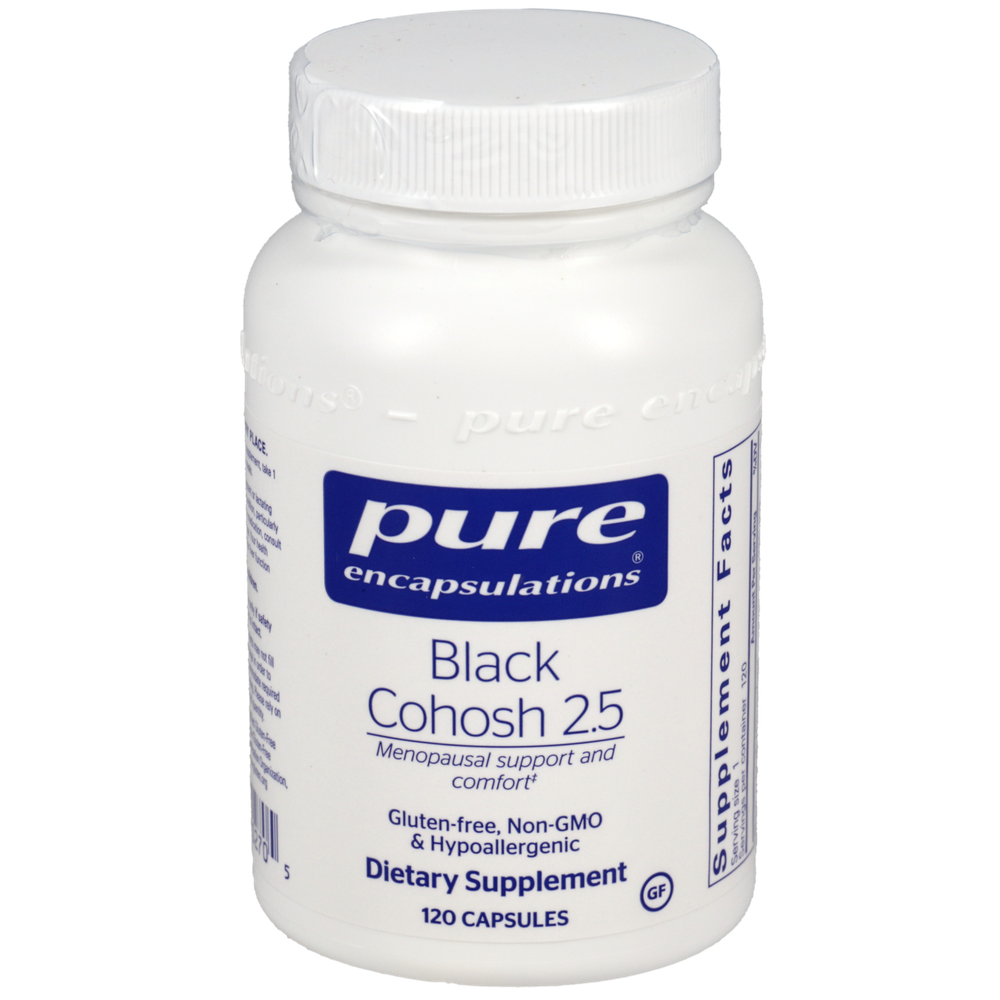
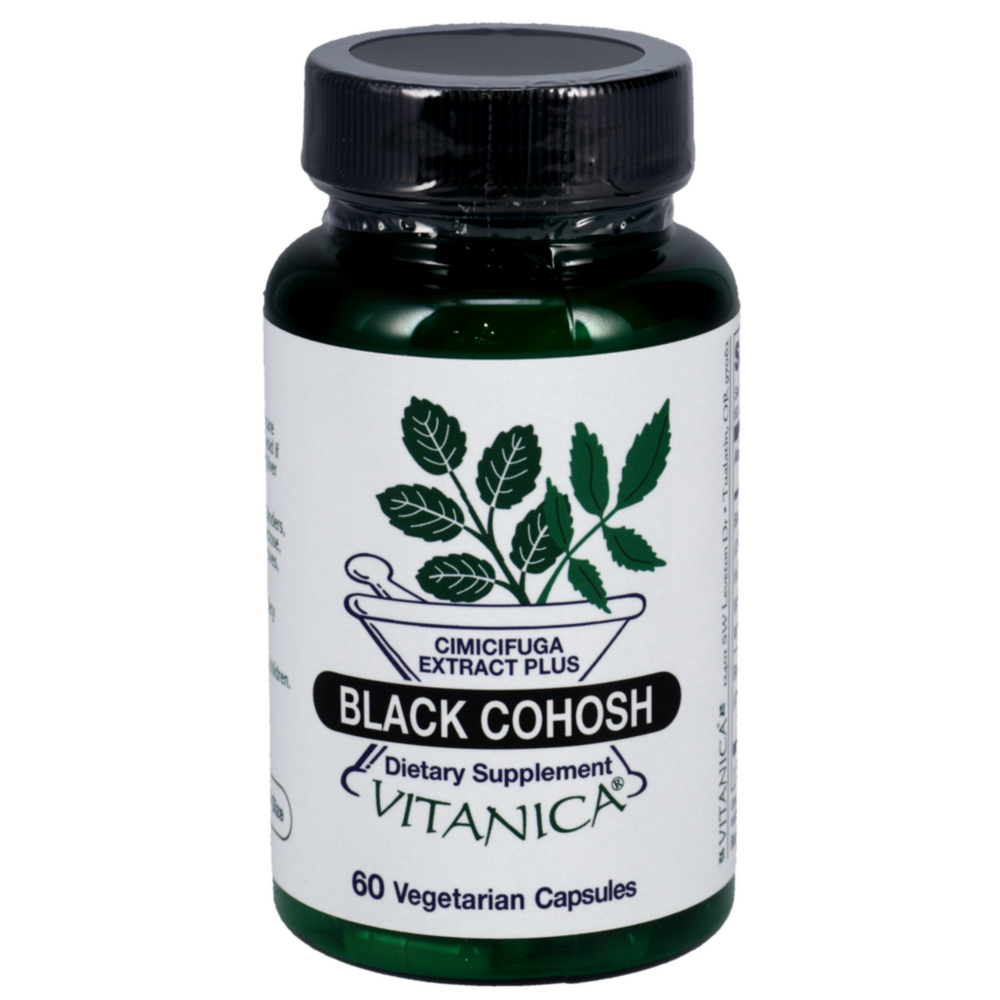
If hot flashes and night sweats are your main perimenopause complaints, black cohosh for hot flashes is a reasonable first trial if you prefer to avoid hormone therapy. It’s most useful for vasomotor symptoms, with some women also noticing less irritability or sleep disruption within 2 to 8 weeks. If your Estradiol or FSH (follicle-stimulating hormone, a brain signal to the ovaries) testing is already underway, this herb doesn’t need specific levels to be effective.
Unlike soy isoflavones, black cohosh doesn’t act like estrogen in the body. Standardized extracts appear to work at the thermoregulatory center in the brain, likely through serotonin receptors (the same signaling system involved in mood), which helps steady the internal thermostat that triggers hot flashes. Trials generally do not show consistent changes in Estradiol, LH (luteinizing hormone, another brain-to-ovary signal), or FSH, which is why clinicians consider it a non-hormonal option.
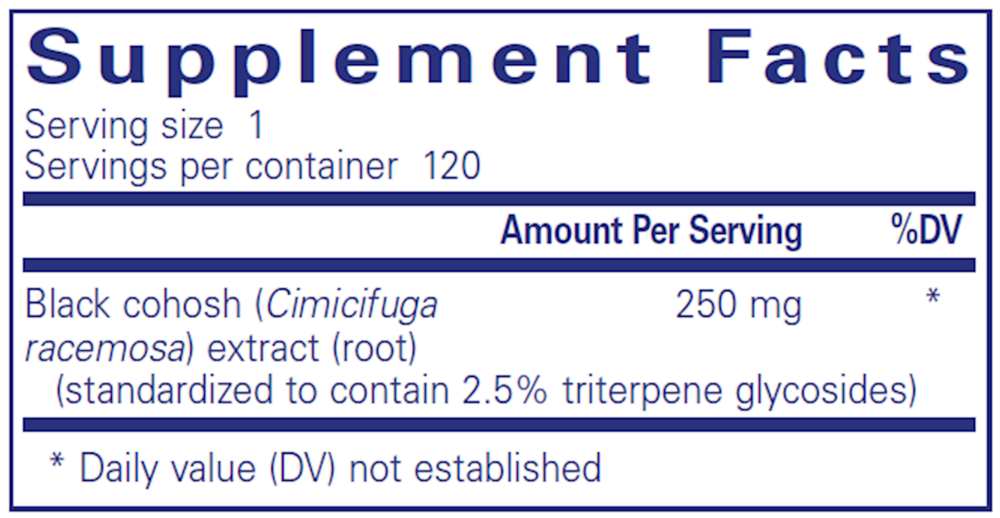
Take 1–2 capsules daily in divided doses between meals, as the label suggests. Stay consistent for at least 4 to 8 weeks before judging benefit; many responders notice fewer or milder hot flashes by then. This is a standard, maintenance-range dose of a 2.5% triterpene glycoside extract. If symptoms remain strong after 8 weeks, discuss alternatives like SSRIs/SNRIs, gabapentin, or menopausal hormone therapy with your clinician.
Avoid during pregnancy or breastfeeding. If you have active liver disease, heavy alcohol use, or take potentially liver-stressing drugs (for example, isoniazid or methotrexate), talk with your clinician first and consider checking ALT and AST (liver enzymes). Stop if you develop dark urine, jaundice, or unexplained itching. If you have a history of estrogen-receptor–positive breast cancer or take tamoxifen, use only under your oncology team’s guidance.
Many women see fewer or milder hot flashes, with results building over 2–8 weeks. The effect is modest on average, and it’s less reliable than prescription options, but it’s a reasonable non-hormonal first step.
Give it 4–8 weeks. Some notice improvement within the first month, but a full trial is about two menstrual cycles. If there’s no change by 8 weeks, consider other therapies.
No. Studies generally do not show consistent changes in Estradiol, LH, or FSH. It’s considered non-hormonal and likely works via brain signaling that controls body temperature.
It’s non-estrogenic, but decisions should be individualized. If you’re on tamoxifen or have a history of hormone-sensitive cancer, use only with your oncology team’s approval.
Usually yes. There’s no strong evidence of harmful interactions, though both act on serotonin pathways. If you feel unusually drowsy, nauseated, or jittery, check in with your clinician.
Most tolerate it well. Possible effects include stomach upset, headache, or dizziness. Rarely, liver injury has been reported; stop and seek care if you develop dark urine or yellowing of the eyes.
The label suggests between meals. If you get stomach upset, you can take it with a small snack; consistency matters more than exact timing.
It’s been studied for menopausal hot flashes, so data in men are limited. For male hot flashes from androgen-deprivation therapy, discuss proven options with your clinician first.