 Instalab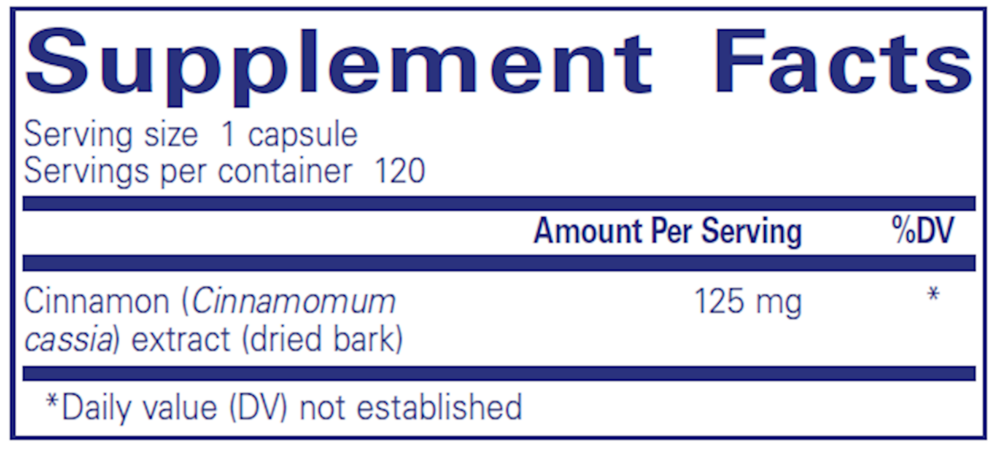
Pure Encapsulations
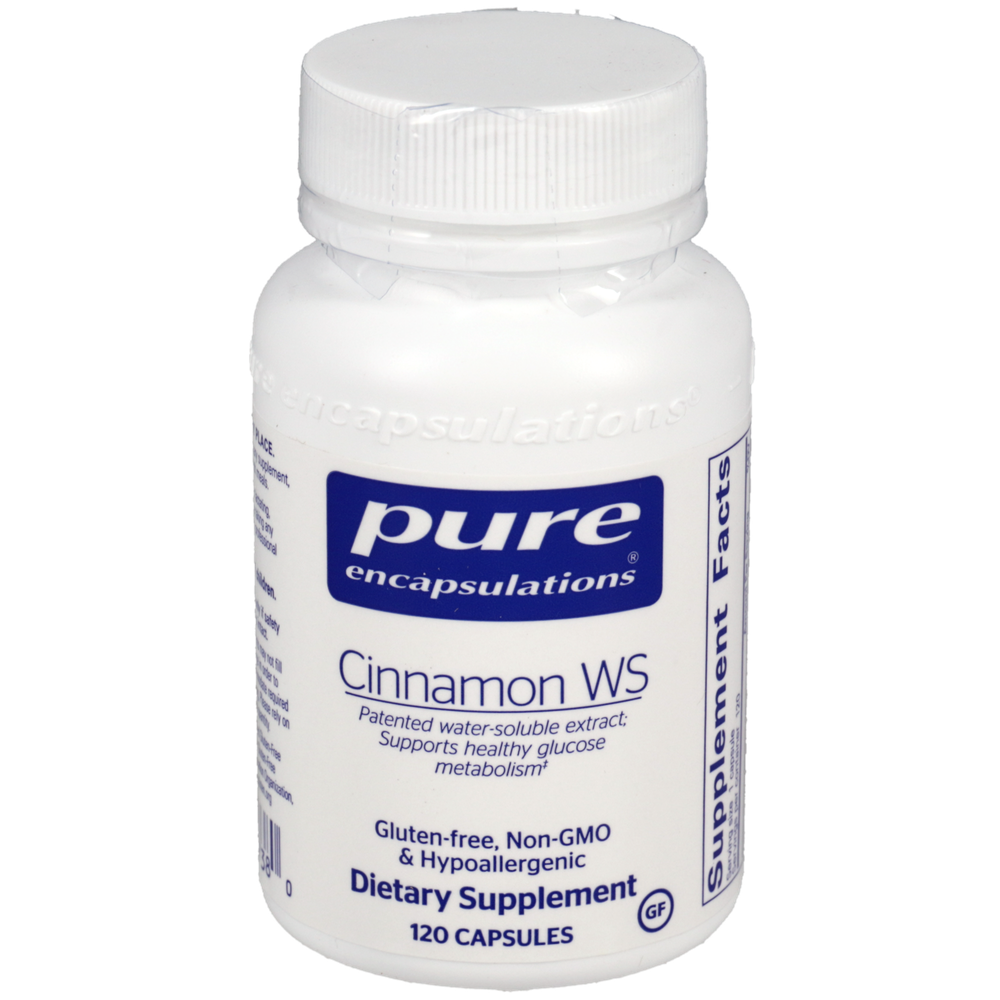
Cinnamon WS 125 mg by Pure Encapsulations
120 capsules · 120-day supply
Support Healthy Blood Sugar Levels with Cinnamon Extract$57.50
Purchase options
Practitioner-grade brand3rd-party testedFree shipping $50+
Vegan·Vegetarian·Gluten Free·Egg Free·Artificial Preservative Free·Peanut Free·
Pure Encapsulations Cinnamon WS overview
If your fasting glucose or HbA1c (three‑month average blood sugar) runs a bit high and you prefer a gentle, food‑adjacent option, cinnamon extract is a reasonable add‑on to diet and exercise. It’s most useful for adults with insulin resistance (often seen with higher waist circumference or a rising fasting insulin) and for people whose numbers creep up when weight or activity slips. If your levels are markedly elevated, use this alongside clinician‑directed therapy, not instead of it.
Cinnamon polyphenols improve how insulin signals cells to take up glucose, especially in muscle, which is where most post‑meal sugar should go. They also slow carbohydrate breakdown in the gut by inhibiting alpha‑glucosidase (the enzyme that clips carbs into absorbable sugars). In controlled trials, this translates to small drops in fasting glucose and slight reductions in HbA1c within 8 to 12 weeks. Water‑soluble cinnamon concentrates the helpful compounds and is typically low in coumarin (the cassia component that can stress the liver at high doses).
Take two divided doses with meals, which is when cinnamon best blunts the glucose rise. This extract yields roughly the actives found in about 1–2 grams of culinary cinnamon daily, a maintenance‑level amount. Recheck fasting glucose, HbA1c, and fasting insulin after 8 to 12 weeks. If you need stronger lipid effects, fish oil is better for triglycerides, and if glucose remains high, discuss metformin or GLP‑1 medications with your clinician.
If you use insulin or sulfonylureas, monitor for low blood sugar as cinnamon can add to the effect; adjust medication only with your prescriber. Known liver disease or elevated ALT/AST (liver enzymes) warrants caution, even with water‑soluble cinnamon. Bleeding risk is theoretical but prudent to consider with warfarin and other anticoagulants. Pregnancy and nursing: stick to food amounts, as supplement‑level data are limited. Stop if you notice heartburn, rash, or mouth irritation.
Frequently asked questions
Does cinnamon actually lower blood sugar?
Yes, but modestly. Meta-analyses show small reductions in fasting glucose and a slight drop in HbA1c over 8–12 weeks. It’s an add-on to diet, exercise, and prescribed therapy, not a replacement.
How long does cinnamon take to work for blood sugar?
Expect any change within 4–8 weeks, with clearer results by 8–12 weeks. Recheck fasting glucose and HbA1c after that window to see if it moved the needle for you.
Can I take cinnamon with metformin or insulin?
You can, but monitor closely. Cinnamon can enhance glucose lowering, which raises the risk of hypoglycemia with insulin or sulfonylureas. Do not change prescriptions without your clinician.
Is cassia cinnamon bad for the liver?
High intakes of cassia can deliver coumarin, which stresses the liver. Water‑soluble extracts are typically low in coumarin, but if you have liver disease or elevated ALT/AST, use caution and consult your clinician.
What’s the difference between Ceylon and cassia cinnamon?
Ceylon has lower coumarin; cassia has more of the compounds studied for glucose effects. Water‑soluble cassia extracts aim to capture the actives while minimizing coumarin exposure.
Should I take cinnamon before or with meals?
With meals is best. Taking it with carbohydrates aligns the effect on digestive enzymes and insulin signaling with the time your blood sugar would otherwise rise.
Can I open the capsules and mix the powder into food?
Yes. The extract can be opened and mixed into yogurt or a smoothie. Keep the dose consistent and still take it with meals for best effect.
Does cinnamon help with triglycerides or PCOS?
Any triglyceride change is usually small; fish oil is more reliable for that marker. In PCOS, cinnamon can modestly improve insulin resistance, but it should sit alongside diet, exercise, and clinician-guided care.
How to take it & ingredients
Suggested use: Take 2 capsules daily, in divided doses, with meals.
Active ingredients
1 capsule per serving · 120 servings
Cinnamon Extract
Cinnamomum cassia, dried bark, 10-15:1
Cinnamomum cassia, dried bark, 10-15:1
125 mg
Other ingredients: hypoallergenic plant fiber (cellulose), ascorbyl palmitate, vegetarian capsule (cellulose, water)
Certifications
Benefits
Warnings