 Instalab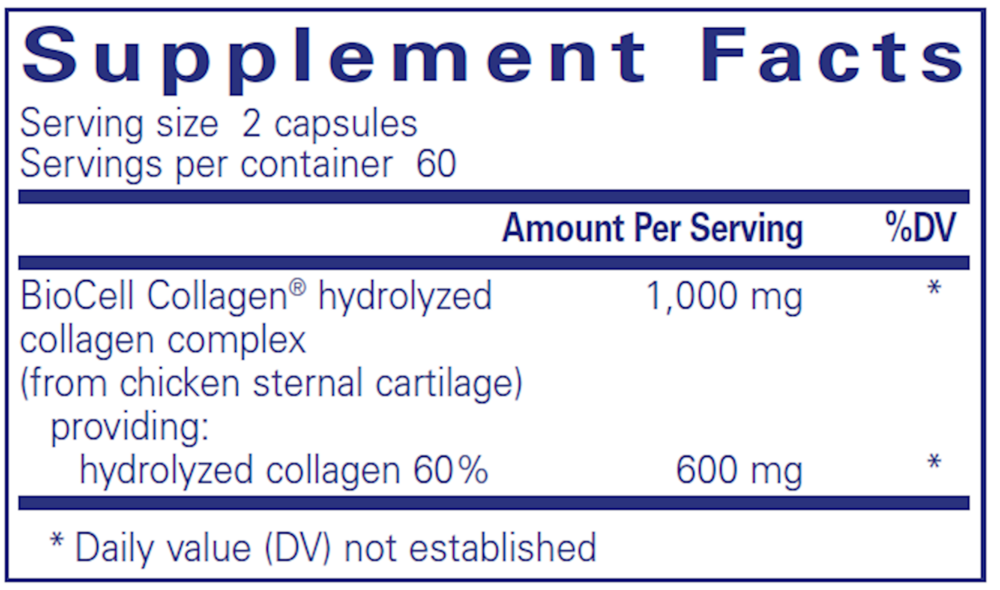


Pure Encapsulations
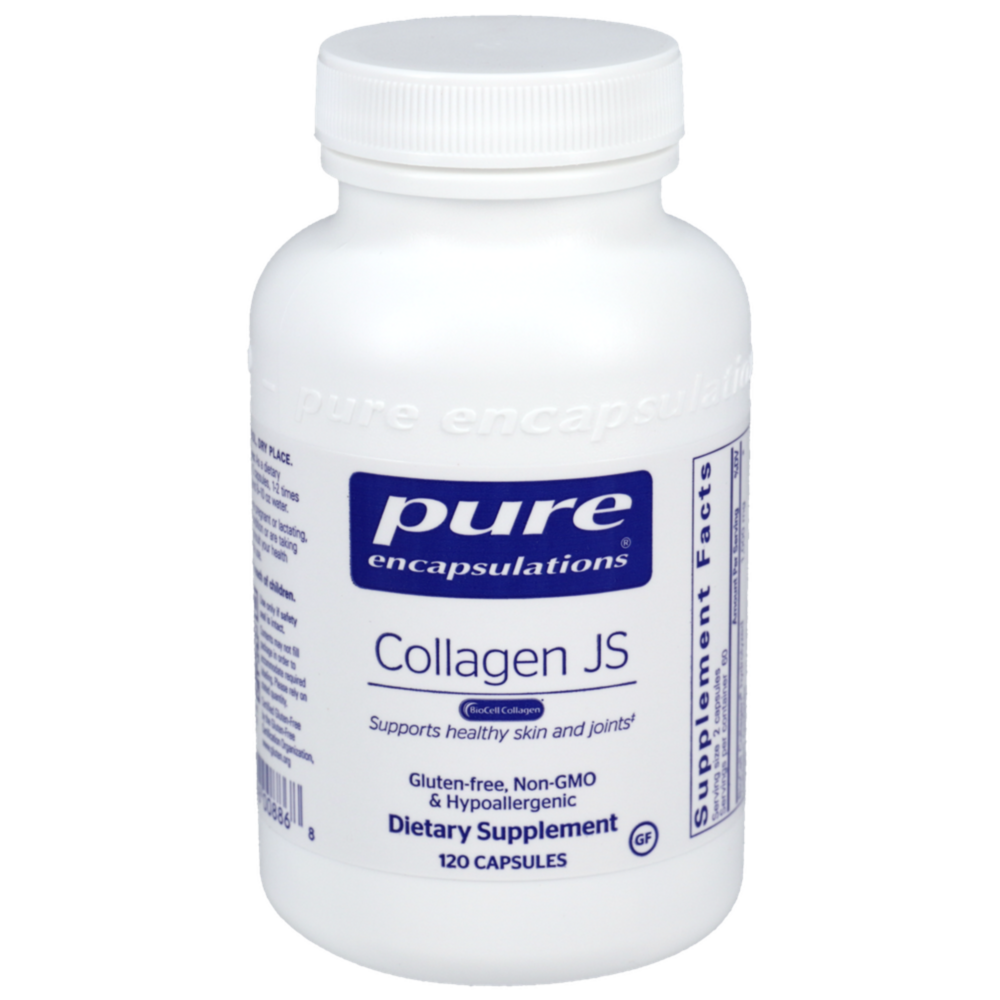
Collagen JS 1000 mg by Pure Encapsulations
120 capsules · 60-day supply
Support Joint Health and Skin Elasticity with Hydrolyzed Collagen$84.00
Purchase options
Practitioner-grade brand3rd-party testedFree shipping $50+
Gluten Free·Egg Free·Artificial Preservative Free·Peanut Free·Wheat Free·Artificial Sweetener Free·
Pure Encapsulations Collagen JS overview
Weekend runners with creaky knees, lifters with tendon soreness, and adults noticing drier, less springy skin are the people who actually feel hydrolyzed collagen. If your joints feel stiff after activity or your skin looks dull despite good skincare, a daily collagen can help. BioCell Collagen from chicken cartilage has clinical data for joint comfort and skin hydration. Vegans should skip this entirely, and if your protein intake is already high, collagen is an adjunct, not a replacement for complete protein.
This formula supplies collagen peptides rich in glycine, proline, and hydroxyproline, the amino acids your body uses to rebuild cartilage and dermal collagen. These small peptides act as signals to chondrocytes (the cells that maintain cartilage) and fibroblasts (the cells that make skin collagen) to step up production. BioCell also includes hyaluronic acid (the water-retaining molecule in joints and skin) and chondroitin sulfate (a structural cartilage sugar). In studies, people reported less joint discomfort within 4–8 weeks and better skin hydration by 8–12 weeks.
Take 2 capsules with meals, once or twice daily, as directed. Most trials with BioCell used 1–2 grams per day, so this dose is aimed at that range. Split dosing (morning and evening) is fine. Collagen is low in tryptophan, so keep eating normal protein. Expect joint outcomes within a month or two and skin changes by 2–3 months. If you stop, benefits fade over several weeks, so plan on steady use.
Avoid if you’re allergic to chicken. This contains chondroitin sulfate, so use caution and talk with your clinician if you’re on blood thinners like warfarin or the newer direct oral anticoagulants (apixaban, rivaroxaban), as bruising risk could increase. Not vegan or vegetarian. Safety in pregnancy and breastfeeding isn’t well established; defer unless your obstetric clinician agrees. For severe arthritis unresponsive to simple measures, this is not a stand-alone fix—get a full workup.
Frequently asked questions
Does hydrolyzed collagen actually help joints?
Yes, in modest, real-world ways. BioCell-type collagen has human studies showing reduced activity-related joint discomfort and improved function within 4–8 weeks. It’s not a painkiller, but it can make movement easier when used consistently.
How long until I notice results with collagen?
Most people notice joint changes in 4–8 weeks and skin hydration or fine-line changes by 8–12 weeks. Keep taking it daily; stopping usually leads to a gradual loss of benefit.
Is collagen safe to take with blood thinners?
Be cautious. This product includes chondroitin sulfate, which has case reports of increased bruising with warfarin and other blood thinners. If you use warfarin, apixaban, rivaroxaban, or similar, speak with your prescriber first.
Will collagen improve my skin?
It can. Trials with BioCell Collagen around 1 gram daily reported small but measurable increases in skin hydration and reduced fine lines by 12 weeks. Think “subtle better texture,” not a facelift.
Can I take collagen with my protein shake?
Yes. Collagen mixes well with other proteins, and taking it with meals may improve tolerance. Just remember collagen is incomplete protein, so keep eating regular protein sources too.
Is collagen vegan or vegetarian?
No. This collagen is derived from chicken sternal cartilage. There are plant-based peptides marketed for skin, but true collagen and type II collagen are animal-derived.
Any common side effects with collagen?
Most tolerate it well. Occasional reports include mild stomach upset or fullness. Taking it with food and splitting the dose reduces this. Allergic reactions are rare but possible with chicken-derived products.
What’s the difference between type II and types I/III collagen?
Type II is the main collagen in joint cartilage, often paired with hyaluronic acid and chondroitin for joint comfort. Types I/III dominate skin, bone, and tendons. This product uses hydrolyzed type II with joint- and skin-focused cofactors.
How to take it & ingredients
Suggested use: As a dietary supplement, take 2 capsules, 1-2 times daily, with meals and 8-10 oz water.
Active ingredients
2 capsules per serving · 60 servings
▼
BioCell Collagen® hydrolyzed collagen complex
From chicken sternal cartilage
From chicken sternal cartilage
1000 mg
hydrolyzed collagen 60%
600 mg
chondroitin sulfate 20%
200 mg
hyaluronic acid 10%
100 mg
Other ingredients: vegetarian capsule (cellulose, water), ascorbyl palmitate
Certifications
Benefits
Warnings
Customers also considered
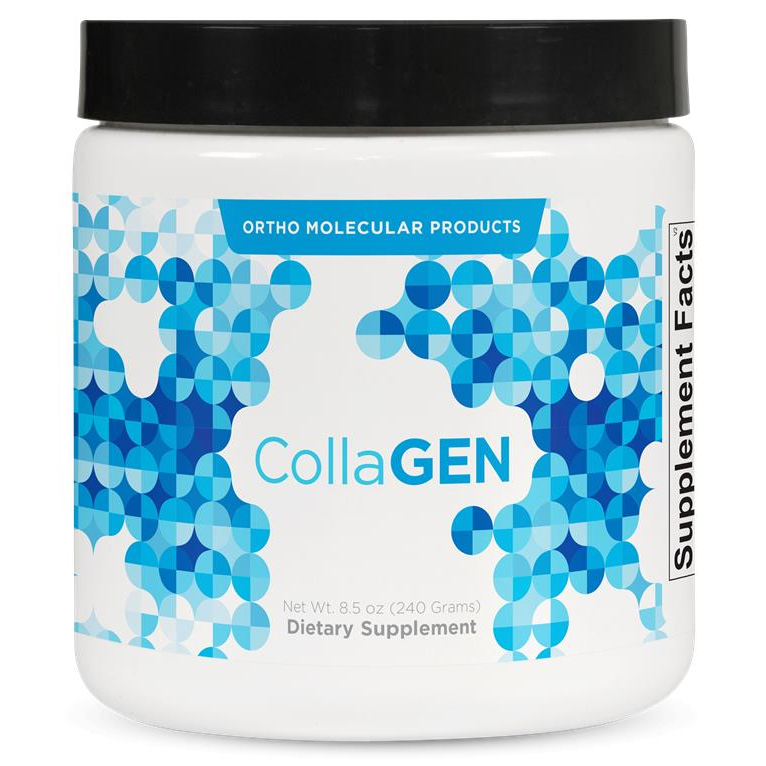
CollaGEN
Ortho Molecular Products
240 grams
$81.64$73.55 with Subscribe & Save
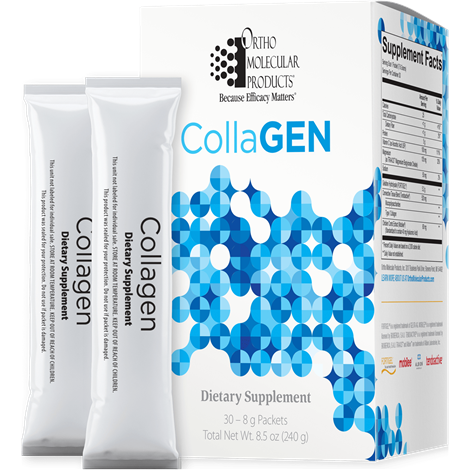
CollaGEN Stick Packs
Ortho Molecular Products
30 packets
$106.84$96.25 with Subscribe & Save
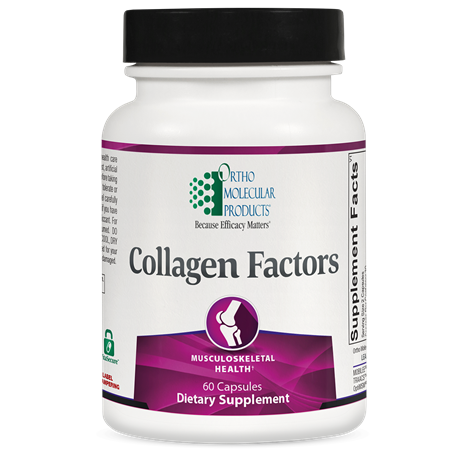
Collagen Factors
Ortho Molecular Products
60 capsules
$47.23$42.55 with Subscribe & Save
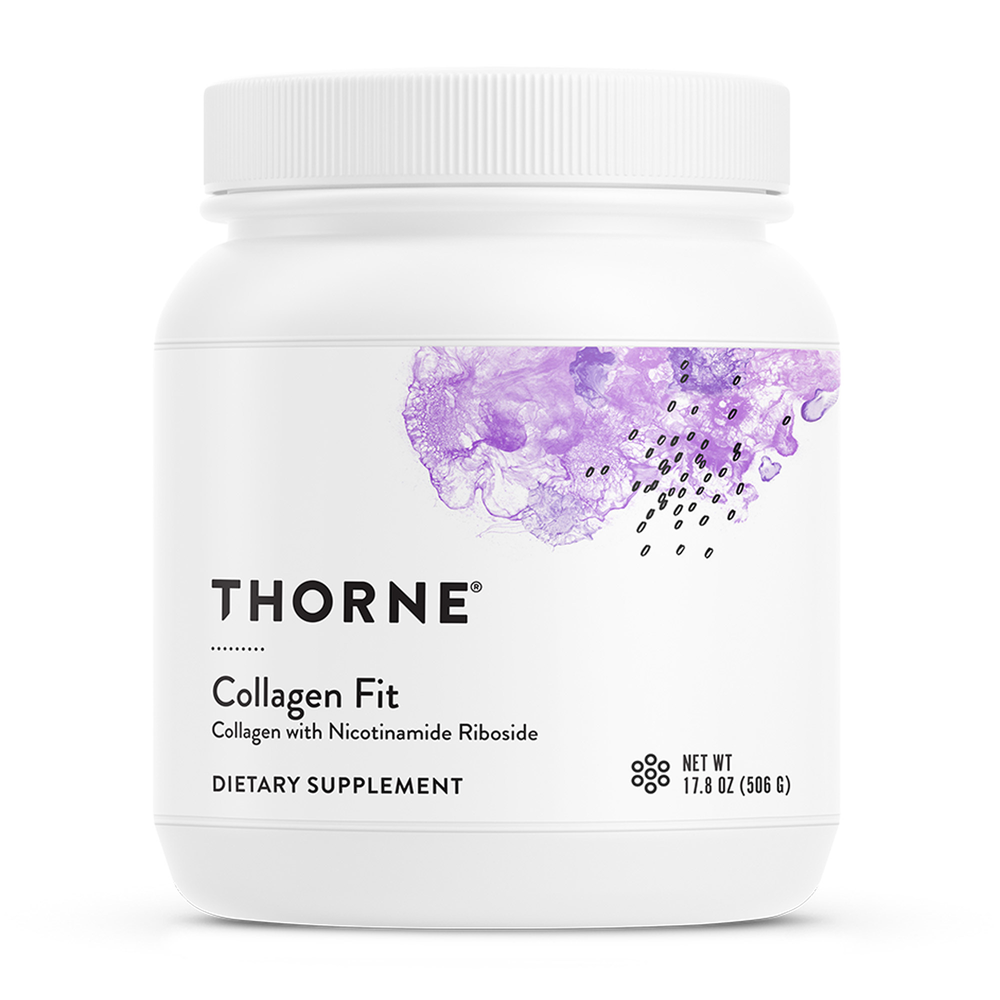
Collagen Fit
Thorne
506 grams
$56.00$50.40 with Subscribe & Save