 Instalab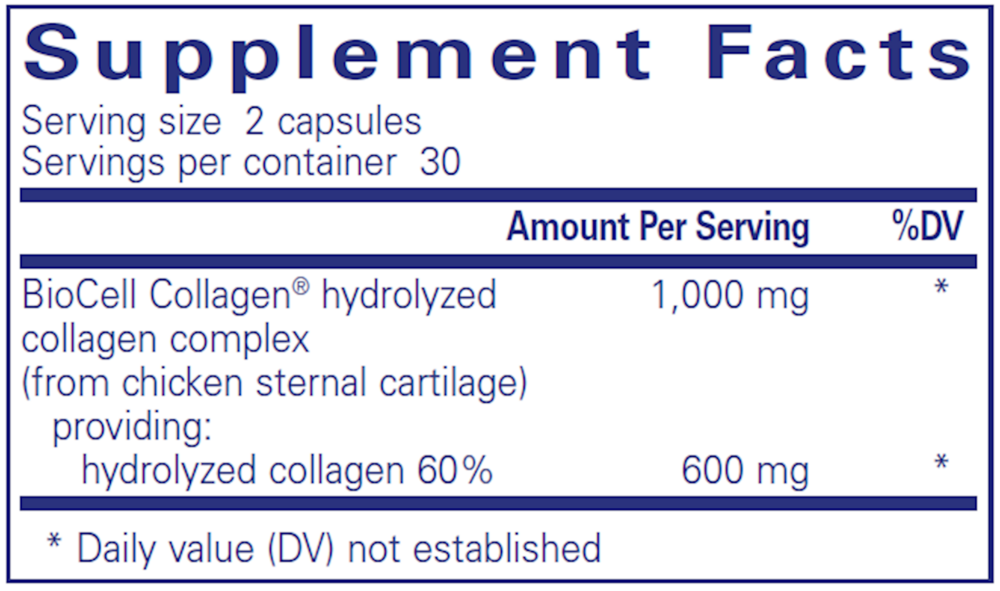


Pure Encapsulations
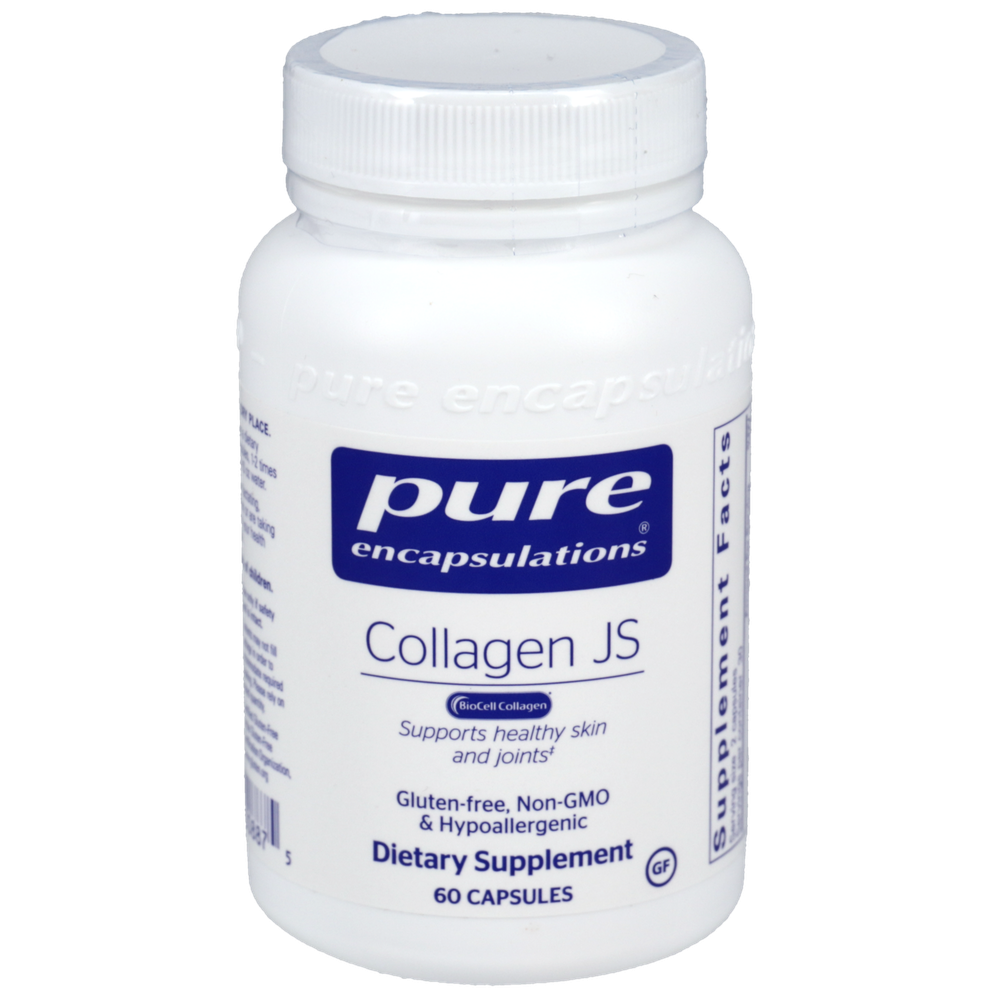
Collagen JS 1000 mg by Pure Encapsulations
60 capsules · 30-day supply
Support Joint Health and Skin Elasticity with Hydrolyzed Collagen$46.50
Purchase options
Practitioner-grade brand3rd-party testedFree shipping $50+
Gluten Free·Egg Free·Artificial Preservative Free·Peanut Free·Wheat Free·Artificial Sweetener Free·
Pure Encapsulations Collagen JS overview
Weekend runners with cranky knees, lifters with overused shoulders, and adults with age-related stiffness are the real candidates for collagen for joint pain. This hydrolyzed collagen from chicken cartilage is also a fit if your skin feels drier or less elastic, especially in perimenopause or after significant sun exposure. If you already take glucosamine or turmeric and still have mild daily aches, layering collagen is reasonable. For severe pain or swelling, get evaluated first; symptoms, not lab tests, guide collagen use.
This formula supplies type II collagen plus naturally occurring hyaluronic acid (the gel-like molecule that holds water in joint fluid and skin) and chondroitin sulfate (a cartilage sugar chain that attracts water). Small collagen fragments signal joint cells to make more of their own matrix, which helps comfort and mobility over weeks. In skin, hyaluronic acid increases water retention and collagen peptides nudge fibroblasts, the cells that build collagen, leading to better hydration and elasticity. Trials with this exact BioCell complex show changes within 4 to 12 weeks.
Take two capsules with a meal, once or twice daily, as the label suggests. Consistency matters more than timing; aim for daily use for 8 to 12 weeks before judging results. Splitting doses with breakfast and dinner can ease mild stomach upset. Collagen isn’t a protein replacement, so keep overall protein intake adequate and include vitamin C–rich foods, since vitamin C helps your body build new collagen.
Avoid if you’re allergic to chicken. Because this complex contains chondroitin sulfate, talk to your clinician if you use warfarin, apixaban, rivaroxaban, clopidogrel, or daily high-dose aspirin. Stop 1 to 2 weeks before elective surgery unless your surgeon agrees. Safety data in pregnancy and breastfeeding are limited; discuss with your OB. Collagen won’t fix acute injuries—new swelling, locking, or night pain warrants medical care.
Frequently asked questions
Does collagen actually help knee osteoarthritis?
Yes, in several studies hydrolyzed type II collagen with hyaluronic acid and chondroitin modestly improved knee comfort and function versus placebo over 8–12 weeks. It’s an add-on for symptoms, not a cure, and works best for mild to moderate, day-to-day aches.
How long does collagen take to work for joints and skin?
Most people who respond notice joint changes in 4–8 weeks and skin hydration or elasticity changes by 8–12 weeks. Take it daily during this window before deciding if it’s useful for you.
Is BioCell Collagen the same as collagen peptides?
It’s a specific hydrolyzed type II collagen from chicken cartilage that also provides hyaluronic acid and chondroitin. Typical bovine collagen peptides are mostly type I/III and lack those extras. Both are “collagen,” but they differ in composition and targets.
Can I take collagen with glucosamine or turmeric?
Yes. They work through different mechanisms and are often combined in practice. If you’re on blood thinners, confirm with your clinician first, since turmeric and chondroitin can affect bleeding risk.
Does collagen thin your blood?
Collagen itself doesn’t, but this complex includes chondroitin sulfate, which can interact with blood thinners and antiplatelet drugs. If you use warfarin, apixaban, rivaroxaban, clopidogrel, or daily high-dose aspirin, check with your clinician.
Is chicken-sourced collagen better than marine collagen?
For joint pain, chicken cartilage–derived type II collagen has the most data. Marine collagen is typically type I, which is more skin-focused. Either can help skin, but for knees and shoulders, type II is the better bet.
Can I take collagen on an empty stomach?
You can, but taking it with food reduces the chance of mild nausea and aligns with how most studies dosed it. Splitting doses with meals is a practical approach.
How to take it & ingredients
Suggested use: As a dietary supplement, take 2 capsules, 1-2 times daily, with meals and 8-10 oz water.
Active ingredients
2 capsules per serving · 30 servings
▼
BioCell Collagen® hydrolyzed collagen complex
From chicken sternal cartilage
From chicken sternal cartilage
1000 mg
hydrolyzed collagen 60%
600 mg
chondroitin sulfate 20%
200 mg
hyaluronic acid 10%
100 mg
Other ingredients: vegetarian capsule (cellulose, water), ascorbyl palmitate
Certifications
Benefits
Warnings
Customers also considered
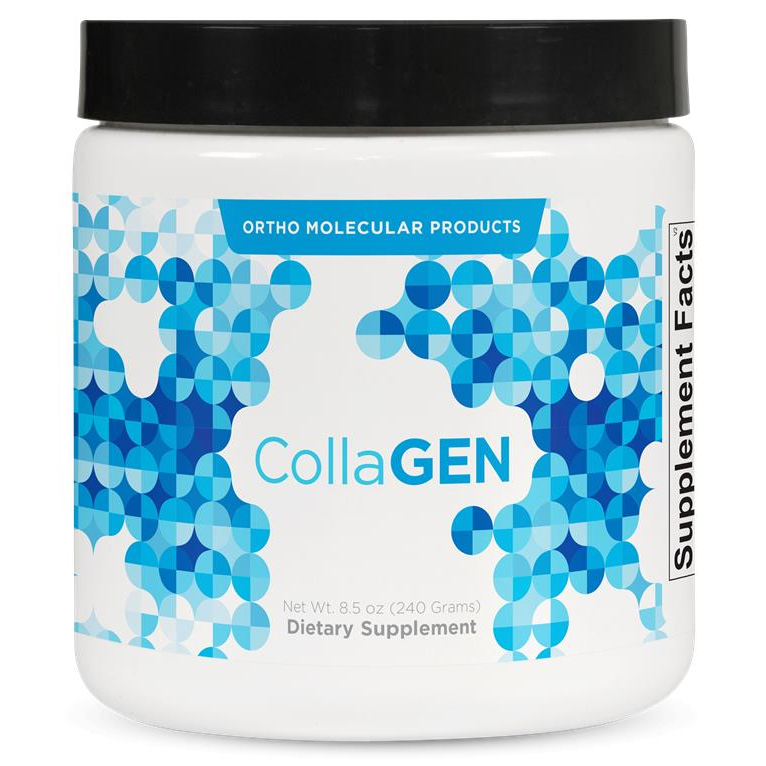
CollaGEN
Ortho Molecular Products
240 grams
$81.64$73.55 with Subscribe & Save
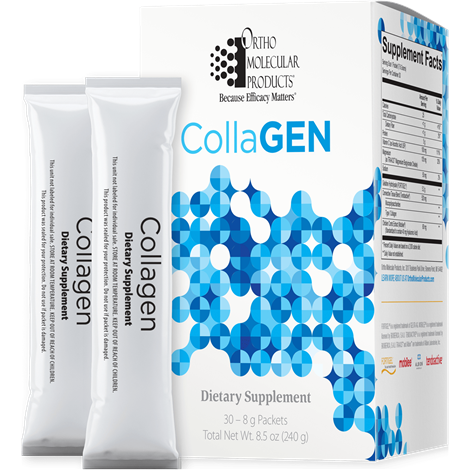
CollaGEN Stick Packs
Ortho Molecular Products
30 packets
$106.84$96.25 with Subscribe & Save
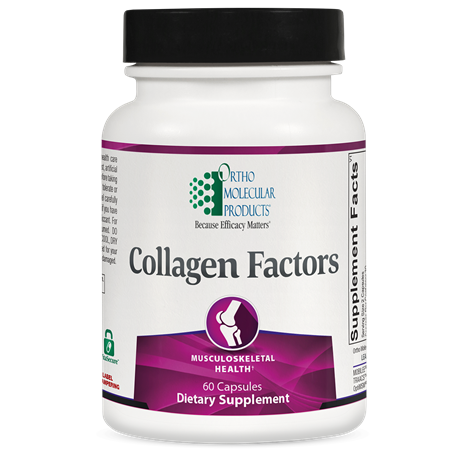
Collagen Factors
Ortho Molecular Products
60 capsules
$47.23$42.55 with Subscribe & Save
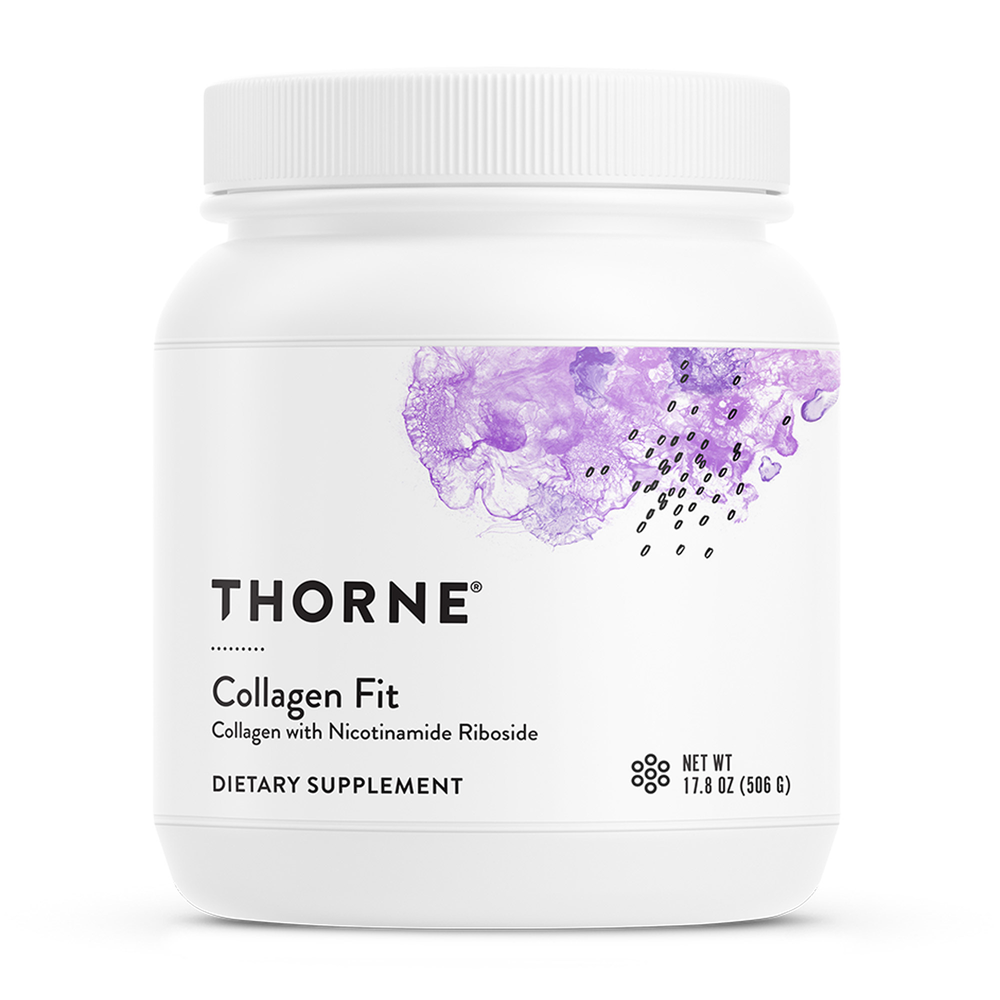
Collagen Fit
Thorne
506 grams
$56.00$50.40 with Subscribe & Save