 Instalab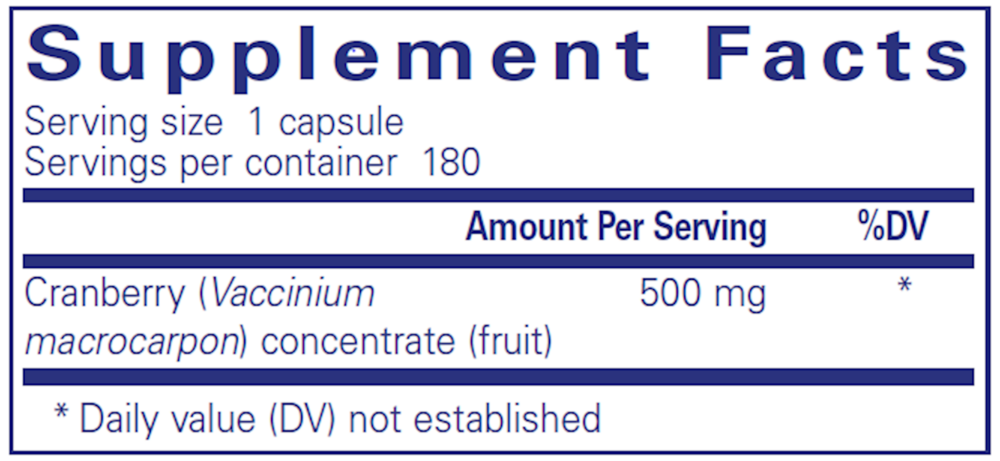


Pure Encapsulations
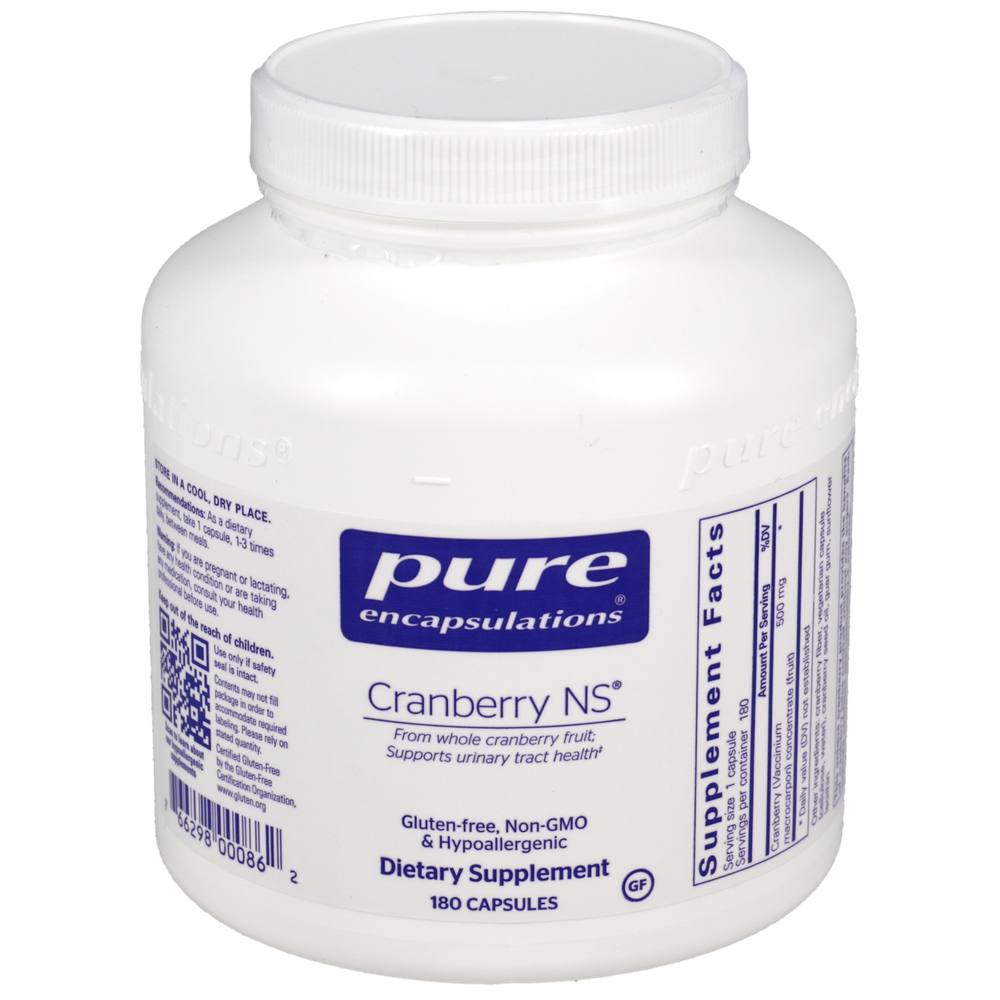
Cranberry NS 500 mg by Pure Encapsulations
180 capsules · 180-day supply
Support for Urinary Health and Women's Wellness$73.50
Purchase options
Practitioner-grade brand3rd-party testedFree shipping $50+
Vegan·Vegetarian·Gluten Free·Egg Free·Artificial Preservative Free·Peanut Free·
Pure Encapsulations Cranberry NS overview
If you’re a woman with repeat bladder infections, cranberry capsules for UTI prevention are a practical alternative to sugary juice. Evidence is strongest in pre- and postmenopausal women with recurrent cystitis, and in people who get UTIs after sex or with spermicide use. If your urinalysis or urine culture has been normal between episodes but symptoms keep returning, daily cranberry extract fits prevention. It’s not a treatment for an active infection with fever or back pain.
Cranberry extract concentrates proanthocyanidins (plant compounds that keep E. coli from sticking to the bladder lining). By blocking that “stick,” bacteria are more likely to be flushed out with urination. This anti‑adhesion mechanism, not urine acidification, is why recurrence rates drop. Trials and meta-analyses show a meaningful reduction in repeat UTIs, roughly a quarter fewer episodes in typical responders. It won’t clear a current infection, but it lowers the odds of the next one.
Take 1–3 capsules daily, split into two or three doses between meals as the label advises. Aim for steady daily use for at least 4–8 weeks to judge benefit, then continue during higher‑risk periods (for example, around intercourse if that’s your trigger). Hydration still matters. Capsules avoid the sugar load of juice, which can aggravate glucose control. If you need a defined proanthocyanidin amount, choose a product that states PAC content on the label.
Skip cranberry extract if you take warfarin (a blood thinner), as case reports suggest interactions that raise bleeding risk. Use caution with a history of calcium oxalate kidney stones, since cranberries add oxalate. Mild stomach upset can occur; take with a little water between meals. Pregnancy and breastfeeding: generally considered food-level safe, but prevention dosing for recurrent UTIs should be discussed with your obstetric clinician. Symptoms with fever or flank pain need same-day medical care.
Frequently asked questions
Does cranberry treat an active UTI?
No. Cranberry extract helps prevent bacteria from sticking but doesn’t treat an established infection. If you have burning plus fever, back pain, or blood in urine, get a urine culture and medical treatment promptly.
How long does cranberry extract take to work for UTI prevention?
Most prevention trials show benefit after consistent daily use for 4–8 weeks. Some people notice fewer symptoms sooner, but judge it over a couple of months and continue through higher‑risk periods.
How many mg of cranberry or PACs do I need?
Studies often target standardized proanthocyanidins (PACs). If the label lists PACs, pick a daily total consistent with trial ranges. If it lists only cranberry extract mg, steady daily dosing is still reasonable but PAC content is unknown.
Is cranberry extract better than cranberry juice?
Capsules avoid the sugar load of juice while delivering the active compounds. For most adults, standardized cranberry extract is more practical and easier on blood sugar than drinking juice daily.
Can I take cranberry with antibiotics?
Yes. There’s no evidence cranberry extract reduces antibiotic effectiveness. Many clinicians pair them: antibiotics to treat the current UTI, cranberry afterward for recurrence prevention.
Does cranberry interact with warfarin or other blood thinners?
Warfarin is the main concern. Case reports link cranberry to higher INR and bleeding. If you’re on warfarin, avoid cranberry unless your prescriber specifically okays and monitors it. No clear issues with aspirin alone.
Can cranberry cause kidney stones?
Cranberries contain oxalate, which can contribute to calcium oxalate stones in susceptible people. If you’ve had these stones, discuss cranberry with your clinician and prioritize hydration and dietary oxalate management.
What labs are relevant if I keep getting UTIs?
Urinalysis and urine culture help confirm infection and guide antibiotics. If episodes are frequent, ask about a test-of-cure culture and factors like vaginal estrogen status post‑menopause.
How to take it & ingredients
Suggested use: Take 1-3 capsules per day, in divided doses, between meals.
Active ingredients
1 capsule per serving · 180 servings
Cranberry Extract
Vaccinium macrocarpon (fruit)
Vaccinium macrocarpon (fruit)
500 mg
Other ingredients: Cranberry Fiber, Cranberry Seed Oil, Guar Gum, Sunflower Lecithin, Vegetarian Capsule (Cellulose, Water)
Certifications
Benefits
Warnings
Customers also considered
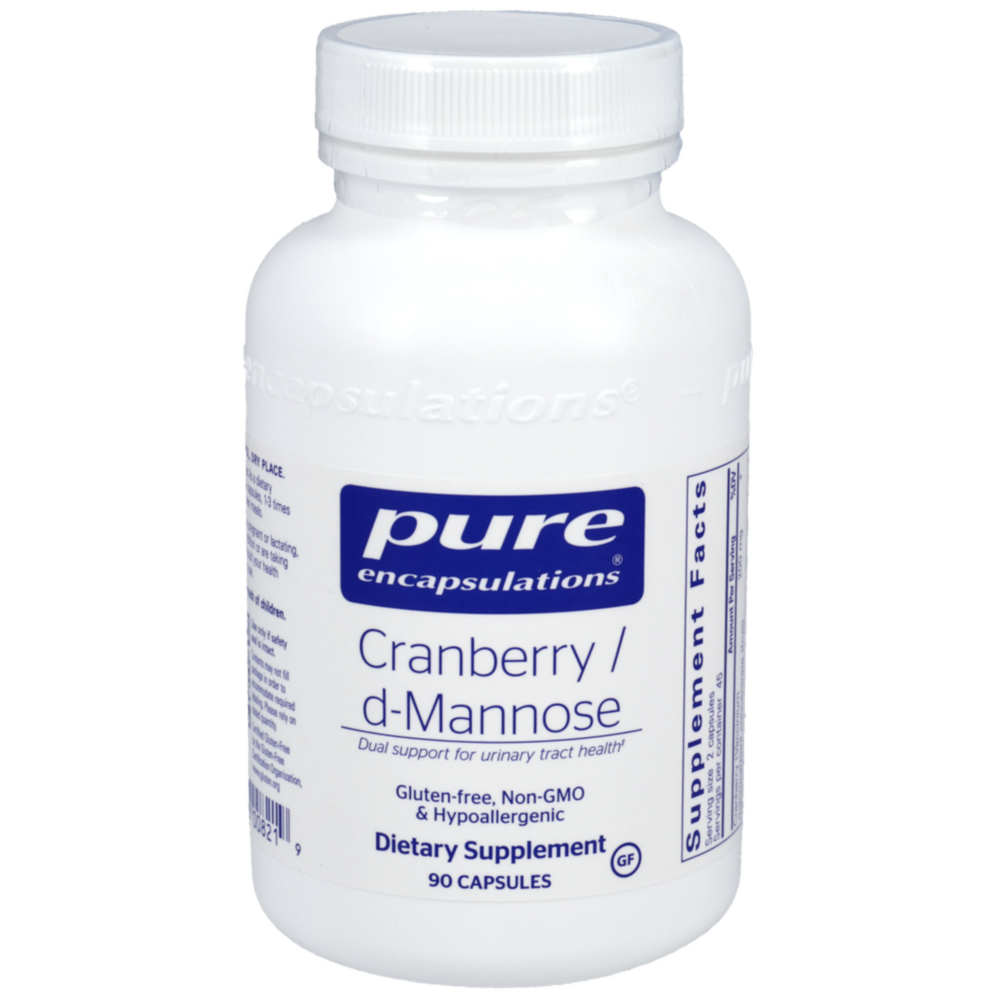
Cranberry/D-Mannose
Pure Encapsulations
90 capsules
$59.00$46.99 with Subscribe & Save
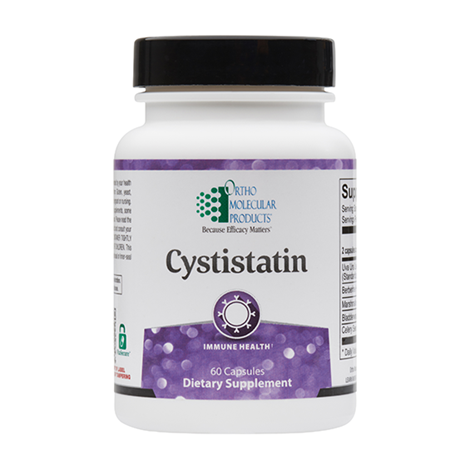
Cystistatin
Ortho Molecular Products
60 capsules
$69.21$62.35 with Subscribe & Save
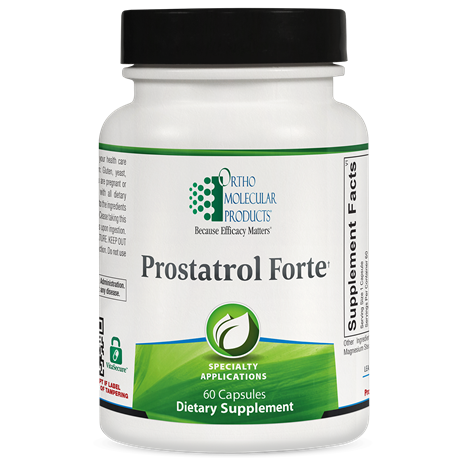
Prostatrol Forte
Ortho Molecular Products
60 capsules
$69.21$62.35 with Subscribe & Save
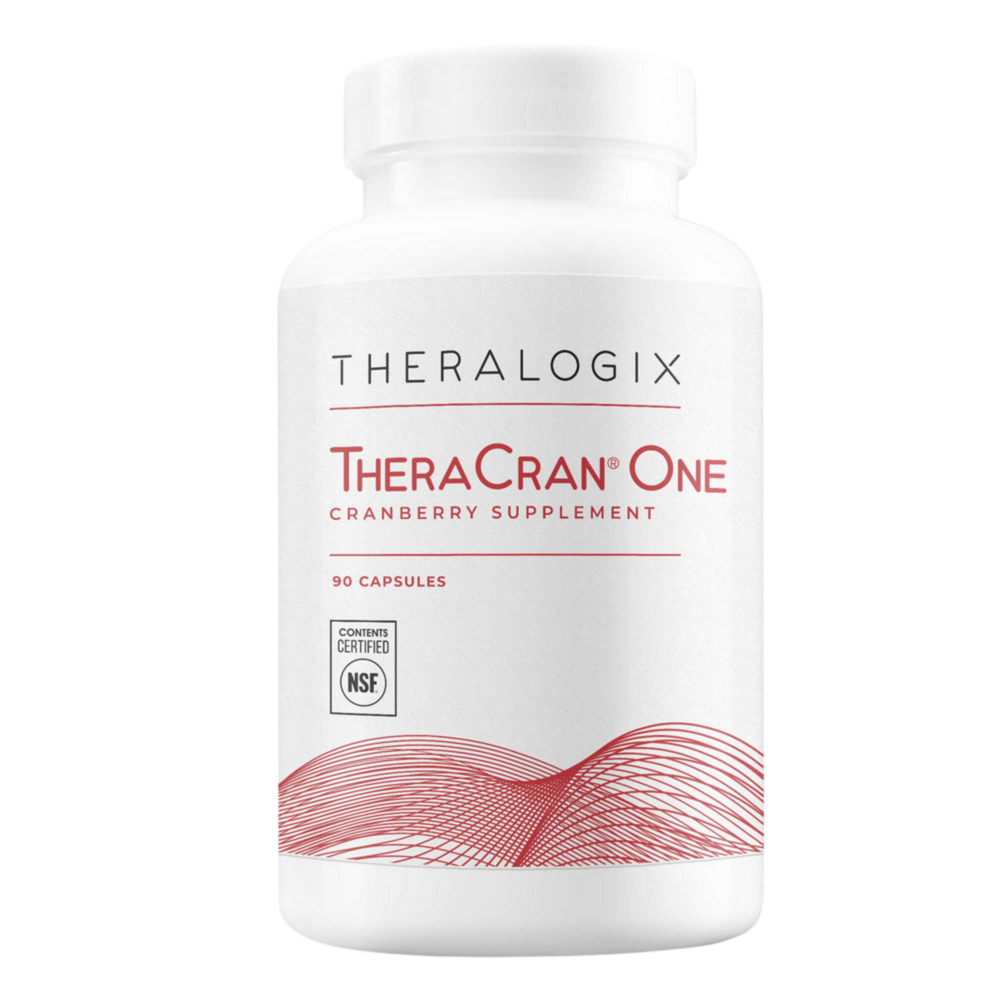
TheraCran One
Theralogix
90 capsules
$95.99$76.99 with Subscribe & Save