 Instalab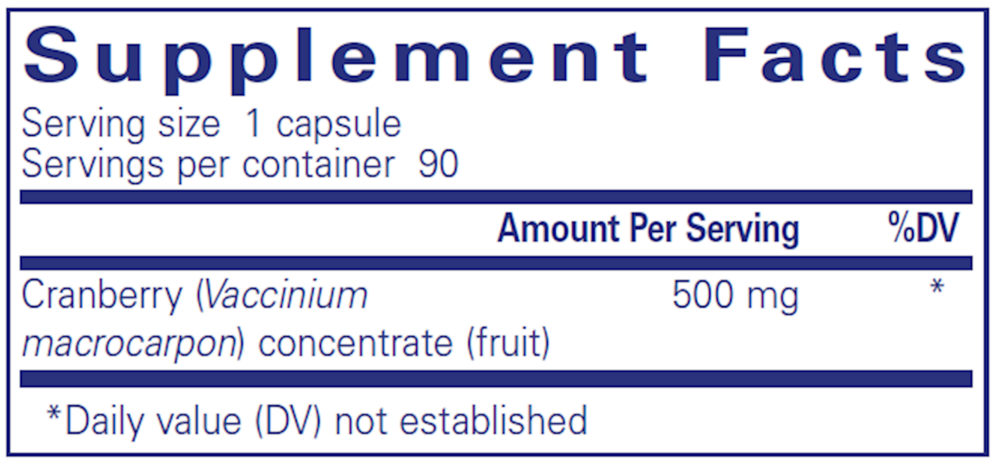

Pure Encapsulations
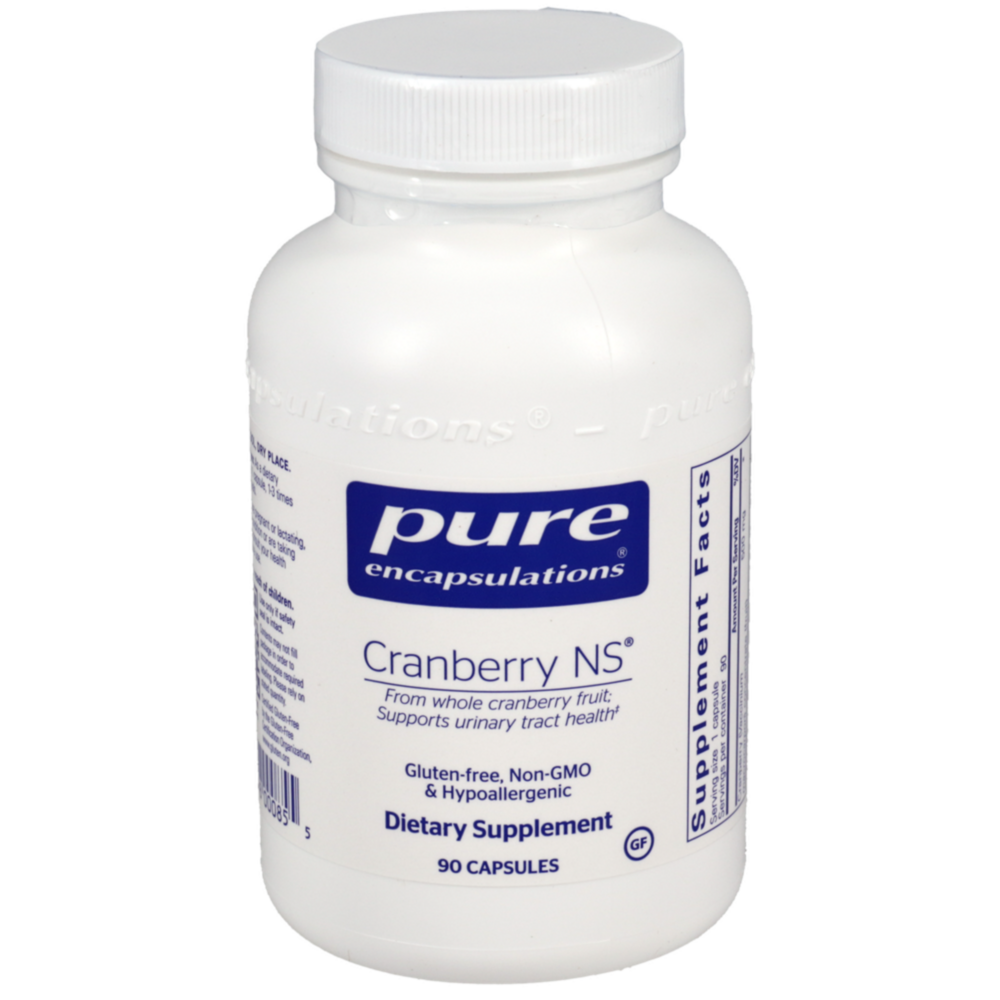
Cranberry NS 500 mg by Pure Encapsulations
90 capsules · 90-day supply
Cranberry Extract for Urinary Health and Women's Wellness$41.50
Purchase options
Practitioner-grade brand3rd-party testedFree shipping $50+
Vegan·Vegetarian·Gluten Free·Egg Free·Artificial Preservative Free·Peanut Free·
Pure Encapsulations Cranberry NS overview
Women with recurrent urinary tract infections looking for non-antibiotic prevention are the primary fit for cranberry extract for UTI prevention. It’s useful if you’ve had repeated positive urine cultures, want to avoid the sugar load of juice, or have post-coital UTIs and need a simple daily routine. Track with urinalysis and symptoms over 8–12 weeks to judge benefit before deciding to continue long term.
Cranberry extract concentrates A-type proanthocyanidins (plant compounds that block bacterial sticking). These interfere with how uropathogenic E. coli latch onto bladder lining cells, so bacteria wash out more easily with urine. This is prevention, not treatment: it doesn’t sterilize urine like an antibiotic. Consistent dosing lowers recurrence risk in many studies, with modest reductions seen over weeks when the proanthocyanidin amount is adequate.
Take 1–3 capsules per day, split between morning and evening, between meals as directed. For prevention, daily use matters more than timing. Many trials target about 36 mg of A-type proanthocyanidins per day; if the label doesn’t list that, higher capsule counts are often used. Drink water regularly, and if you develop UTI symptoms, seek care rather than increasing the dose.
Active UTI symptoms need medical care, not cranberry alone. If you take warfarin (a blood thinner), avoid cranberry extract unless your prescriber is monitoring closely, as INR (a blood clotting test) can rise in some patients. People with a history of calcium oxalate kidney stones should use caution due to cranberry’s oxalate content. Pregnancy and breastfeeding: discuss with your clinician first.
Frequently asked questions
Can cranberry extract treat an active UTI?
No. Cranberry extract helps prevent bacteria from sticking but doesn’t treat an established infection. If you have burning, urgency, fever, or back pain, get a urinalysis and urine culture and follow your clinician’s plan.
How long does cranberry extract take to work for UTI prevention?
Prevention benefits are gradual. Expect to assess over 8–12 weeks of daily use. Some people notice fewer episodes within the first month, but consistency over several cycles is what predicts success.
How much cranberry proanthocyanidins do I need?
Many studies use about 36 mg of A-type proanthocyanidins per day. If your supplement isn’t standardized or doesn’t list this, you may need multiple capsules. Check the label or ask the manufacturer for PAC content.
Is cranberry extract better than cranberry juice?
For prevention, standardized extract avoids the sugar load of juice and is easier to take daily. Juice can work if taken consistently, but added sugars are a downside and serving sizes are large.
Can I take cranberry extract with antibiotics?
Yes. It’s fine to continue during antibiotic treatment and afterward for prevention. It won’t replace antibiotics for an active infection. Space doses if your stomach is sensitive.
Does cranberry interact with blood thinners like warfarin?
Potentially. Case reports link cranberry to increased INR (a clotting measure) with warfarin. If you’re on warfarin, avoid or use only with close INR monitoring and prescriber approval.
Will cranberry extract cause kidney stones?
Cranberry is relatively high in oxalate, which can be an issue for people prone to calcium oxalate stones. If you have that history, discuss with your clinician and ensure good hydration.
Should I take cranberry with food or on an empty stomach?
The label suggests between meals. If you notice stomach upset, you can take it with a small snack. Consistent daily use matters more than exact timing.
How to take it & ingredients
Suggested use: Take 1-3 capsules per day, in divided doses, between meals.
Active ingredients
1 capsule per serving · 90 servings
Cranberry Extract
Vaccinium macrocarpon (fruit)
Vaccinium macrocarpon (fruit)
500 mg
Other ingredients: Cranberry Fiber, Cranberry Seed Oil, Guar Gum, Sunflower Lecithin, Vegetarian Capsule (Cellulose, Water)
Certifications
Benefits
Warnings
Customers also considered
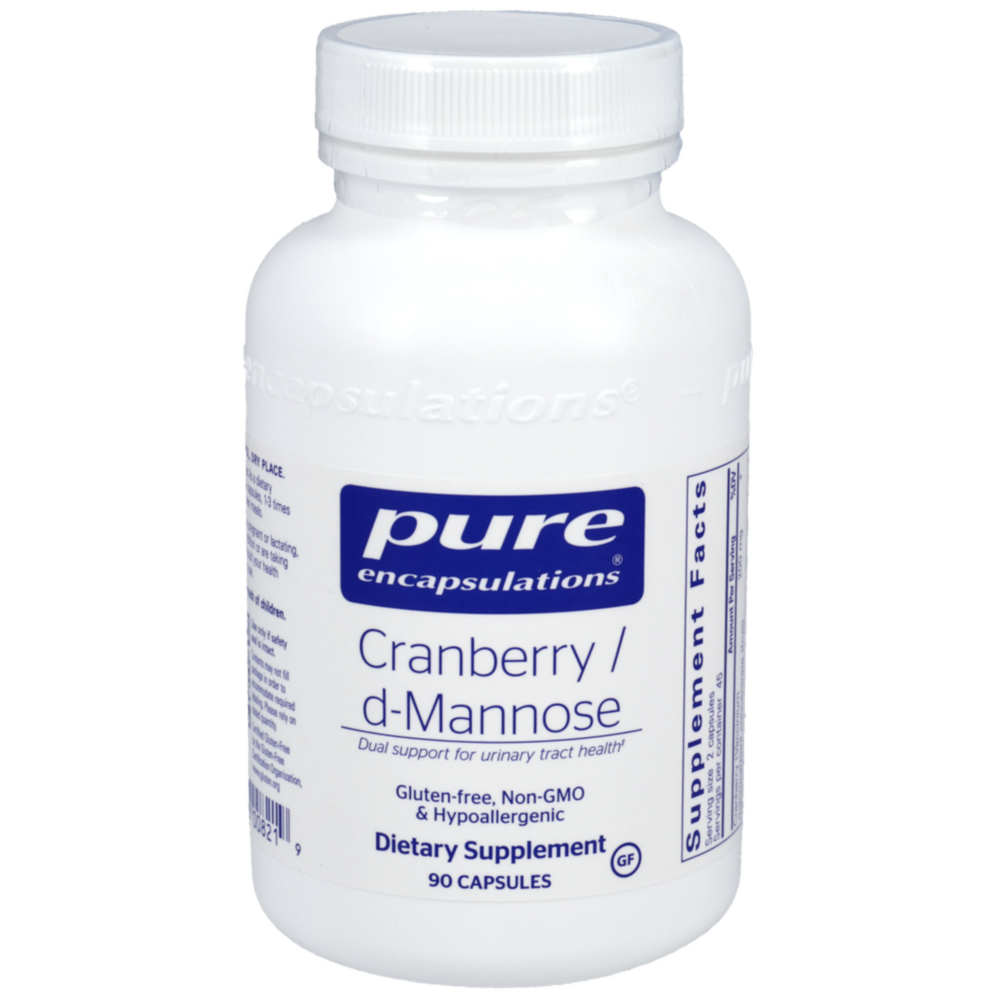
Cranberry/D-Mannose
Pure Encapsulations
90 capsules
$59.00$46.99 with Subscribe & Save
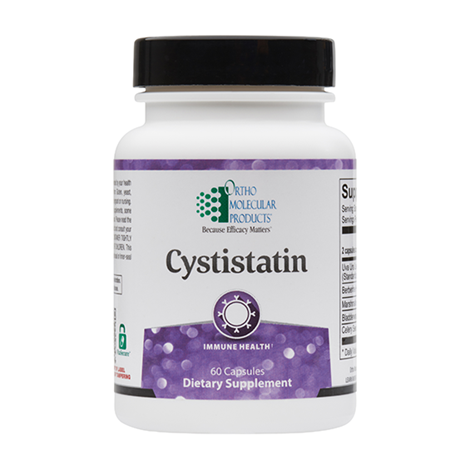
Cystistatin
Ortho Molecular Products
60 capsules
$69.21$62.35 with Subscribe & Save
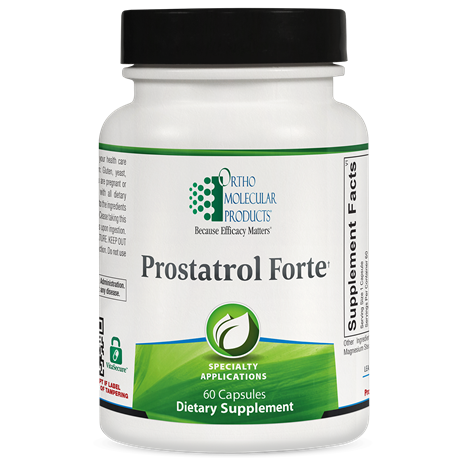
Prostatrol Forte
Ortho Molecular Products
60 capsules
$69.21$62.35 with Subscribe & Save
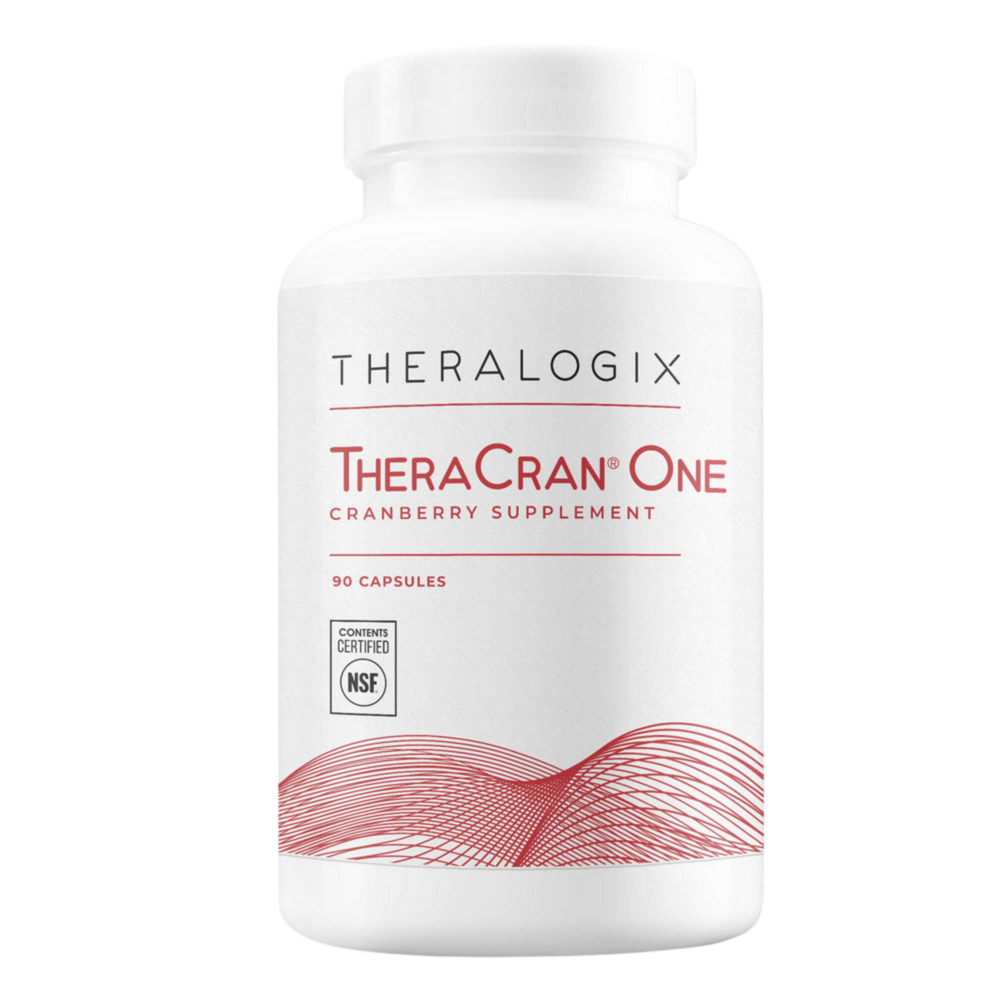
TheraCran One
Theralogix
90 capsules
$95.99$76.99 with Subscribe & Save