 Instalab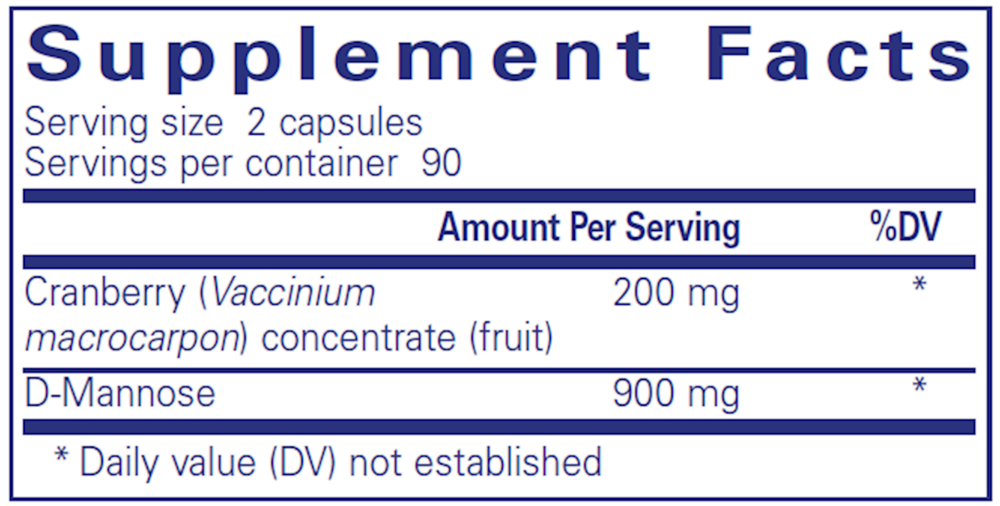


Pure Encapsulations
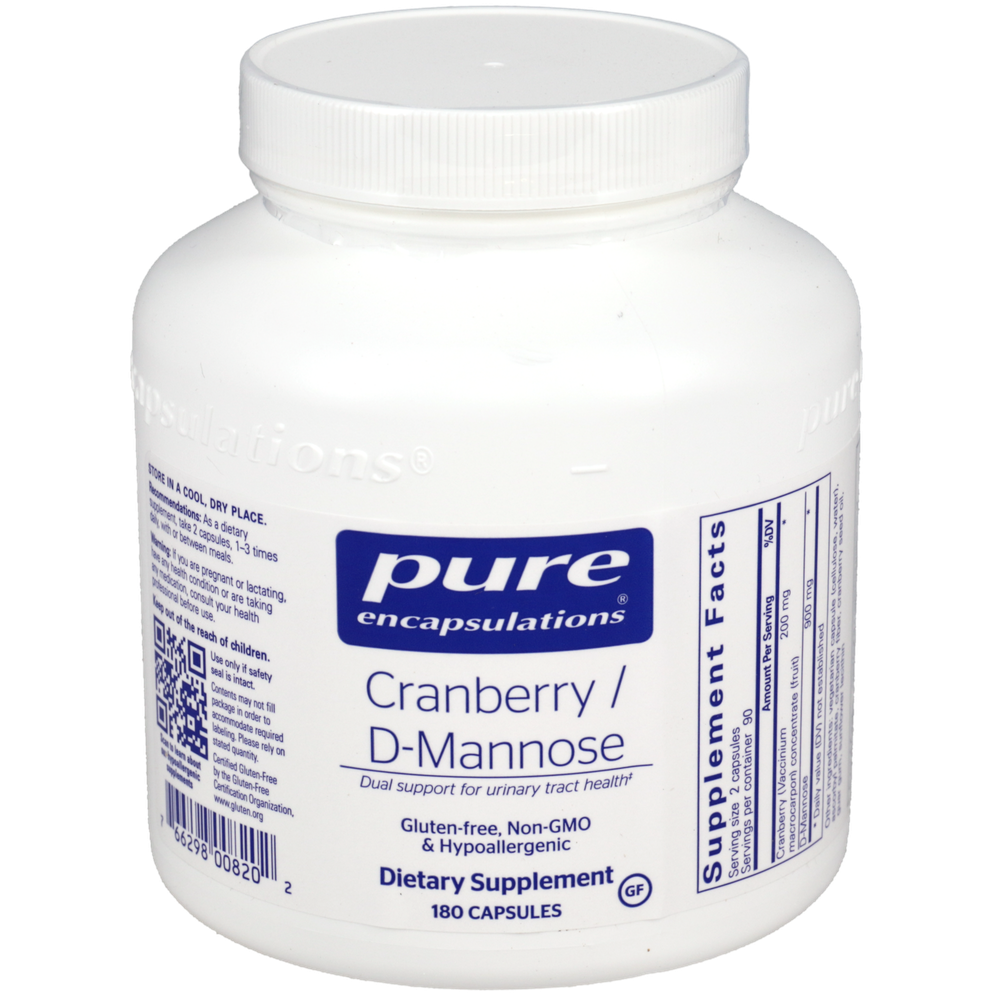
Cranberry/D-Mannose by Pure Encapsulations
180 capsules · 180-day supply
Support for Urinary Health and Immune Function with Cranberry and D-Mannose$108.00
Purchase options
Practitioner-grade brand3rd-party testedFree shipping $50+
Vegan·Vegetarian·Gluten Free·Egg Free·Artificial Preservative Free·Peanut Free·
Pure Encapsulations Cranberry/D-Mannose overview
If you deal with recurrent urinary tract infections, D-mannose with cranberry is a practical, antibiotic-sparing prevention strategy. It’s a fit for premenopausal and postmenopausal women with repeated episodes, for those who notice UTIs after sex, and for people who can’t tolerate long antibiotic courses. Use this for prevention, not for treating a febrile or painful infection. If you’re unsure whether symptoms are from a UTI, get a Urinalysis and, when possible, a Urine Culture to confirm the organism.
D-mannose is a simple sugar that coats certain E. coli “hooks” on the bladder wall, so bacteria get flushed out with urine instead of sticking. Cranberry extract adds proanthocyanidins (plant compounds that further reduce bacterial sticking) and a mild urine-acidifying effect. This combo changes the bladder surface rather than killing bacteria, which is why it helps reduce recurrences without disrupting your gut microbiome. In responders, fewer symptomatic episodes typically show up over 4 to 12 weeks.
Take 2–6 capsules daily, split morning and evening, with or between meals. Most clinical protocols use about 2 grams of D-mannose per day; each capsule here provides 450 mg, so 4–6 capsules gets you into that range. For sex-associated UTIs, take 2–3 capsules within an hour after intercourse. Stay well hydrated. If you’re using this alongside an antibiotic for an active infection, you can continue it during and after the course.
Warfarin users should check with their clinician, as cranberry has case reports of raising INR (the blood-thinning level). If you form calcium oxalate kidney stones, large cranberry intakes can raise urinary oxalate, so this may not be your best option. Pregnancy and breastfeeding: discuss with your OB first. Red flags like fever, flank pain, nausea, or blood in urine warrant prompt medical care; don’t self-treat those with D-mannose or cranberry alone.
Frequently asked questions
Does D-mannose treat an active UTI?
No. D-mannose and cranberry are best for prevention or for mild, very early symptoms while you seek testing. With fever, back pain, or worsening symptoms, you need medical care and likely an antibiotic.
How long does D-mannose take to work for prevention?
People who respond usually see fewer symptomatic episodes within 4–12 weeks. Keep taking it consistently, and track episodes alongside urinalysis or urine culture results when available.
What dose of D-mannose should I take daily?
Most studies use about 2 grams per day for prevention. This formula provides 450 mg per capsule, so 4–6 capsules daily gets you close to clinical dosing. Split the total into two or three doses.
Can I take D-mannose and cranberry with antibiotics?
Yes. They work by blocking bacterial adhesion, not by killing bacteria, so they don’t interfere with antibiotic action. Do not delay antibiotics if you have classic UTI symptoms with fever or flank pain.
Is D-mannose safe if I have diabetes?
D-mannose is poorly metabolized and has minimal effect on blood sugar for most people, but higher doses are still a sugar load. Monitor your glucose the first few days and discuss with your clinician if uncertain.
Is cranberry juice as good as capsules?
Capsules standardize proanthocyanidins without the sugar load of juice. Most juices contain added sugar and variable active compounds. For prevention, standardized extracts are more predictable than juice.
What side effects should I expect?
Most tolerate it well. At higher doses, D-mannose can cause bloating or loose stools. Cranberry can aggravate heartburn in some. Stop and seek care if you develop rash, severe pain, or persistent symptoms.
How to take it & ingredients
Suggested use: Take 2-6 capsules daily, in divided doses, with or between meals.
Active ingredients
1 capsule per serving · 180 servings
Cranberry Extract
Vaccinium macrocarpon (fruit)
Vaccinium macrocarpon (fruit)
100 mg
D-Mannose
450 mg
Other ingredients: Cranberry Fiber, Cranberry Seed Oil, Guar Gum, Sunflower Lecithin, Ascorbyl Palmitate, Vegetarian Capsule (Cellulose, Water)
Certifications
Benefits
Warnings
Customers also considered
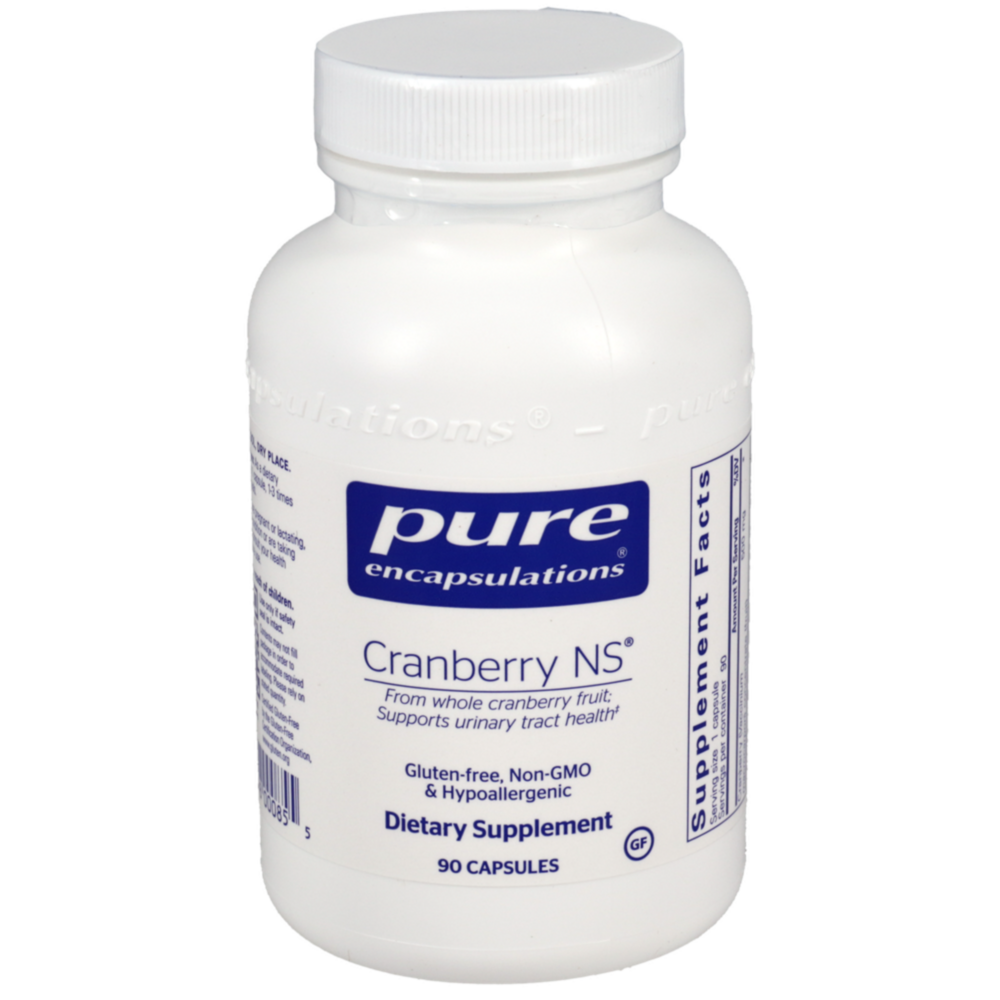
Cranberry NS
Pure Encapsulations
90 capsules
$41.50$32.99 with Subscribe & Save
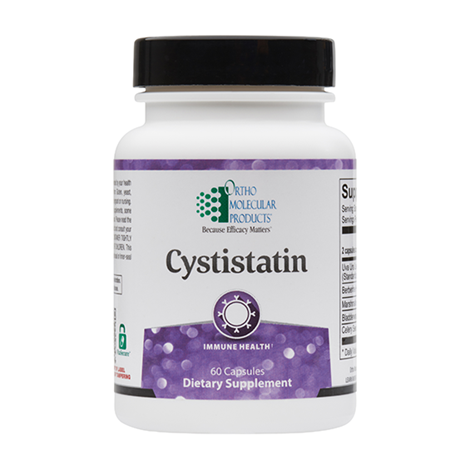
Cystistatin
Ortho Molecular Products
60 capsules
$69.21$62.35 with Subscribe & Save
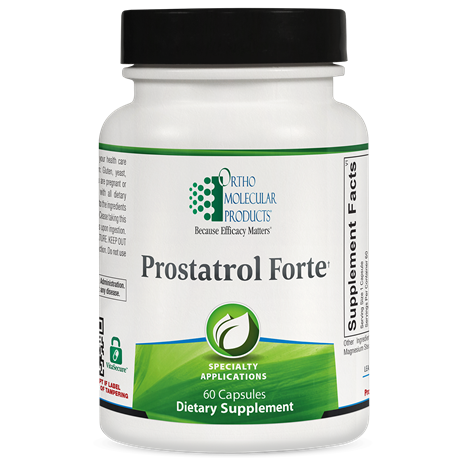
Prostatrol Forte
Ortho Molecular Products
60 capsules
$69.21$62.35 with Subscribe & Save
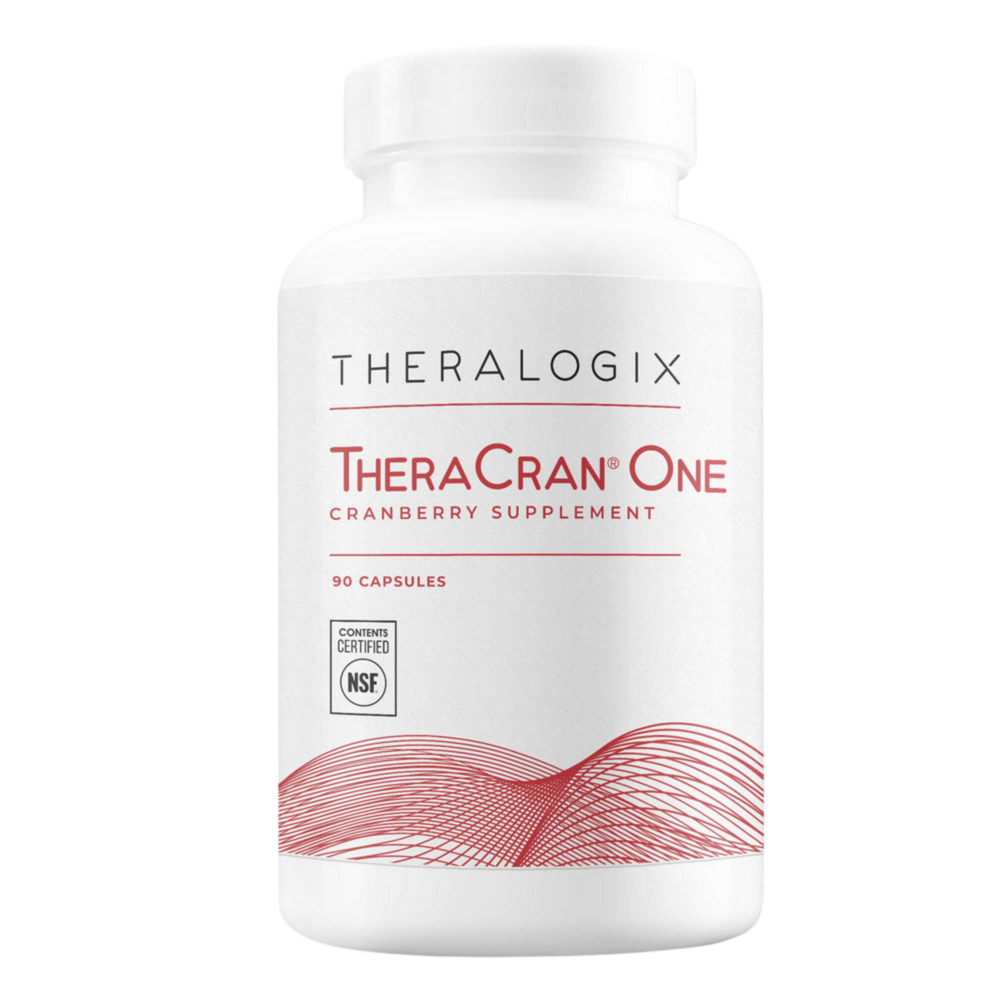
TheraCran One
Theralogix
90 capsules
$95.99$76.99 with Subscribe & Save