 Instalab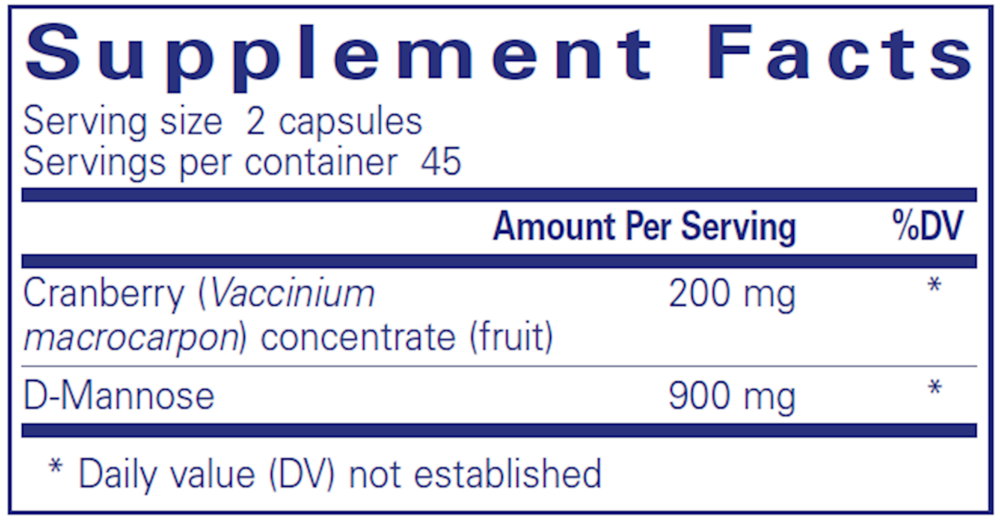


Pure Encapsulations
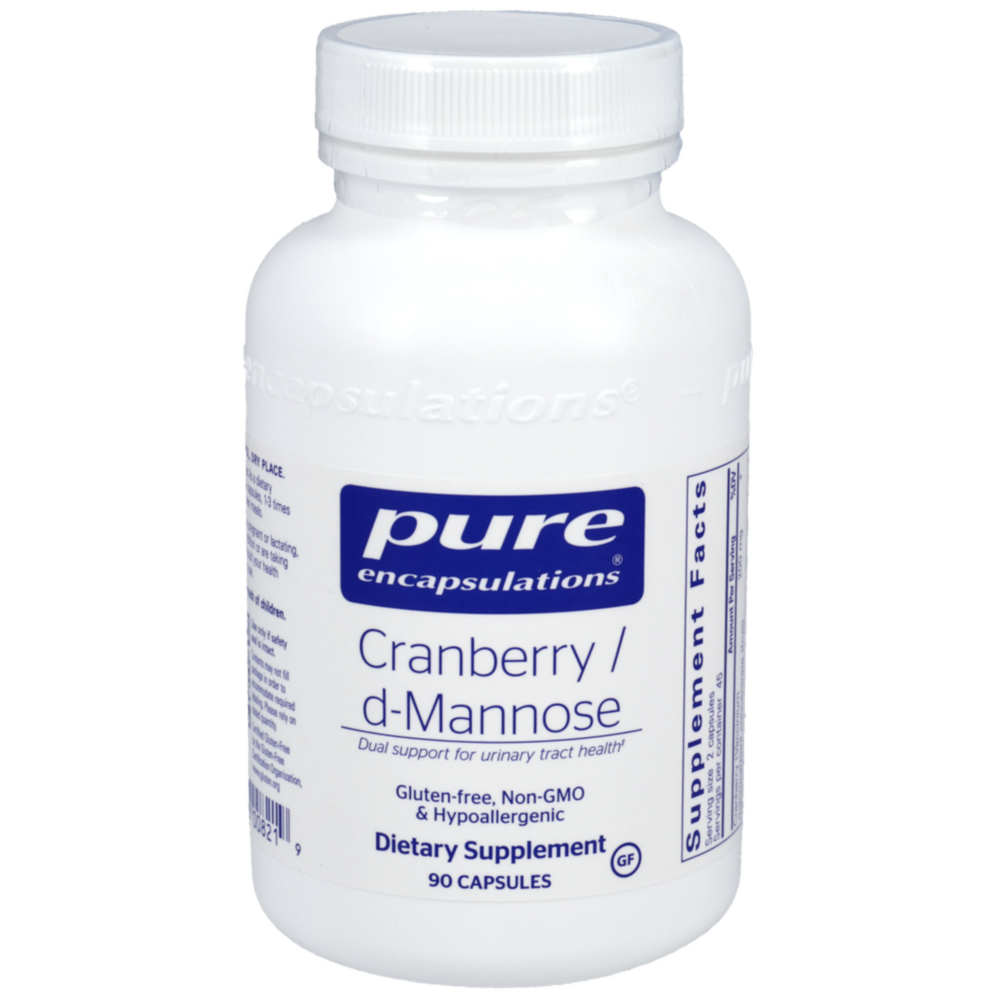
Cranberry/D-Mannose by Pure Encapsulations
90 capsules · 90-day supply
Support for Urinary Health and Comfort with Cranberry & D-Mannose$59.00
Purchase options
Practitioner-grade brand3rd-party testedFree shipping $50+
Vegan·Vegetarian·Gluten Free·Egg Free·Artificial Preservative Free·Peanut Free·
Pure Encapsulations Cranberry/D-Mannose overview
Women with recurrent uncomplicated urinary tract infections (UTIs) looking to reduce episodes between antibiotics are the best fit for D-mannose with cranberry. If your urine culture has previously grown E. coli, this combo is especially relevant. It’s also a reasonable trial for postmenopausal women not using vaginal estrogen and for those who prefer cranberry over juice. If you have fever, flank pain, are pregnant, or your urinalysis suggests a complicated infection, you need medical care first.
D-mannose is a simple sugar that is filtered into urine, where it latches onto E. coli’s fimbriae (the hooks bacteria use to stick to the bladder wall) so they flush out instead of attaching. Cranberry extract is rich in proanthocyanidins, which also make it harder for bacteria to adhere. Clinical evidence is mixed for D-mannose alone, but stronger for cranberry extracts in reducing recurrences. Together, they aim to lower how often infections start rather than treat an active one.
Take 2–6 capsules per day in divided doses, with or between meals. At that range you’re getting about 0.9–2.7 g of D-mannose and 200–600 mg of cranberry extract daily, which aligns with preventive dosing used in studies. Stay well hydrated to help the “anti‑adhesion” effect work. For an acute UTI, use antibiotics if prescribed; you can continue D-mannose alongside, but don’t delay treatment while waiting for a supplement to work.
Skip cranberry if you use warfarin, since case reports link it with higher bleeding risk. If you have a history of calcium oxalate kidney stones, avoid high cranberry intake because of oxalate. People with diabetes should monitor glucose the first week; D-mannose is mostly excreted in urine but can nudge sugars in some. Not ideal in pregnancy or for catheter-associated or complicated UTIs without clinician guidance. Common side effects are bloating or loose stools at higher doses.
Frequently asked questions
Does D-mannose actually help prevent UTIs?
It can for some, but evidence is mixed. Small trials suggested fewer recurrences, while a recent large primary care trial did not. Cranberry extracts have more consistent data for lowering recurrence risk in women with frequent UTIs.
How long does D-mannose take to work?
For prevention, think in months, not days. Most people judge benefit over 4–12 weeks by tracking UTI frequency. It is not a treatment for an active infection; start antibiotics promptly if you have symptoms plus fever or flank pain.
Can I take D-mannose with antibiotics?
Yes. They work differently, and taking D-mannose alongside prescribed antibiotics is reasonable. Do not use D-mannose to delay or replace antibiotics for a confirmed UTI, especially if you’re febrile or pregnant.
Will D-mannose raise my blood sugar?
It’s a sugar, but most is excreted in urine rather than metabolized. Even so, some people with diabetes notice small glucose changes. Check your readings when you start and discuss with your clinician if they rise.
Is cranberry safe with blood thinners like warfarin?
Be cautious with warfarin. Cranberry has been linked in case reports to higher INR and bleeding. If you use warfarin, avoid cranberry supplements and keep your care team informed about any herbal products.
What dose of D-mannose should I take daily?
This formula delivers about 0.9–2.7 g per day at the suggested 2–6 capsules. Preventive studies commonly use around 2 g daily. Higher intakes can cause bloating or diarrhea, so increase gradually and hydrate.
Is D-mannose safe in pregnancy?
There isn’t solid safety data in pregnancy, so avoid unless your obstetric clinician recommends it. UTIs in pregnancy should be tested and treated promptly with antibiotics that are known to be safe.
Do I still need a urine culture if I use D-mannose?
Yes, if you have UTI symptoms. A urine culture identifies the bacteria and guides antibiotics. Supplements are for prevention between episodes, not a substitute for diagnosing or treating an active infection.
How to take it & ingredients
Suggested use: Take 2-6 capsules daily, in divided doses, with or between meals.
Active ingredients
1 capsule per serving · 90 servings
Cranberry Extract
Vaccinium macrocarpon, fruit
Vaccinium macrocarpon, fruit
100 mg
D-Mannose
450 mg
Other ingredients: cranberry fiber, cranberry seed oil, guar gum, sunflower lecithin, ascorbyl palmitate, vegetarian capsule (cellulose, water)
Certifications
Benefits
Warnings
Customers also considered
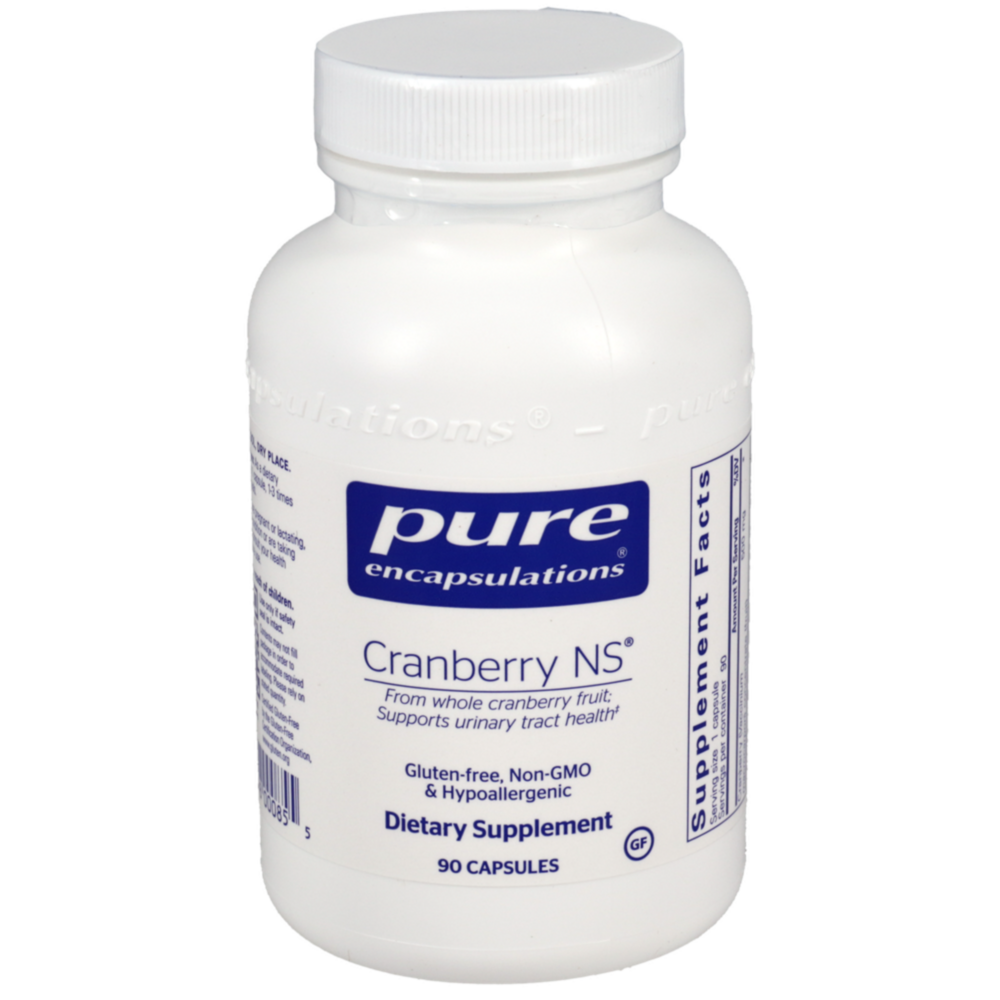
Cranberry NS
Pure Encapsulations
90 capsules
$41.50$32.99 with Subscribe & Save
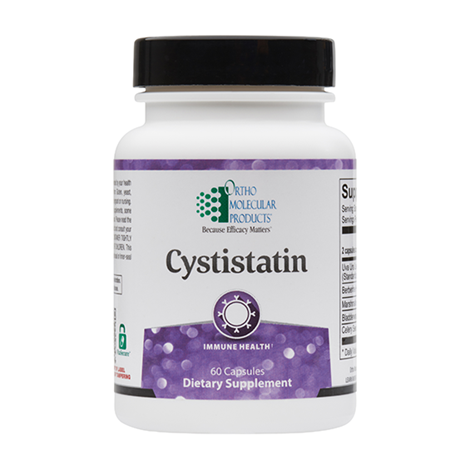
Cystistatin
Ortho Molecular Products
60 capsules
$69.21$62.35 with Subscribe & Save
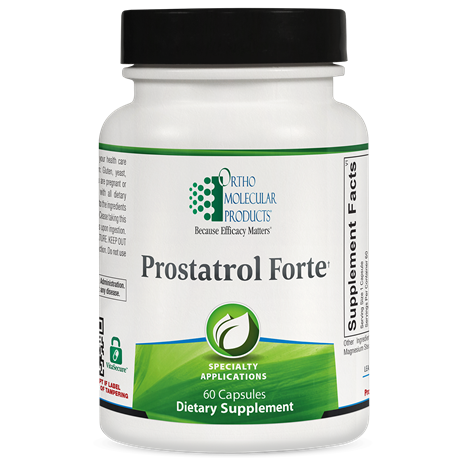
Prostatrol Forte
Ortho Molecular Products
60 capsules
$69.21$62.35 with Subscribe & Save

TheraCran One
Theralogix
90 capsules
$95.99$76.99 with Subscribe & Save