 Instalab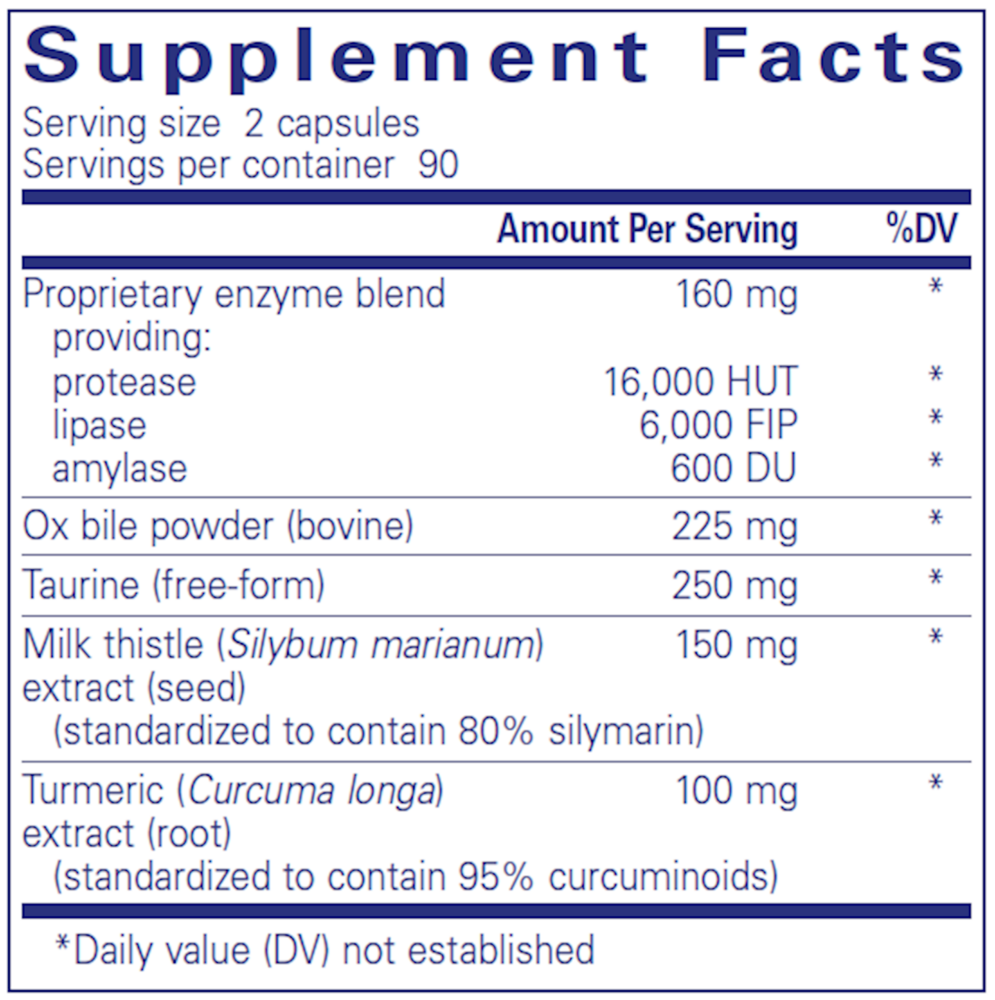
Pure Encapsulations
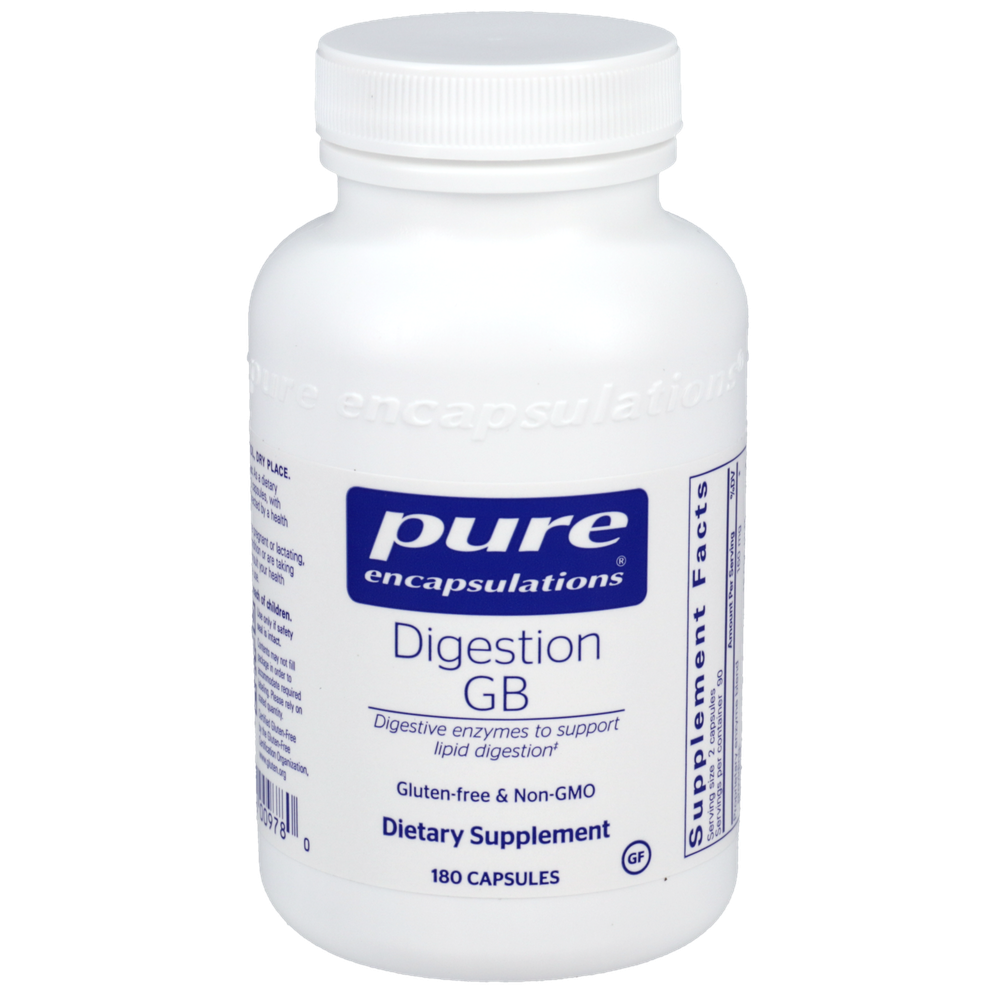
Digestion GB by Pure Encapsulations
180 capsules · 90-day supply
Comprehensive Support for Digestive Health and Liver Function$69.50
Purchase options
Practitioner-grade brand3rd-party testedFree shipping $50+
Gluten Free·Egg Free·Artificial Preservative Free·Peanut Free·Wheat Free·Artificial Sweetener Free·
Pure Encapsulations Digestion GB overview
If fatty meals leave you bloated or running to the bathroom, this mix of digestive enzymes with ox bile is built for you. It is a practical ox bile supplement after gallbladder removal, and it also fits people with low bile flow who notice pale, greasy stools or floating stools after eating fat. If your Comprehensive Metabolic Panel shows liver enzymes like ALT or AST are normal but high-fat meals still bother you, targeted enzymes often help within the first few meals.
Ox bile supplies bile acids (detergent-like molecules that emulsify dietary fat into tiny droplets your gut can absorb). A boosted lipase content (the main fat-digesting enzyme) then breaks those droplets into absorbable pieces, which eases post-meal fullness and oily stools. Taurine supports bile acid conjugation (the form that flows and works better). Milk thistle extract, rich in silymarin, helps liver cells make and move bile. Turmeric extract adds mild anti-inflammatory effects and can promote bile flow; at this dose, any hs-CRP changes (an inflammation marker) are expected to be modest.
Take 2 capsules with the first bites of each meal, as Pure Encapsulations directs. If only fatty meals trigger symptoms, reserve it for those. Many notice less bloating and better-formed stools within 1 to 7 days. Not a substitute for prescription pancrelipase if you have true pancreatic insufficiency; if your fecal elastase is low, work with your clinician.
Skip this during acute gallbladder attacks or known bile duct obstruction, and avoid if you have active pancreatitis. Use caution if you form calcium oxalate kidney stones and plan high-dose turmeric elsewhere. Turmeric can interact with blood thinners like warfarin or apixaban; discuss first. Bile acids can worsen diarrhea if you already have bile acid malabsorption; in that case, bile binders like cholestyramine are the usual route.
Frequently asked questions
Do digestive enzymes help after gallbladder removal?
Yes. Without a gallbladder, bile drips continuously and fat digestion can be uneven. Ox bile plus lipase often smooths fat absorption and reduces greasy stools or urgency, typically within the first few meals. Use with meals that contain fat.
When should I take ox bile digestive enzymes?
Take them with the first bites of a meal, not on an empty stomach. That timing places bile acids and enzymes in the small intestine when food arrives, improving fat emulsification and digestion. If only dinner is fatty, you can use it just then.
How long until I feel a difference?
Most people notice less bloating and better stool form within 1–7 days. If nothing changes after two weeks of taking it with fatty meals, reassess diet, dose, and other causes like lactose intolerance, celiac disease, or low pancreatic output.
Can I take this with acid reducers like omeprazole?
Generally yes. Low stomach acid can slow protein and mineral absorption, but bile acids and lipase work in the small intestine. If you rely on a proton pump inhibitor long-term and still have symptoms, consider checking stool fat or fecal elastase.
Does turmeric in this formula thin your blood?
Turmeric can increase bleeding risk, especially with blood thinners like warfarin, apixaban, or clopidogrel. The dose here is modest, but the interaction still matters. If you use anticoagulants, get clinician clearance before starting.
Who should avoid ox bile supplements?
Avoid if you have acute gallbladder pain, known bile duct blockage, active pancreatitis, or unexplained jaundice. Bile acid diarrhea can worsen with ox bile; those patients usually need bile acid binders instead of more bile.
Are there side effects to watch for?
The most common are loose stools, cramping, or bitter reflux if taken without food. Reduce to fatty meals only, or lower the dose. Persistent diarrhea, pale stools, or right upper abdominal pain warrants medical evaluation.
Can I open the capsules?
You can, but bile is very bitter and can irritate the mouth. If you must, sprinkle onto the first few bites of food and swallow promptly. Do not inhale the powder. Taking intact capsules with food is usually easier.
How to take it & ingredients
Suggested use: Take 2 capsules with each meal, or as directed by a health professional.
Active ingredients
2 capsules per serving · 90 servings
▼
Proprietary Enzyme Blend
160 mg
Protease
16000 HUT
Lipase
6000 FIP
Amylase
600 DU
Ox Bile Powder
Bovine
Bovine
225 mg
Taurine
Free-form
Free-form
250 mg
Milk Thistle Extract
Silybum marianum (seed), standardized to contain 80% silymarin
Silybum marianum (seed), standardized to contain 80% silymarin
150 mg
Turmeric Extract
Curcuma longa (root), standardized to contain 95% curcuminoids
Curcuma longa (root), standardized to contain 95% curcuminoids
100 mg
Other ingredients: Vegetarian Capsule (Cellulose, Water), Hypoallergenic Plant Fiber (Cellulose), Ascorbyl Palmitate
Certifications
Benefits
Warnings
Customers also considered
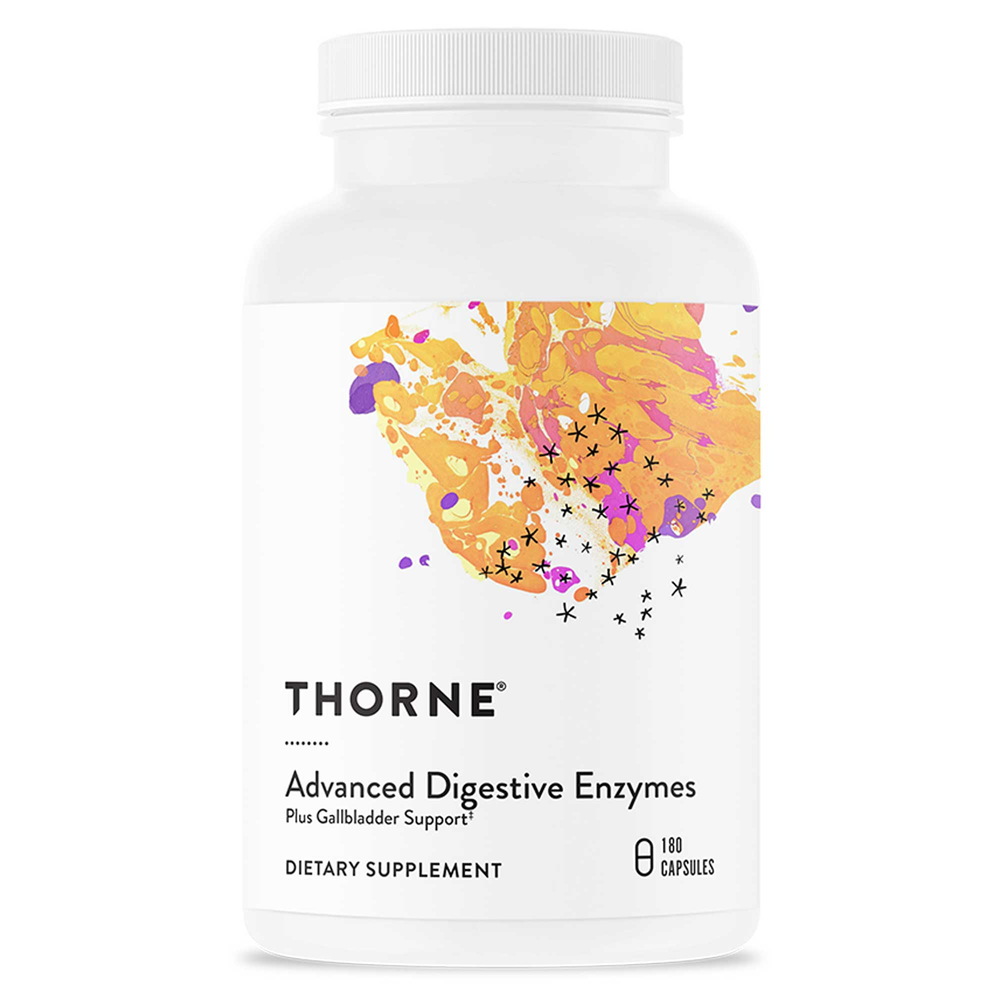
Advanced Digestive Enzymes
Thorne
180 capsules
$56.00$50.40 with Subscribe & Save
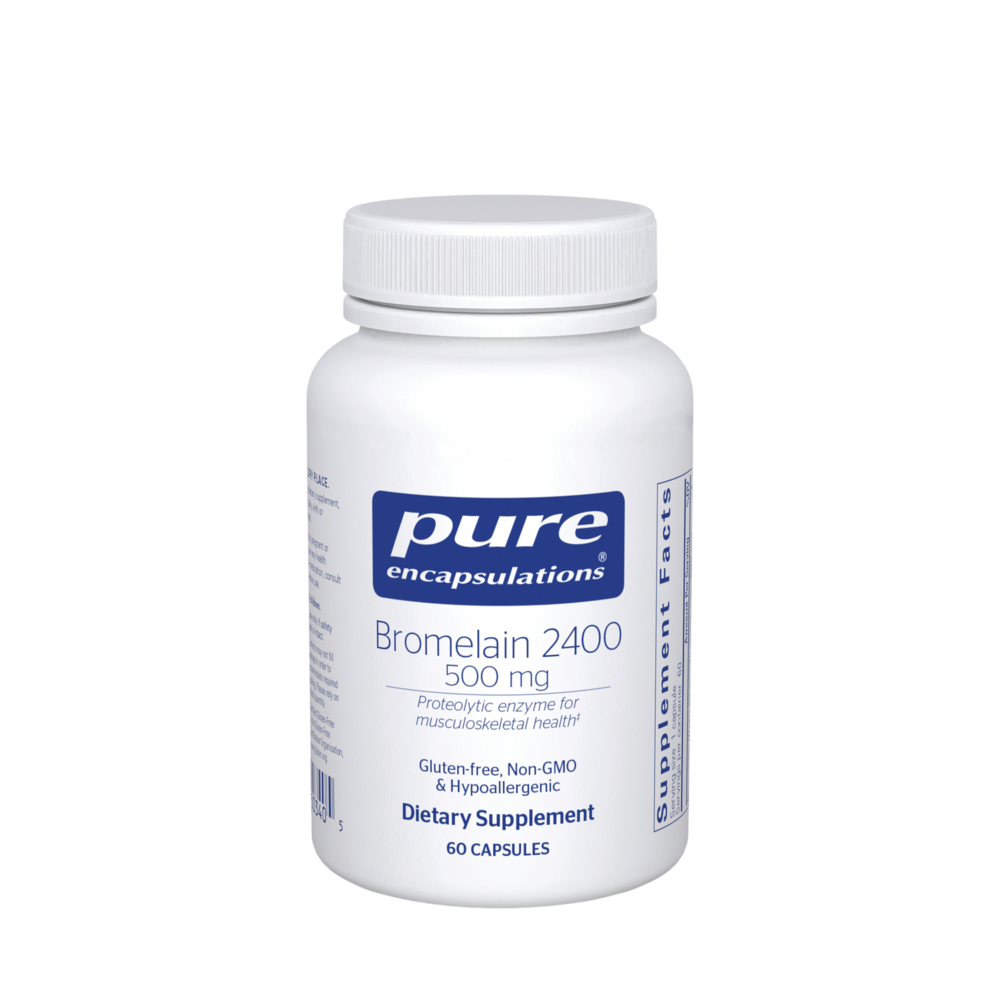
Bromelain 2400 500mg
Pure Encapsulations
60 capsules
$40.00$31.99 with Subscribe & Save
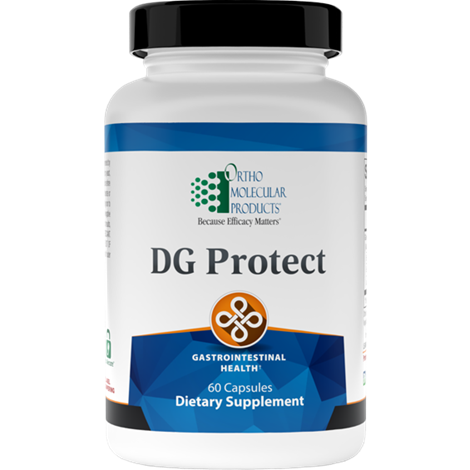
DG Protect
Ortho Molecular Products
60 capsules
$64.44$58.05 with Subscribe & Save
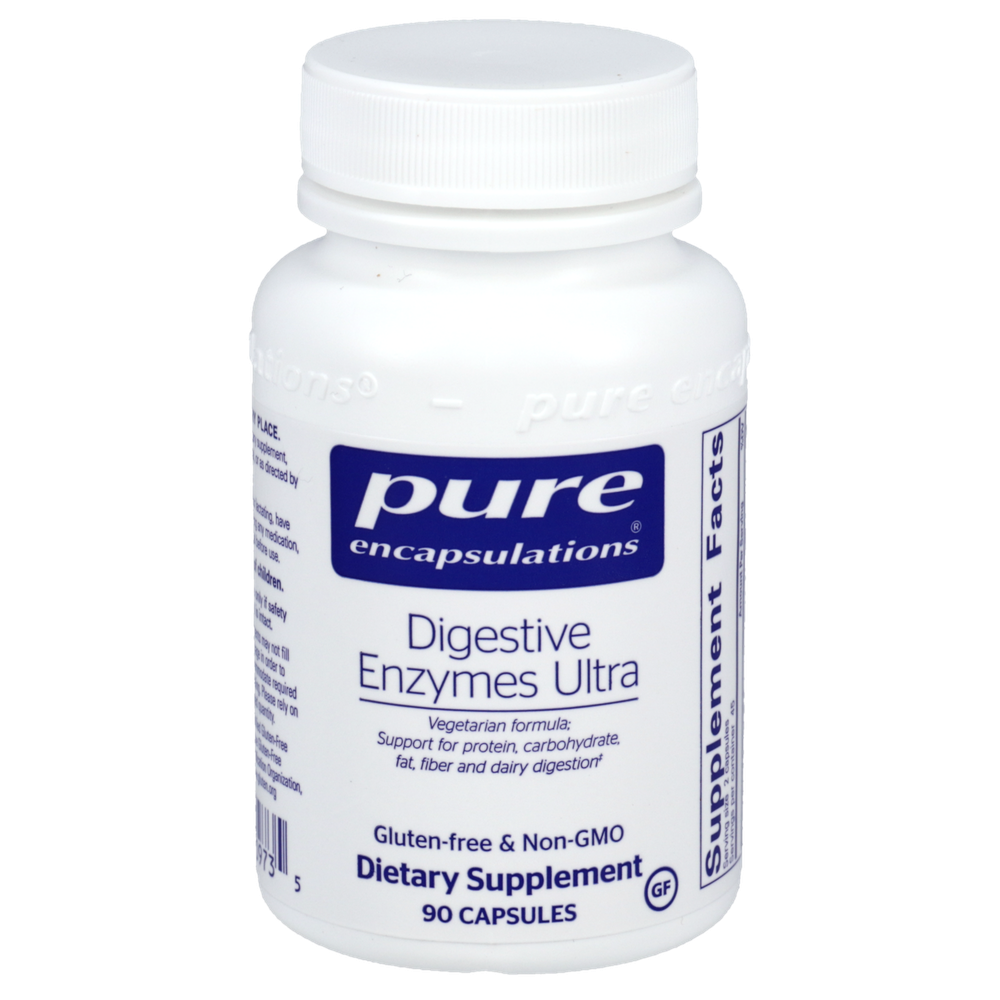
Digestive Enzymes Ultra
Pure Encapsulations
90 capsules
$38.00$29.99 with Subscribe & Save