 Instalab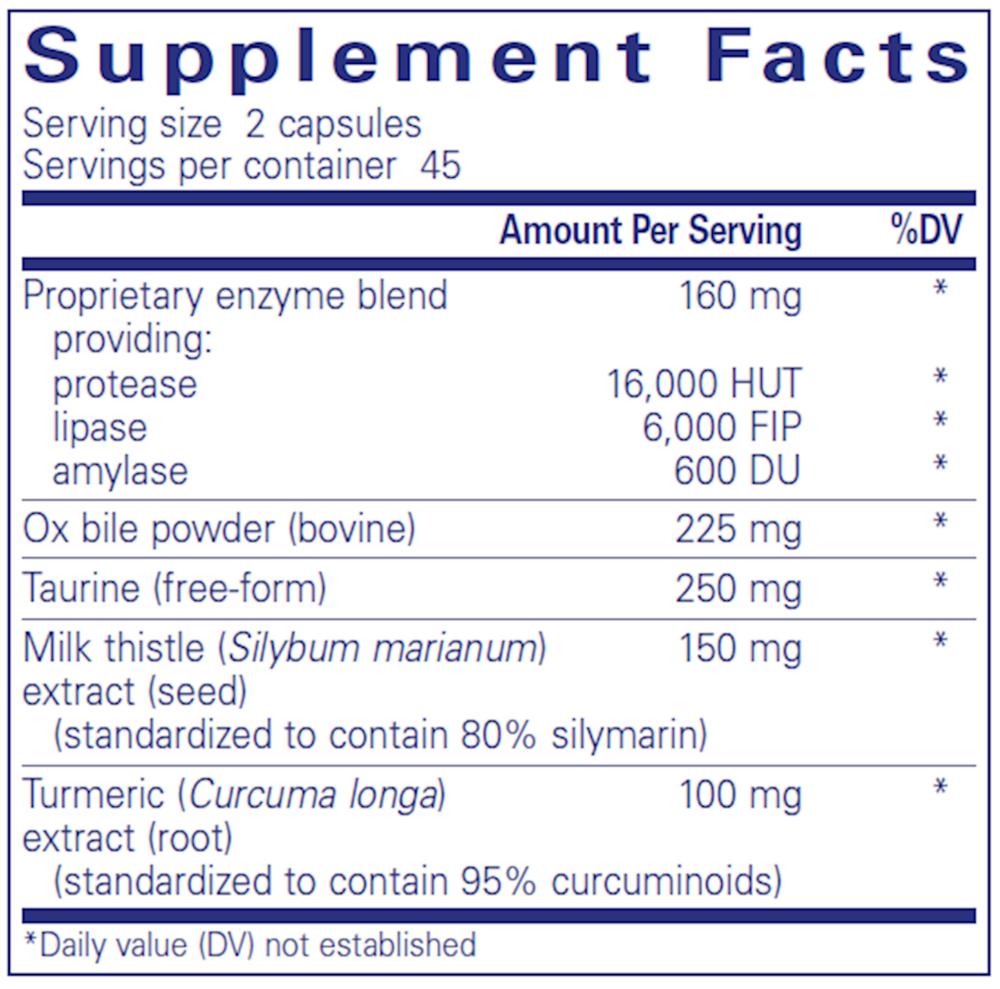
Pure Encapsulations
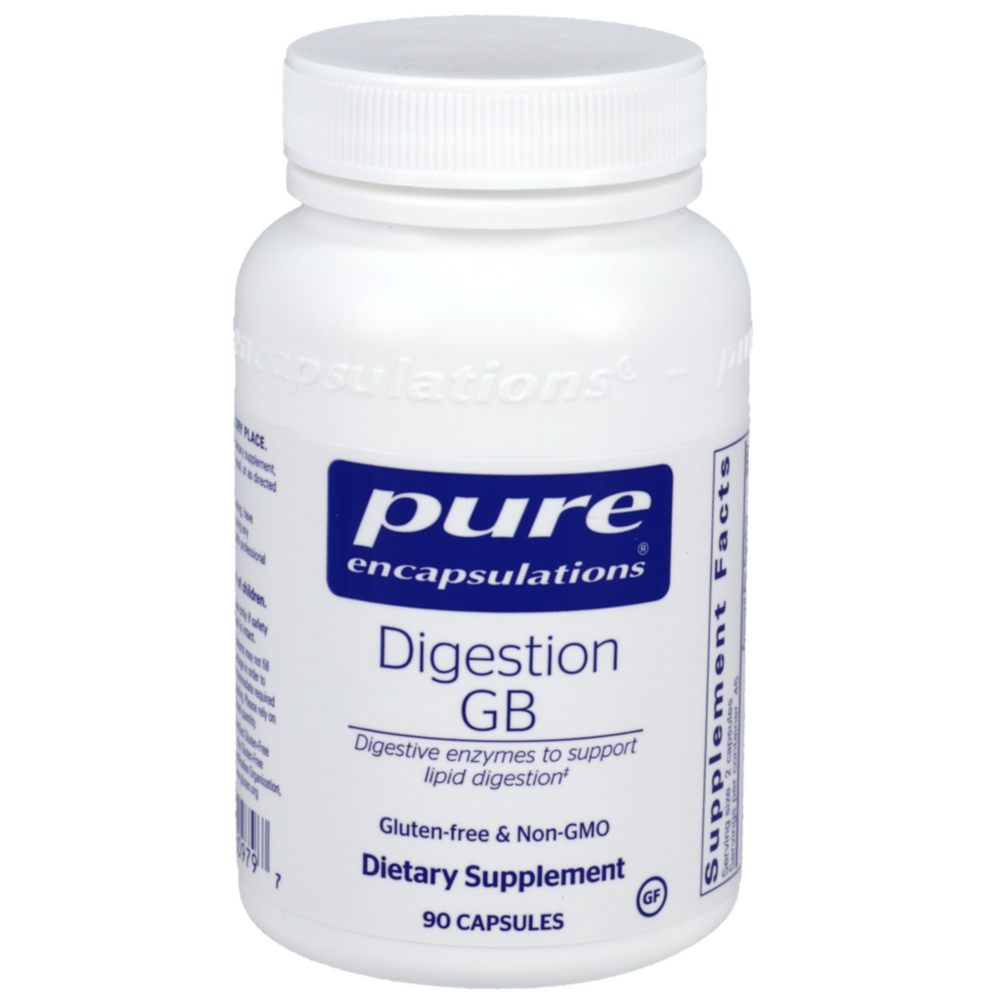
Digestion GB by Pure Encapsulations
90 capsules · 45-day supply
Comprehensive Support for Digestive Health and Liver Function$36.50
Purchase options
Practitioner-grade brand3rd-party testedFree shipping $50+
Gluten Free·Egg Free·Artificial Preservative Free·Peanut Free·Wheat Free·Artificial Sweetener Free·
Pure Encapsulations Digestion GB overview
If fatty meals leave you bloated, gassy, or seeing pale, floating, greasy stools, digestive enzymes with ox bile are a practical fix. They’re especially useful after gallbladder removal, during low-carb or higher-fat diets, and for people who do fine on lean meals but feel heavy after butter, cheese, or fried foods. If your liver tests (ALT, AST, GGT, bilirubin) are normal yet fat-heavy meals bother you, this is a reasonable trial. If you have established pancreatic insufficiency, prescription enzymes are usually required.
Ox bile supplies bile acids, the detergents that emulsify dietary fat so lipase (the fat-digesting enzyme) can reach it. The enzyme blend adds lipase for fats, proteases for protein, and amylases for starch, covering mixed meals. Taurine helps your liver conjugate bile acids (a step that improves their recycling). Milk thistle extract (silymarin) supports liver cell resilience and bile flow, while turmeric extract (curcuminoids) modestly calms bile-tract inflammation. Together, they improve fat handling and nutrient absorption, including vitamins A, D, E, and K.
Take 2 capsules with each meal, starting at your largest or fattiest meal. Many people feel lighter digestion with the first meal; bile-flow and liver support from the herbs build over 2 to 4 weeks. If you’re sensitive, start with 1 capsule and increase as needed. Skip with very low-fat snacks. Taking it on an empty stomach isn’t helpful and can cause nausea. If fat-soluble vitamins are part of your routine, take them with a meal when you use the enzymes.
Active gallstones, biliary colic, jaundice, dark urine, or new right‑upper abdominal pain need medical evaluation, not enzymes. Avoid with orlistat (it blocks fat absorption and works against this formula). Separate from bile acid binders like cholestyramine or colesevelam by at least 3 to 4 hours. Turmeric can interact with blood thinners (warfarin, clopidogrel) and high-dose NSAIDs. Pregnancy and breastfeeding: safety isn’t established—check with your clinician first.
Frequently asked questions
Will ox bile help after gallbladder removal?
Often yes. Without a gallbladder you still make bile, but you don’t release a big surge with meals. Supplemental bile acids plus lipase can smooth fat digestion and reduce post-meal bloating or urgency. Start with the largest meal and adjust based on symptoms.
How quickly do digestive enzymes work for bloating?
Enzyme effects are meal-to-meal, so many people notice less heaviness or gas with the first use. The herbal liver and bile support (milk thistle, turmeric) is slower and typically builds over 2–4 weeks of consistent use with meals.
Can I take this with orlistat for weight loss?
No. Orlistat blocks fat absorption; adding ox bile and extra lipase works against its mechanism and can worsen side effects. Do not combine unless your prescriber explicitly directs it.
Is this safe if I have gallstones?
Not during active symptoms. If you’ve had biliary pain, jaundice, fever, or pancreatitis, skip enzymes with bile and see a clinician. Even if asymptomatic, discuss any bile-stimulating product with your doctor first.
Any interactions with blood thinners like warfarin?
Caution is warranted. Turmeric (curcuminoids) can increase bleeding risk with warfarin or antiplatelets. If you’re on these drugs, avoid unless your prescriber is monitoring you. Report any unusual bruising or bleeding promptly.
What side effects should I watch for?
Most tolerate it well. Possible issues include loose stools, urgent bowel movements, or nausea if taken on an empty stomach. Reduce the dose, use only with higher-fat meals, or stop if symptoms persist.
Do I still need prescription pancreatic enzymes?
If you have true pancreatic insufficiency (for example, low fecal elastase-1 or chronic pancreatitis), prescription-strength pancrelipase is usually required. This supplement can’t replace those doses but may help milder, meal-related fat intolerance.
Can I open the capsules?
Yes, you can open them and mix with a small amount of food at the start of a meal. The taste can be bitter. Still take them with food—enzymes and bile work on the meal you’re eating.
How to take it & ingredients
Suggested use: Take 2 capsules with each meal, or as directed by a health professional.
Active ingredients
2 capsules per serving · 45 servings
▼
Proprietary Enzyme Blend
160 mg
Protease
16000 HUT
Lipase
6000 FIP
Amylase
600 DU
Ox Bile Powder
Bovine
Bovine
225 mg
Taurine
Free-form
Free-form
250 mg
Milk Thistle Extract
Silybum marianum (seed), standardized to contain 80% silymarin
Silybum marianum (seed), standardized to contain 80% silymarin
150 mg
Turmeric Extract
Curcuma longa (root), standardized to contain 95% curcuminoids
Curcuma longa (root), standardized to contain 95% curcuminoids
100 mg
Other ingredients: Vegetarian Capsule (Cellulose, Water), Hypoallergenic Plant Fiber (Cellulose), Ascorbyl Palmitate
Certifications
Benefits
Warnings
Customers also considered
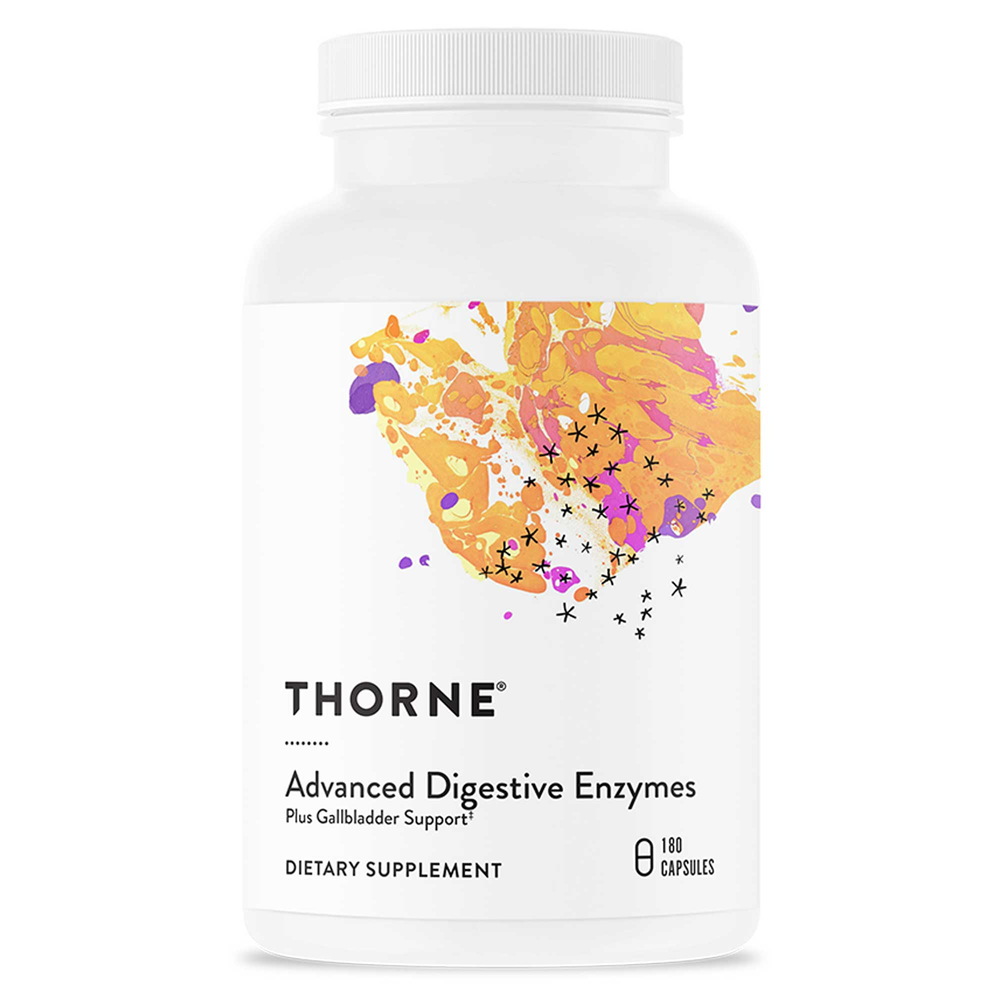
Advanced Digestive Enzymes
Thorne
180 capsules
$56.00$50.40 with Subscribe & Save
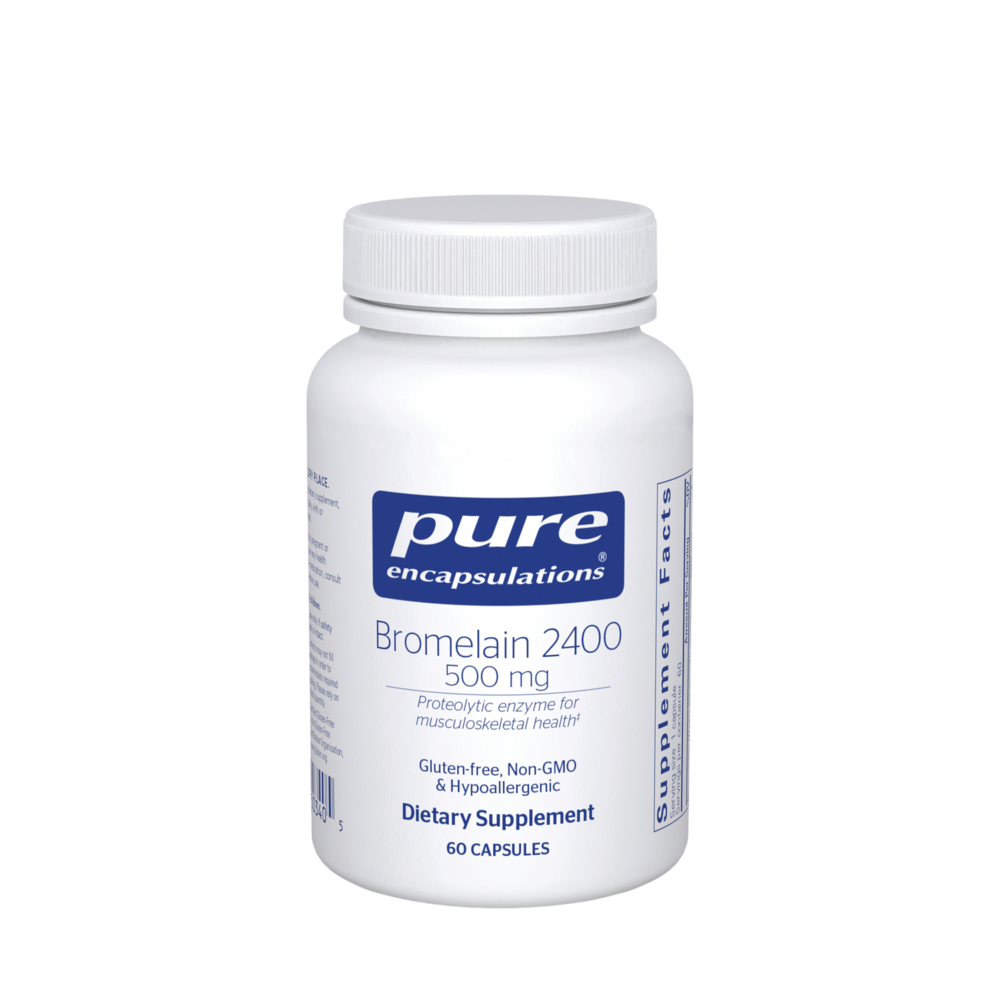
Bromelain 2400 500mg
Pure Encapsulations
60 capsules
$40.00$31.99 with Subscribe & Save
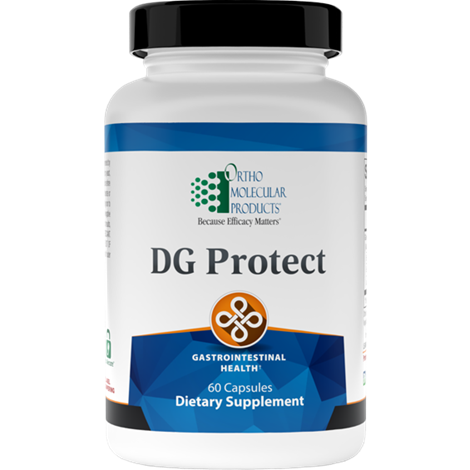
DG Protect
Ortho Molecular Products
60 capsules
$64.44$58.05 with Subscribe & Save
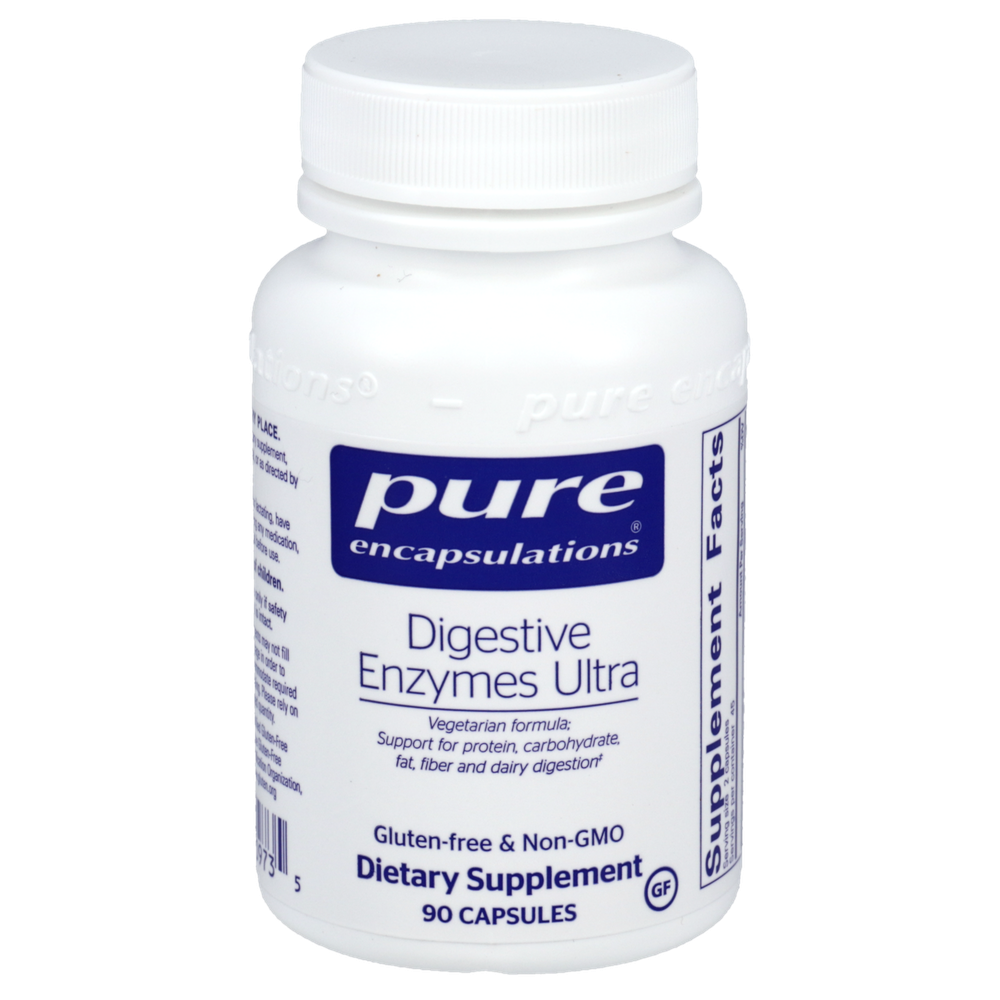
Digestive Enzymes Ultra
Pure Encapsulations
90 capsules
$38.00$29.99 with Subscribe & Save