 Instalab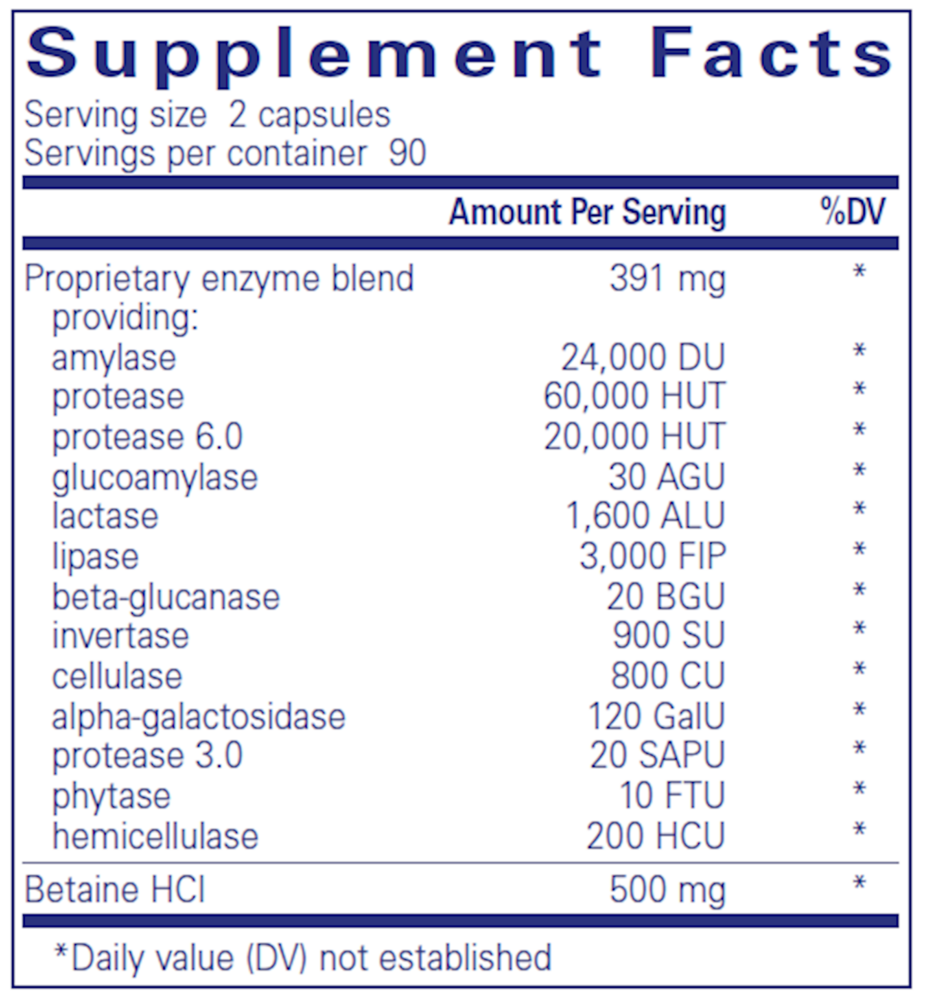
Pure Encapsulations
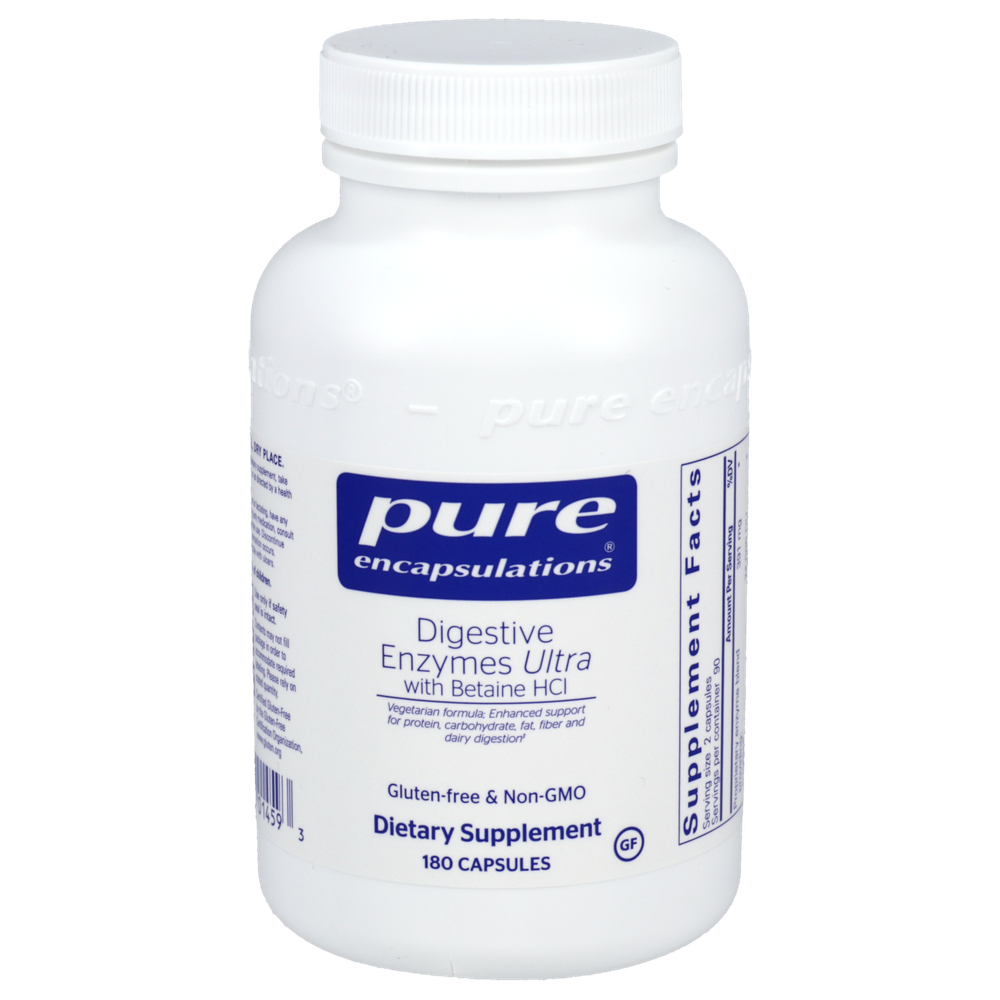
Digestive Enzymes Ultra w/ Betaine by Pure Encapsulations
180 capsules · 90-day supply
Comprehensive Digestive Support for Optimal Nutrient Absorption$71.50
Purchase options
Practitioner-grade brand3rd-party testedFree shipping $50+
Vegetarian·Gluten Free·Egg Free·Artificial Preservative Free·Peanut Free·Wheat Free·
Pure Encapsulations Digestive Enzymes Ultra w/ Betaine overview
If you feel heavy, gassy, or bloated after meals, digestive enzymes with betaine HCl can help by improving breakdown of protein, fat, carbs, and dairy right where digestion starts. They’re a practical fit for adults who notice larger or high‑protein meals sit poorly, for older adults with lower stomach acid, and for those with low Omega-3 seafood intake who rely on fattier cuts of meat. If your stool elastase (a pancreatic function test) is very low or you’ve had pancreatic surgery, you likely need prescription pancrelipase instead of an over‑the‑counter blend.
This blend supplies proteases for protein, lipase for fat, amylases for starch, lactase for dairy sugar, and fiber‑targeting enzymes like cellulase and alpha‑galactosidase. Breaking food into smaller pieces reduces fermentation in the colon, the process that drives gas and post‑meal pressure. Betaine HCl increases stomach acidity, which activates pepsin (your protein‑cleaving enzyme) and better signals the pancreas and gallbladder to release their own enzymes and bile. The net effect is smoother digestion and, in many people, less visible bloating within the first few meals.
Take two capsules with the first bites of each meal; avoid taking on an empty stomach. If you’re sensitive, start with one capsule and increase over a few days. Enzyme effects are meal‑by‑meal, so consistency matters. If you use acid‑suppressing drugs like omeprazole or famotidine, the betaine HCl portion will be blunted; discuss with your clinician. Not a weight‑loss tool, and not a replacement for careful eating if lactose or high‑FODMAP foods trigger symptoms.
Skip this if you have active gastritis or a history of stomach or duodenal ulcers, uncontrolled reflux, Barrett’s esophagus, or you regularly take NSAIDs or steroids that irritate the stomach. Post‑bariatric surgery and inflammatory bowel disease warrant clinician guidance. Orlistat already blocks fat digestion, so adding lipase will not bypass its effect and may worsen GI side effects. Celiac disease is not an enzyme problem; enzymes do not make gluten safe. If B12 or Methylmalonic Acid suggest deficiency, investigate low stomach acid rather than self‑treating indefinitely.
Frequently asked questions
How fast do digestive enzymes work for bloating?
Often within the first few meals. Enzymes act on the food you eat right then, so benefit is meal‑by‑meal. If nothing changes after 1–2 weeks of consistent use, reassess the fit.
Can I take digestive enzymes with GERD or heartburn?
Use caution or avoid. Betaine HCl can worsen reflux and esophageal irritation. If reflux is controlled and you want enzymes, consider a formula without added HCl and discuss with your clinician.
Do digestive enzymes help lactose intolerance?
Yes if the formula includes lactase, the enzyme that breaks down milk sugar. Many people notice less gas and urgency with dairy when taken at the first bite of a dairy‑containing meal.
Can I open the capsules and sprinkle on food?
Do not open this one. The betaine HCl is acidic and can irritate the mouth or throat. Swallow capsules with food and water as directed.
Are digestive enzymes safe to take long term?
Generally, yes for adults who benefit, but revisit the need every few months. Persistent symptoms deserve evaluation for causes like celiac disease, SIBO, or pancreatic issues.
Can I take digestive enzymes with probiotics?
Yes. Enzymes act in the meal to break down food, while probiotics change the mix of bacteria over time. Many people use both without issue.
When do I need prescription pancreatic enzymes instead?
If your stool elastase is low, you have cystic fibrosis, chronic pancreatitis, or post‑pancreatic surgery malabsorption, prescription pancrelipase is the standard. Over‑the‑counter blends are not strong enough.
Do digestive enzymes interact with medications?
They can reduce the effect of acarbose (a glucose-control medication that slows carb breakdown). Orlistat blocks fat digestion regardless of added lipase. Separate from thyroid meds by several hours.
How to take it & ingredients
Suggested use: Take 2 capsules with each meal, or as directed by a health professional.
Active ingredients
2 capsules per serving · 90 servings
▼
Proprietary Enzyme Blend
391 mg
Amylase
24000 DU
Protease
60000 HUT
Protease 6.0
20000 HUT
Glucoamylase
30 AGU
Lactase
1600 ALU
Lipase
3000 FIP
Beta-Glucanase
20 BGU
Invertase
900 SU
Cellulase
800 CU
Alpha-Galactosidase
120 GalU
Protease 3.0
20 SAPU
Phytase
10 FTU
Hemicellulase
200 HCU
Betaine HCl
500 mg
Other ingredients: Vegetarian Capsule (Cellulose, Water), Hypoallergenic Plant Fiber (Cellulose)
Certifications
Benefits
Warnings
Customers also considered
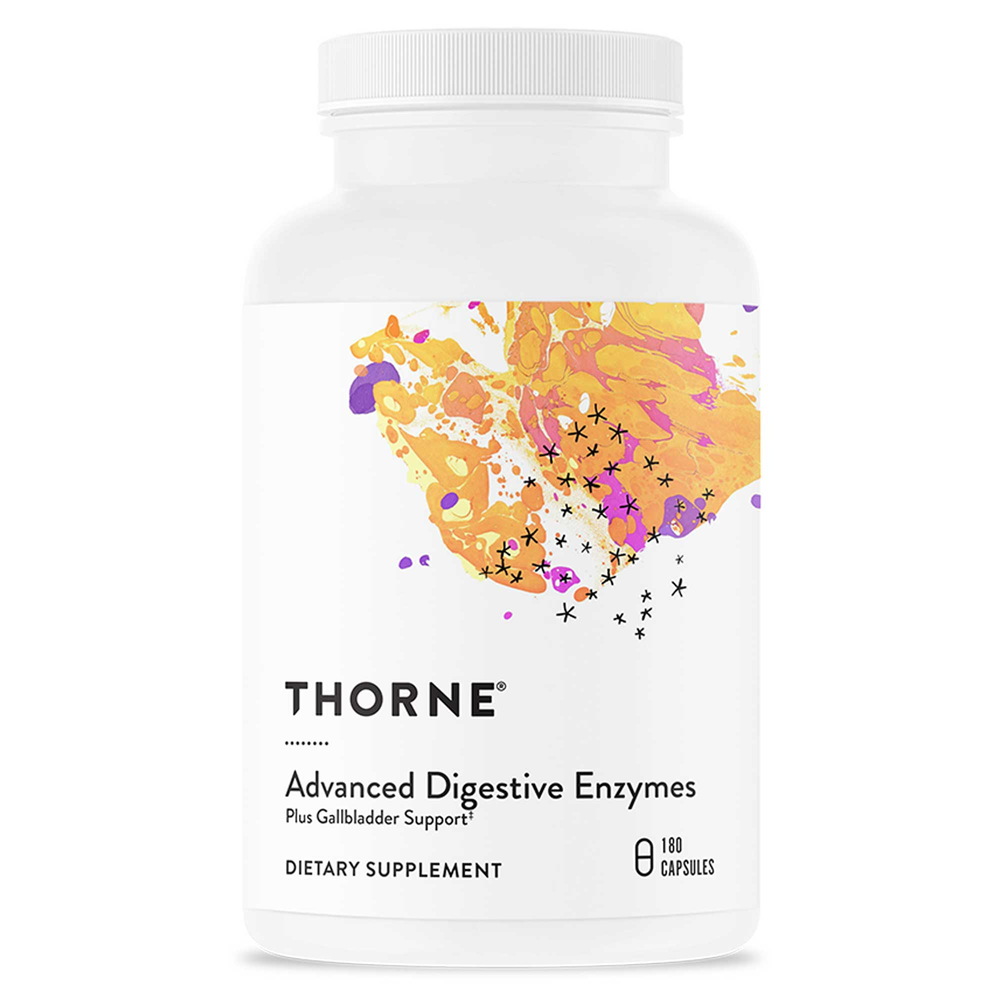
Advanced Digestive Enzymes
Thorne
180 capsules
$56.00$50.40 with Subscribe & Save
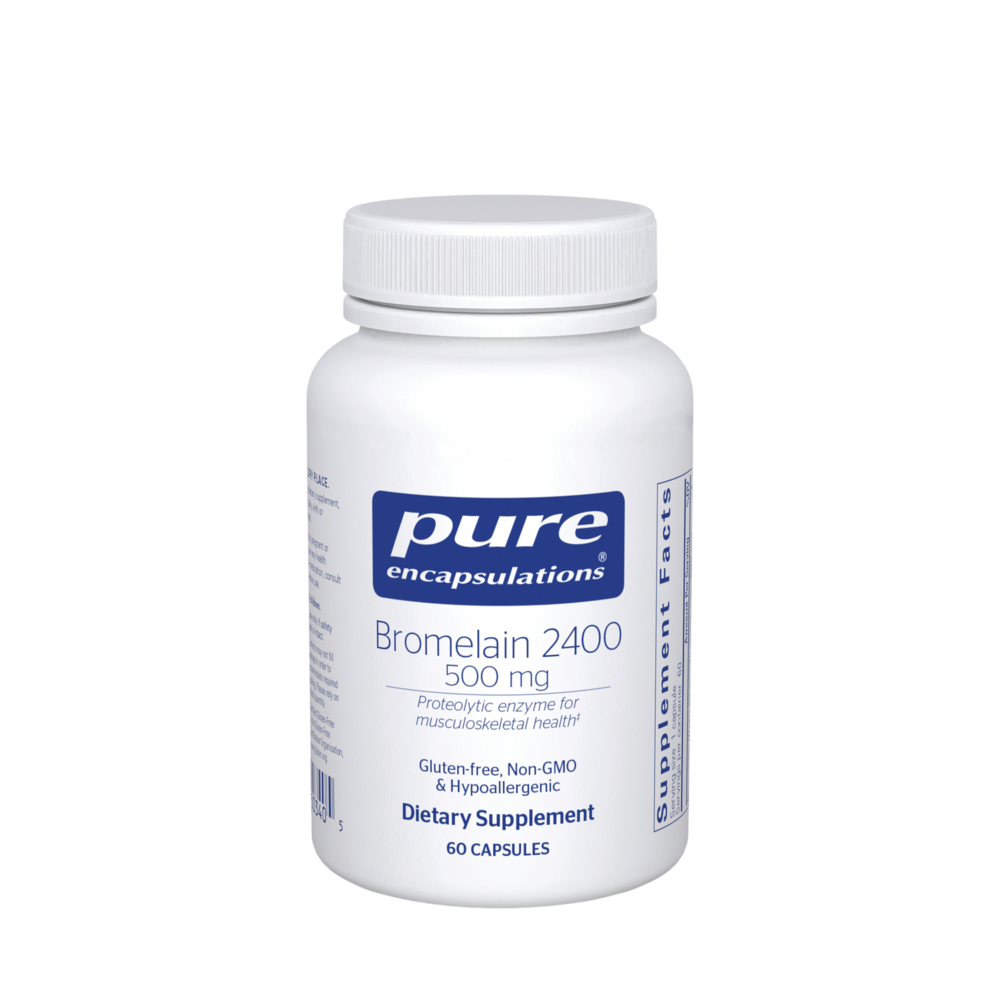
Bromelain 2400 500mg
Pure Encapsulations
60 capsules
$40.00$31.99 with Subscribe & Save
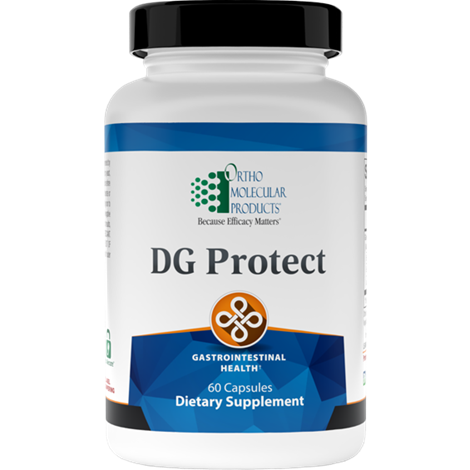
DG Protect
Ortho Molecular Products
60 capsules
$64.44$58.05 with Subscribe & Save
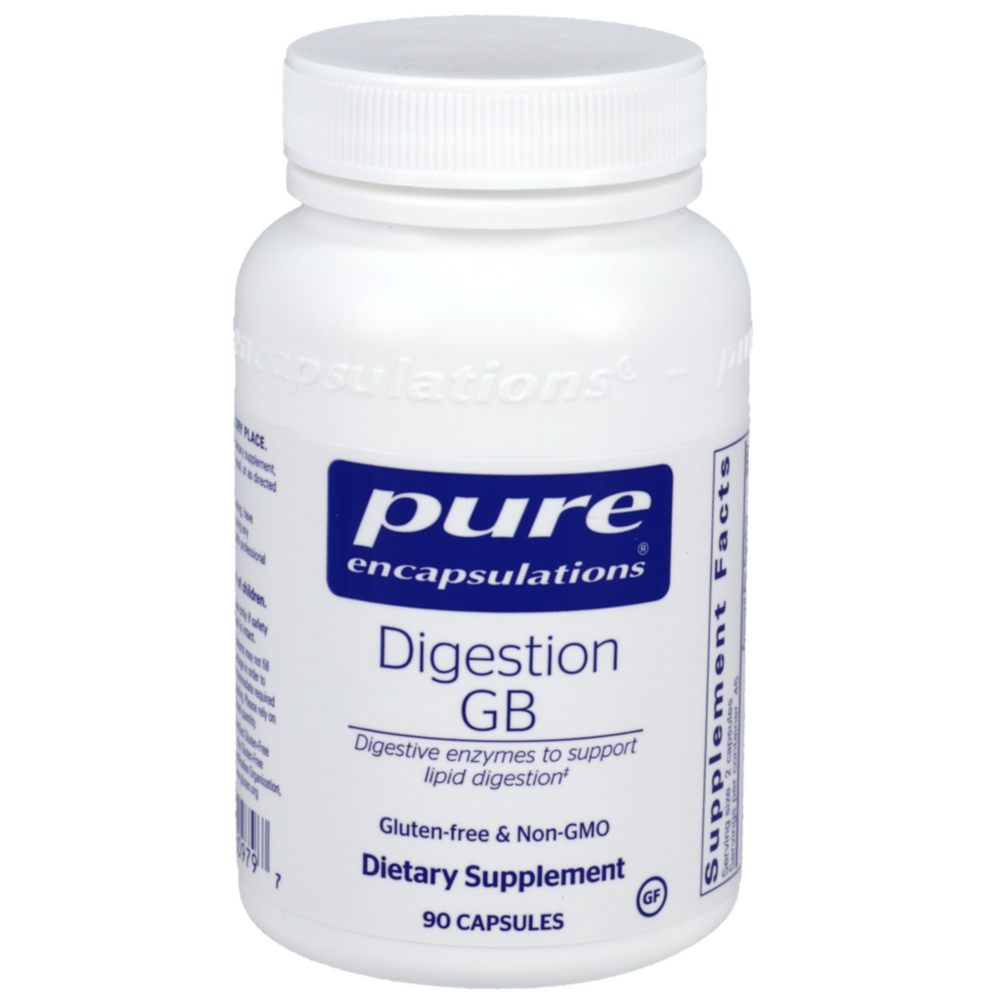
Digestion GB
Pure Encapsulations
90 capsules
$36.50$28.99 with Subscribe & Save