 Instalab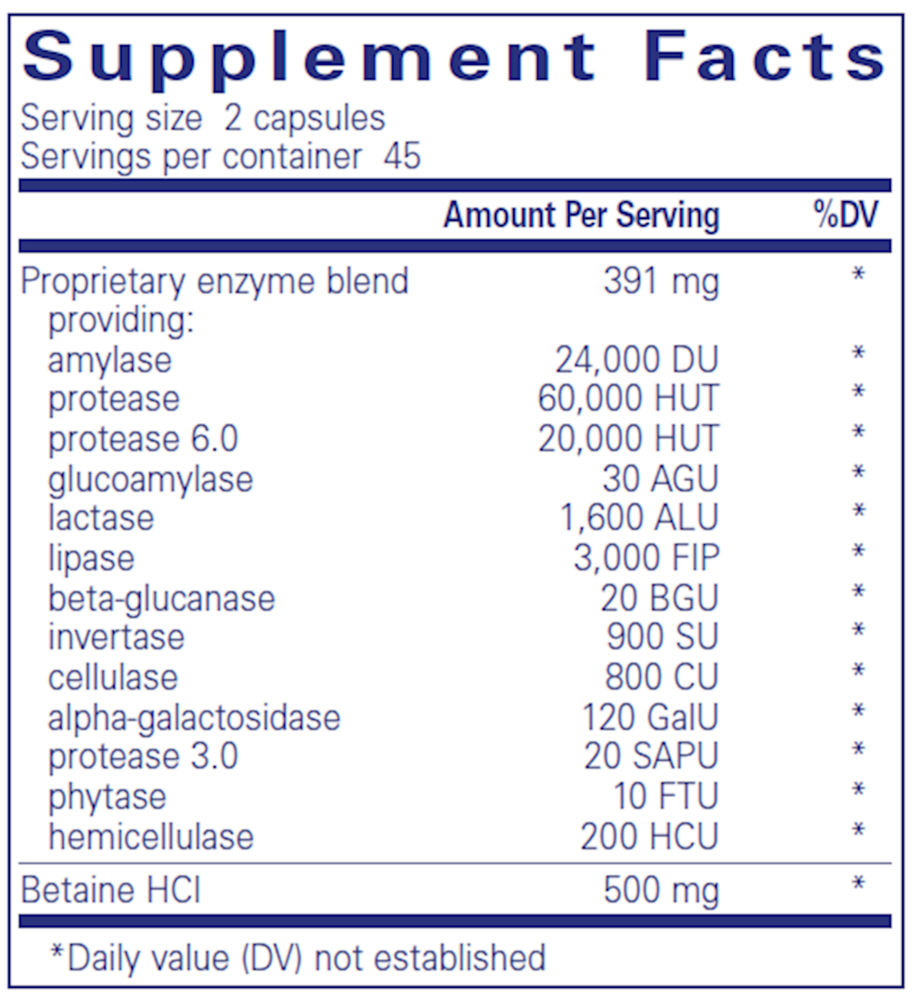
Pure Encapsulations
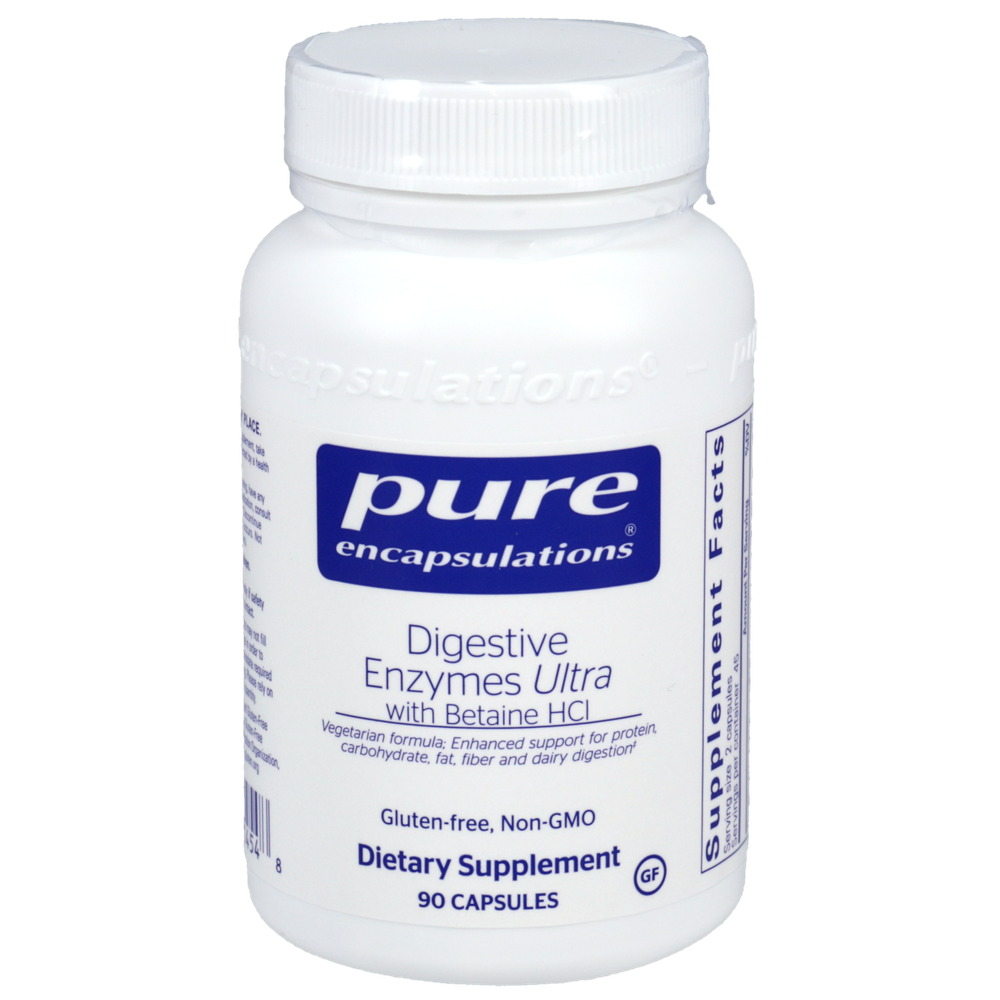
Digestive Enzymes Ultra w/ Betaine by Pure Encapsulations
90 capsules · 45-day supply
Comprehensive Support for Digestive Health and Nutrient Absorption$38.50
Purchase options
Practitioner-grade brand3rd-party testedFree shipping $50+
Vegetarian·Gluten Free·Egg Free·Artificial Preservative Free·Peanut Free·Wheat Free·
Pure Encapsulations Digestive Enzymes Ultra w/ Betaine overview
If large, mixed meals leave you bloated, gassy, or with greasy stools, digestive enzymes for bloating are a practical test run. They fit adults who suspect low stomach acid (hypochlorhydria, meaning weak acid) or sluggish pancreatic output after heavy meals. People with low Vitamin B12 or Ferritin on labs despite good intake sometimes benefit if poor protein breakdown is part of the problem. Not a replacement for prescription pancreatic enzymes if your stool elastase (a pancreatic function test) is very low.
This blend pairs broad-spectrum digestive enzymes—proteases for protein, lipase for fat, amylase for starch, plus lactase for dairy and cellulase for fiber—with betaine HCl, an acid donor that temporarily lowers stomach pH. More acidity helps unfold dietary proteins so proteases can reach their targets and can improve B12 release from food. Better fat and carb breakdown reduces the undigested leftovers that ferment into gas, which is why many notice less bloating within days.
Take 2 capsules with each meal, ideally at the first bite so acid and enzymes meet the food. For smaller meals or snacks, 1 capsule often suffices. If you’re new to betaine HCl, start with 1 capsule per meal for 2 to 3 days, then increase as needed. You should feel effects at the meal you take it with; steadier improvements in stool consistency usually show up within a week.
Avoid betaine HCl if you have active heartburn or diagnosed reflux (GERD, chronic acid backflow), a history of ulcers, gastritis, or if you take anti-inflammatories like ibuprofen regularly, which raise ulcer risk. Acid-suppressing drugs (PPIs or H2 blockers) oppose betaine HCl, so pairing them rarely makes sense. If you need prescription pancrelipase, use that as directed and ask your clinician before layering over-the-counter enzymes. Unexplained weight loss, black stools, or persistent pain warrant medical evaluation, not self-treatment.
Frequently asked questions
Do digestive enzymes actually help with bloating?
Often yes, when bloating comes from poor breakdown of protein, fat, starch, or lactose. By improving digestion at the meal, there’s less leftover food to ferment into gas. If bloating is from constipation or small intestinal bacterial overgrowth, you may need separate treatment.
How fast will betaine HCl and enzymes work?
You should notice meal-level changes on first use, with fuller benefit over several days of consistent use. If nothing changes after a week of taking them correctly with meals, the issue may not be digestive breakdown and is worth reassessing.
Can I take digestive enzymes if I’m on a PPI or H2 blocker?
Enzymes are fine, but betaine HCl conflicts with acid-suppressing drugs because they reduce stomach acid. If you’re on omeprazole, esomeprazole, famotidine, or similar, use an enzyme-only product without HCl or discuss a plan with your clinician.
Is betaine HCl safe if I have reflux or an ulcer history?
No. Skip betaine HCl with active heartburn, diagnosed GERD, ulcers, or gastritis, and if you use frequent NSAIDs. Adding acid can aggravate symptoms or irritate tissue. Get the underlying condition treated first.
Should I take enzymes with snacks or just big meals?
Use them with any meal that reliably causes symptoms. For small snacks, 1 capsule is usually enough. You don’t need enzymes on an empty stomach, and between-meal dosing isn’t the goal for this formula.
Will this let me eat dairy or gluten without issues?
Lactase may ease lactose-related symptoms, but enzymes are not a pass for diagnosed lactose intolerance or celiac disease. They do not prevent immune reactions to gluten. Keep your usual dietary precautions in place.
Which labs help decide if I need enzymes?
Clues include low Vitamin B12 or Ferritin despite good intake, and a low stool elastase if pancreatic output is poor. For upper-stomach symptoms, testing for H. pylori (the ulcer-related bacteria) is appropriate before self-treating.
How to take it & ingredients
Suggested use: Take 2 capsules with each meal, or as directed by a health professional.
Active ingredients
2 capsules per serving · 45 servings
▼
Proprietary Enzyme Blend
391 mg
Amylase
24000 DU
Protease
60000 HUT
Protease 6.0
20000 HUT
Glucoamylase
30 AGU
Lactase
1600 ALU
Lipase
3000 FIP
Beta-Glucanase
20 BGU
Invertase
900 SU
Cellulase
800 CU
Alpha-Galactosidase
120 GalU
Protease 3.0
20 SAPU
Phytase
10 FTU
Hemicellulase
200 HCU
Betaine HCl
500 mg
Other ingredients: Vegetarian Capsule (Cellulose, Water), Hypoallergenic Plant Fiber (Cellulose)
Certifications
Benefits
Warnings
Customers also considered
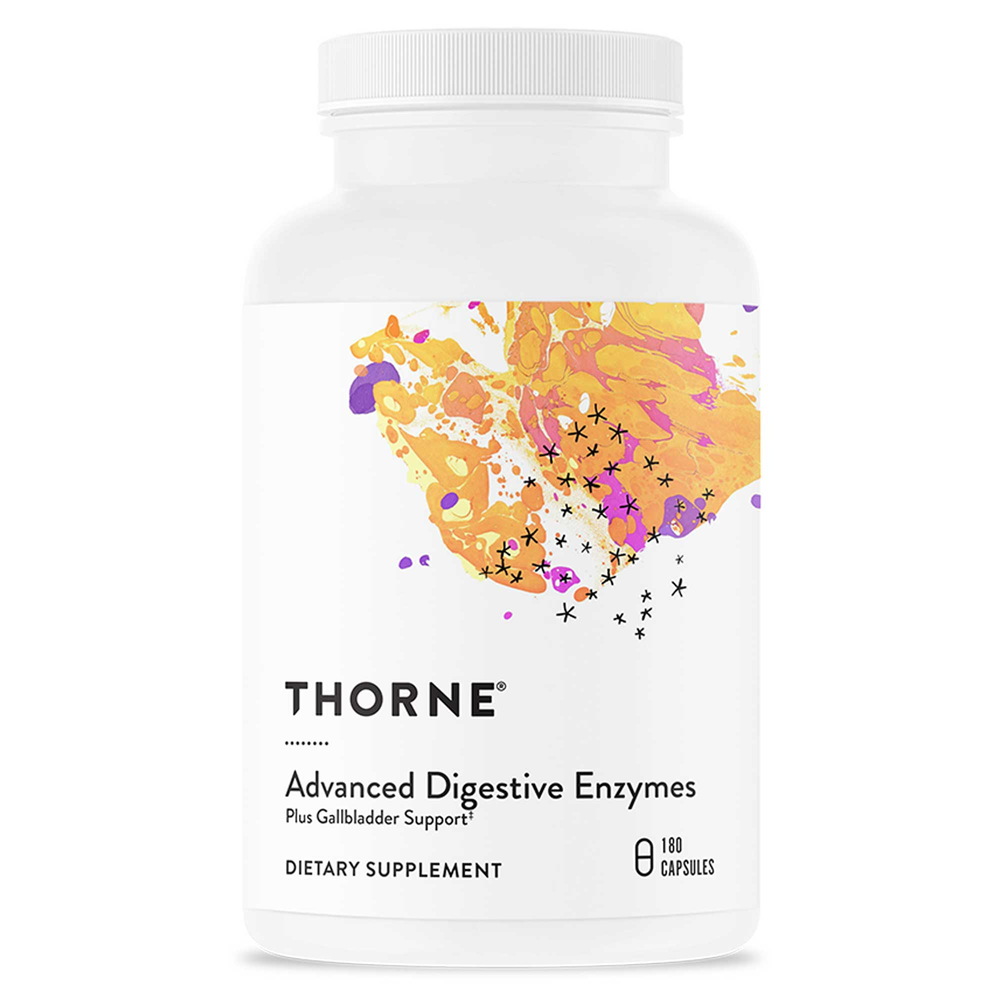
Advanced Digestive Enzymes
Thorne
180 capsules
$56.00$50.40 with Subscribe & Save
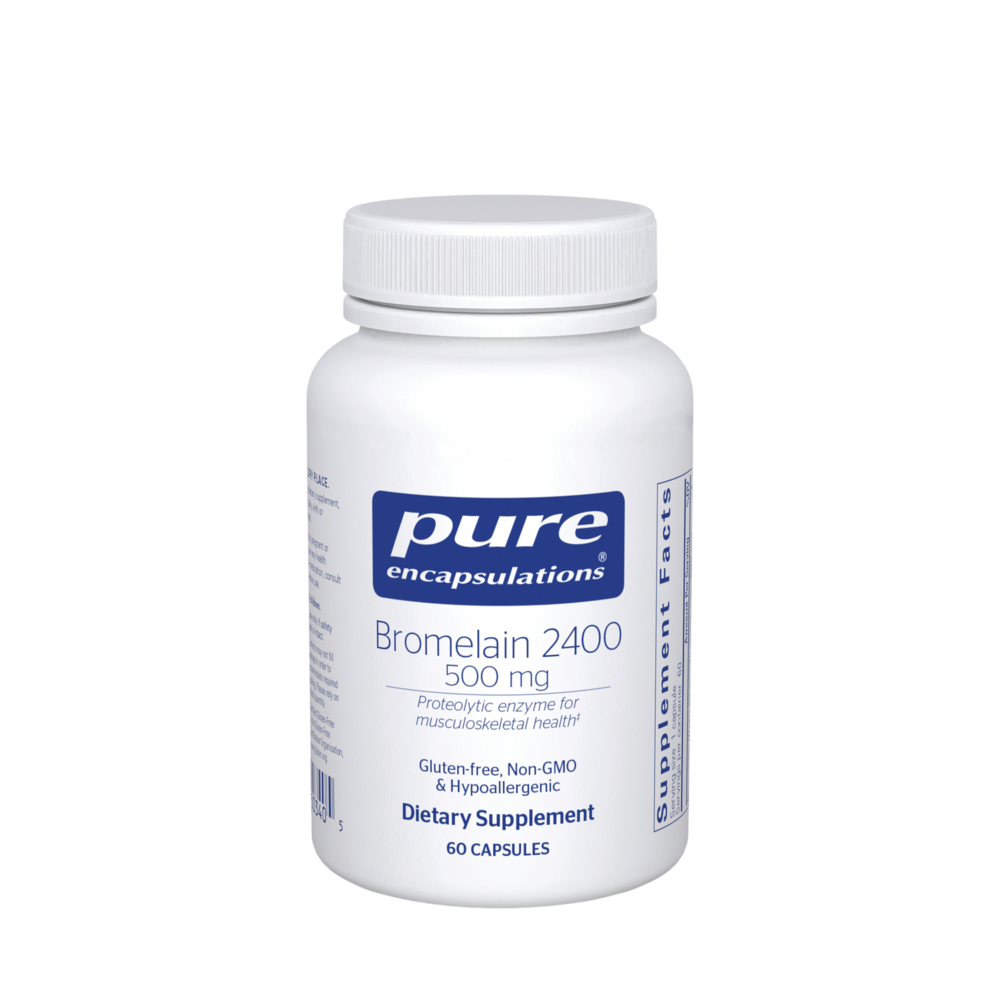
Bromelain 2400 500mg
Pure Encapsulations
60 capsules
$40.00$31.99 with Subscribe & Save
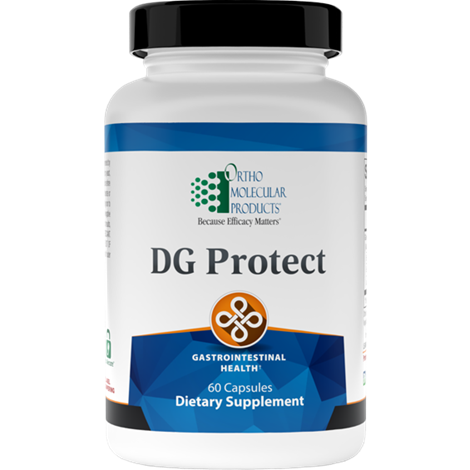
DG Protect
Ortho Molecular Products
60 capsules
$64.44$58.05 with Subscribe & Save
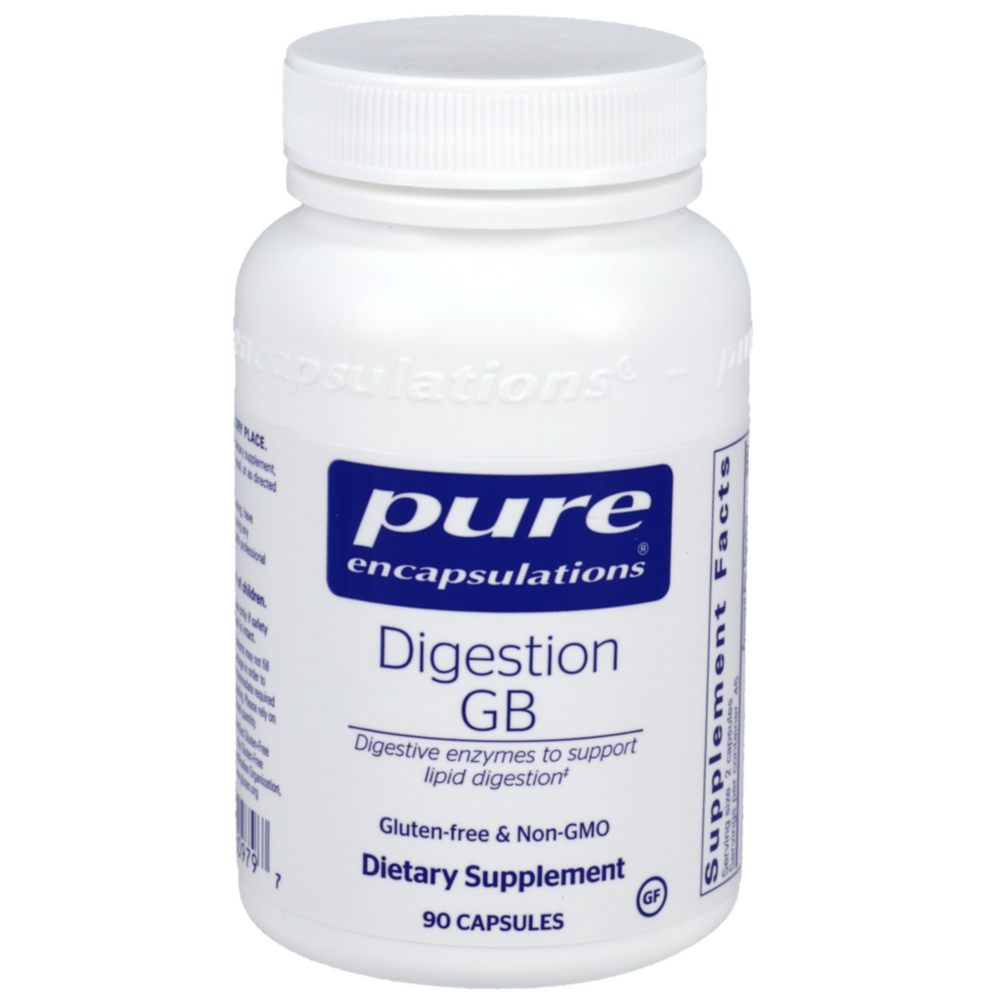
Digestion GB
Pure Encapsulations
90 capsules
$36.50$28.99 with Subscribe & Save