 Instalab

Pure Encapsulations
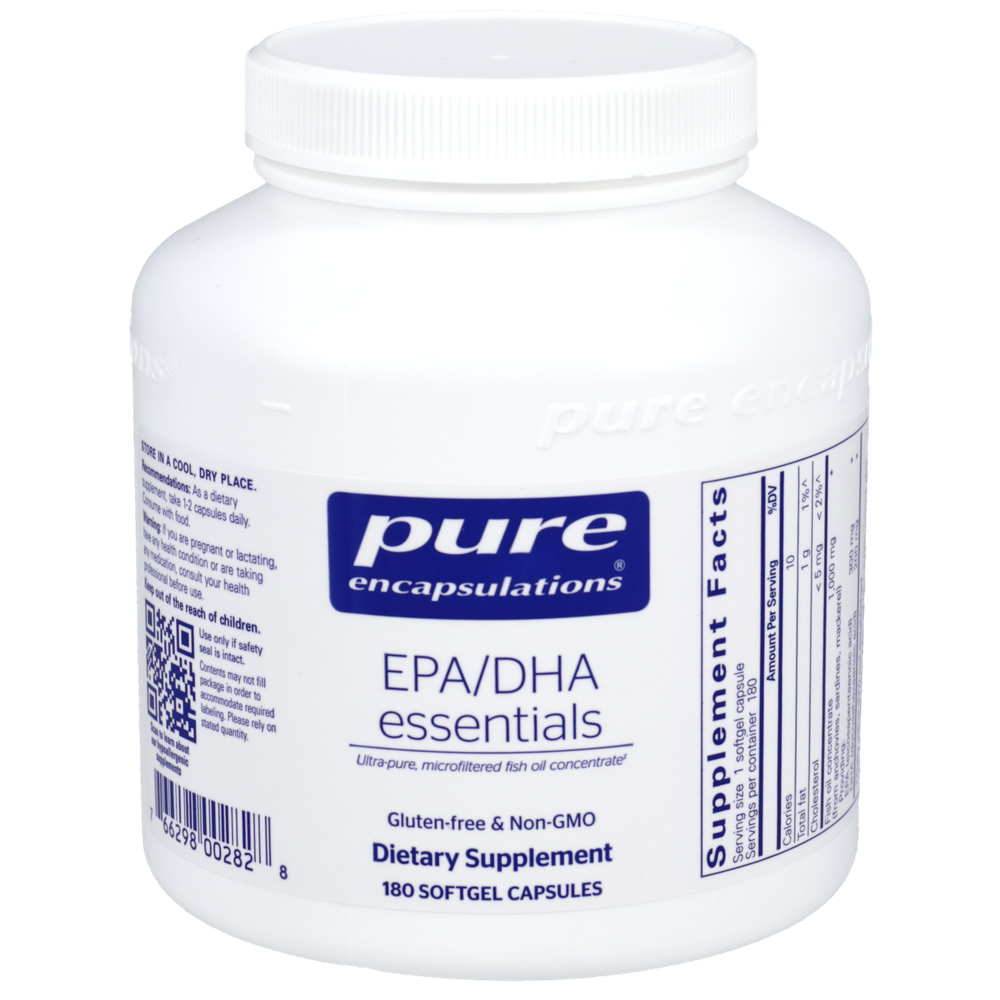
EPA/DHA Essentials 1000 mg by Pure Encapsulations
180 softgels · 180-day supply
Premium Fish Oil for Heart, Brain, and Joint Support$71.00
Purchase options
Practitioner-grade brand3rd-party testedFree shipping $50+
Egg Free·Artificial Preservative Free·Peanut Free·Wheat Free·Artificial Sweetener Free·Artificial Color Free·
Pure Encapsulations EPA/DHA Essentials overview
If you eat little seafood and your Omega-3 Index is low, a daily fish oil is a practical way to raise EPA and DHA. This Pure Encapsulations formula suits maintenance and general brain, joint, and vascular upkeep. If your triglycerides are elevated and you want a measurable drop, meaningful reductions usually require higher total EPA+DHA than maintenance capsules provide, with changes tracked on a lipid panel within 4 to 12 weeks.
EPA and DHA reduce how much fat your liver loads into VLDL particles (the carriers that show up as triglycerides), and they nudge cells to burn fatty acids for energy more readily. They also shift cell-membrane signaling toward fewer pro-inflammatory eicosanoids (short-lived chemical messengers), which is why some people see small drops in hs-CRP, an inflammation marker. In the brain, these fats enrich neuronal membranes, which explains the modest mood and cognitive findings in some studies.
Take two capsules daily in divided doses with meals, as directed. Consistency matters: recheck your Omega-3 Index and triglycerides after 8 to 12 weeks. For triglyceride reduction, most trials use a higher daily total of EPA+DHA than typical maintenance fish oil; discuss dose if that is your goal. Taking with food, choosing evening dosing, or refrigerating capsules reduces fishy burps.
Avoid if you have a fish allergy. If you take blood thinners like warfarin or clopidogrel, or high-dose aspirin, talk to your clinician; standard fish oil doses have a small effect on bleeding time but still warrant coordination. Pause before planned surgery per your surgeon. If you have atrial fibrillation (a common heart rhythm disturbance), discuss dose, as very high omega-3 intakes have been linked to a slight increase in episodes.
Frequently asked questions
Will fish oil lower my triglycerides, and how fast?
Yes, when the daily EPA+DHA dose is high enough, many people see a 20–30% triglyceride drop in about 4–12 weeks. Maintenance-level capsules help overall omega-3 status but may be too low for that effect. Check a lipid panel to confirm.
How much EPA and DHA do I need for triglycerides?
Most clinical trials use roughly 2–4 grams per day of combined EPA+DHA. That is higher than typical maintenance fish oil. Work with a clinician to set the dose and monitor triglycerides and Omega-3 Index.
Does fish oil thin your blood?
Fish oil has a mild anti-platelet effect (it makes platelets less sticky), which slightly increases bleeding time. At standard doses this rarely causes issues, but coordinate with your prescriber if you take warfarin, clopidogrel, or high-dose aspirin.
How do I know if my fish oil is working?
Recheck your Omega-3 Index and triglycerides after 8–12 weeks of steady use. A higher Omega-3 Index and lower triglycerides indicate it’s doing what you want at your current dose.
What are common fish oil side effects?
Fishy aftertaste, burps, and mild stomach upset are the big ones. Taking capsules with meals, at night, or from the refrigerator usually fixes this. Rarely, loose stools occur; splitting the dose often helps.
Is fish oil safe during pregnancy?
Yes, fish oil supplying DHA is commonly used in pregnancy. It’s considered safe when sourced from purified oils. Confirm dosing with your obstetric clinician and continue prenatal vitamins.
Krill oil vs fish oil: which is better?
Both provide EPA and DHA. Krill oil delivers them in phospholipid form, but head-to-head data don’t show clear superiority for triglycerides. For dose-dependent goals, fish oil is usually more cost-effective per gram of EPA+DHA.
How to take it & ingredients
Suggested use: Take 2 capsules per day, in divided doses, with meals.
Active ingredients
1 softgel per serving · 180 servings
▼
Fish Oil Concentrate
From anchovies, sardines, mackerel
From anchovies, sardines, mackerel
1000 mg
EPA
Eicosapentaenoic acid
Eicosapentaenoic acid
300 mg
DHA
Docosahexaenoic acid
Docosahexaenoic acid
200 mg
Other ingredients: Natural Tocopherols, Gelatin Capsule (Gelatin, Glycerin, Water)
Certifications
Benefits
Warnings
Customers also considered
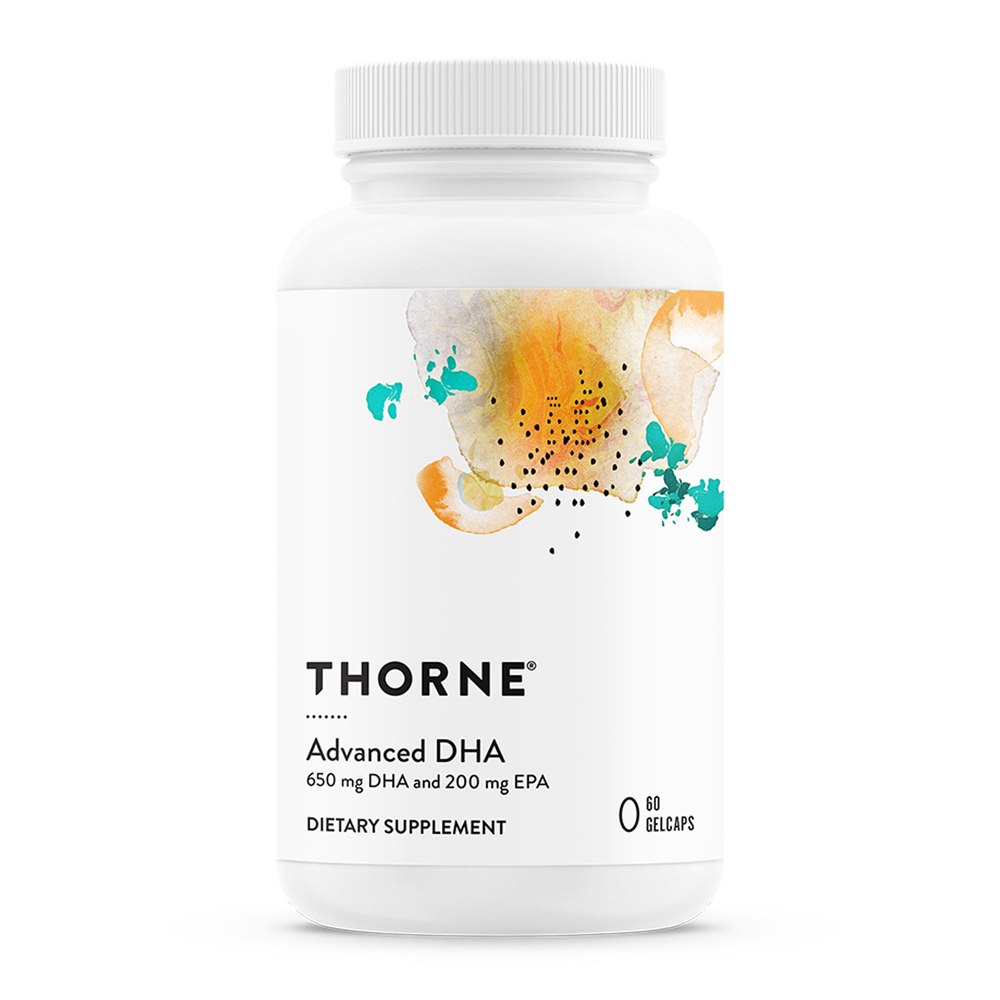
Advanced DHA
Thorne
60 gelcaps
$30.00$27.00 with Subscribe & Save
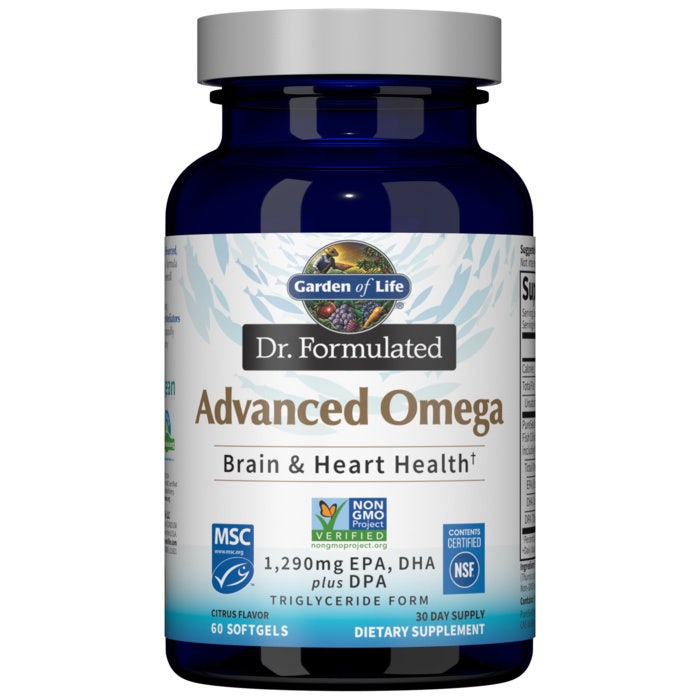
Dr. Formulated Advanced Omega
Garden of Life
60 softgels
$31.99$25.99 with Subscribe & Save
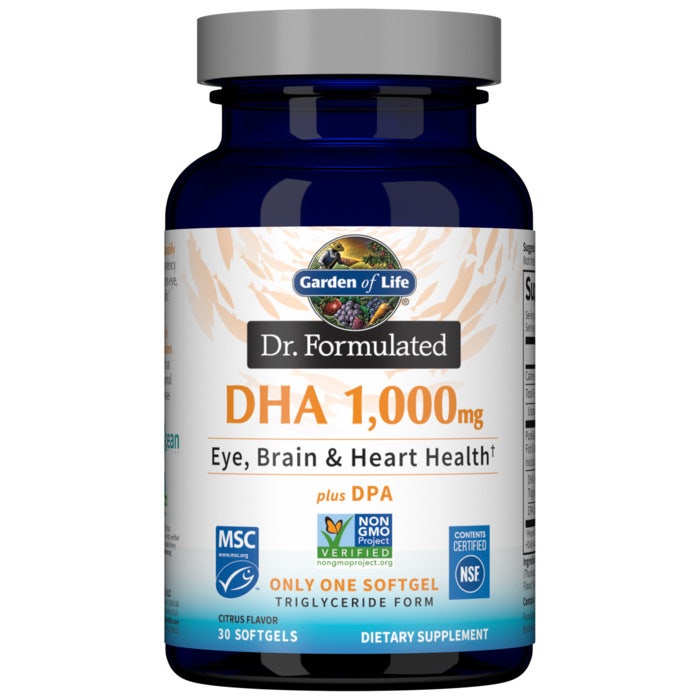
Dr. Formulated DHA 1g
Garden of Life
30 softgels
$31.99$25.99 with Subscribe & Save
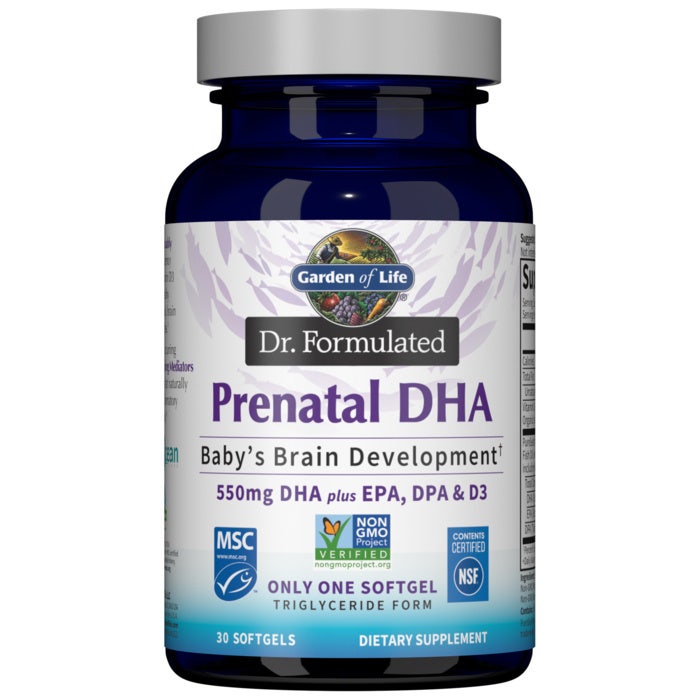
Dr. Formulated Prenatal DHA
Garden of Life
30 softgels
$29.99$23.99 with Subscribe & Save