 Instalab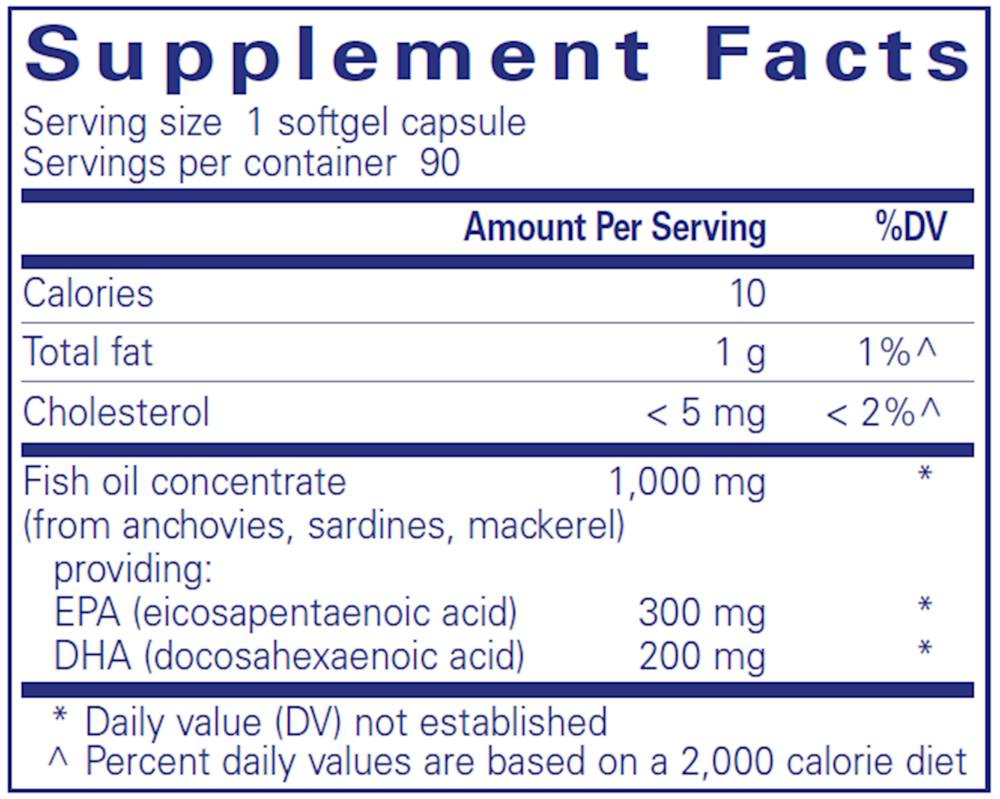


Pure Encapsulations
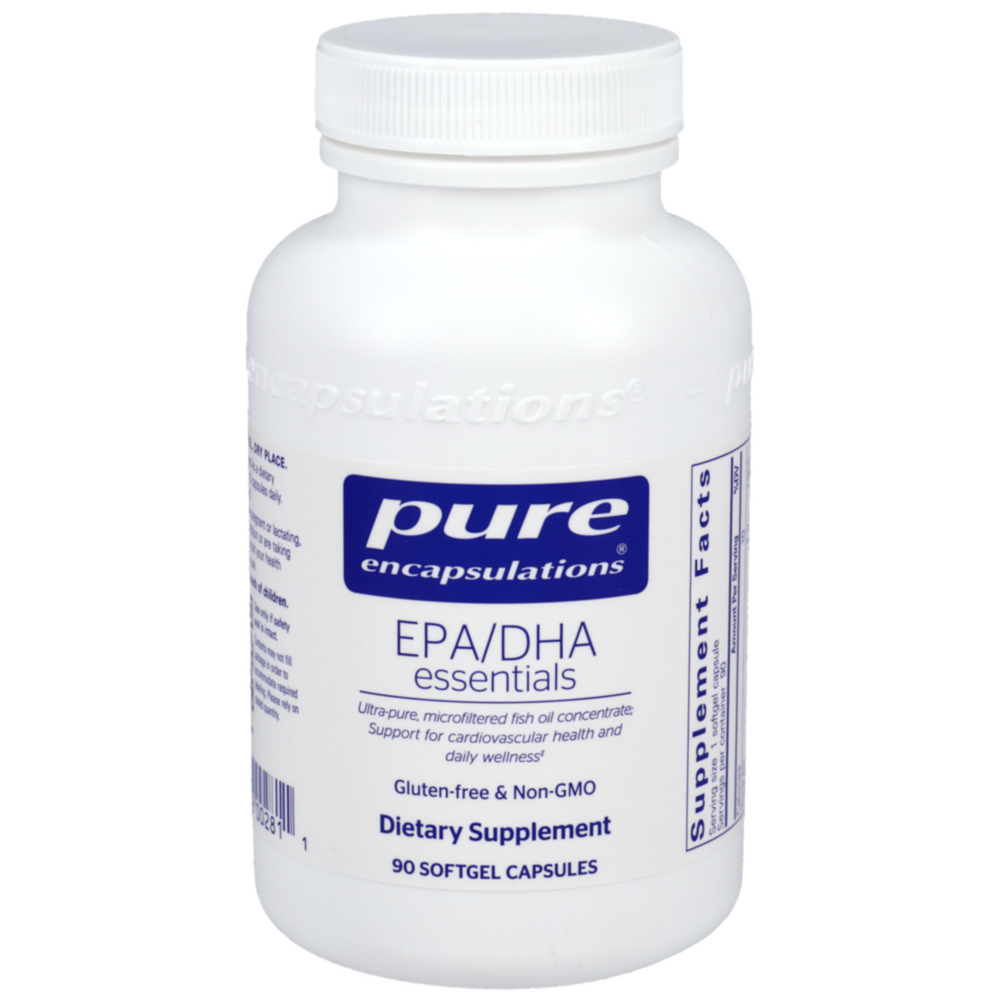
EPA/DHA Essentials 1000 mg by Pure Encapsulations
90 softgels · 90-day supply
Premium Fish Oil for Heart, Brain, and Joint Support$41.50
Purchase options
Practitioner-grade brand3rd-party testedFree shipping $50+
Egg Free·Artificial Preservative Free·Peanut Free·Wheat Free·Artificial Sweetener Free·Artificial Color Free·
Pure Encapsulations EPA/DHA Essentials overview
If you eat little seafood and your Omega-3 Index is low, this fish oil is a practical maintenance dose. It suits adults aiming to improve omega-3 status for general cardiovascular health and to nudge down triglycerides if they’re only mildly elevated. For significant triglyceride reduction, most responders need 2–4 grams of combined EPA and DHA daily; this Pure Encapsulations formula is better for steady upkeep unless you take multiple capsules and confirm progress with labs.
EPA and DHA reduce how much fat your liver exports in VLDL particles (the carriers that show up as triglycerides), and they encourage cells to burn fatty acids for energy. They also shift cell-membrane signaling toward fewer inflammatory eicosanoids (short-lived chemical messengers), which is why some people see small drops in hs-CRP. In the brain and eyes they integrate into cell membranes, and in platelets they make them a bit less sticky, supporting healthy blood flow.
Take two capsules daily with meals, ideally your largest meal containing fat to improve absorption and reduce fishy burps. Consistency matters: expect changes in the Omega-3 Index and triglycerides within 4 to 12 weeks. If your goal is triglyceride lowering, total daily EPA+DHA is what counts, so compare your capsule count to the 2–4 gram range used in studies and recheck a lipid panel and Omega-3 Index after 8–12 weeks.
Fish oil works well with statins and blood-pressure drugs. If you use anticoagulants or antiplatelet drugs (warfarin, apixaban, clopidogrel), typical supplement doses are usually safe, but let your clinician know and watch for easy bruising. History of atrial fibrillation warrants moderate dosing and supervision, since very high EPA doses have been linked to recurrence in some trials. Skip if you have a true fish allergy. Stop 3–7 days before elective surgery unless your surgeon advises otherwise.
Frequently asked questions
How long does fish oil take to lower triglycerides?
Most changes appear within 4–12 weeks of daily use. The effect depends on total EPA+DHA per day; clinically meaningful drops typically require 2–4 grams daily, confirmed with a lipid panel.
Does fish oil thin your blood?
It makes platelets slightly less sticky, which can increase bruising at high doses. At common supplement doses, bleeding risk is low, but check with your clinician if you’re on blood thinners.
Can I take fish oil with statins?
Yes. Fish oil and statins work through different pathways and are often combined. Fish oil lowers triglycerides; statins primarily lower LDL cholesterol. Monitor with a lipid panel.
Will I get fishy burps, and how do I prevent them?
They’re uncommon when taken with a meal. Taking capsules with your largest meal, splitting doses, or briefly refrigerating the bottle usually prevents reflux-related aftertaste.
Is fish oil safe in pregnancy or while trying to conceive?
Fish oil is commonly used for DHA intake in pregnancy. This product is a general fish oil; discuss dose and product choice with your obstetric clinician and track your Omega-3 Index.
How much EPA and DHA do I need for joint comfort?
Trials showing modest joint benefits generally use around 1–3 grams of combined EPA+DHA daily. Expect gradual changes over 8–12 weeks and consider tracking hs-CRP if inflamed.
Will fish oil raise my LDL cholesterol?
Most people see little change in LDL. Some with high triglycerides can see a small LDL rise as particles shift. The net effect on cardiovascular risk is still favorable in these cases.
Which labs should I check while taking fish oil?
The Omega-3 Index shows tissue levels, and a lipid panel tracks triglycerides. hs-CRP can reflect inflammation changes. Recheck 8–12 weeks after a stable daily dose.
How to take it & ingredients
Suggested use: Take 2 capsules per day, in divided doses, with meals.
Active ingredients
1 softgel per serving · 90 servings
▼
Fish Oil Concentrate
From anchovies, sardines, mackerel
From anchovies, sardines, mackerel
1000 mg
EPA
Eicosapentaenoic acid
Eicosapentaenoic acid
300 mg
DHA
Docosahexaenoic acid
Docosahexaenoic acid
200 mg
Other ingredients: Natural Tocopherols, Gelatin Capsule (Gelatin, Glycerin, Water)
Certifications
Benefits
Warnings
Customers also considered
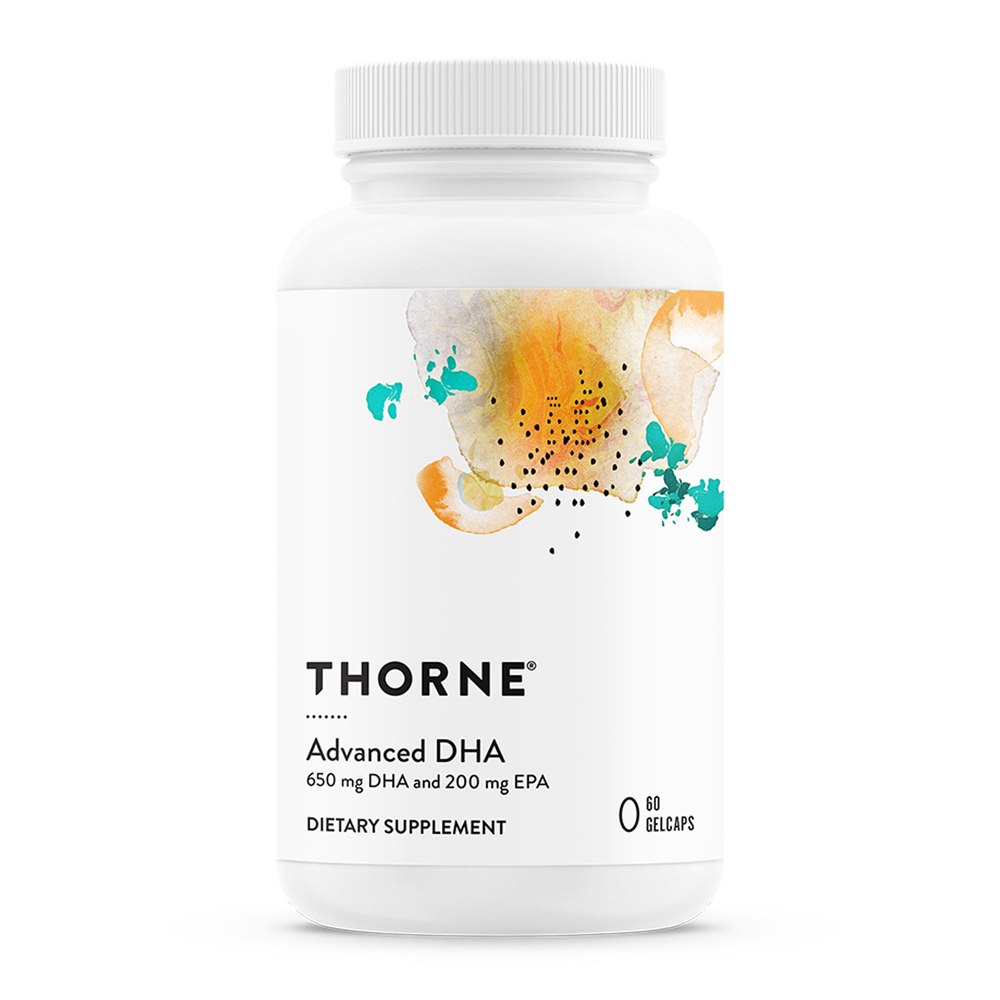
Advanced DHA
Thorne
60 gelcaps
$30.00$27.00 with Subscribe & Save
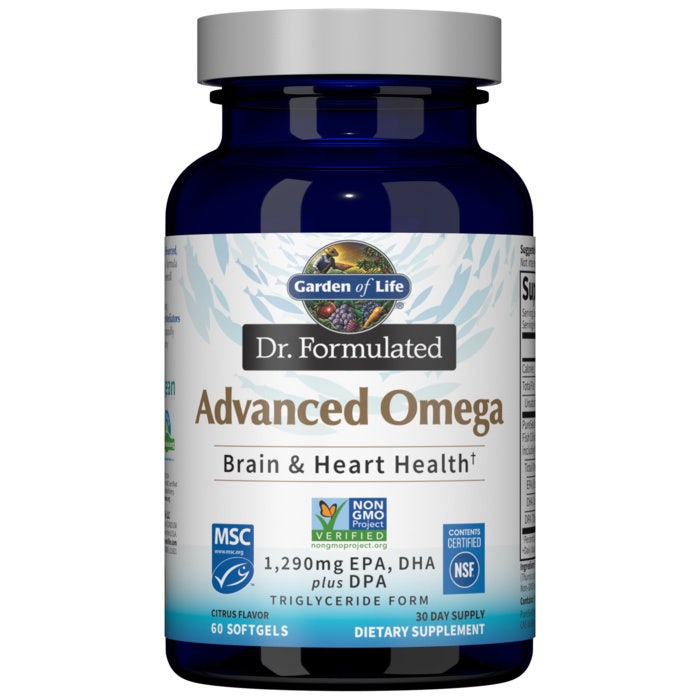
Dr. Formulated Advanced Omega
Garden of Life
60 softgels
$31.99$25.99 with Subscribe & Save
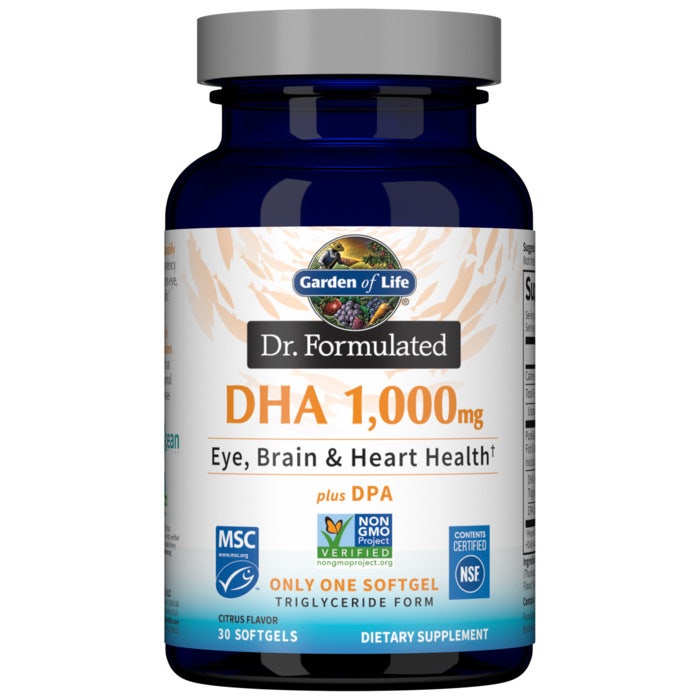
Dr. Formulated DHA 1g
Garden of Life
30 softgels
$31.99$25.99 with Subscribe & Save

Dr. Formulated Prenatal DHA
Garden of Life
30 softgels
$29.99$23.99 with Subscribe & Save