 Instalab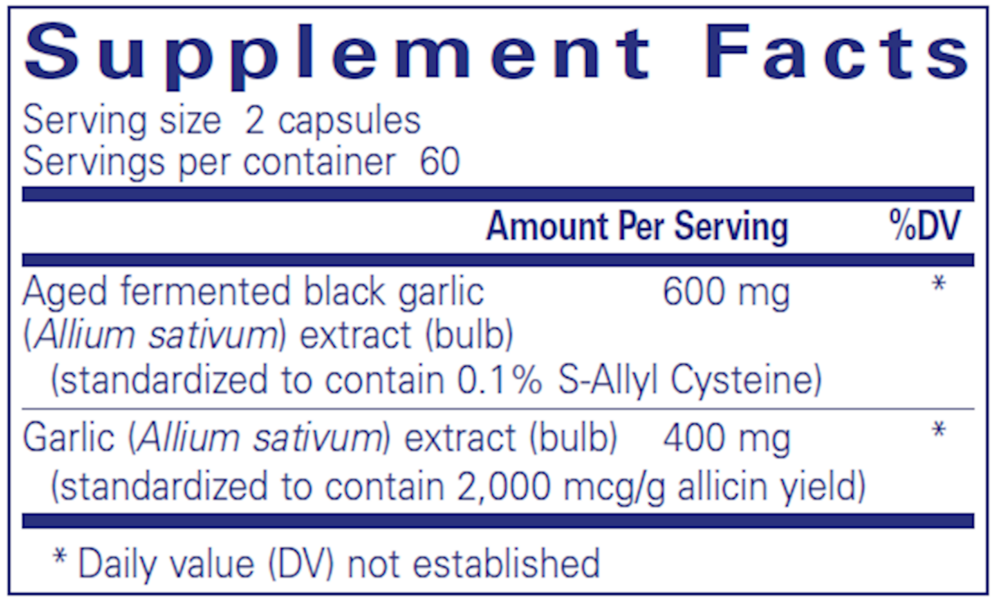
Pure Encapsulations
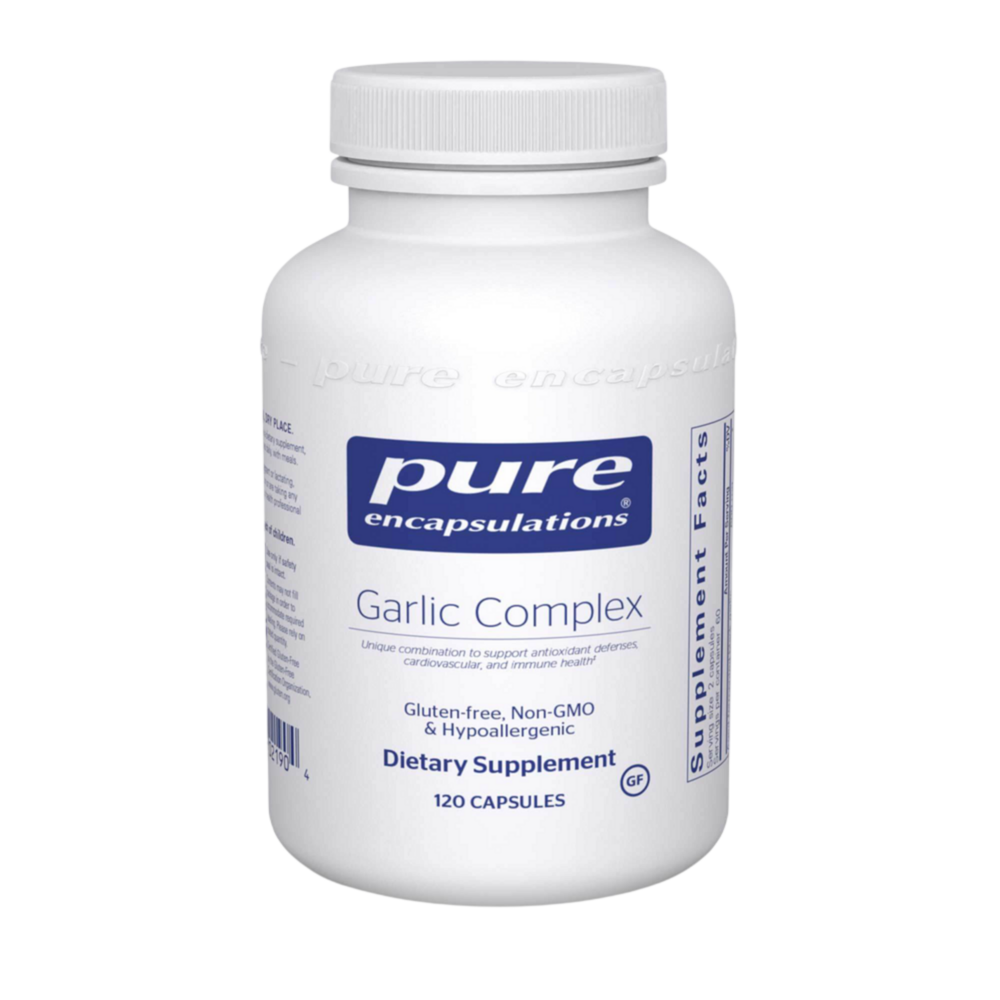
Garlic Complex by Pure Encapsulations
120 capsules · 60-day supply
Support Heart Health and Immune Function with Aged Garlic Extract$59.50
Purchase options
Practitioner-grade brand3rd-party testedFree shipping $50+
Vegan·Vegetarian·Gluten Free·Dairy Free·Egg Free·Milk Free·
Pure Encapsulations Garlic Complex overview
If you’re considering a garlic supplement for cholesterol or mild blood pressure elevation, this blend is built for that job. It pairs aged black garlic with an allicin-yielding extract, which is the combination most often studied for lipids and vascular tone. It’s a fit if your Lipid Panel shows elevated LDL-C (the LDL cholesterol number tied to plaque risk) or Triglycerides, or if your home blood pressure runs high-normal. It’s also reasonable if your hs-CRP (an inflammation marker) trends up alongside metabolic risk.
Aged black garlic concentrates S‑allyl cysteine (a stable antioxidant) that tamps down oxidative stress and improves how blood vessels relax, which can ease blood pressure. The companion extract provides allicin (the pungent sulfur compound), which reduces how much cholesterol the liver makes and may modestly lower LDL-C over weeks. Together, these garlic forms can also shift inflammatory signaling, which is why some users see small drops in hs-CRP. Expect odor to be minimal with aged black garlic compared to raw cloves.
Take two capsules with a meal, once or twice daily, as the label suggests. Food improves tolerance and may help allicin absorption. If you’re new to garlic, start with one dose daily for a week, then increase. Check your Lipid Panel and blood pressure after 8–12 weeks to judge effect; some see changes sooner. If your cholesterol is markedly high, keep your statin or other therapy in place and use garlic as an add-on, not a replacement.
Garlic has antiplatelet activity (it makes platelets, the clotting cells, less sticky), so skip it if you’re on warfarin, a direct oral anticoagulant like apixaban or rivaroxaban, or antiplatelet drugs like clopidogrel and high-dose aspirin, unless your clinician is on board. Stop 7 days before surgery. It can aggravate reflux or cause gas; aged black garlic is gentler but not foolproof. A notable drug interaction: it can lower levels of saquinavir (an HIV protease inhibitor). Pregnancy: stick to culinary garlic unless your obstetrician approves.
Frequently asked questions
Does garlic really lower cholesterol?
Yes, in many adults with elevated cholesterol, garlic lowers LDL cholesterol modestly over 8–12 weeks. Think small single‑digit percentage drops, not a statin‑level effect. Use it as an add‑on and recheck your Lipid Panel to see if you’re a responder.
Is aged black garlic better than regular garlic?
Aged black garlic is easier on the stomach and richer in S‑allyl cysteine, a stable antioxidant. Regular garlic extracts provide allicin, which drives antimicrobial and lipid effects. This formula combines both to cover complementary mechanisms with less odor.
How long does a garlic supplement take to work?
For lipids and blood pressure, expect 4–12 weeks of steady use before judging results. Some see earlier changes, but plan to repeat your Lipid Panel and check home blood pressure after two to three months.
Does garlic thin your blood?
Garlic reduces platelet stickiness, which can increase bleeding tendency. Avoid it with warfarin, apixaban, rivaroxaban, clopidogrel, or high‑dose aspirin unless your clinician agrees, and stop one week before planned surgery or dental procedures.
Can I take garlic with my statin or blood pressure medicine?
Generally yes as an add‑on, and many clinicians use that approach. Monitor for dizziness if your blood pressure drops and recheck labs in 8–12 weeks. Do not stop prescribed drugs without medical guidance.
What side effects should I watch for?
Most common are mild stomach upset, gas, or reflux; taking with meals helps. Breath or body odor is less common with aged black garlic. Stop and seek care if you notice unusual bruising, nosebleeds, or black stools.
Is garlic safe in pregnancy or while breastfeeding?
Culinary amounts are fine. Supplemental doses are best avoided in pregnancy without clinician approval because of bleeding risk near delivery. For breastfeeding, discuss with your pediatrician if you plan to use beyond food amounts.
How to take it & ingredients
Suggested use: Take 2 capsules, 1-2 times daily, with meals.
Active ingredients
2 capsules per serving · 60 servings
Aged Fermented Black Garlic Extract
Allium sativum (bulb), standardized to contain 0.1% S-Allyl Cysteine
Allium sativum (bulb), standardized to contain 0.1% S-Allyl Cysteine
600 mg
Garlic Extract
Allium sativum (bulb), standardized to contain 2,000 mcg/g allicin yield
Allium sativum (bulb), standardized to contain 2,000 mcg/g allicin yield
400 mg
Other ingredients: Vegetarian Capsule (Cellulose, Water), Hypoallergenic Plant Fiber (Cellulose)
Certifications
Benefits
Warnings
Customers also considered
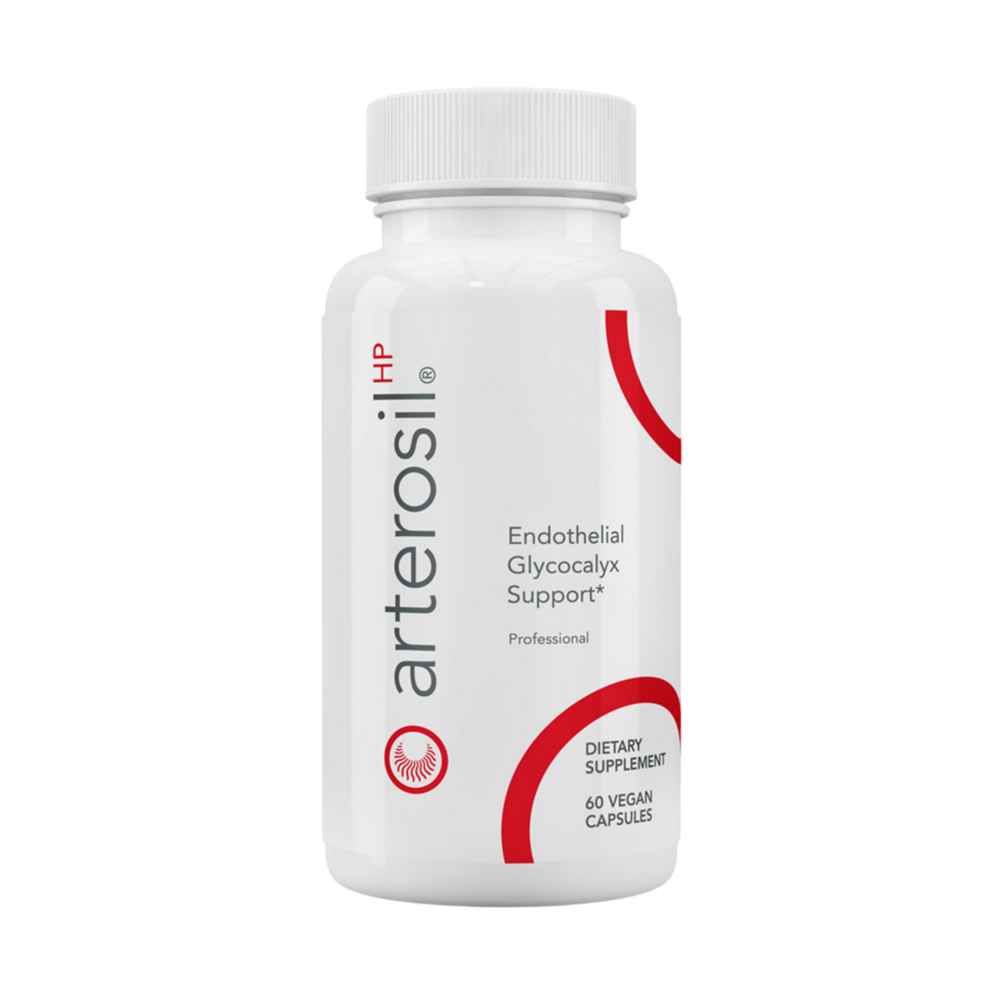
Arterosil HP
Calroy Health Sciences
60 capsules
$99.99$79.99 with Subscribe & Save
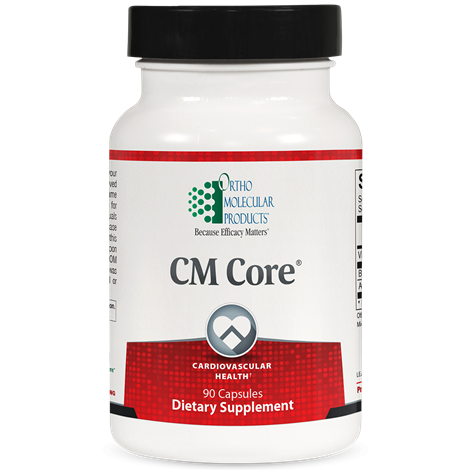
CM Core
Ortho Molecular Products
90 capsules
$70.32$63.35 with Subscribe & Save
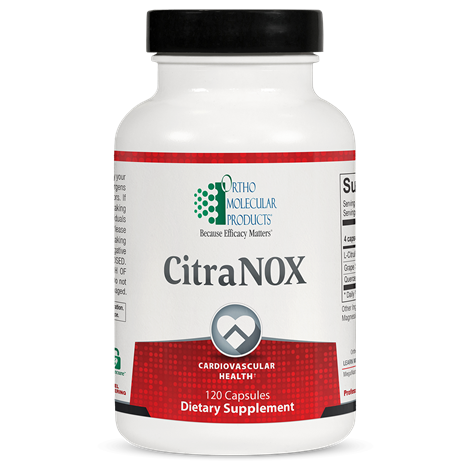
CitraNOX
Ortho Molecular Products
120 capsules
$70.32$63.35 with Subscribe & Save
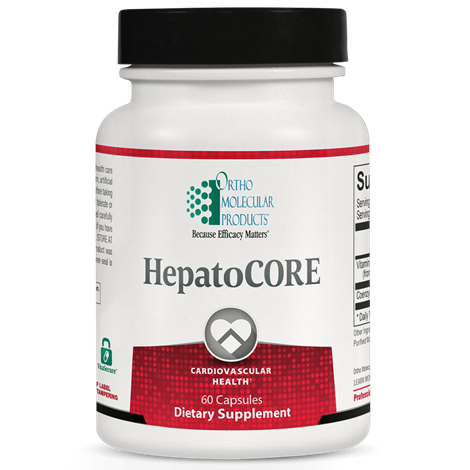
HepatoCORE
Ortho Molecular Products
60 capsules
$69.32$62.45 with Subscribe & Save