 Instalab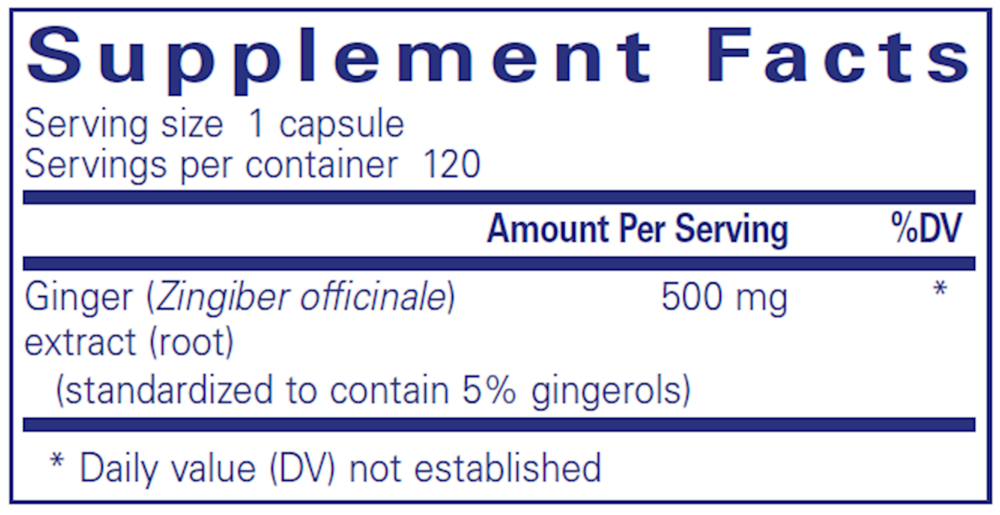
Pure Encapsulations
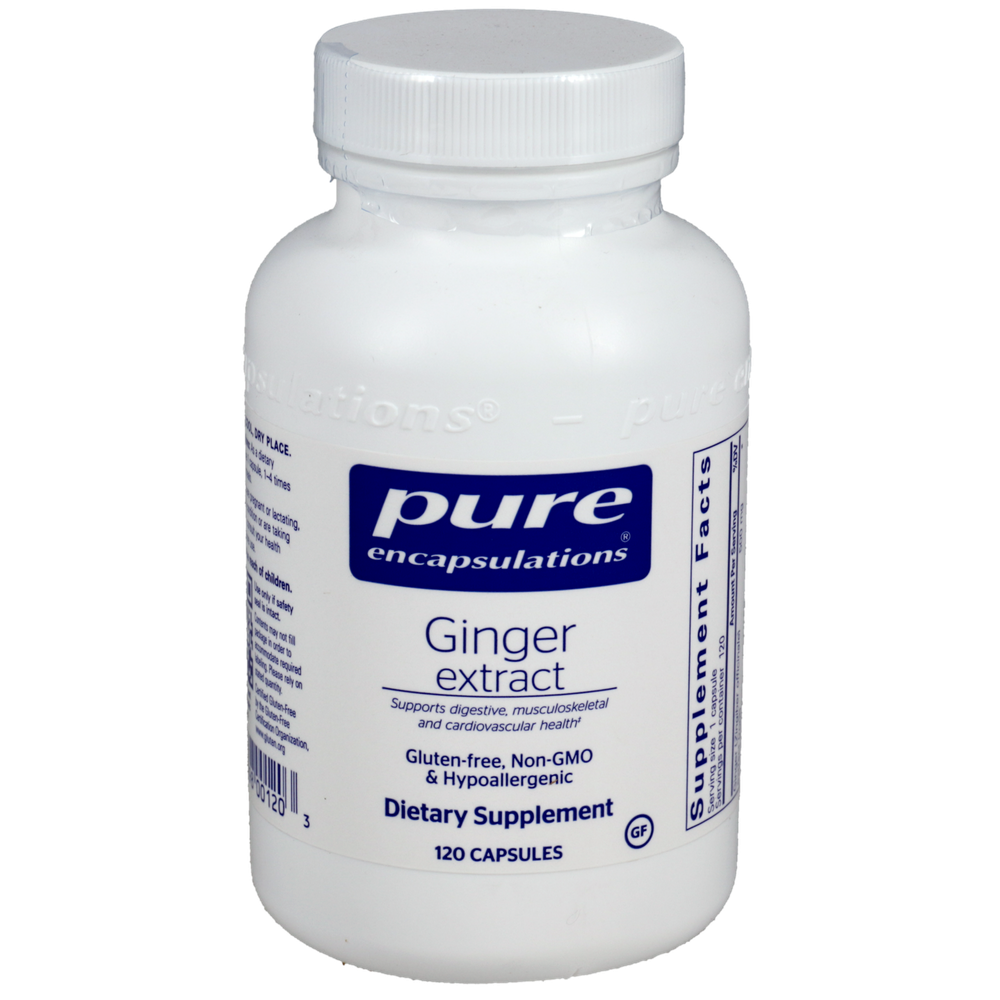
Ginger Extract 500 mg by Pure Encapsulations
120 capsules · 120-day supply
Support Digestive Health and Reduce Inflammation with Standardized Ginger Extract$65.00
Purchase options
Practitioner-grade brand3rd-party testedFree shipping $50+
Gluten Free·Egg Free·Artificial Preservative Free·Peanut Free·Wheat Free·Artificial Sweetener Free·
Pure Encapsulations Ginger Extract overview
If you reach for ginger extract for nausea during travel, early pregnancy, or after a heavy meal, you’re the target user. Standardized ginger can ease motion sickness and queasiness within hours, and it helps “heavy, slow” digestion by moving food along and increasing bile flow from the liver and gallbladder. It’s also reasonable if your hs-CRP (a general inflammation marker) runs high-normal and you want a gentle nudge rather than a drug.
This formula delivers 500 mg of ginger extract standardized to 5% gingerols, the compounds that calm the stomach and modulate intestinal serotonin receptors (the signals that drive nausea). Ginger speeds up gastric emptying, stimulates digestive enzymes, and increases bile, which is why fatty meals feel easier. Gingerols and shogaols also inhibit COX and 5-LOX (enzymes that make inflammatory signals), explaining small reductions in hs-CRP seen in some users.
The suggested use is 1–4 capsules daily, split between doses, taken between meals. For nausea or motion sensitivity, 500–1,000 mg 30–60 minutes before a trigger and again as needed works for most. For day‑to‑day digestion, 500 mg two to three times daily is typical. If it bothers your stomach, take with a small snack. Expect effects on queasiness within hours, and on meal comfort within a few days.
If you take blood thinners (warfarin, apixaban, rivaroxaban, clopidogrel), use ginger extract cautiously and loop in your clinician, as ginger has mild antiplatelet effects (it can reduce clotting). With gallstones or a history of bile-duct issues, avoid products that increase bile unless cleared by your doctor. Reflux-prone users can get heartburn; lower the dose or take with food. In pregnancy, stay near 1,000 mg/day and confirm with your OB.
Frequently asked questions
Does ginger extract work for nausea?
Yes. Standardized ginger reduces motion sickness and pregnancy-related nausea for many people, often within hours. Take 500–1,000 mg 30–60 minutes before a trigger. If symptoms persist or you’re vomiting, seek medical care.
How much ginger extract should I take per day?
Common totals are 1,000–2,000 mg per day in divided doses. Start at 500 mg and build up based on response. For pregnancy nausea, many clinicians keep daily intake around 1,000 mg. Follow your provider’s advice if you have medical conditions.
Can ginger extract upset my stomach or cause heartburn?
It can. While many use it for digestion, some people get heartburn, gas, or loose stools. Lower the dose, take with a small snack, or switch timing. Persistent burning or pain suggests reflux—use cautiously or choose another approach.
Is ginger safe with blood thinners?
Use caution. Ginger has mild antiplatelet effects, which can add to drugs like warfarin, apixaban, rivaroxaban, or clopidogrel. Discuss with your prescriber and watch for bruising or bleeding. Do not self-escalate doses.
How long until ginger helps digestion?
For meal-related discomfort or bloating, many notice relief within a few days of steady use, sometimes after the first dose. If you see no benefit after two weeks at 1,000–1,500 mg/day, reconsider the diagnosis or approach.
Does ginger extract lower inflammation markers like hs-CRP?
Effects are modest. Gingerols and shogaols can reduce inflammatory signaling, and small drops in hs-CRP are seen in some studies. If you need a large hs-CRP change, address sleep, weight, activity, and oral health first.
Can I take ginger extract with food or coffee?
You can. The label suggests between meals, which some find more effective for nausea, but taking it with a small snack can reduce heartburn. Coffee is fine, though pairing both empty-stomach can aggravate reflux in sensitive people.
How to take it & ingredients
Suggested use: Take 1-4 capsules per day, in divided doses, between meals.
Active ingredients
1 capsule per serving · 120 servings
Ginger Extract
(zingiber officinale)(root)(standardized to contain 5% gingerols)
(zingiber officinale)(root)(standardized to contain 5% gingerols)
500 mg
Other ingredients: Hypoallergenic Plant Fiber (Cellulose), Vegetarian Capsule (Cellulose, Water)
Certifications
Benefits
Warnings
Customers also considered
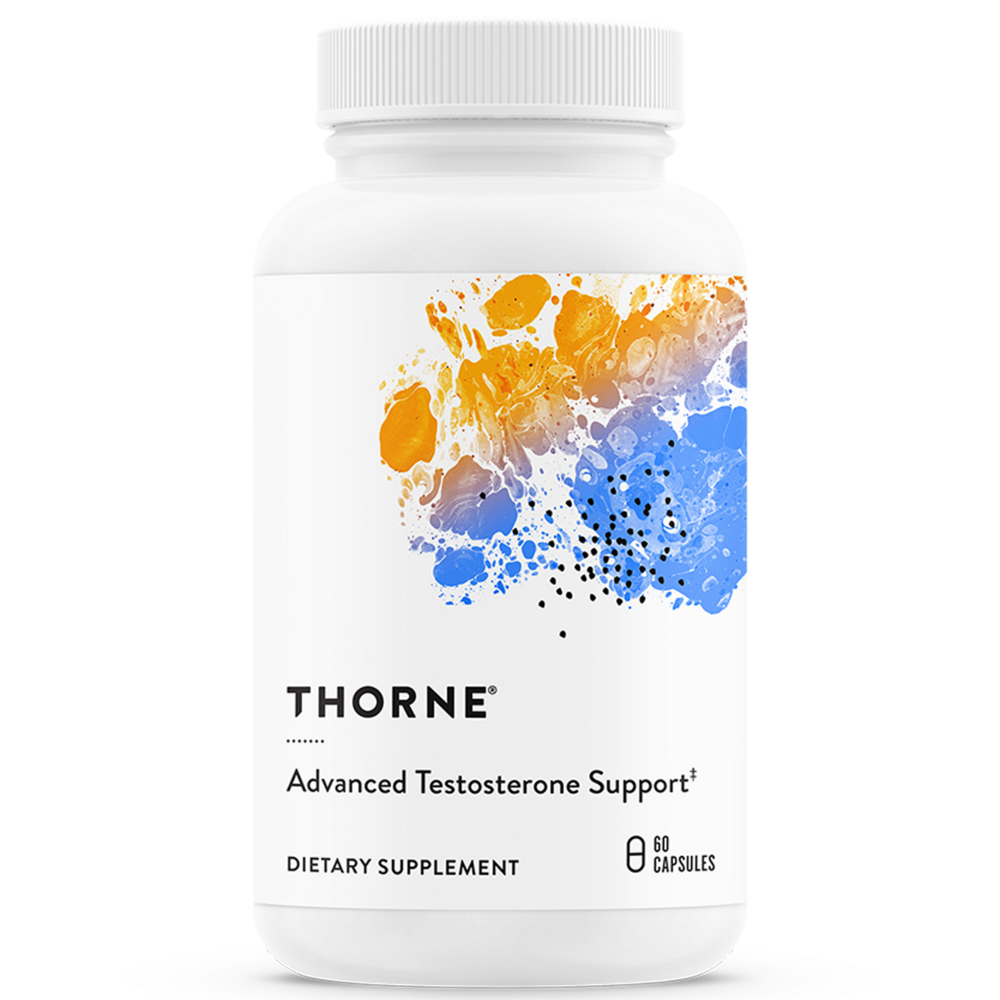
Advanced Testosterone Support
Thorne
60 capsules
$43.00$38.70 with Subscribe & Save
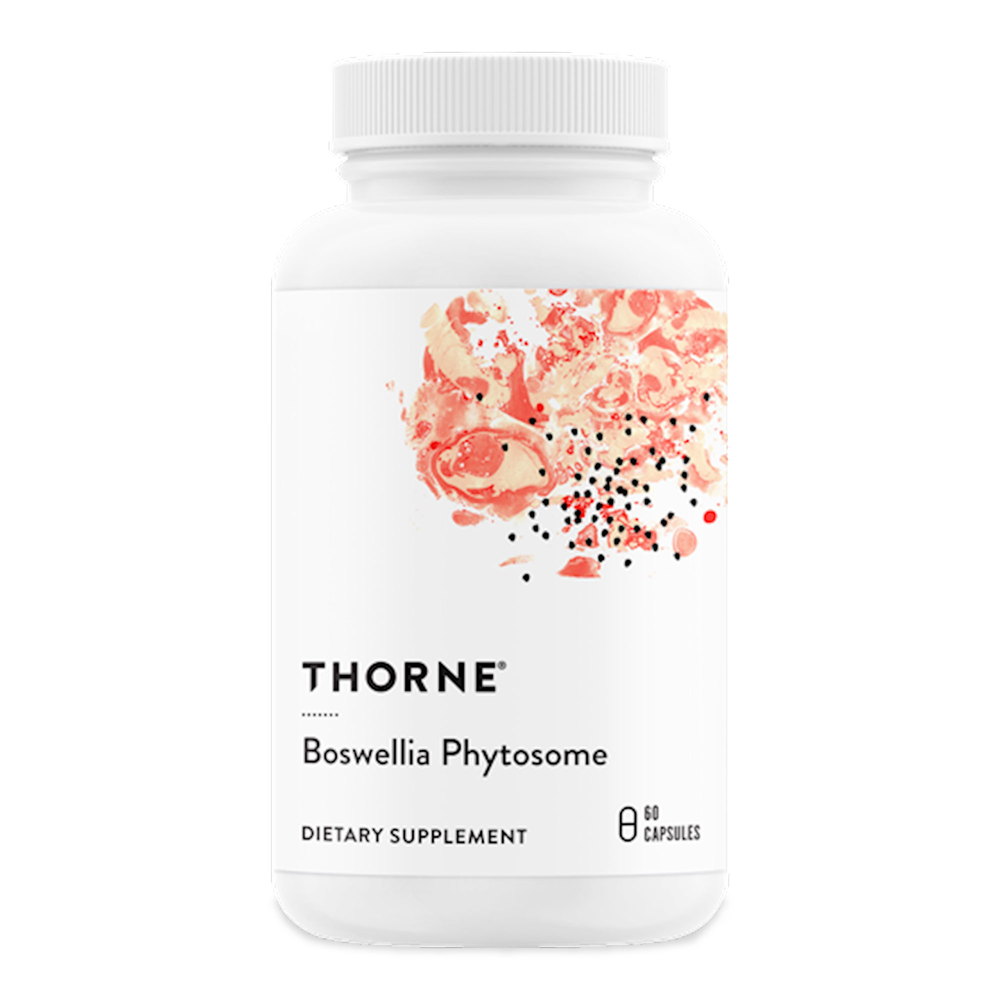
Boswellia Phytosome
Thorne
60 capsules
$59.00$53.10 with Subscribe & Save
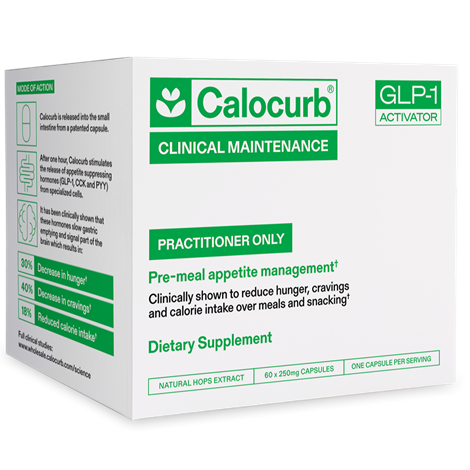
Calocurb® Clinical Maintenance Pack
Ortho Molecular Products
60 capsules
$142.90$128.74 with Subscribe & Save
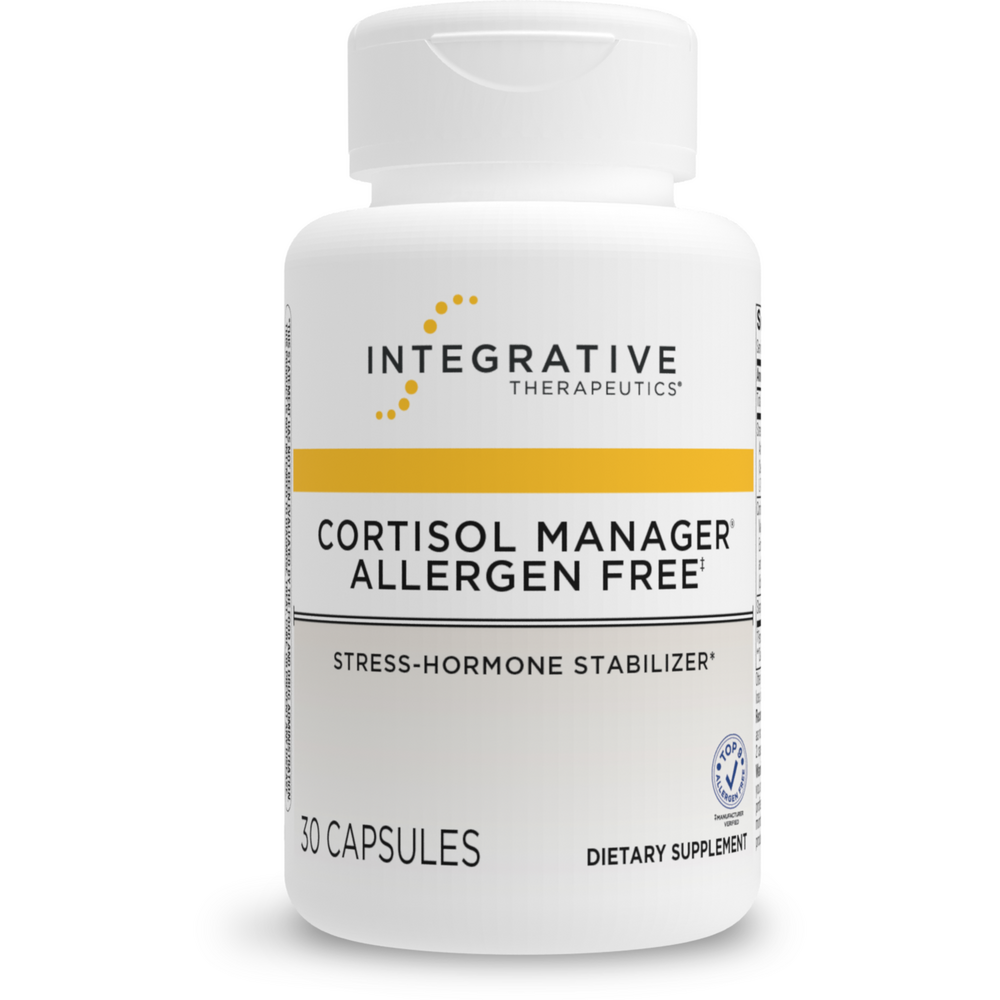
Cortisol Manager Allergen Free
Integrative Therapeutics
30 capsules
$28.99$22.99 with Subscribe & Save