 Instalab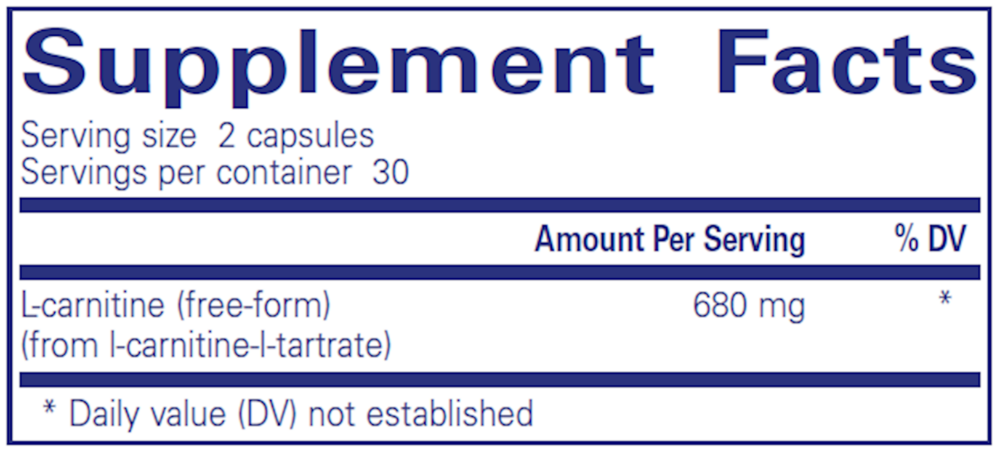

Pure Encapsulations
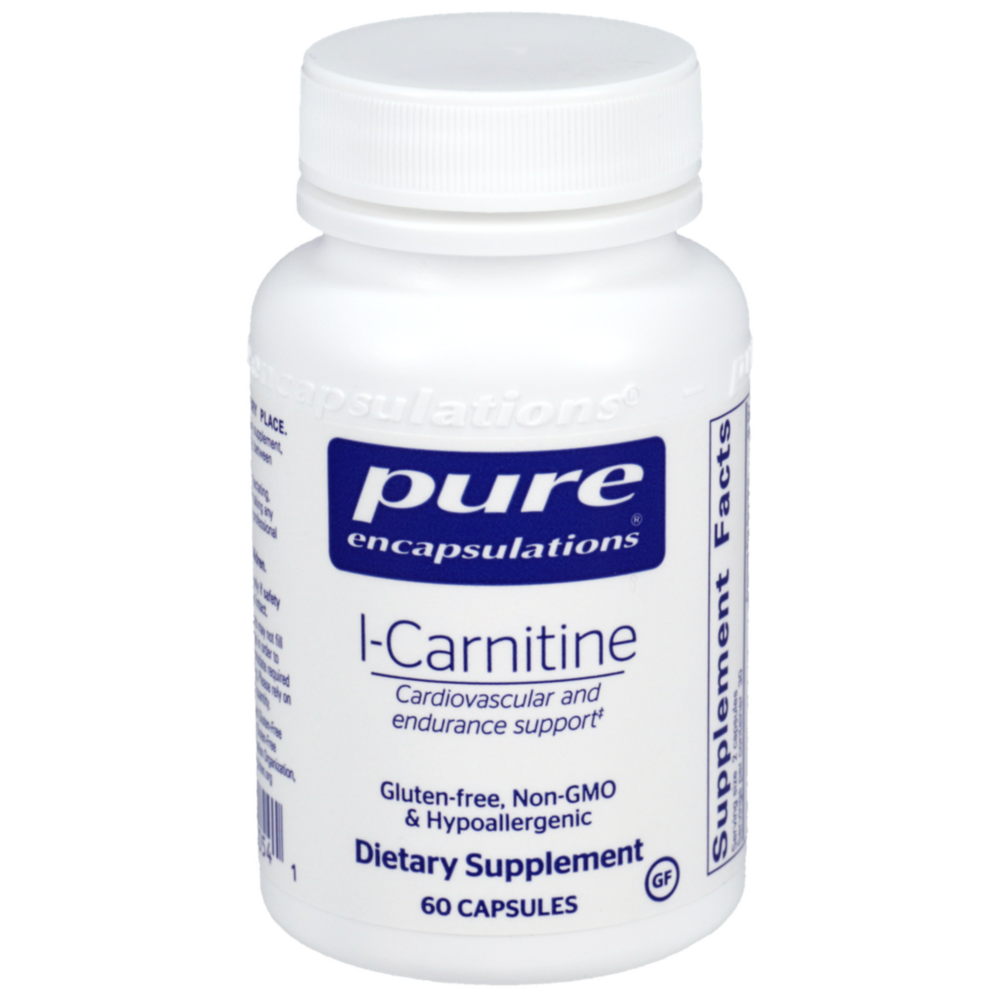
L-Carnitine 340 mg by Pure Encapsulations
60 capsules · 60-day supply
Supports Energy Production and Muscle Recovery for Active Lifestyles$52.50
Purchase options
Practitioner-grade brand3rd-party testedFree shipping $50+
Vegan·Vegetarian·Gluten Free
Pure Encapsulations L-Carnitine overview
If you rarely eat red meat and feel gassed on hard training days, L-carnitine is a pragmatic add. Vegans and low‑meat eaters tend to run lower on carnitine, and athletes use it for faster recovery. It’s also reasonable if your Triglycerides run high and you’re working on fat loss, or if you have low energy on calorie-restricted diets. Dialysis patients and long-term valproate users are special cases who often need medical dosing, not a retail supplement.
L-carnitine ferries long‑chain fatty acids into mitochondria, the cell compartments that burn fat for energy. That improves fat use during exercise and helps clear acyl groups (fat byproducts) that can build up with intense training. This formula uses L‑carnitine L‑tartrate, the sport-studied form tied to less post‑exercise muscle damage and soreness within 1–2 weeks. It is different from acetyl‑L‑carnitine, which crosses into the brain more easily and is aimed at cognition, and from propionyl‑L‑carnitine, often used for circulation.
Take 2–4 capsules daily in divided doses between meals, as labeled. That yields 680–1,360 mg of L-carnitine from L‑carnitine L‑tartrate, a typical range for recovery studies. For training, many take one dose an hour before and another later in the day. Expect recovery changes within 1–2 weeks; any impact on body composition or Triglycerides generally needs 8–12 weeks of consistent use plus diet and exercise.
If you take thyroid hormone for hypothyroidism, L-carnitine can blunt thyroid effects at the tissue level; involve your prescriber and monitor symptoms and TSH (thyroid-stimulating hormone, the pituitary signal that regulates thyroid output). History of seizures warrants caution at higher doses. Significant kidney disease requires clinician guidance. If you have established heart disease and worry about TMAO (trimethylamine N‑oxide, a gut‑derived metabolite linked to risk in some studies), focus on diet and fiber while you discuss L-carnitine with your cardiologist.
Thyroid meds (levothyroxine or liothyronine): separate by several hours and monitor, as carnitine can reduce tissue responsiveness. Warfarin: rare reports of INR changes exist; check more frequently when starting. Valproic acid: clinicians sometimes add carnitine in that setting, so coordinate care. Pairing with carbohydrates around training can aid muscle uptake, while high-fat meals may slow absorption.
Frequently asked questions
Does L-carnitine help with weight loss?
It can modestly improve fat use during exercise, but it is not a stand-alone fat burner. Any change in body fat usually depends on diet and training over 8–12 weeks.
How long does L-carnitine take to work?
For recovery and soreness, many athletes notice a difference within 1–2 weeks. For lipids or body composition, give it 8–12 weeks alongside a stable program.
Should I take L-carnitine with food or on an empty stomach?
Between meals is ideal for absorption. Athletes often take one dose about an hour before training. Consistency matters more than exact timing.
What’s the difference between L-carnitine and acetyl-L-carnitine?
L-carnitine targets muscle and metabolism. Acetyl‑L‑carnitine crosses into the brain more readily and is used for cognition and nerve health. Doses and goals differ.
Does L-carnitine raise TMAO and heart risk?
Carnitine can increase TMAO (a gut-derived metabolite), especially in omnivores, but whether that changes outcomes with supplementation is unsettled. Discuss with your cardiologist if you have known heart disease.
Is L-carnitine safe with thyroid medication?
Use caution. Carnitine can reduce thyroid hormone action in tissues. Separate dosing and have your prescriber monitor symptoms and labs if you start it.
What side effects should I watch for?
Most people tolerate it well. Possible effects include nausea, cramping, or a fishy odor. Reduce the dose or stop if you notice symptoms, and hydrate well.
Is L-carnitine suitable for vegans?
Yes. Vegans often have lower carnitine intake from diet, so supplementation can be useful. Choose a capsule that aligns with your dietary preferences.
How to take it & ingredients
Suggested use: Take 2–4 capsules daily, in divided doses, between meals.
Active ingredients
1 capsule per serving · 60 servings
l-Carnitine
Free-form, from l-carnitine-l-tartrate
Free-form, from l-carnitine-l-tartrate
340 mg
Other ingredients: Hypoallergenic Plant Fiber (Cellulose), Ascorbyl Palmitate, Vegetarian Capsule (Cellulose, Water)
Certifications
Benefits
Warnings