 Instalab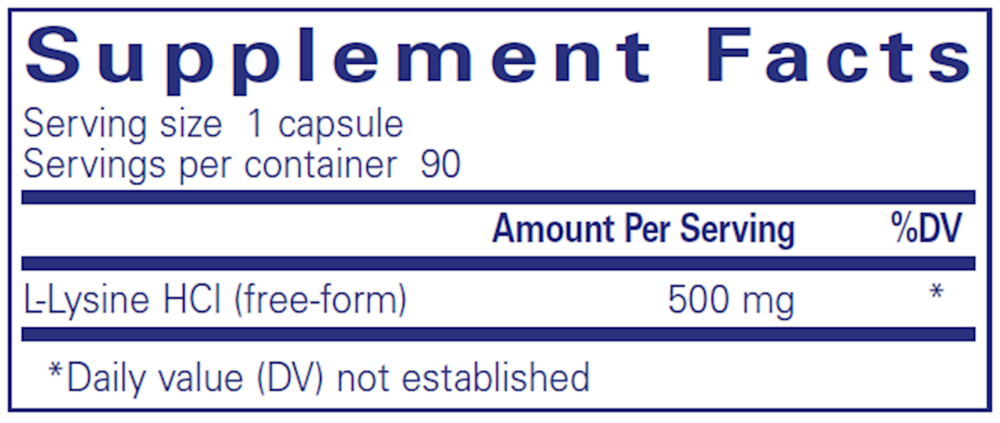

Pure Encapsulations
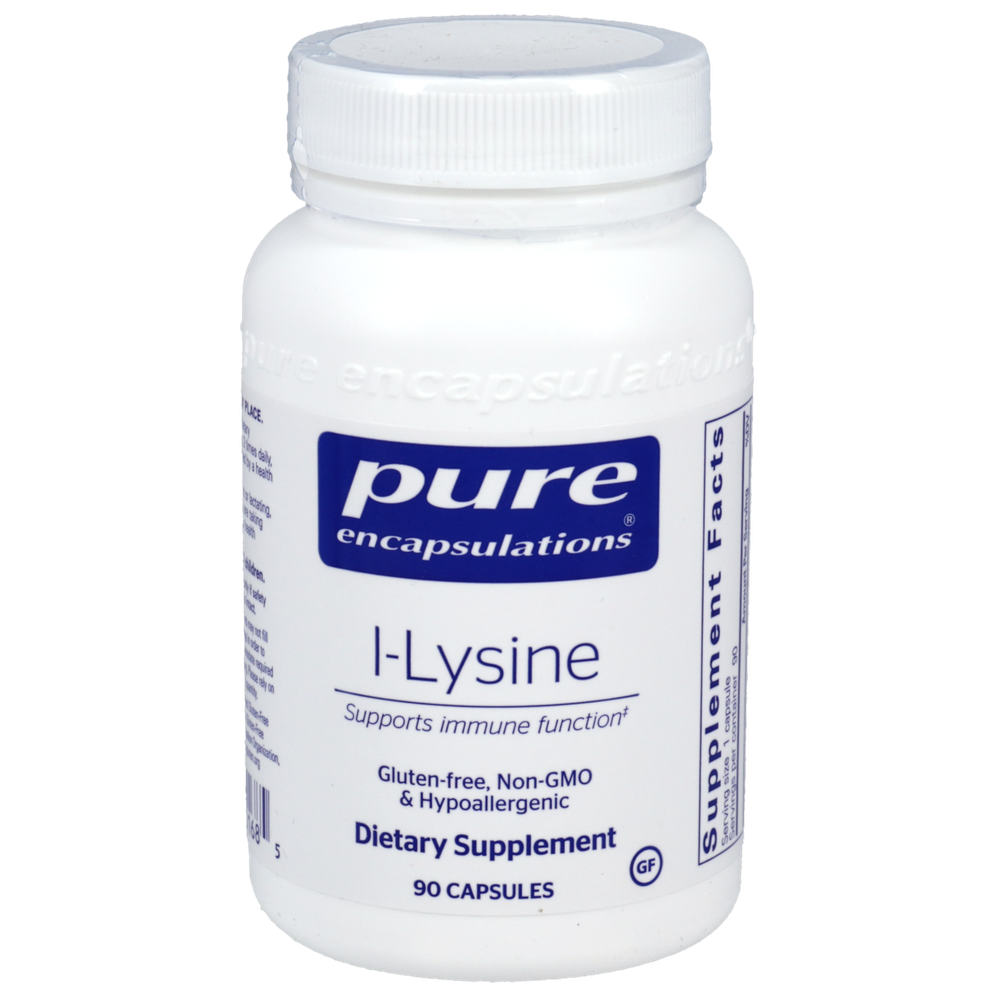
L-Lysine 500 mg by Pure Encapsulations
90 capsules · 90-day supply
Essential Amino Acid for Immune, Skin, and Oral Health Support$15.50
Purchase options
Practitioner-grade brand3rd-party testedFree shipping $50+
Vegan·Vegetarian·Gluten Free
Pure Encapsulations L-Lysine overview
Frequent cold sores are the main reason adults reach for L-lysine for cold sores. If you tend to break out after stress, sun, dental work, or a high-arginine day (lots of nuts, chocolate, or protein powders), daily L-lysine can reduce recurrences and shorten healing time in many people. It’s also a practical add-on if you use prescription antivirals during flares. Plant-forward eaters whose protein skews toward grains may benefit as a maintenance nutrient, since lysine is the most limited amino acid in cereal-heavy diets.
Herpes simplex virus relies on arginine (an amino acid) to assemble new viral proteins. L-lysine competes with arginine for transport into cells, effectively lowering arginine availability, which is why many see fewer or milder outbreaks with steady use. Separately, lysine is required to form and cross-link collagen, the structural protein in skin and gums, which helps explain reports of healthier lip and gum tissue. Evidence for anxiety relief is limited, so use it primarily for outbreak control and tissue support.
The suggested use is two 500 mg capsules per day between meals for a total of 1,000 mg. Taking it away from food improves amino acid absorption and keeps the lysine-to-arginine ratio favorable. This is a maintenance-level dose. Clinical prevention studies often used 1,000 to 3,000 mg per day, sometimes more during the first few days of a flare, so if your outbreaks are frequent, discuss a higher regimen with your clinician rather than self-escalating.
L-lysine can be taken with acyclovir or valacyclovir; there’s no known conflict. If you supplement arginine for workouts or blood pressure, lysine may blunt arginine’s effects, so separate dosing or reconsider the combo. Long-term high doses can increase calcium absorption, so those with a history of high calcium or recurrent kidney stones should use clinician guidance. If you have significant kidney or liver disease, or you’re pregnant, stick to dietary intake unless your doctor advises otherwise.
Frequently asked questions
Does L-lysine really help cold sores?
Often, yes. Many trials show fewer outbreaks and faster healing when taken daily, especially alongside a lower-arginine diet. Results vary by dose and consistency, and it works best as prevention rather than as a stand-alone cure once a blister is fully developed.
How long does L-lysine take to work for cold sores?
For prevention, give it 4 to 8 weeks of daily use to judge recurrence patterns. During a flare, people who respond typically notice milder symptoms within a few days when they start promptly, especially if combined with standard antiviral therapy.
What dose of L-lysine should I take?
This formula provides 1,000 mg per day as directed. Research on prevention commonly used 1,000–3,000 mg daily. If your outbreaks are frequent or severe, talk with your clinician before using higher amounts or acute loading strategies.
Should I avoid high-arginine foods like nuts or chocolate?
If you’re outbreak-prone, moderating very high-arginine foods can help, particularly during times you’re vulnerable (stress, sun). You don’t need to eliminate them, but aim for balanced protein that includes lysine-rich sources like legumes, dairy, eggs, fish, or soy.
Can I take L-lysine with antivirals like acyclovir or valacyclovir?
Yes. There are no known harmful interactions, and many clinicians pair daily L-lysine with on-demand antivirals. Keep antiviral dosing exactly as prescribed; use lysine as an adjunct, not a replacement.
Are there side effects from L-lysine?
Most tolerate it well. Occasional nausea or stomach upset can occur, which often improves when taken between meals with water. Very high long-term doses have been linked to higher calcium absorption, so use medical guidance if you have a history of kidney stones.
Is L-lysine safe long term?
For healthy adults, daily supplemental doses in the 1,000–3,000 mg range are generally well tolerated. If you have kidney or liver disease, are pregnant, or take multiple supplements that affect calcium, review your plan with your clinician.
Is L-lysine helpful for vegans or low-protein diets?
It can be. Lysine is the most limited amino acid in grain-heavy patterns. If your protein skews toward cereals with few legumes or soy, a modest daily dose can help cover the gap; better yet, increase lysine-rich whole foods.
How to take it & ingredients
Suggested use: Take 2 capsules daily, between meals, or as directed by a health professional.
Active ingredients
1 capsule per serving · 90 servings
L-Lysine HCl
500 mg
Other ingredients: Ascorbyl Palmitate, Vegetarian Capsule (Cellulose, Water)
Certifications
Benefits
Warnings