 Instalab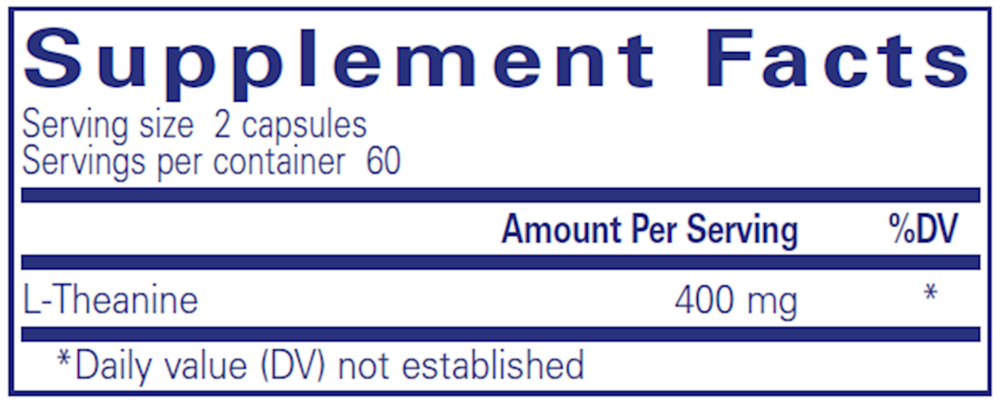
Pure Encapsulations
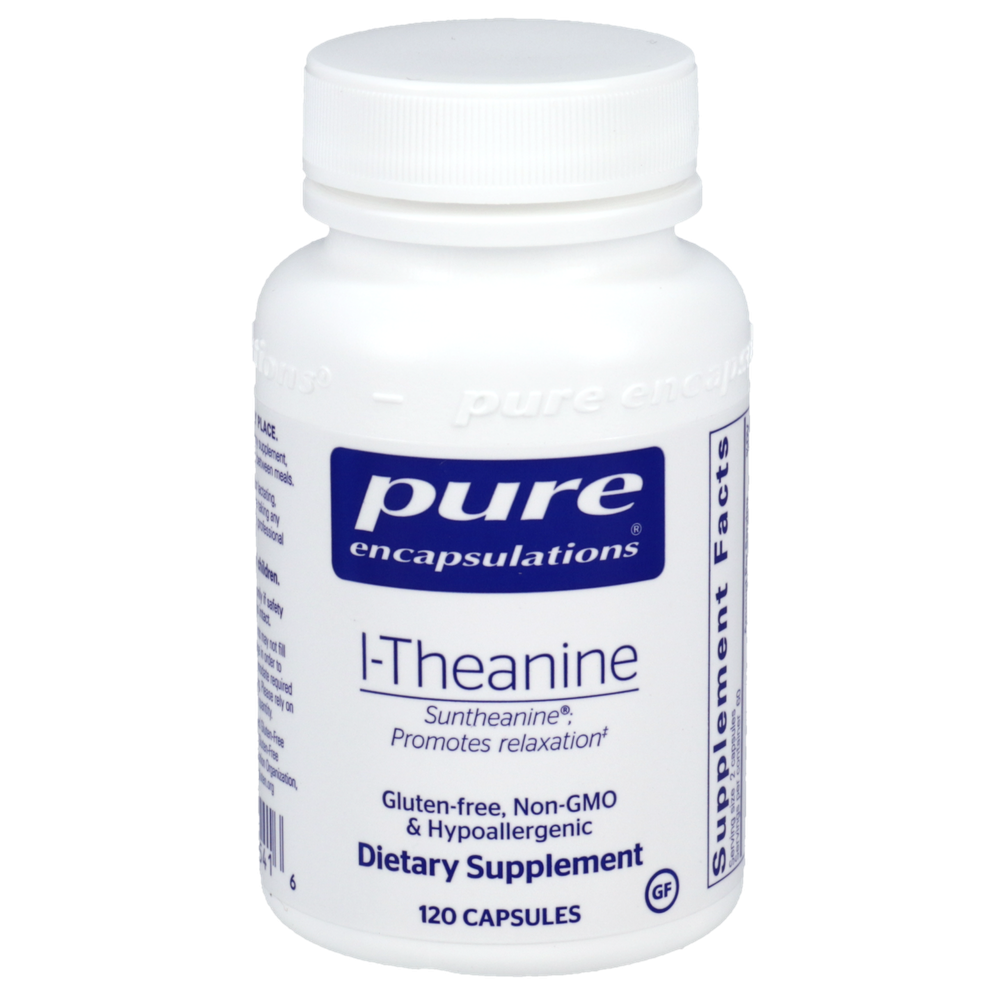
L-Theanine 400 mg by Pure Encapsulations
120 capsules · 60-day supply
Promotes Calm and Relaxation for Enhanced Focus and Well-Being$115.00
Purchase options
Practitioner-grade brand3rd-party testedFree shipping $50+
Vegan·Vegetarian·Gluten Free
Pure Encapsulations L-Theanine overview
Coffee jitters, racing thoughts before a presentation, or a wired-but-tired evening are the classic use cases for L-theanine for anxiety and calm focus. It fits adults who want relaxation without sedation, students or knowledge workers pairing it with caffeine for cleaner attention, and light sleepers whose mind won’t shut off. Effects start within 30–60 minutes and often feel like a smoother, less reactive state. It can also blunt stress-related blood pressure spikes, though it is not a blood pressure treatment.
L-theanine, the calming amino acid from tea, crosses into the brain and increases alpha waves (an EEG pattern linked to relaxed alertness). It nudges calming neurotransmitters like GABA (the brain’s “brake”) and tones down glutamate (the brain’s “gas”), which reduces reactivity to stress. With caffeine, it trims shakiness while preserving reaction time and attention. It isn’t a sedative, so it won’t knock you out, but it can make sleep initiation easier when anxiety is the blocker.
Take L-theanine between meals; a single dose typically works best 30–60 minutes before a stressful event, a focused work block, or bedtime. Common single doses are 100–200 mg, with daily totals of 200–600 mg. The label allows adults two capsules up to three times daily; most start lower and titrate weekly. For coffee, a practical pairing is 200 mg theanine with 50–150 mg caffeine. Children can follow the label’s smaller 1-capsule dosing.
If you have low blood pressure or take antihypertensives, monitor for lightheadedness as stress eases. Sedatives, sleep aids, and alcohol have additive calming effects. L-theanine generally plays well with SSRIs and SNRIs, but check with your clinician if you’re on multiple psychoactive medicines. Pregnancy and breastfeeding lack good data, so avoid unless your provider approves. Rarely, sensitive users report headache or GI upset at higher doses.
Frequently asked questions
How fast does L-theanine work?
Most people feel calmer within 30–60 minutes, with effects lasting a few hours. For steady daytime calm, split doses across the day. For sleep, take it 1–2 hours before bed if a busy mind is the issue.
Does L-theanine make you sleepy?
No, it relaxes without sedation. Many feel calm but mentally clear. It can help you fall asleep if anxiety is the blocker, but it won’t act like a sleeping pill on its own.
Can I take L-theanine with coffee?
Yes. Pairing L-theanine with caffeine often reduces jitters while preserving focus. A common ratio is about 200 mg theanine with 50–150 mg caffeine. Start low and adjust to effect.
What’s a safe daily dose of L-theanine?
Typical daily intake is 200–600 mg split into 1–3 doses. Higher totals have been studied short term, but start at 100–200 mg and increase weekly based on response.
Is L-theanine safe for kids?
The label includes dosing for ages 8–18 and it’s been used in pediatric studies, but discuss with a pediatric clinician, especially if your child takes ADHD or anxiety medications.
Does L-theanine lower blood pressure?
It can blunt stress-related blood pressure rises, but it’s not a treatment for hypertension. If you’re on blood pressure medication, monitor for dizziness when starting.
Are there side effects with L-theanine?
Side effects are uncommon and usually mild: headache, stomach upset, or dizziness at higher doses. Taking it between meals and titrating slowly reduces the chance of issues.
Can I take L-theanine every day?
Yes, many people use it daily for steady calm or focus. Others reserve it for high-stress days. There’s no known dependence, and tolerance is uncommon at typical doses.
How to take it & ingredients
Suggested use: As a dietary supplement, children ages 8-18, take 1 capsule, 1-2 times daily, between meals. Adults, take 2 capsules, 1-3 times daily, between meals.
Active ingredients
2 capsules per serving · 60 servings
L-Theanine
400 mg
Other ingredients: Hypoallergenic Plant Fiber (Cellulose), Vegetarian Capsule (Cellulose, Water)
Certifications
Benefits
Warnings
Customers also considered
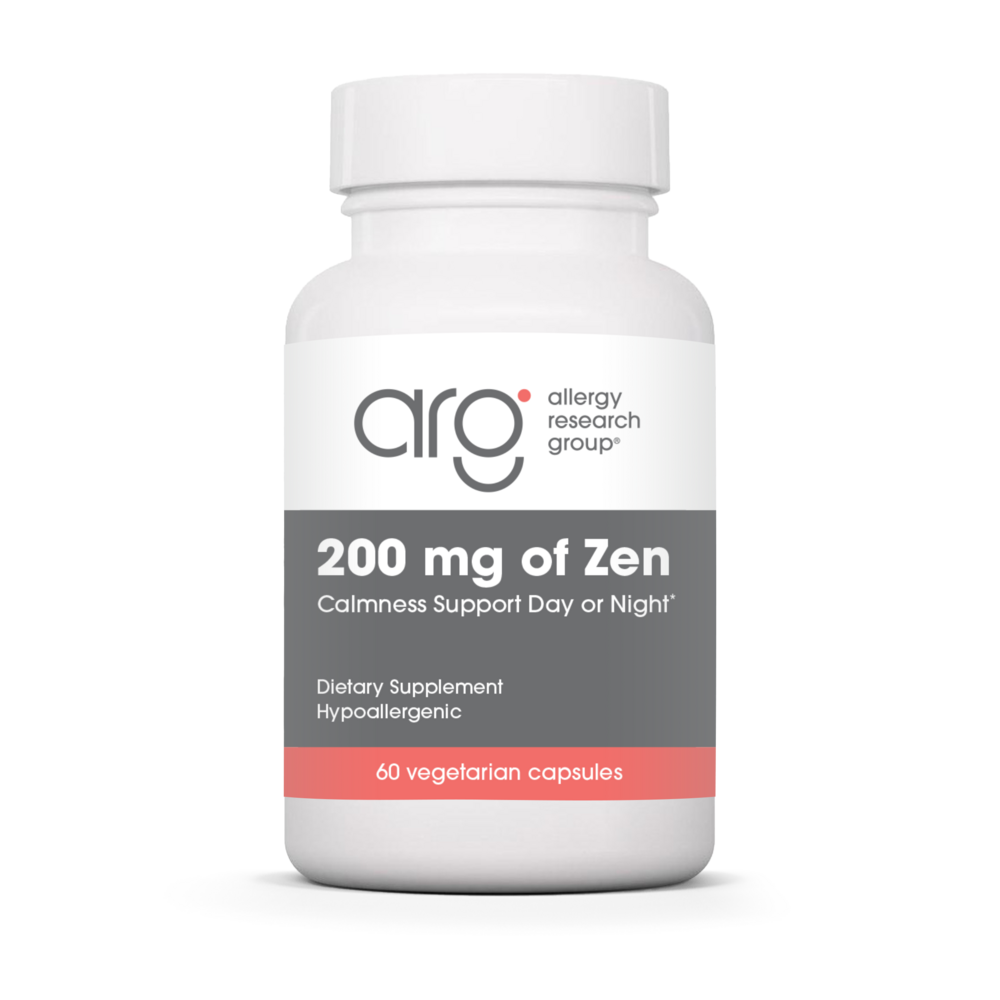
200 mg of Zen Stress Support
Allergy Research Group
60 capsules
$44.99$35.99 with Subscribe & Save
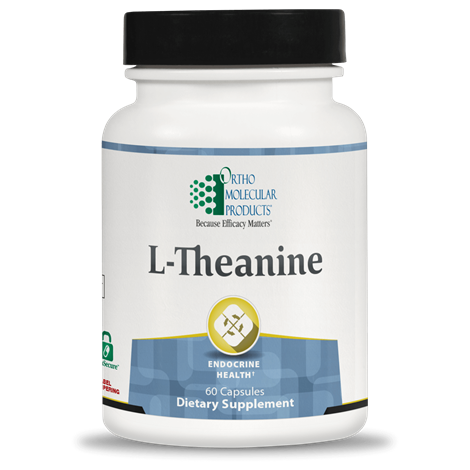
L-Theanine
Ortho Molecular Products
60 capsules
$58.44$52.65 with Subscribe & Save
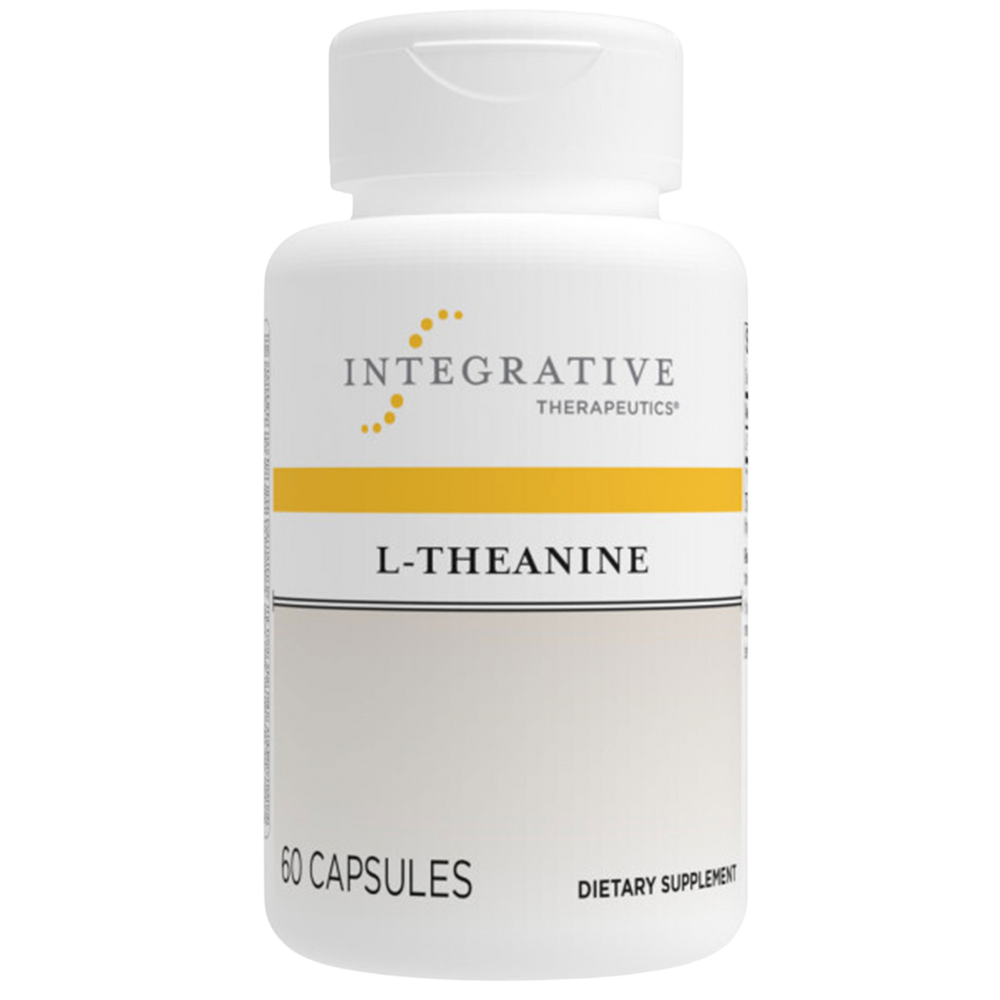
L-Theanine
Integrative Therapeutics
60 capsules
$22.99$17.99 with Subscribe & Save
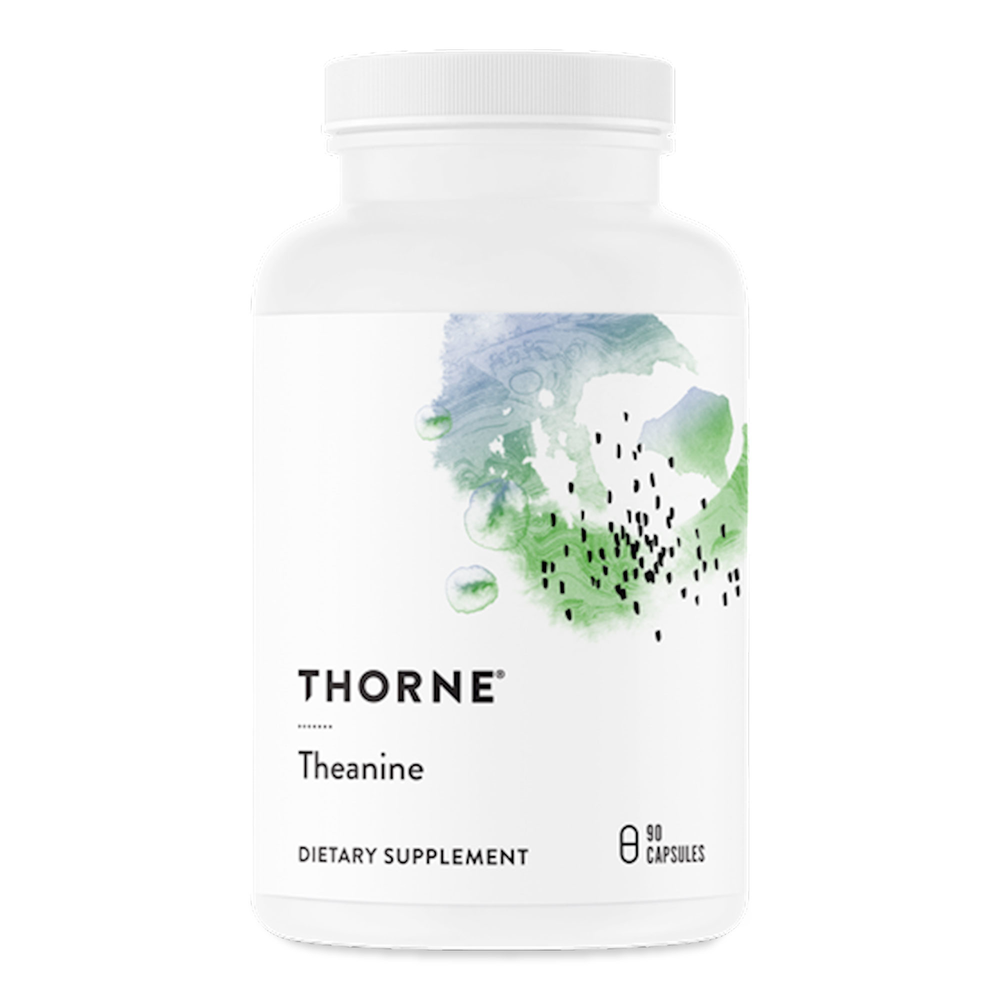
Theanine
Thorne
90 capsules
$68.00$61.20 with Subscribe & Save