 Instalab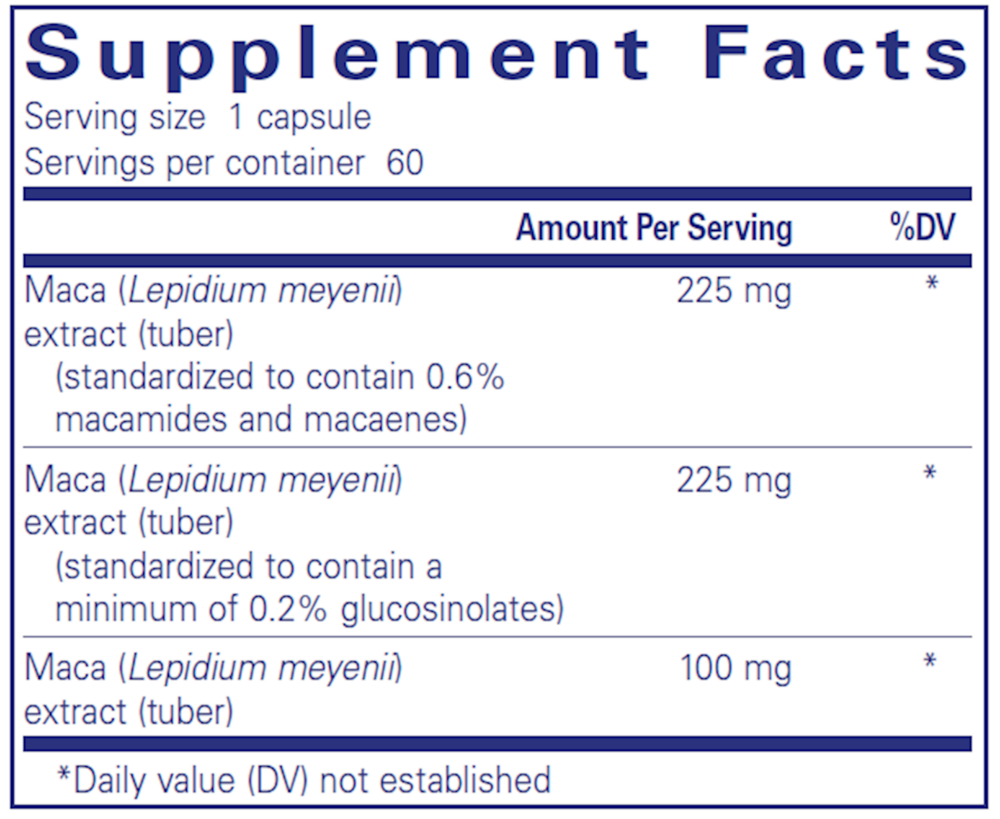

Pure Encapsulations
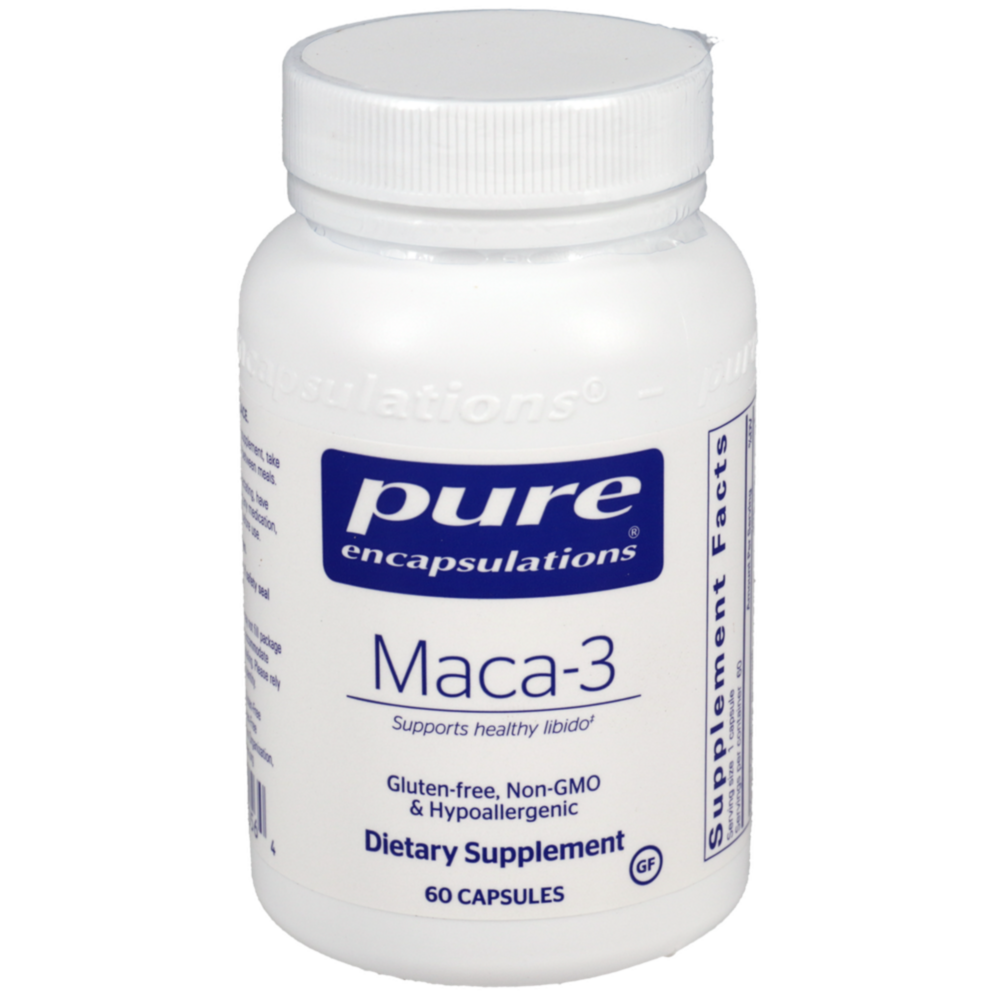
Maca-3 by Pure Encapsulations
60 capsules · 60-day supply
Support for Energy, Hormone Balance, and Sexual Health$48.50
Purchase options
Practitioner-grade brand3rd-party testedFree shipping $50+
Vegan·Vegetarian·Gluten Free
Pure Encapsulations Maca-3 overview
Low desire with normal testosterone or estradiol labs is where maca often fits. Trials show improved sexual desire within 2 to 8 weeks without changing sex hormone levels. It’s useful for men avoiding yohimbine or DHEA, and for women in late reproductive years or post‑menopause who want help with desire and mood without hormone therapy. People on selective serotonin reuptake inhibitors who notice sexual side effects are another group with small but real benefits reported. If fatigue is the main issue, check iron (Ferritin), thyroid (TSH), and Vitamin D, 25-Hydroxy first.
This formula blends maca extracts standardized to macamides/macaenes (lipid-like compounds linked to arousal and motivation pathways) and glucosinolates (sulfur-containing plant compounds also found in broccoli). Maca’s signal is primarily central, meaning brain-level arousal and stress resilience, not a boost in measured testosterone or estradiol. In men, longer use has shown modest improvements in semen parameters, such as count and motility, likely from antioxidant action. The upshot: perceived energy and desire improve without pushing hormone labs outside your baseline.
Take 1 capsule once daily for a week, then increase to 1 capsule twice daily if desired, with or between meals, as Pure Encapsulations suggests. Morning or midday suits most people; a minority feel alert from maca and prefer to avoid bedtime dosing. Research often uses 1.5–3 g/day of maca powder; concentrated extracts like this reach similar actives at lower milligram amounts. Be consistent for 4 to 8 weeks before judging libido, and 8 to 16 weeks for semen analyses.
Pregnancy or breastfeeding: avoid due to limited safety data. If you have thyroid disease or take levothyroxine, maca’s glucosinolates (compounds that can reduce iodine uptake) warrant caution; keep iodine adequate and recheck TSH after a few weeks. With hormone-sensitive cancers, discuss any libido aid with your oncology team first. If your low desire stems from pain, depression, low testosterone, high prolactin, or relationship distress, address those directly; maca won’t fix them.
Frequently asked questions
Does maca increase testosterone or estrogen?
Not meaningfully. Most controlled studies find better sexual desire without changes in measured testosterone, estradiol, luteinizing hormone, or sex hormone–binding globulin. If you want to raise hormones, this isn’t the tool.
How long does maca take to work for libido?
Most people who respond notice changes within 2 to 8 weeks with daily use. For fertility endpoints like sperm count or motility, plan on 8 to 16 weeks and confirm with a semen analysis.
Is maca safe to take with SSRIs?
Generally yes, and small trials suggest benefit for SSRI-related sexual dysfunction. There’s no known direct drug interaction, but stay in touch with your prescriber if mood or sleep shifts.
Can I take maca at night?
You can, but some people feel more alert on maca. If sleep is light or you feel wired, switch to morning or midday dosing. Taking it with food doesn’t blunt effects.
Does maca affect the thyroid?
Maca contains glucosinolates, plant compounds that can reduce iodine uptake when intake is very high and iodine is low. If you have thyroid disease, keep iodine adequate and recheck TSH after starting.
Is maca better as powder or extract?
Extracts standardize active macamides and glucosinolates, so you need fewer capsules than powder by weight. Powders are useful for higher intakes; extracts are more convenient for steady daily use.
Is maca for men or women?
Both. Studies report modest improvements in sexual desire in men and women, and semen parameters in men. It doesn’t act like hormone therapy, so expectations should be measured.
How to take it & ingredients
Suggested use: As a dietary supplement, take 1 capsule, 1-2 times daily, with or between meals.
Active ingredients
1 capsule per serving · 60 servings
Maca Extract
(Lepidium meyenii)(tuber)(standardized to contain 0.6% macamides and macaenes)
(Lepidium meyenii)(tuber)(standardized to contain 0.6% macamides and macaenes)
225 mg
Maca Extract
(Lepidium meyenii)(tuber)(standardized to contain 0.1% glucosinolates)
(Lepidium meyenii)(tuber)(standardized to contain 0.1% glucosinolates)
225 mg
Maca Extract
(Lepidium meyenii)(tuber)
(Lepidium meyenii)(tuber)
100 mg
Other ingredients: Vegetarian Capsule (Cellulose, Water), Hypoallergenic Plant Fiber (Cellulose), Ascorbyl Palmitate
Certifications
Benefits
Warnings
Customers also considered
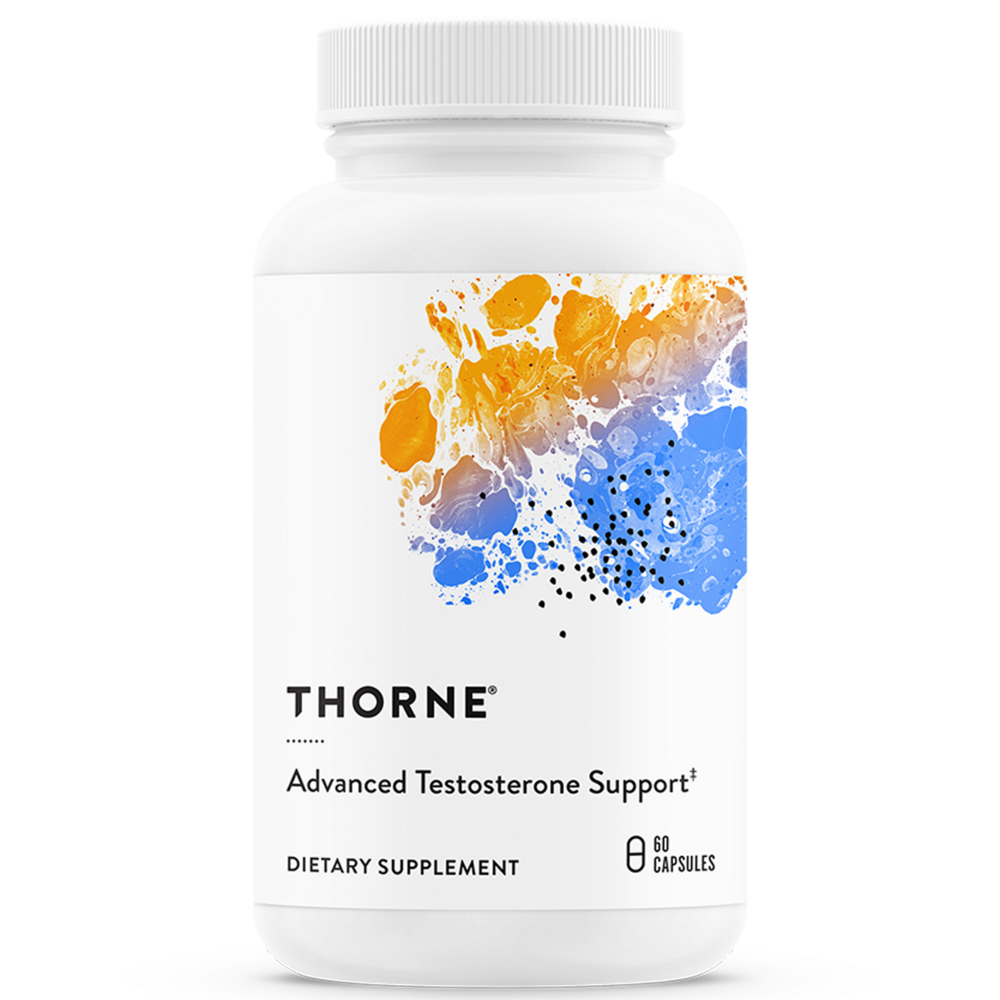
Advanced Testosterone Support
Thorne
60 capsules
$43.00$38.70 with Subscribe & Save
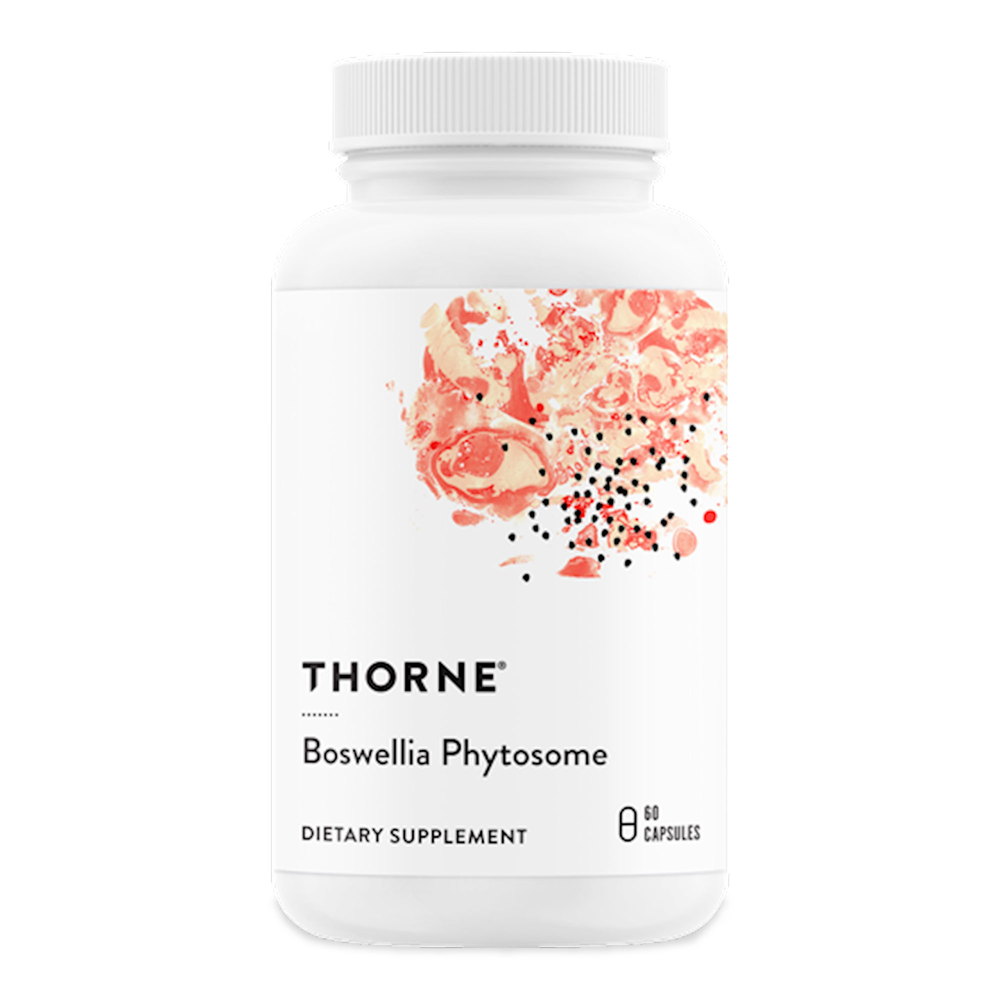
Boswellia Phytosome
Thorne
60 capsules
$59.00$53.10 with Subscribe & Save
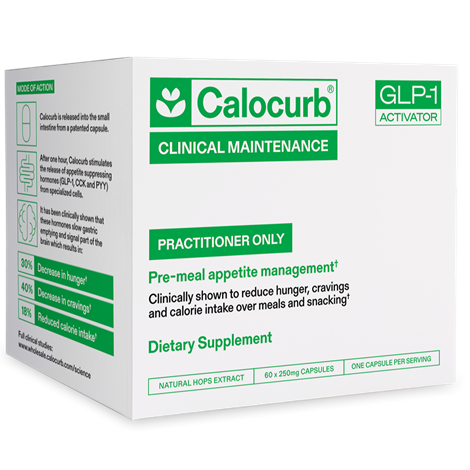
Calocurb® Clinical Maintenance Pack
Ortho Molecular Products
60 capsules
$142.90$128.74 with Subscribe & Save

Cortisol Manager Allergen Free
Integrative Therapeutics
30 capsules
$28.99$22.99 with Subscribe & Save