 Instalab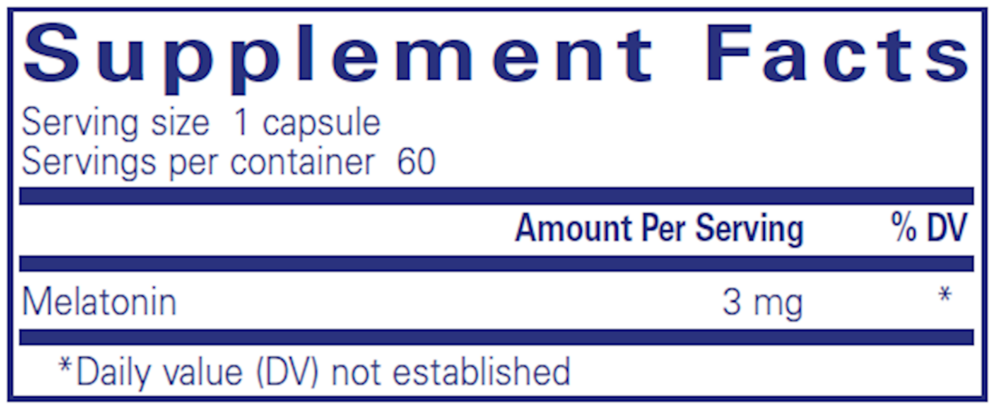

Pure Encapsulations
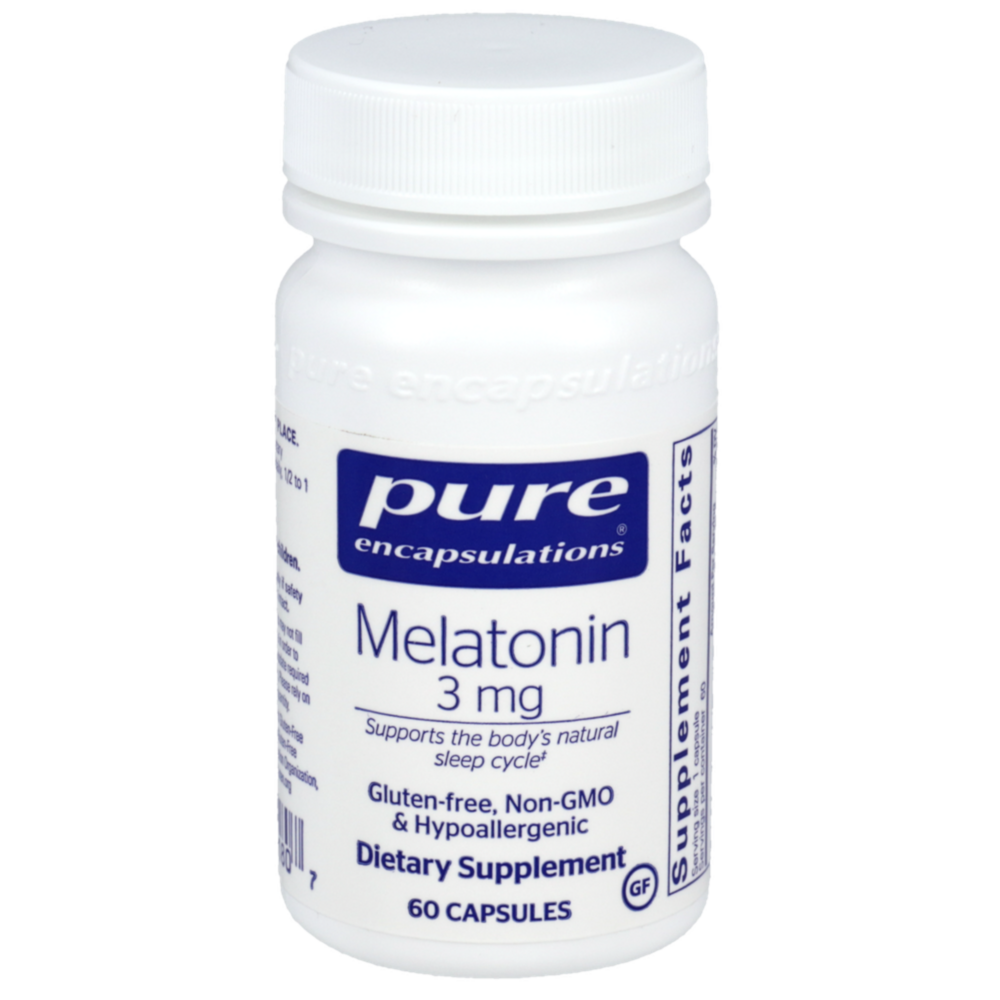
Melatonin 3mg by Pure Encapsulations
60 capsules · 60-day supply
Support for Restful Sleep and Relaxation$15.50
Purchase options
Practitioner-grade brand3rd-party testedFree shipping $50+
Vegan·Vegetarian·Gluten Free
Pure Encapsulations Melatonin 3mg overview
If you struggle to fall asleep on time, melatonin 3 mg fits a short, targeted trial. It helps most when your sleep timing is off: jet lag after crossing time zones, delayed sleep phase (night owl pattern), or shift work. It’s less reliable for frequent awakenings. Adults who want a drug-free option before prescription sleep aids often start here. If you’re sensitive to supplements or wake groggy, begin with a lower dose and step up.
Melatonin is the brain’s darkness signal, released by the pineal gland to cue your body clock. Taken in the evening, it binds MT1 and MT2 receptors (the clock’s timing switches), nudging sleep onset earlier and slightly lowering core body temperature, which helps you drift off. In trials, it modestly shortens time-to-sleep in general insomnia, with clearer benefits for jet lag and delayed sleep phase, where timing—not sedation—is the goal.
Pure Encapsulations suggests one capsule 30–60 minutes before bed. For jet lag, take melatonin at the target bedtime in the new time zone for 2–5 nights. For delayed sleep phase, dose 4–6 hours before your current natural sleep time for a week while moving bedtime earlier. If next-day grogginess occurs, reduce to 0.5–1 mg. Avoid alcohol that evening; it fragments sleep and blunts melatonin’s effect.
Skip melatonin if you’re pregnant or breastfeeding unless your clinician advises it. Use caution with warfarin or other blood thinners, sedatives, or if you have epilepsy or autoimmune disease; speak with your physician first. Fluvoxamine and ciprofloxacin can markedly raise melatonin levels. If you’re on nightly benzodiazepines or Z‑drugs, don’t combine without medical guidance due to additive sedation.
Frequently asked questions
How long does 3 mg melatonin take to work?
Most people feel drowsier within 30–60 minutes. If it’s for jet lag or shifting a delayed sleep phase, expect the body clock shift to accrue over 3–5 nights of correctly timed dosing.
Is melatonin safe to take every night?
Short-term nightly use is generally well tolerated in adults. For months-long use, focus on timing and the lowest effective dose, and review with your clinician if you need it beyond a few weeks.
Will melatonin make me groggy the next day?
It can, especially at higher doses or if taken too late. Reduce to 0.5–1 mg, take it earlier in the evening, and keep a consistent bedtime. If grogginess persists, it’s not the right fit.
Can I take melatonin with antidepressants or anti-anxiety meds?
Often yes, but check first. Fluvoxamine strongly raises melatonin levels. Combining with sedatives can increase drowsiness. If you notice headaches, vivid dreams, or mood changes, stop and reassess.
Does melatonin help you stay asleep or just fall asleep?
It mainly helps with sleep onset and shifting timing. It’s less consistent for frequent awakenings. If your issue is early-morning waking, address sleep schedule, light exposure, and caffeine first.
Is melatonin addictive or habit-forming?
No, melatonin is not addictive and does not cause withdrawal. If you rely on it nightly, it may be covering a timing issue or late-evening light exposure that’s fixable with routine changes.
Can I drink alcohol with melatonin?
It’s best to avoid. Alcohol disrupts sleep architecture and can counteract melatonin’s benefits while increasing next-day grogginess and impairing coordination at night.
What’s the best way to use melatonin for jet lag?
Take it at the new local bedtime for 2–5 nights, get bright light in the morning, and keep naps short. Eastward trips benefit most. Timing matters more than dose once you’re in the 1–3 mg range.
How to take it & ingredients
Suggested use: Take 1 capsule 1/2 to 1 hour before bedtime.
Active ingredients
1 capsule per serving · 60 servings
Melatonin
3 mg
Other ingredients: Hypoallergenic plant fiber (cellulose), Vegetarian capsule (cellulose, water)
Certifications
Benefits
Warnings