 Instalab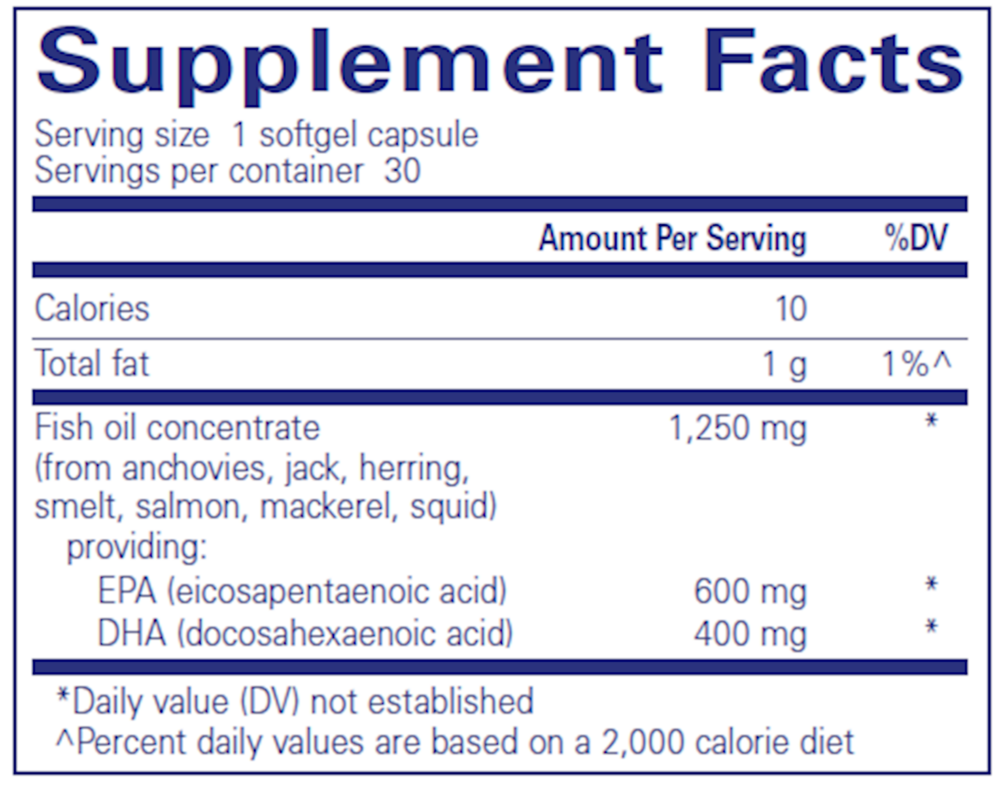

Pure Encapsulations
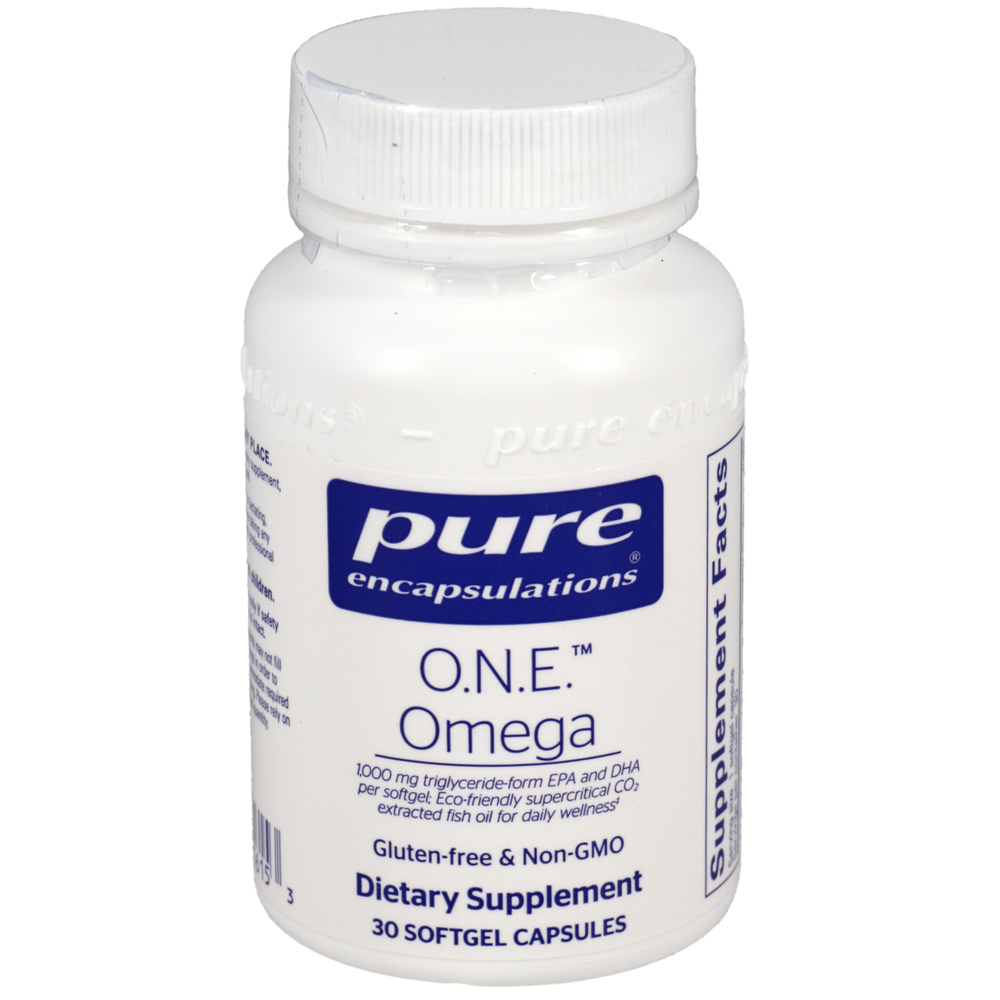
O.N.E. Omega 1250 mg by Pure Encapsulations
30 softgels · 30-day supply
Premium Fish Oil for Heart, Brain, and Joint Support$45.50
Purchase options
Practitioner-grade brand3rd-party testedFree shipping $50+
Pure Encapsulations O.N.E. Omega overview
If you’re looking at fish oil for triglycerides, this one-softgel format fits adults who eat little seafood and want a practical daily dose of omega-3. It’s a good pick if your Omega-3 Index is low or if your triglycerides are elevated on a lipid panel. People with stiff morning joints often notice subjective ease with regular omega-3 use, and some see small drops in hs-CRP (a blood marker of inflammation) over time. If you already eat fatty fish several times weekly, you may see less change.
EPA and DHA, the key omega-3s in fish oil, reduce how much fat your liver packages into VLDL particles (the carriers that show up on a lipid panel as triglycerides). They also nudge cells to burn fatty acids for energy faster, which further lowers circulating triglycerides. Most responders see a reduction within 4 to 12 weeks. In cell membranes, these fats shift signaling toward resolvins and protectins, which helps explain modest reductions in hs-CRP for some people.
Take one softgel with a meal, ideally one that contains fat to improve absorption and reduce fishy burps. If you’re targeting triglyceride reduction, recheck a fasting lipid panel and Omega-3 Index after 8 to 12 weeks. For those who need larger triglyceride drops, higher total EPA+DHA doses are often used in clinical practice, sometimes split with meals. If you get repeat fishy aftertaste, try taking it before bed or briefly chilling the softgel.
Avoid fish oil if you have a known fish or shellfish allergy unless your clinician has cleared a specific product for you. If you take blood thinners like warfarin or high-dose aspirin and clopidogrel, talk with your prescriber and monitor for easy bruising or nosebleeds. For upcoming surgery, most surgeons prefer stopping non-prescription omega-3 about a week prior. If your LDL cholesterol is a priority, recheck ApoB (the particle count) since DHA-containing fish oils can raise LDL-C slightly in some people.
Frequently asked questions
How long does fish oil take to lower triglycerides?
Most people who respond see triglycerides fall within 4 to 12 weeks. Take it consistently with meals, then recheck a fasting lipid panel and your Omega-3 Index to confirm the effect.
Does fish oil thin your blood?
At typical supplement doses it has a mild anti-platelet effect. If you’re on warfarin or dual antiplatelet therapy, involve your clinician and watch for bruising or bleeding.
What dose of EPA and DHA is in one softgel?
This softgel contains 1,250 mg fish oil concentrate. The exact EPA and DHA totals are not listed on the panel here, so check your bottle’s EPA+DHA per serving for clarity.
Can I take fish oil with a statin?
Yes. Statins and omega-3 are commonly combined when triglycerides remain elevated. Recheck triglycerides, non-HDL cholesterol, and ApoB after 8 to 12 weeks to track progress.
Is fish oil safe in pregnancy?
Omega-3s are often used in pregnancy, especially DHA, but use a product your obstetric clinician approves. Confirm purity, check labeling, and stick to recommended dosing.
How do I reduce fishy burps from fish oil?
Take it with a meal that has fat, try bedtime dosing, or chill the softgel briefly. If symptoms persist, consider an enteric-coated option or switch to a different brand source.
Will fish oil raise my LDL cholesterol?
Some people see a small LDL-C rise with DHA-containing fish oil. If that matters for you, track ApoB, which reflects particle number and cardiovascular risk more directly.
How to take it & ingredients
Suggested use: Take 1 softgel daily, with a meal.
Active ingredients
1 softgel per serving · 30 servings
▼
Fish Oil Concentrate
From anchovies, jack, herring, smelt, salmon, mackerel, squid
From anchovies, jack, herring, smelt, salmon, mackerel, squid
1250 mg
EPA
Eicosapentaenoic acid
Eicosapentaenoic acid
600 mg
DHA
Docosahexaenoic acid
Docosahexaenoic acid
400 mg
Other ingredients: Natural Mixed Tocopherols, Rosemary Extract (leaf), Gelatin Capsule (Gelatin, Glycerin, Water)
Certifications
Benefits
Warnings
Customers also considered
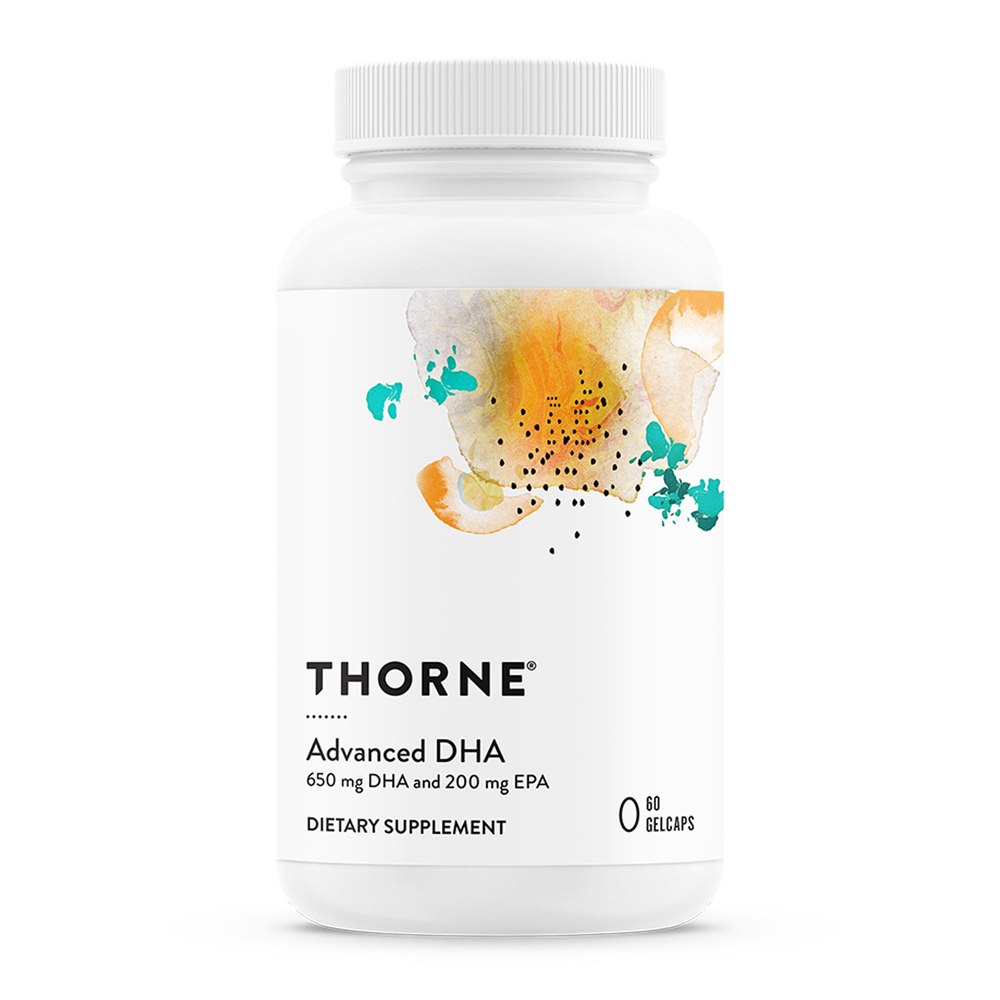
Advanced DHA
Thorne
60 gelcaps
$30.00$27.00 with Subscribe & Save
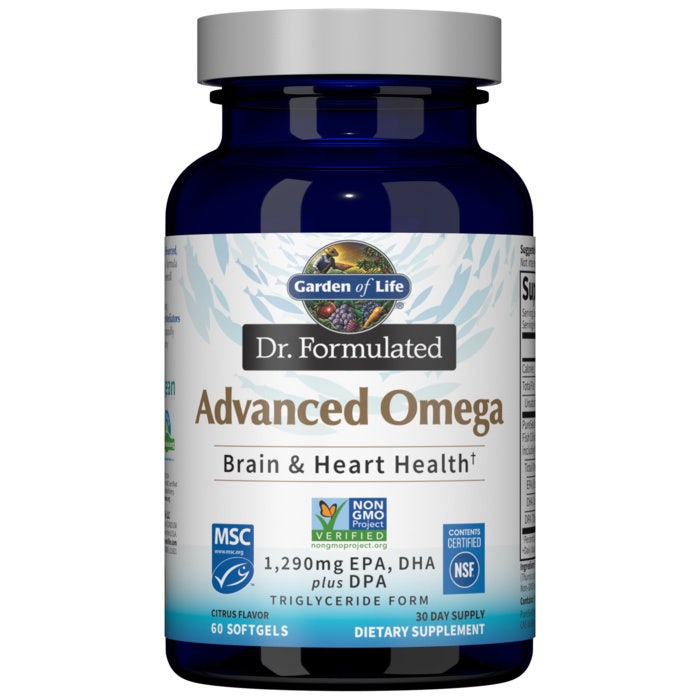
Dr. Formulated Advanced Omega
Garden of Life
60 softgels
$31.99$25.99 with Subscribe & Save
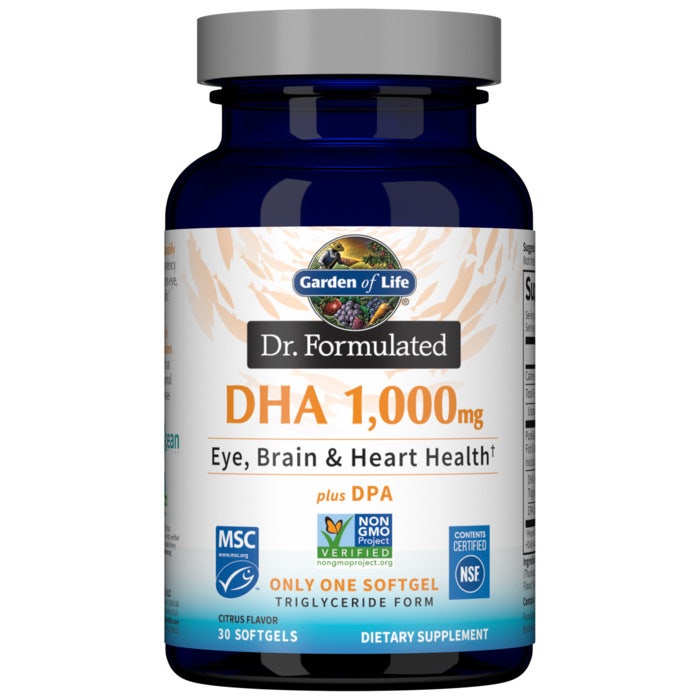
Dr. Formulated DHA 1g
Garden of Life
30 softgels
$31.99$25.99 with Subscribe & Save
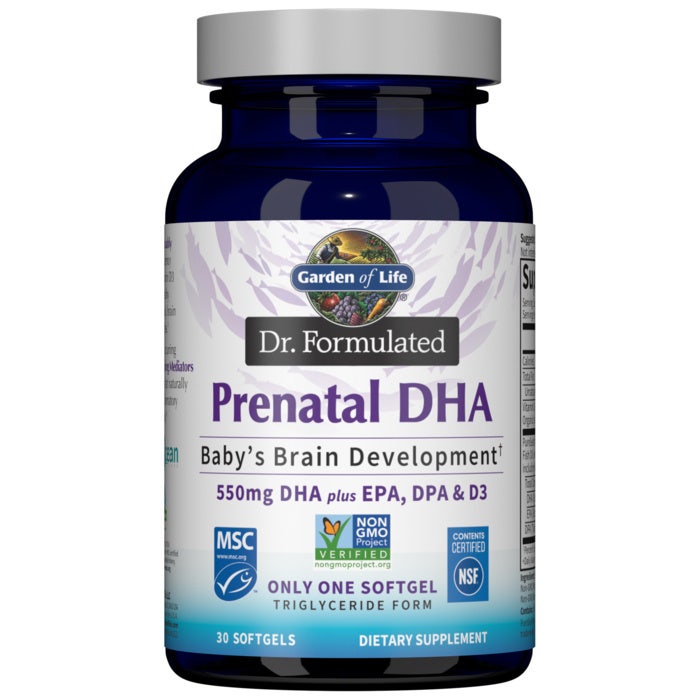
Dr. Formulated Prenatal DHA
Garden of Life
30 softgels
$29.99$23.99 with Subscribe & Save