 Instalab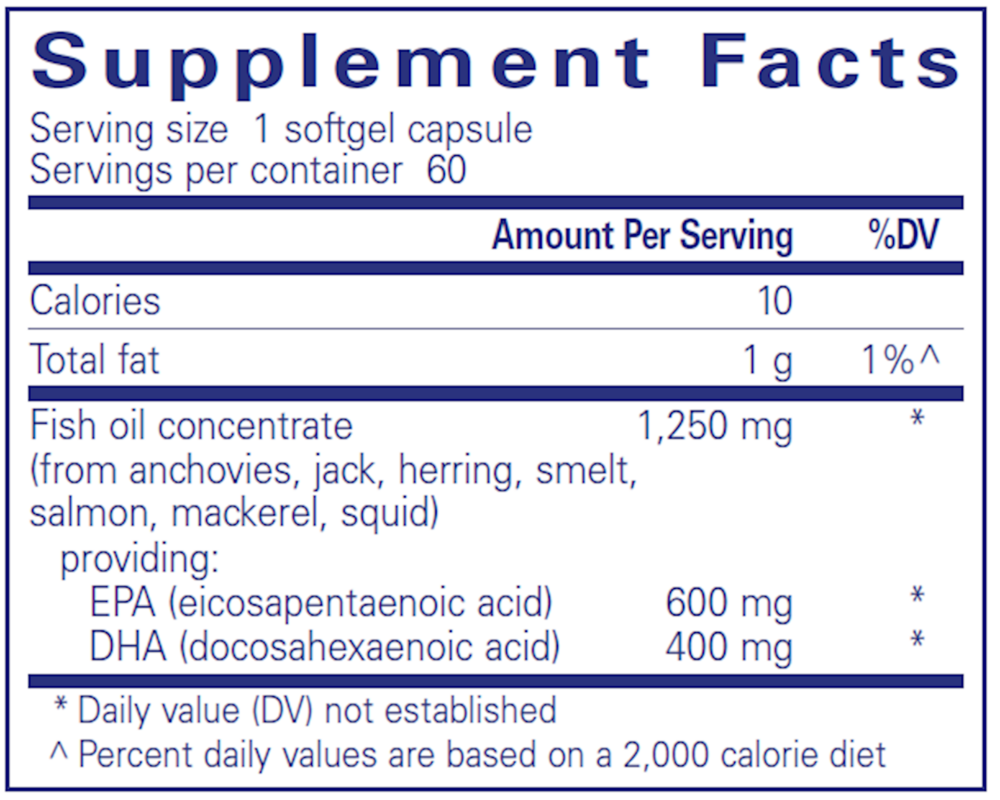

Pure Encapsulations
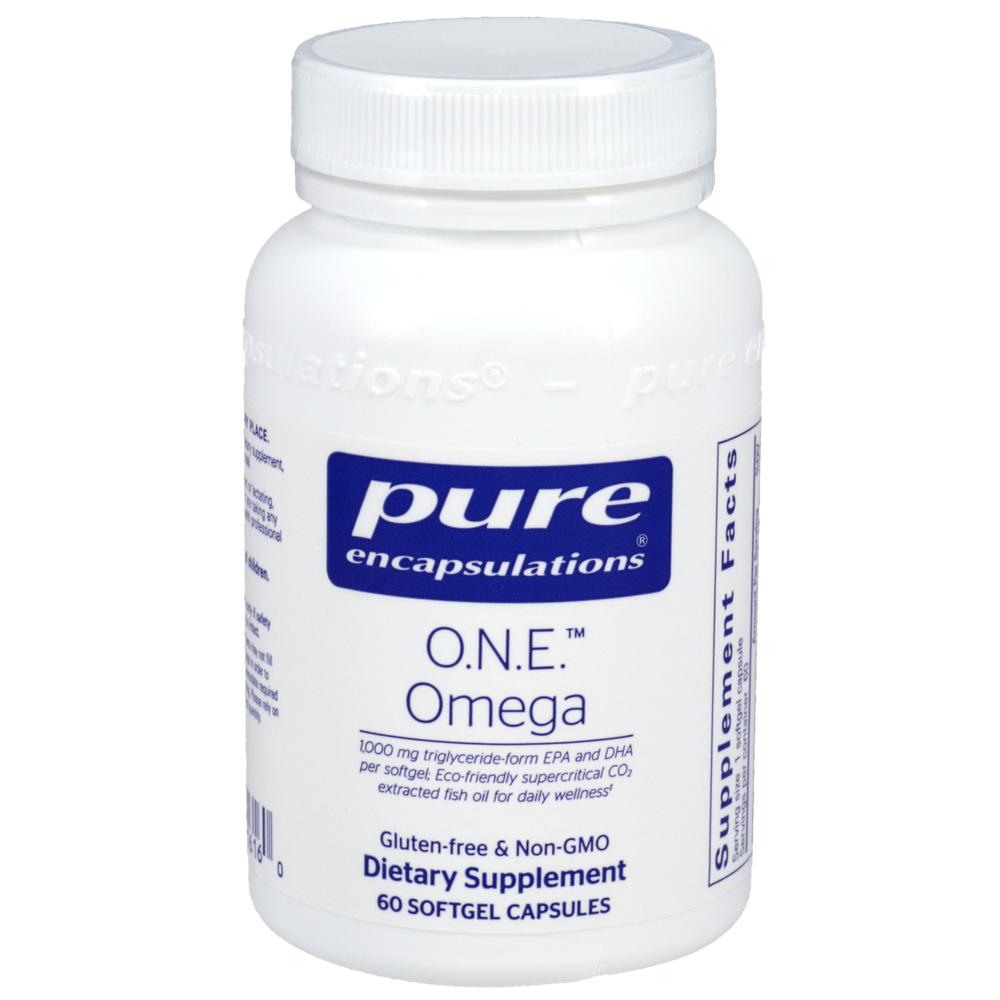
O.N.E. Omega 1250 mg by Pure Encapsulations
60 softgels · 60-day supply
Premium Fish Oil for Heart, Brain, and Joint Support$76.00
Purchase options
Practitioner-grade brand3rd-party testedFree shipping $50+
Pure Encapsulations O.N.E. Omega overview
If your triglycerides are elevated, omega-3 fish oil is one of the few supplements with repeatable, lab-visible effects. Most responders see triglycerides drop 20–30% within 4 to 12 weeks. It’s also useful if your Omega-3 Index (the red blood cell test of long‑chain omega‑3 status) is low or low‑normal, or if you rarely eat fatty fish. People with high hs-CRP (an inflammation marker) sometimes see modest reductions, though the effect is smaller than the triglyceride change.
EPA and DHA, the active fats in fish oil, reduce how much fat your liver exports in VLDL particles (the form that shows up as triglycerides on a lipid panel). They also nudge cells to burn fatty acids for energy faster and change the signaling molecules made from cell membranes, which helps explain why hs-CRP can fall in some people. Brain and skin claims are common, but outside of deficiency or very low seafood intake, effects there are modest in healthy adults.
Take one softgel daily with a meal that contains fat; that improves absorption and reduces fishy burps. Pure Encapsulations suggests once daily, which fits maintenance or Omega-3 Index repletion when you’re already close to target. For significant triglyceride lowering, higher total EPA+DHA intakes are often used in clinical practice, including prescription fish oil at 2–4 grams per day, guided by your clinician and follow-up labs.
Fish oil has a mild blood-thinning effect. If you take anticoagulants (warfarin, apixaban) or antiplatelets (clopidogrel, aspirin), involve your prescriber and monitor for bruising or nosebleeds. Pause before elective surgery per your surgeon’s guidance. If you have a fish or shellfish allergy, choose an algal omega‑3 instead. Expect small drops in blood pressure; combine thoughtfully with antihypertensive drugs and track readings.
Frequently asked questions
How long does fish oil take to lower triglycerides?
Most responders see a triglyceride change within 4–12 weeks. Recheck a fasting lipid panel after 8–12 weeks on a stable dose, and keep your diet consistent so you can attribute the change.
Does fish oil thin your blood?
Slightly. EPA and DHA reduce platelet stickiness, which can increase bruising in some people. The effect is usually mild, but coordinate with your clinician if you take blood thinners or aspirin.
What’s the difference between EPA and DHA?
EPA more strongly lowers triglycerides, while DHA contributes more to cell membrane structure, including in the brain and retina. Most fish oil provides both; your Omega-3 Index reflects the combined status.
Can I take fish oil with a statin?
Yes. Fish oil and statins are commonly combined: statins target LDL cholesterol, omega‑3s target triglycerides. Recheck your lipid panel to see how the combination affects your numbers.
How do I avoid fishy burps from fish oil?
Take it with a main meal that includes fat, keep the bottle cool, and consider dosing before bed. If burps persist, switch brands or to enteric-coated or triglyceride-form fish oil.
Is fish oil safe in pregnancy?
Omega‑3s are important in pregnancy, but choose a product that specifies low contaminants and follow your obstetrician’s dosing advice. Algal DHA is a good alternative if you avoid fish.
How do I know if my dose is working?
Test. Check the Omega-3 Index to gauge tissue levels, and use triglycerides on a lipid panel to assess metabolic effect. Re-test after 8–12 weeks on a steady dose.
How to take it & ingredients
Suggested use: Take 1 softgel daily, with a meal.
Active ingredients
1 softgel per serving · 60 servings
▼
Fish Oil Concentrate
From anchovies, jack, herring, smelt, salmon, mackerel, squid
From anchovies, jack, herring, smelt, salmon, mackerel, squid
1250 mg
EPA
Eicosapentaenoic acid
Eicosapentaenoic acid
600 mg
DHA
Docosahexaenoic acid
Docosahexaenoic acid
400 mg
Other ingredients: Natural Mixed Tocopherols, Rosemary Extract (leaf), Gelatin Capsule (Gelatin, Glycerin, Water)
Certifications
Benefits
Warnings
Customers also considered
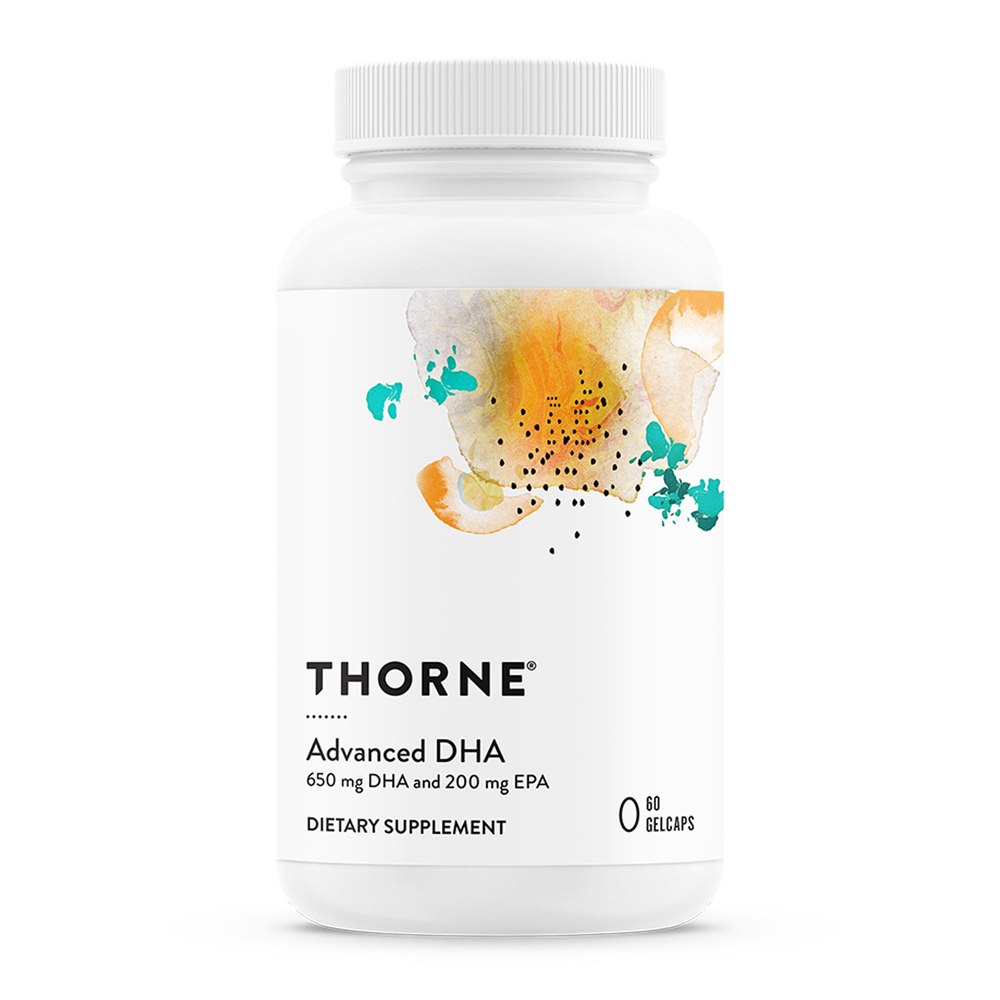
Advanced DHA
Thorne
60 gelcaps
$30.00$27.00 with Subscribe & Save
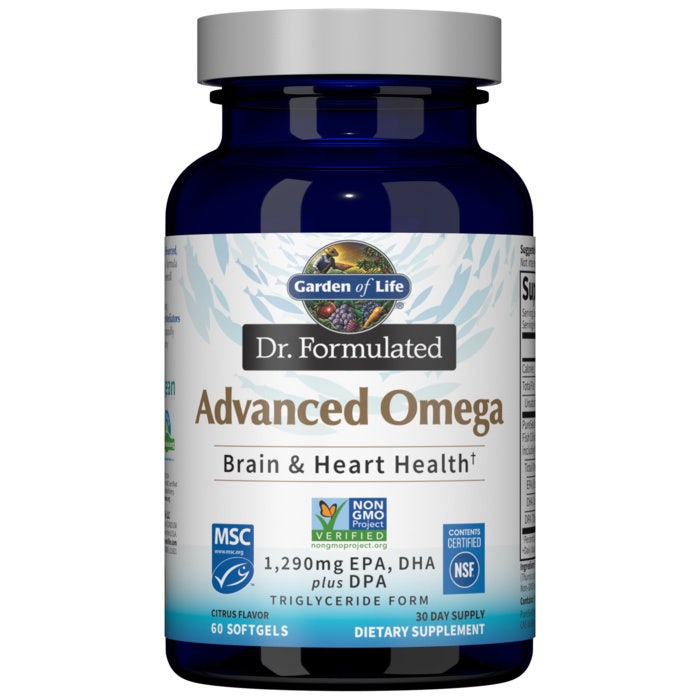
Dr. Formulated Advanced Omega
Garden of Life
60 softgels
$31.99$25.99 with Subscribe & Save
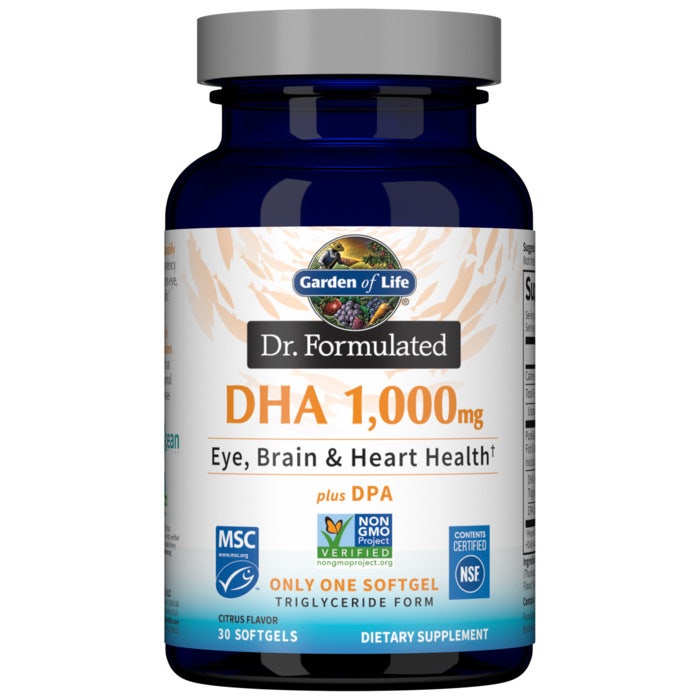
Dr. Formulated DHA 1g
Garden of Life
30 softgels
$31.99$25.99 with Subscribe & Save

Dr. Formulated Prenatal DHA
Garden of Life
30 softgels
$29.99$23.99 with Subscribe & Save