 Instalab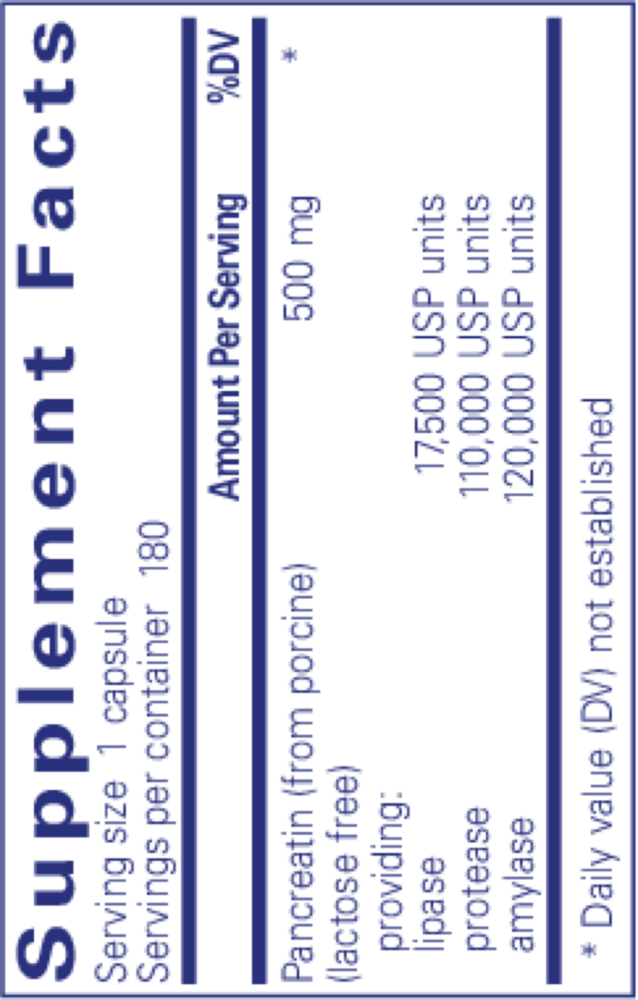
Pure Encapsulations
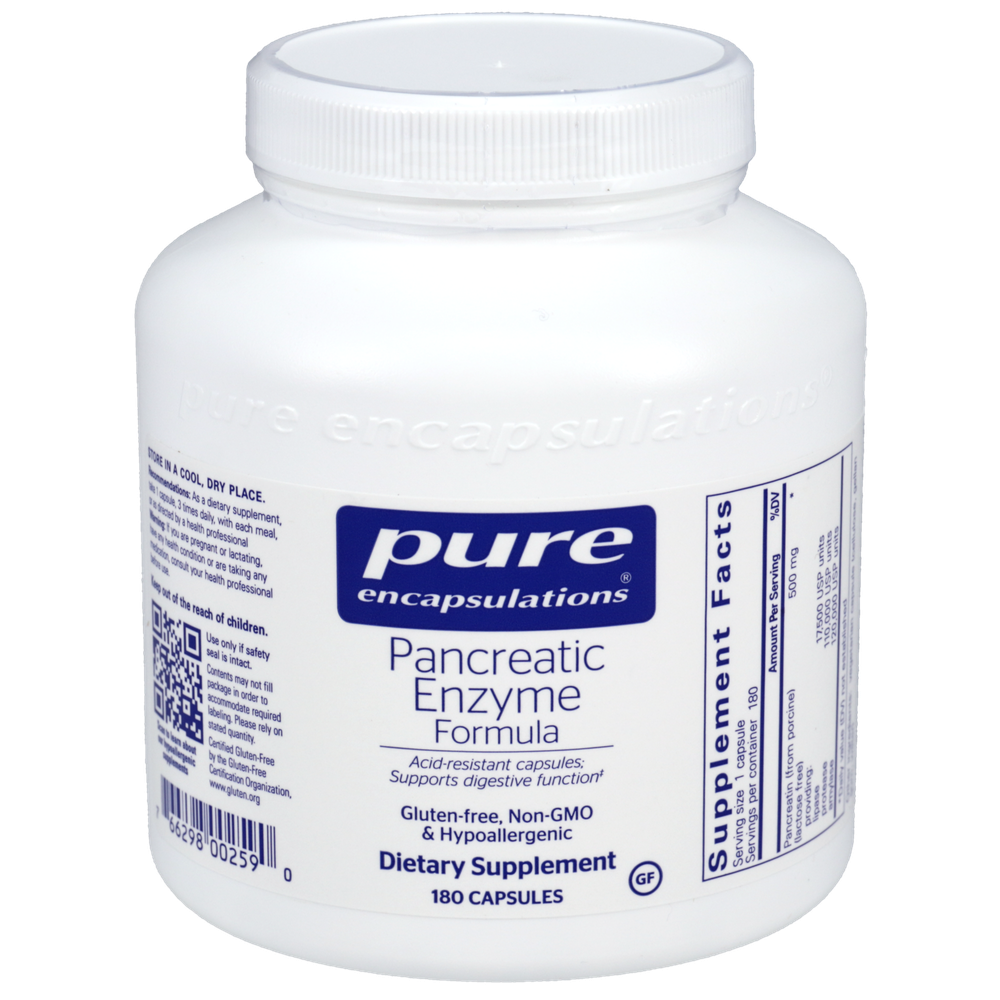
Pancreatic Enzyme 500 mg by Pure Encapsulations
180 capsules · 180-day supply
Support Digestive Health and Nutrient Absorption with Pancreatic Enzymes$109.00
Purchase options
Practitioner-grade brand3rd-party testedFree shipping $50+
Gluten Free
Pure Encapsulations Pancreatic Enzyme overview
This fits people who feel heavy, gassy, or see oily residue in the toilet after richer meals, and whose basic workup is normal. If your Fecal elastase-1 (a stool test for pancreatic output) is low or you have clear fat malabsorption, you need prescription-strength pancreatic enzymes, not a supplement. It can also help during periods of low digestive resilience, like after a stomach bug or when eating more fat than usual.
Pancreatin is a blend of lipase, protease, and amylase, the same enzymes your pancreas makes to break down fat, protein, and starch. When taken with a meal, these enzymes start splitting large food molecules into smaller pieces right in the upper small intestine. Better breakdown means fewer undigested leftovers for gut bacteria to ferment, which is why many notice less post-meal bloating and more formed stools.
Take one capsule with the first bites of each main meal, as the label suggests. Enzymes work on contact, so timing with food matters; taking them on an empty stomach won’t help digestion. For a protein- or fat-containing snack, half a dose can be reasonable. If you’re on a proton pump inhibitor (acid blocker), timing is the same, and effectiveness is generally maintained.
Greasy stools, unintended weight loss, or fat-soluble vitamin issues (Vitamin D, 25-Hydroxy or vitamins A, E, K running low) point to real pancreatic insufficiency. That scenario calls for prescription pancrelipase dosed by lipase units and titrated per gram of dietary fat. This supplement lists milligrams, not enzyme units, so it’s for mild symptoms—not for treating confirmed insufficiency.
Avoid if you have a pork allergy or avoid porcine products. Very high enzyme doses can raise uric acid (the compound tied to gout), a risk seen with prescription strengths, not typical supplement use. If you need to open the capsule, don’t let powder contact your mouth, as proteases can irritate tissues. Pregnant or nursing: discuss with your clinician first.
Frequently asked questions
What does pancreatin do for digestion?
Pancreatin supplies lipase, protease, and amylase to break down fat, protein, and starch in the small intestine. For many, that means less post-meal fullness, less gas, and more formed stools when taken with meals.
How quickly will pancreatic enzymes work?
You should notice effects with the very first meal—these enzymes act on contact. If you don’t notice any change after several days of correct timing, your dose may be too low for your needs or your symptoms may have another cause.
Is pancreatin the same as prescription Creon or Zenpep?
No. Prescription products list exact lipase units and are titrated to dietary fat for pancreatic insufficiency. This supplement lists milligrams, not units, and is intended for mild digestive support, not for treating confirmed insufficiency.
Can I take pancreatic enzymes with a proton pump inhibitor?
Yes. Enzymes still function when taken with meals. Acid suppression doesn’t negate their activity, and in some cases can protect enzymes from stomach acid. Keep the same meal-time dosing.
Do pancreatic enzymes help after gallbladder removal?
They can help with meal digestion if protein or starch trigger symptoms. If fat is the main issue post-cholecystectomy, bile acid supplements are sometimes used instead—talk with your clinician about the better fit.
Are pancreatic enzymes safe long term?
For most adults without pork allergy, yes, when taken as directed with meals. Side effects are usually mild (nausea or abdominal discomfort). Very high doses are a prescription issue and can raise uric acid.
Can I open the capsule of pancreatin?
You can open it and mix with soft food, but avoid contact with your mouth because proteases can irritate tissues. Swallow promptly with food. Do not inhale the powder.
Who should not take pancreatin?
Skip it if you have a pork allergy or religious dietary restrictions around pork. If you have oily stools, weight loss, or low fat-soluble vitamins, seek evaluation for pancreatic insufficiency and use prescription enzymes.
How to take it & ingredients
Suggested use: As a dietary supplement, take 1 capsule, 3 times daily, with each meal, or as directed by a health professional.
Active ingredients
1 capsule per serving · 180 servings
▼
Pancreatin
From porcine, lactose free
From porcine, lactose free
500 mg
Lipase
17500 USP units
Protease
110000 USP units
Amylase
120000 USP units
Other ingredients: Vegetarian Capsule (Cellulose, Gellan Gum, Water), Hypoallergenic Plant Fiber (Cellulose)
Certifications
Benefits
Warnings
Customers also considered
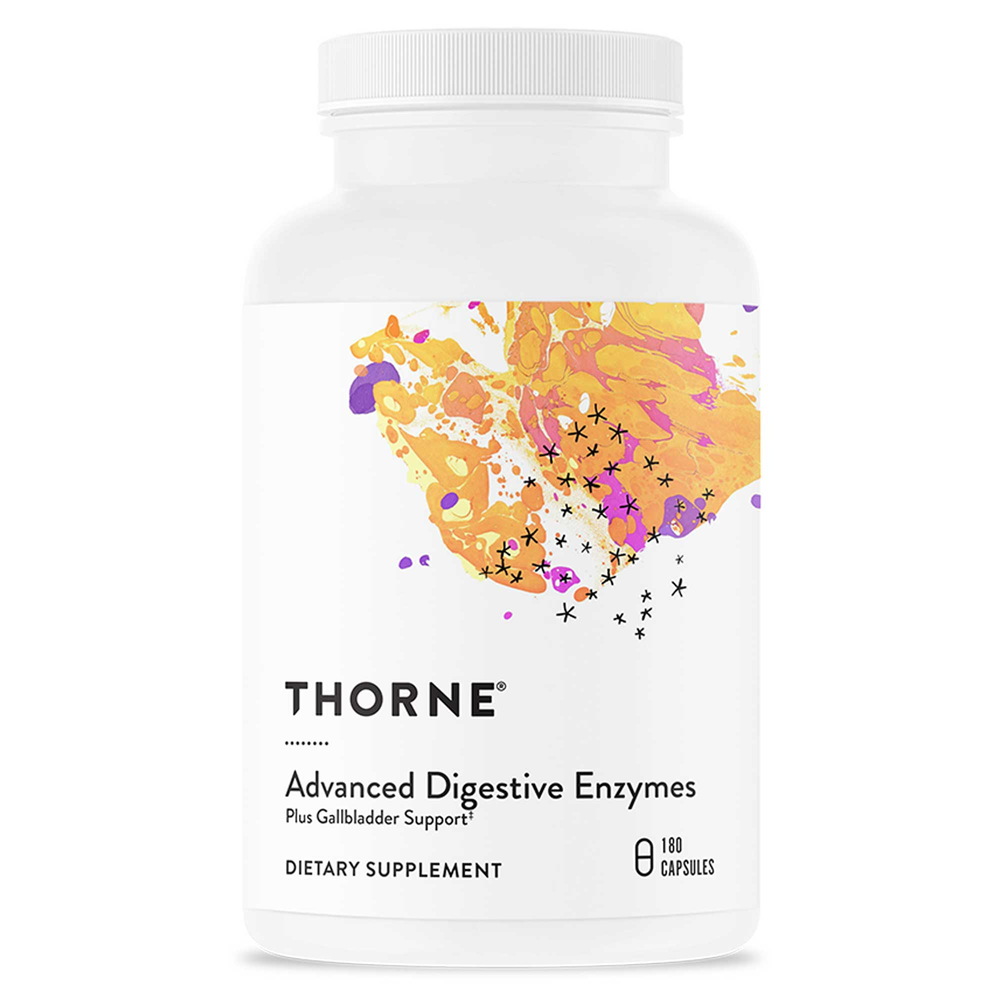
Advanced Digestive Enzymes
Thorne
180 capsules
$56.00$50.40 with Subscribe & Save
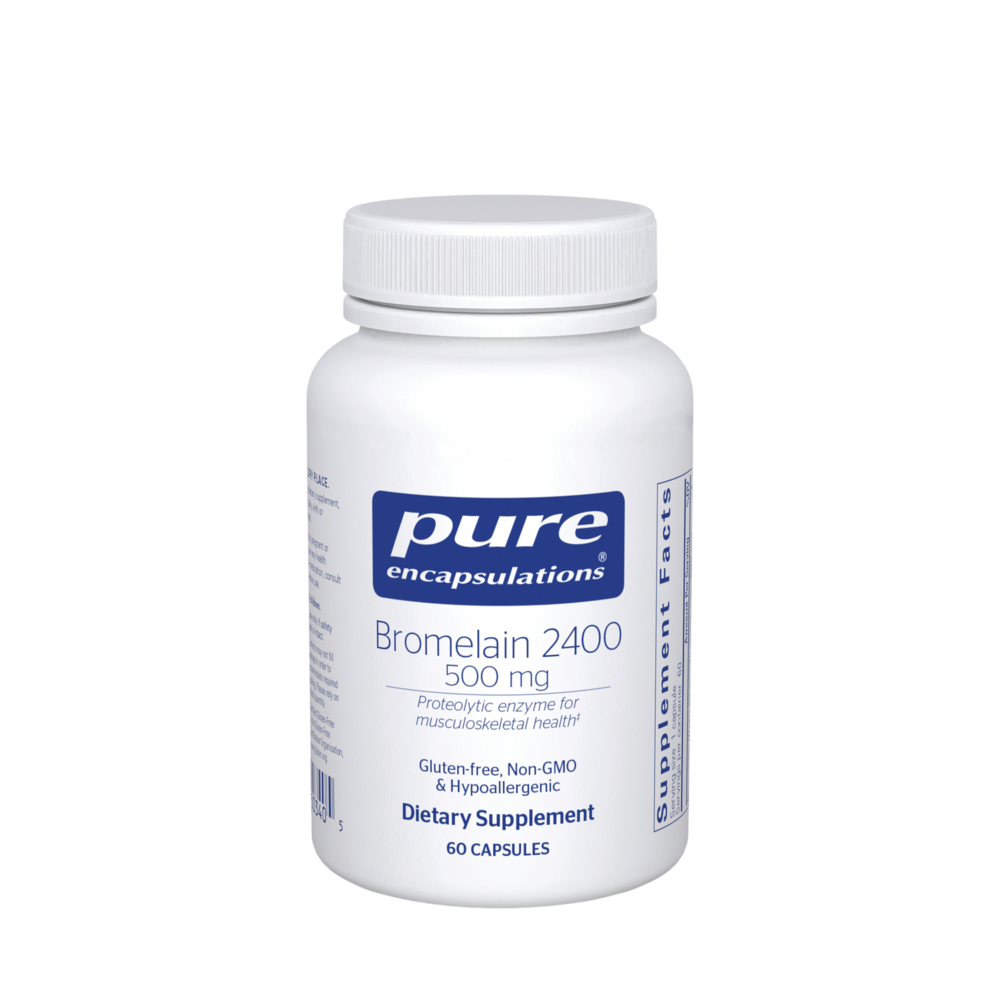
Bromelain 2400 500mg
Pure Encapsulations
60 capsules
$40.00$31.99 with Subscribe & Save
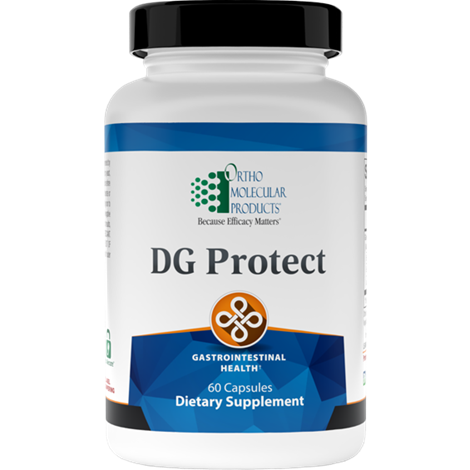
DG Protect
Ortho Molecular Products
60 capsules
$64.44$58.05 with Subscribe & Save
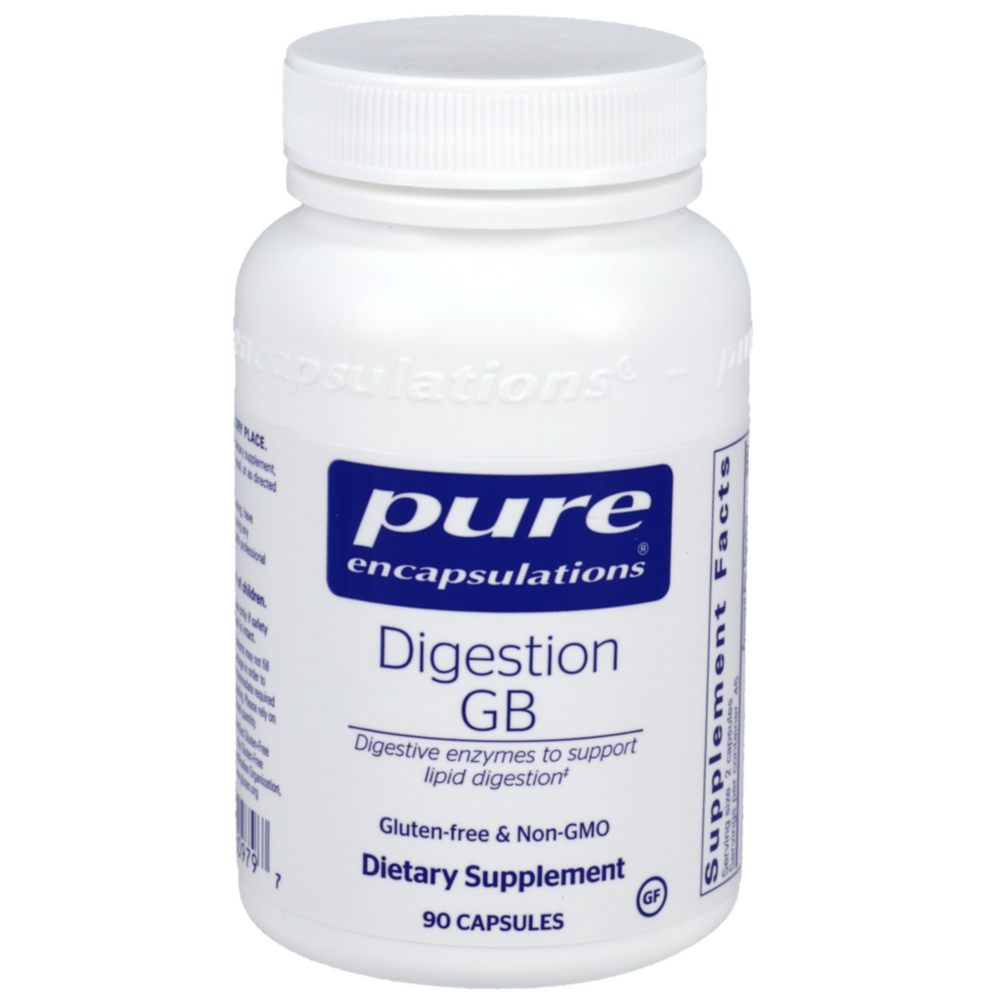
Digestion GB
Pure Encapsulations
90 capsules
$36.50$28.99 with Subscribe & Save