 Instalab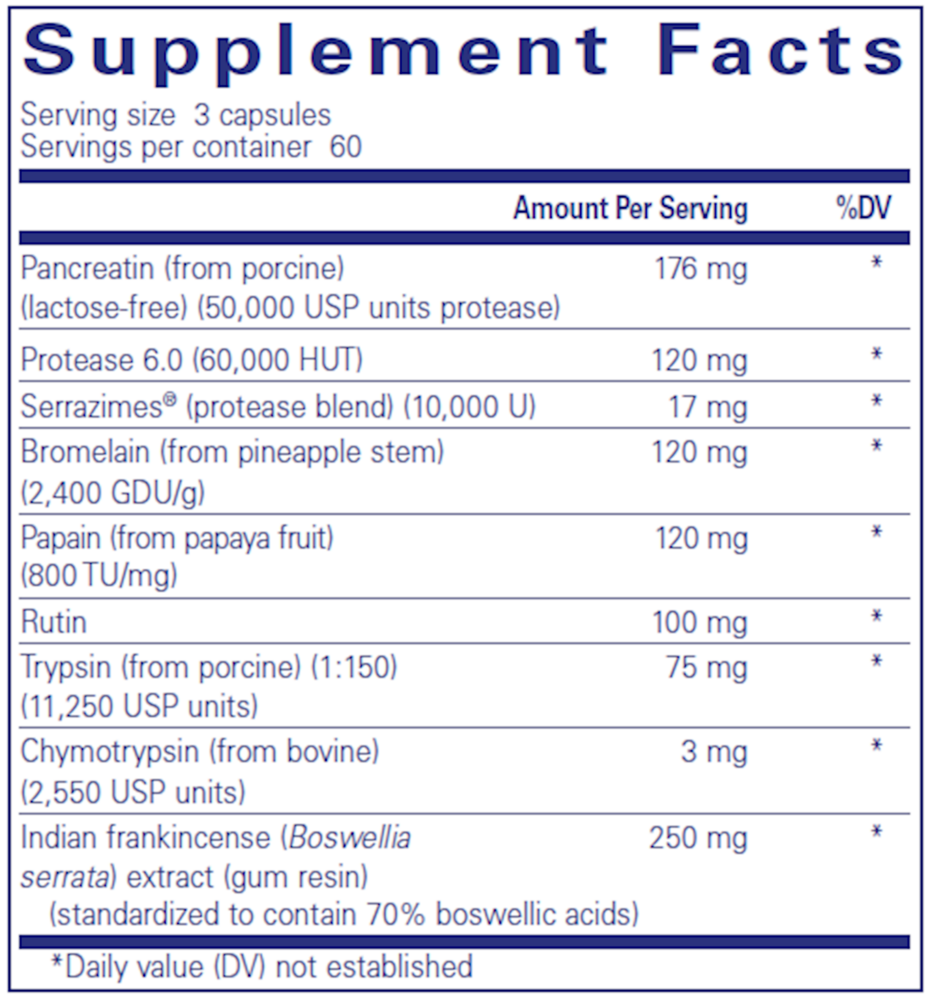
Pure Encapsulations
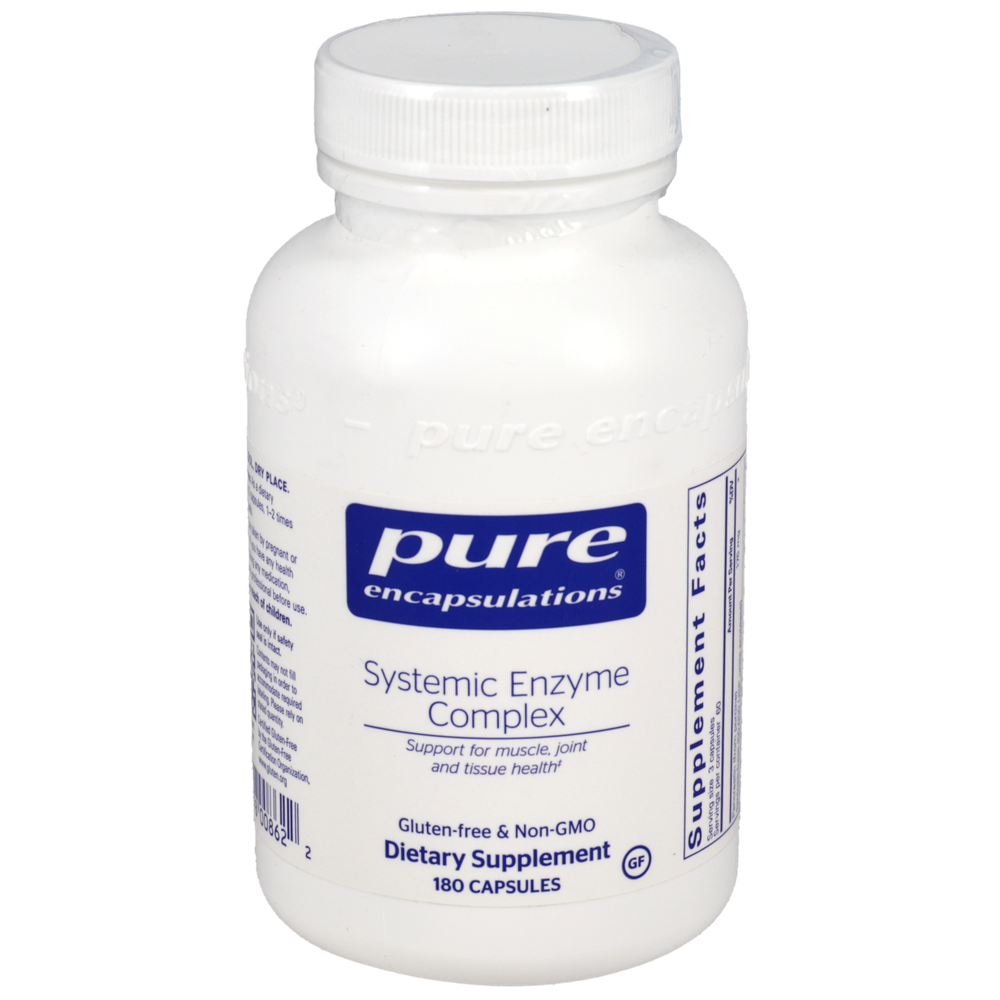
Systemic Enzyme Complex by Pure Encapsulations
180 capsules · 60-day supply
Comprehensive Enzyme Support for Digestion and Inflammation Relief$81.00
Purchase options
Practitioner-grade brand3rd-party testedFree shipping $50+
Gluten Free
Pure Encapsulations Systemic Enzyme Complex overview
Systemic enzymes make sense if hard training leaves you puffy and sore for days, your hs-CRP (a blood marker of whole‑body inflammation) runs high, or your joints feel stiff after overuse. This blend is geared to recovery and joint comfort rather than meal-time digestion. It’s a fit if you’re trying to limit frequent NSAID use, or if you want a serrapeptidase-like effect without the silkworm–this uses Serrazimes, a fungal alternative.
Taken away from food, proteases like bromelain and papain enter the bloodstream and help clear protein-rich debris and excess fibrin (the scaffolding that can trap fluid after strain), which eases swelling and stiffness. Pancreatin, trypsin, and chymotrypsin add stronger protein-splitting activity. Boswellia (frankincense) limits 5‑lipoxygenase, the enzyme that drives leukotrienes, signaling molecules linked to joint irritation. Rutin, a flavonoid from plants, supports capillary integrity, which pairs well with proteases for post-exercise recovery.
Use 3 capsules, 1–2 times daily, on an empty stomach—at least 45–60 minutes before food or 2 hours after. Food protein ties these enzymes up in digestion instead of systemic action. Start once daily for a week, then increase if needed. Most people feel soreness and mobility benefits within 7–14 days; joint comfort changes often build over 2–4 weeks. Recheck hs-CRP or training recovery logs after 4–8 weeks.
Avoid if you use blood thinners or antiplatelet drugs (warfarin, apixaban, clopidogrel), have a bleeding disorder, active ulcer, or upcoming surgery; stop 1–2 weeks pre-op. Bromelain and papain come from pineapple and papaya—skip if you’re allergic to these. Pregnancy and breastfeeding: avoid unless your clinician approves. If you mainly need help digesting meals, a digestive enzyme taken with food is the better tool.
Frequently asked questions
Do systemic enzymes really help with inflammation?
They can reduce post-exercise swelling and stiffness and modestly lower inflammation markers like hs-CRP in some people. Effects are usually noticeable within 1–2 weeks for soreness, with joint comfort changes building over 2–4 weeks.
Should I take systemic enzymes with or without food?
Without food. Take them 45–60 minutes before eating or 2 hours after. With food, they act mainly as digestive enzymes and won’t reach the bloodstream as effectively for systemic effects.
Are systemic enzymes safe with blood thinners or NSAIDs?
Avoid combining with anticoagulants or antiplatelets due to bleeding risk. Use caution with daily NSAIDs for the same reason and discuss with your clinician before combining.
How long before I notice results?
Recovery and soreness often improve within 7–14 days. Joint comfort may take 2–4 weeks. Track how you feel and consider checking hs-CRP again after 4–8 weeks if you started with a high level.
Can I take systemic enzymes with fish oil or curcumin?
Yes, they’re often combined. Fish oil and curcumin work through different pathways. If you bruise easily or take other agents that affect clotting, get clinician guidance first.
What side effects should I watch for?
Most tolerate them well. Possible issues include stomach upset, nausea, loose stools, or rash. Stop and seek care if you notice unusual bruising, black stools, or signs of allergy, especially if sensitive to pineapple or papaya.
Is this systemic enzyme complex vegan?
No. It includes porcine pancreatin and trypsin and bovine chymotrypsin. It does contain Serrazimes, a fungal alternative to serrapeptidase, plus plant enzymes like bromelain and papain.
Should I stop systemic enzymes before surgery or dental work?
Yes. Because of bleeding risk, discontinue 1–2 weeks before procedures unless your surgeon says otherwise. Restart only when cleared post-op.
How to take it & ingredients
Suggested use: As a dietary supplement, take 3 capsules, 1–2 times daily, between meals.
Active ingredients
3 capsules per serving · 60 servings
Pancreatin
From porcine, lactose-free, 50,000 USP units protease
From porcine, lactose-free, 50,000 USP units protease
176 mg
Protease 6.0
60,000 HUT
60,000 HUT
120 mg
Serrazimes®
Protease blend, 10,000 U
Protease blend, 10,000 U
17 mg
Bromelain
From pineapple stem, 2,400 GDU/g
From pineapple stem, 2,400 GDU/g
120 mg
Papain
From papaya fruit, 800 TU/mg
From papaya fruit, 800 TU/mg
120 mg
Rutin
100 mg
Trypsin
From porcine, 1:150, 11,250 USP units
From porcine, 1:150, 11,250 USP units
75 mg
Chymotrypsin
From bovine, 2,550 USP units
From bovine, 2,550 USP units
3 mg
Indian Frankincense Extract
Boswellia serrata, gum resin, standardized to contain 70% boswellic acids
Boswellia serrata, gum resin, standardized to contain 70% boswellic acids
250 mg
Other ingredients: Vegetarian Capsule (cellulose, gellan gum, water), Ascorbyl Palmitate
Certifications
Benefits
Warnings
Customers also considered
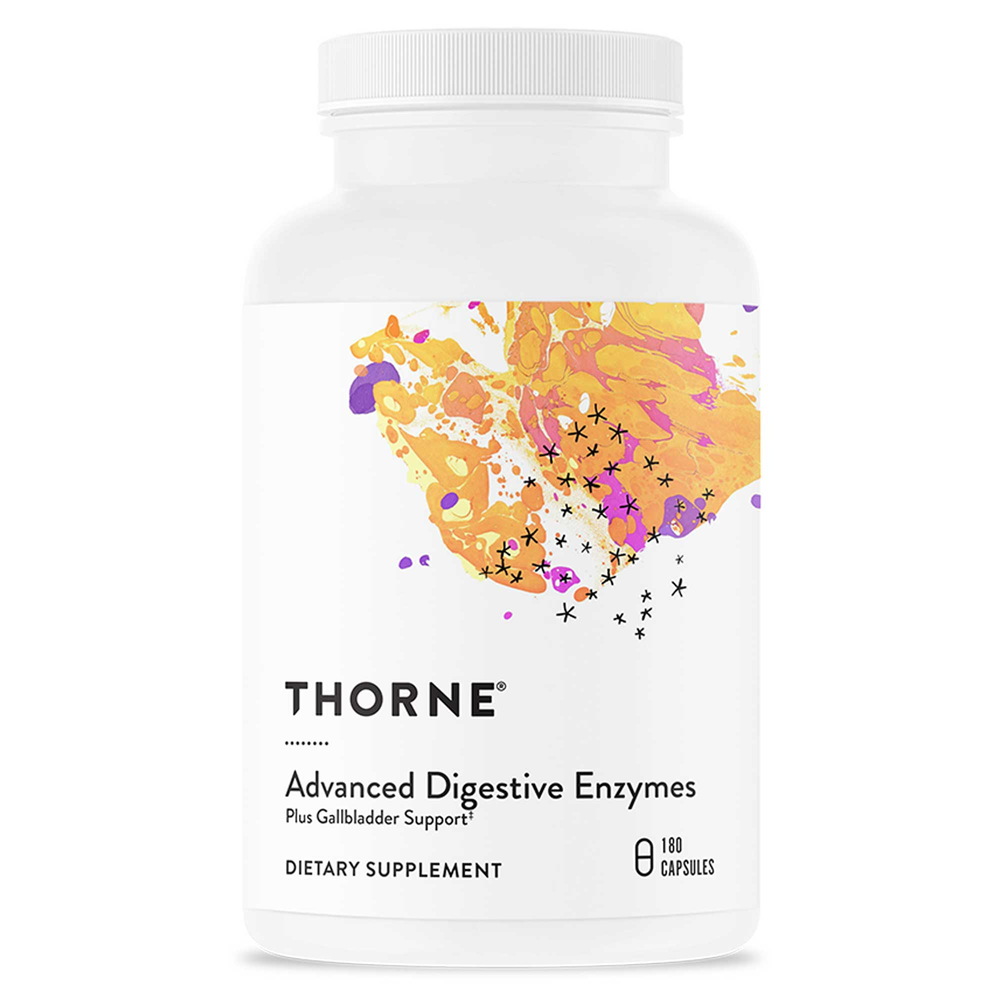
Advanced Digestive Enzymes
Thorne
180 capsules
$56.00$50.40 with Subscribe & Save
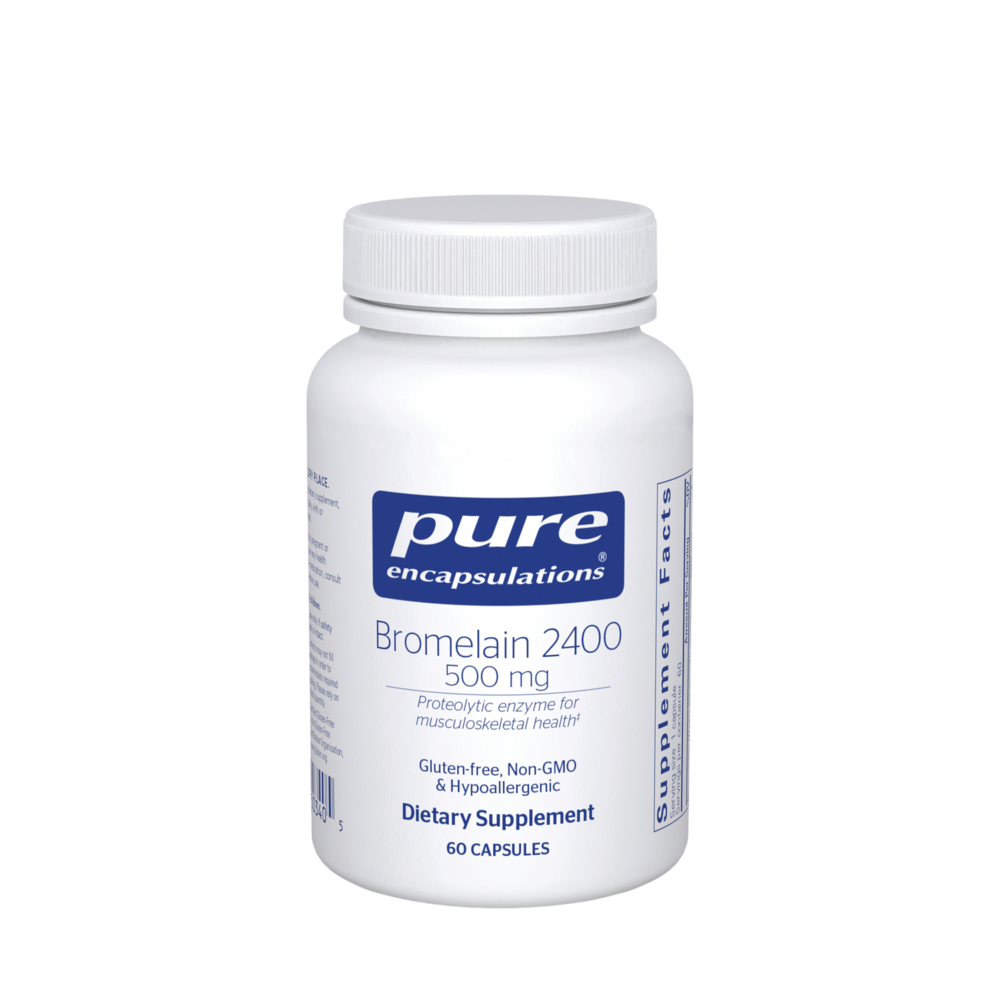
Bromelain 2400 500mg
Pure Encapsulations
60 capsules
$40.00$31.99 with Subscribe & Save
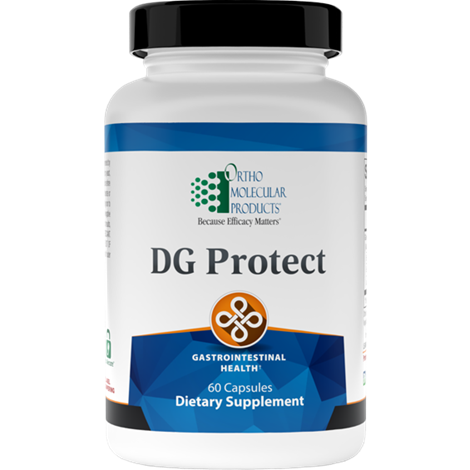
DG Protect
Ortho Molecular Products
60 capsules
$64.44$58.05 with Subscribe & Save
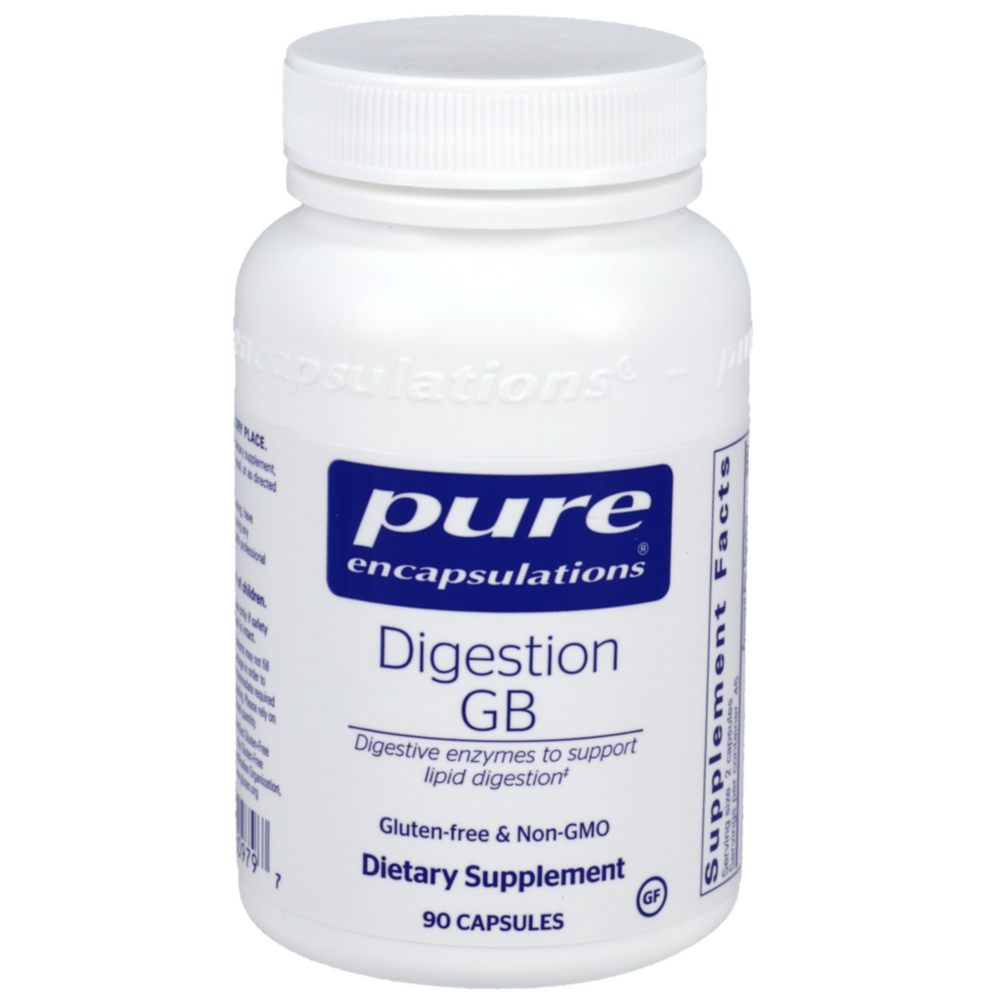
Digestion GB
Pure Encapsulations
90 capsules
$36.50$28.99 with Subscribe & Save