 Instalab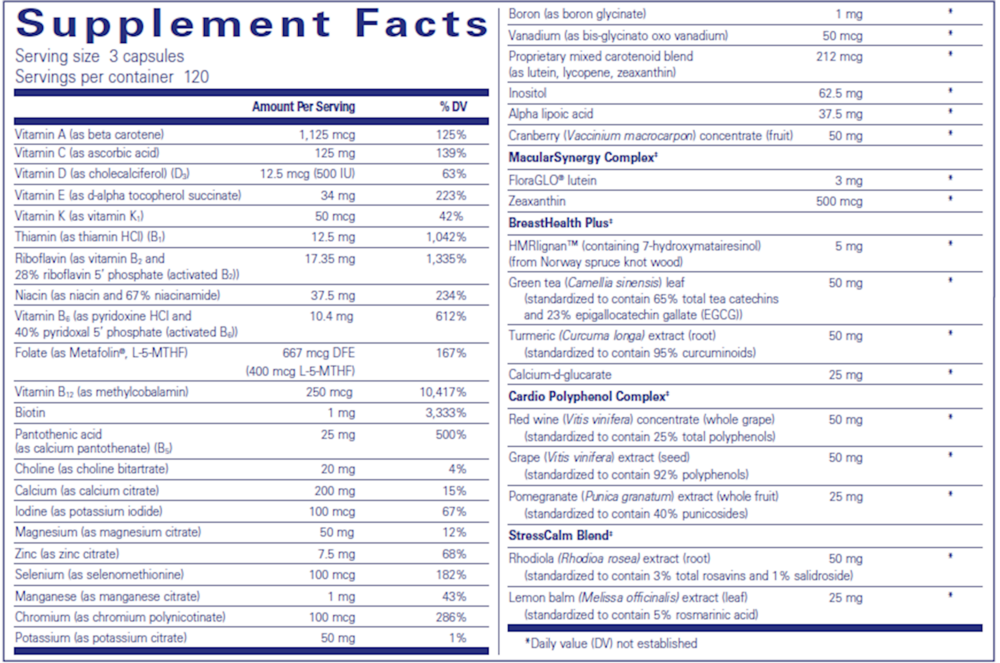
Pure Encapsulations
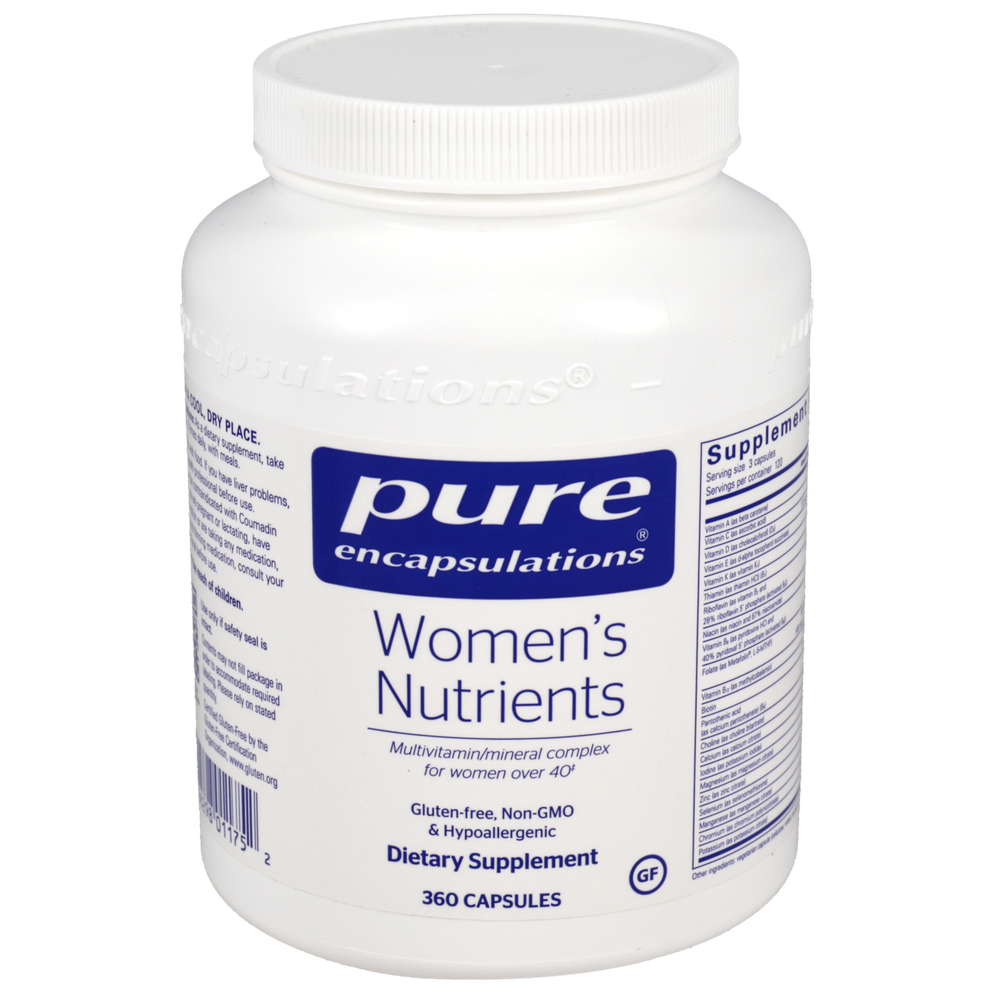
Women's Nutrients 40+ by Pure Encapsulations
360 capsules · 120-day supply
Comprehensive Nutritional Support for Women Over 40$148.00
Purchase options
Practitioner-grade brand3rd-party testedFree shipping $50+
Vegetarian·Gluten Free
Pure Encapsulations Women's Nutrients 40+ overview
If you’re looking for a multivitamin for women over 40 to cover daily gaps without megadoses, this fits. It’s a maintenance formula for perimenopausal and post‑menopausal adults with low sun exposure, modest dairy intake, or plant‑leaning diets. If your Vitamin D, 25-Hydroxy is low or your Ferritin (iron stores) is low, you’ll likely need targeted repletion first, then use a multi like this to maintain.
Folate is provided as L‑5‑MTHF (the methylated form your cells use directly) with methylcobalamin B12, a pair that helps keep homocysteine (a byproduct tied to vessel health) in range. FloraGLO lutein and zeaxanthin concentrate in the macula, the part of the retina for detail vision. Cranberry delivers proanthocyanidins that limit E. coli sticking to the urinary tract. The BreastHealth Plus blend (HMR lignans, green tea EGCG, turmeric, calcium‑D‑glucarate) supports estrogen metabolism in the liver and normal cell signaling. Grape seed and pomegranate polyphenols aid endothelial function, with modest hs-CRP (inflammation marker) reductions seen in some users.
Take 3 capsules, 1–2 times daily, with meals. Split dosing with food improves absorption of fat‑soluble vitamins A, D3, E, K and carotenoids. Sensitive to stimulants? Start with morning only; rhodiola can feel activating for some. Separate from thyroid medication by at least 4 hours, and from quinolone or tetracycline antibiotics by 2–4 hours so minerals don’t block absorption.
On warfarin or another vitamin K–sensitive anticoagulant? Avoid unsupervised changes because this contains vitamin K1 and green tea extract. If you have a history of estrogen‑receptor–positive cancer, discuss the lignans and green tea with your oncologist. Thyroid disease requires care with iodine; review with your clinician. If you need iron (low Ferritin, heavy periods), this iron‑free formula isn’t the right pick.
Frequently asked questions
Does this multivitamin have iron?
No, it’s iron‑free. Many women over 40 don’t need routine iron. If your Ferritin is low or you have heavy menstrual bleeding, choose a multivitamin with iron or add a separate iron under guidance.
How long until I notice benefits?
Energy and stress tolerance from B vitamins and rhodiola are typically noticed within 1–2 weeks. Eye benefits from lutein/zeaxanthin and urinary benefits from cranberry are slower, building over 4–12 weeks of daily use.
Can I take it with my thyroid medication?
Yes, but separate by at least 4 hours. Minerals like calcium and magnesium reduce levothyroxine absorption. The iodine content is modest; if you have thyroid disease, confirm with your clinician.
Is it safe with blood thinners?
Use caution. Vitamin K1 can counteract warfarin, and green tea and turmeric can add mild antiplatelet effects. Don’t start or stop this without your prescriber adjusting and monitoring your anticoagulation.
Will this help perimenopause symptoms?
It isn’t a hormone therapy, but the lignans, calcium‑D‑glucarate, and green tea support estrogen metabolism. Many use it for nutritional coverage while addressing hot flashes and sleep separately with their clinician.
Does it contain caffeine?
Green tea extract here is standardized for catechins and is typically very low in caffeine. Most users don’t feel stimulant effects, but if you’re sensitive, take your full dose in the morning.
Can I take it at night?
You can, but many prefer morning or midday. The B vitamins and rhodiola can feel energizing. If sleep is disrupted, shift the dose earlier and ensure you’re taking it with food.
What labs pair well with this multivitamin?
Check Vitamin D, 25-Hydroxy to gauge if you need additional D3, Ferritin if you suspect low iron, and homocysteine to assess methylated folate and B12 needs. hs-CRP is useful if you’re tracking inflammation.
How to take it & ingredients
Suggested use: Take 3 capsules, 1-2 times daily, with meals.
Active ingredients
3 capsules per serving · 120 servings
Vitamin A
As beta carotene
As beta carotene
1125 mcg
Vitamin C
As ascorbic acid
As ascorbic acid
125 mg
Vitamin D
As cholecalciferol (D3)
As cholecalciferol (D3)
12.5 mcg
Vitamin E
As d-alpha tocopherol succinate
As d-alpha tocopherol succinate
34 mg
Vitamin K
As vitamin K1
As vitamin K1
50 mcg
Thiamin
As thiamin HCl (B1)
As thiamin HCl (B1)
12.5 mg
Riboflavin
As vitamin B2 and 28% riboflavin 5' phosphate (activated B2)
As vitamin B2 and 28% riboflavin 5' phosphate (activated B2)
17.4 mg
Niacin
As niacin and 67% niacinamide
As niacin and 67% niacinamide
37.5 mg
Vitamin B6
As pyridoxine HCl and 40% pyridoxal 5' phosphate (activated B6)
As pyridoxine HCl and 40% pyridoxal 5' phosphate (activated B6)
10.4 mg
Folate
As Metafolin®, L-5-MTHF
As Metafolin®, L-5-MTHF
667 mcg DFE
Vitamin B12
As methylcobalamin
As methylcobalamin
250 mcg
Biotin
1000 mcg
Pantothenic Acid
As calcium pantothenate (B5)
As calcium pantothenate (B5)
25 mg
Choline
As choline bitartrate
As choline bitartrate
20 mg
Calcium
As calcium citrate
As calcium citrate
200 mg
Iodine
As potassium iodide
As potassium iodide
100 mcg
Magnesium
As magnesium citrate
As magnesium citrate
50 mg
Zinc
As zinc citrate
As zinc citrate
7.5 mg
Selenium
As selenomethionine
As selenomethionine
100 mcg
Manganese
As manganese citrate
As manganese citrate
1 mg
Chromium
As chromium polynicotinate
As chromium polynicotinate
100 mcg
Potassium
As potassium citrate
As potassium citrate
49 mg
Boron
As boron glycinate
As boron glycinate
1 mg
Vanadium
As bis-glycinato oxo vanadium
As bis-glycinato oxo vanadium
50 mcg
Proprietary Mixed Carotenoid Blend
As lutein, lycopene, zeaxanthin
As lutein, lycopene, zeaxanthin
212 mcg
Inositol
62.5 mg
Alpha Lipoic Acid
37.5 mg
Cranberry Concentrate
(vaccinium macrocarpon)(fruit)
(vaccinium macrocarpon)(fruit)
50 mg
FloraGLO® Lutein
MacularSynergy Complex
MacularSynergy Complex
3 mg
Zeaxanthin
MacularSynergy Complex
MacularSynergy Complex
500 mcg
HMRlignan™
BreastHealth Plus, containing 7-hydroxymatairesinol from Norway Spruce knot wood
BreastHealth Plus, containing 7-hydroxymatairesinol from Norway Spruce knot wood
5 mg
Green Tea Extract
BreastHealth Plus, (camellia sinensis)(leaf)(standardized to contain 65% total tea catechins and 23% epigallocatechin (EGCG))
BreastHealth Plus, (camellia sinensis)(leaf)(standardized to contain 65% total tea catechins and 23% epigallocatechin (EGCG))
50 mg
Turmeric Extract
BreastHealth Plus, (curcuma longa)(root)(standardized to contain 95% curcuminoids)
BreastHealth Plus, (curcuma longa)(root)(standardized to contain 95% curcuminoids)
50 mg
Calcium-D-Glucarate
BreastHealth Plus
BreastHealth Plus
25 mg
Red Wine Concentrate
Cardio Polyphenol Complex, (vitis vinifera)(whole fruit)(standardized to contain 25% total polyphenols)
Cardio Polyphenol Complex, (vitis vinifera)(whole fruit)(standardized to contain 25% total polyphenols)
50 mg
Grape Extract
Cardio Polyphenol Complex, (vitis vinifera)(seed)(standardized to contain 92% polyphenols)
Cardio Polyphenol Complex, (vitis vinifera)(seed)(standardized to contain 92% polyphenols)
50 mg
Pomegranate Extract
Cardio Polyphenol Complex, (punica granatum l.)(fruit)(standardized to contain 40% punicosides)
Cardio Polyphenol Complex, (punica granatum l.)(fruit)(standardized to contain 40% punicosides)
25 mg
Rhodiola Extract
StressCalm Blend, (rhodiola rosea)(root)(standardized to contain 3% total rosavins and min. 1% salidroside)
StressCalm Blend, (rhodiola rosea)(root)(standardized to contain 3% total rosavins and min. 1% salidroside)
50 mg
Lemon Balm Extract
StressCalm Blend, (melissa officinalis)(leaf)(standardized to contain 5% rosemarinic acid)
StressCalm Blend, (melissa officinalis)(leaf)(standardized to contain 5% rosemarinic acid)
25 mg
Other ingredients: Vegetarian Capsule (Cellulose, Water), Ascorbyl Palmitate, Cranberry Fiber, Cranberry Seed Oil, Guar Gum, Sunflower Lecithin
Certifications
Benefits
Warnings
Customers also considered
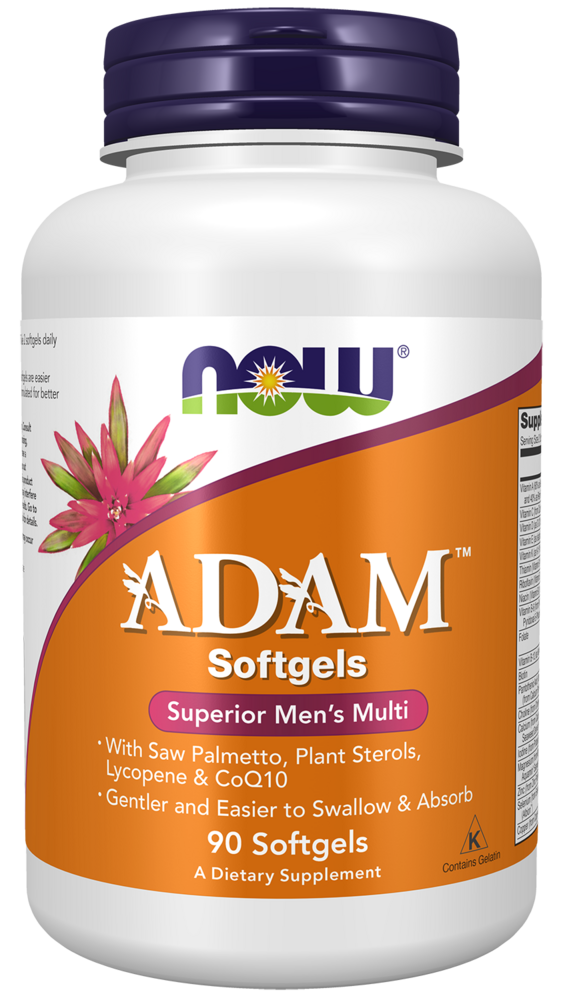
ADAM Superior Men's Multi
Now Foods
90 softgels
$39.99$31.99 with Subscribe & Save
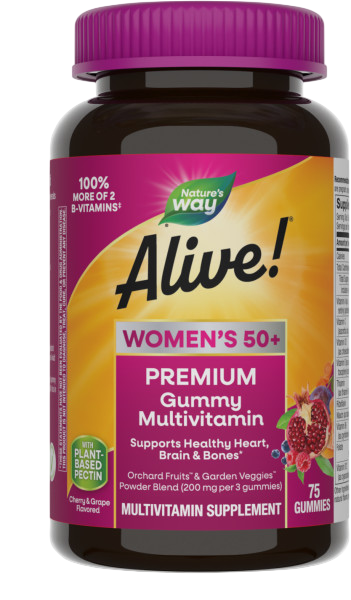
Alive Womens 50+ Premium Gummy Multi-Vitamin
Nature's Way
75 gummies
$22.99$17.99 with Subscribe & Save
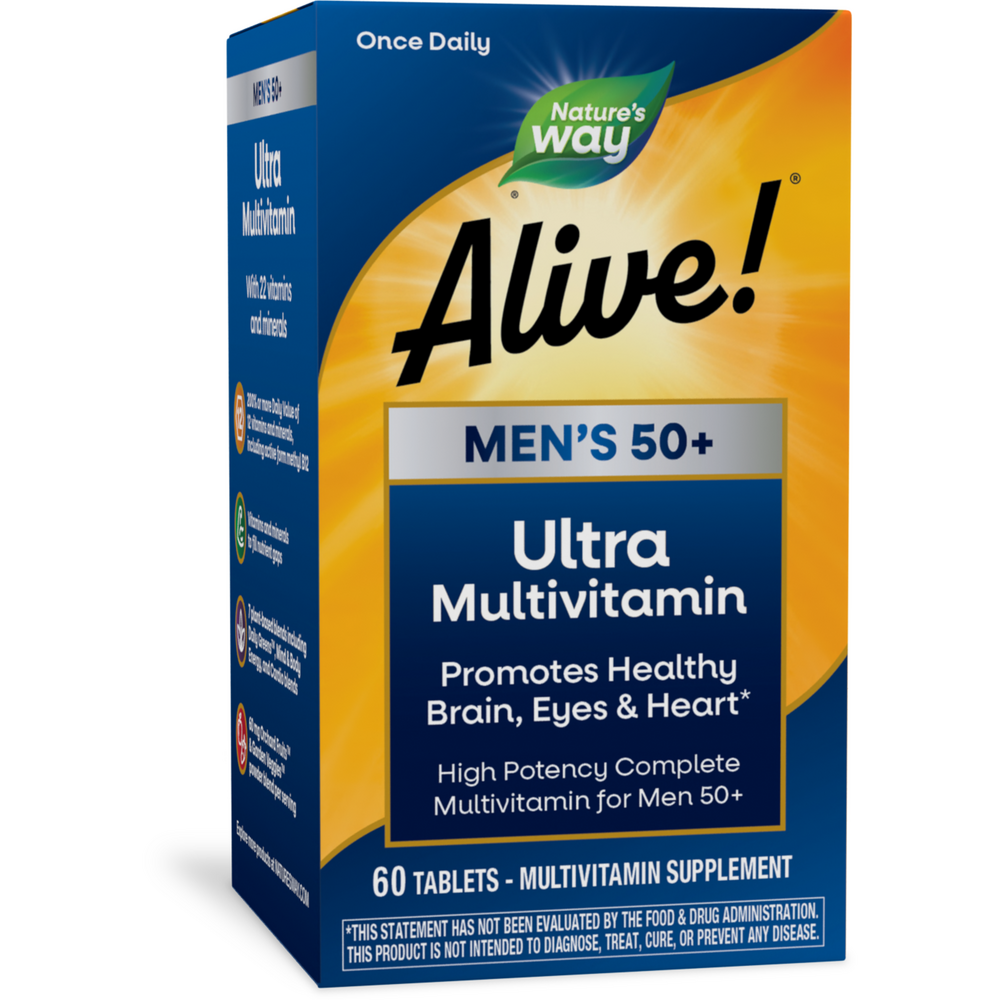
Alive! Men’s 50+ Ultra Potency
Nature’s Way
60 tablets
$29.99$23.99 with Subscribe & Save
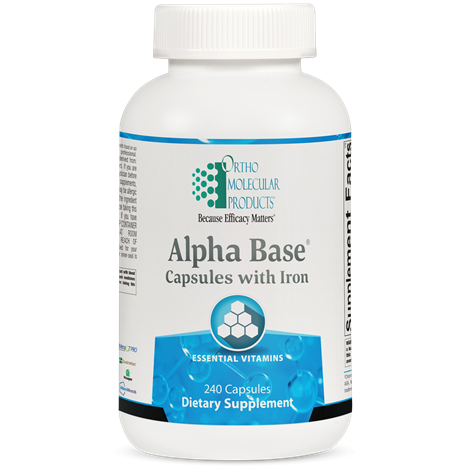
Alpha Base® Capsules with Iron
Ortho Molecular Products
240 capsules
$74.31$66.95 with Subscribe & Save