 Instalab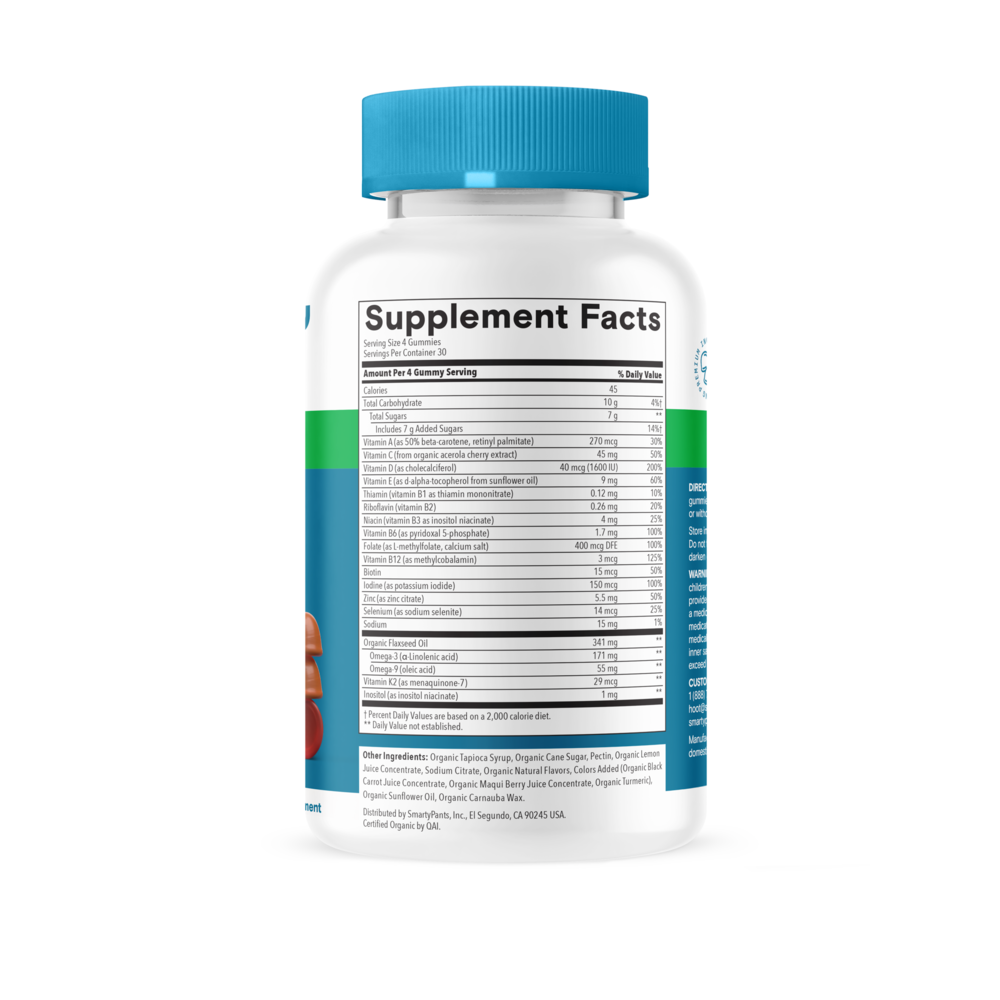
SmartyPants
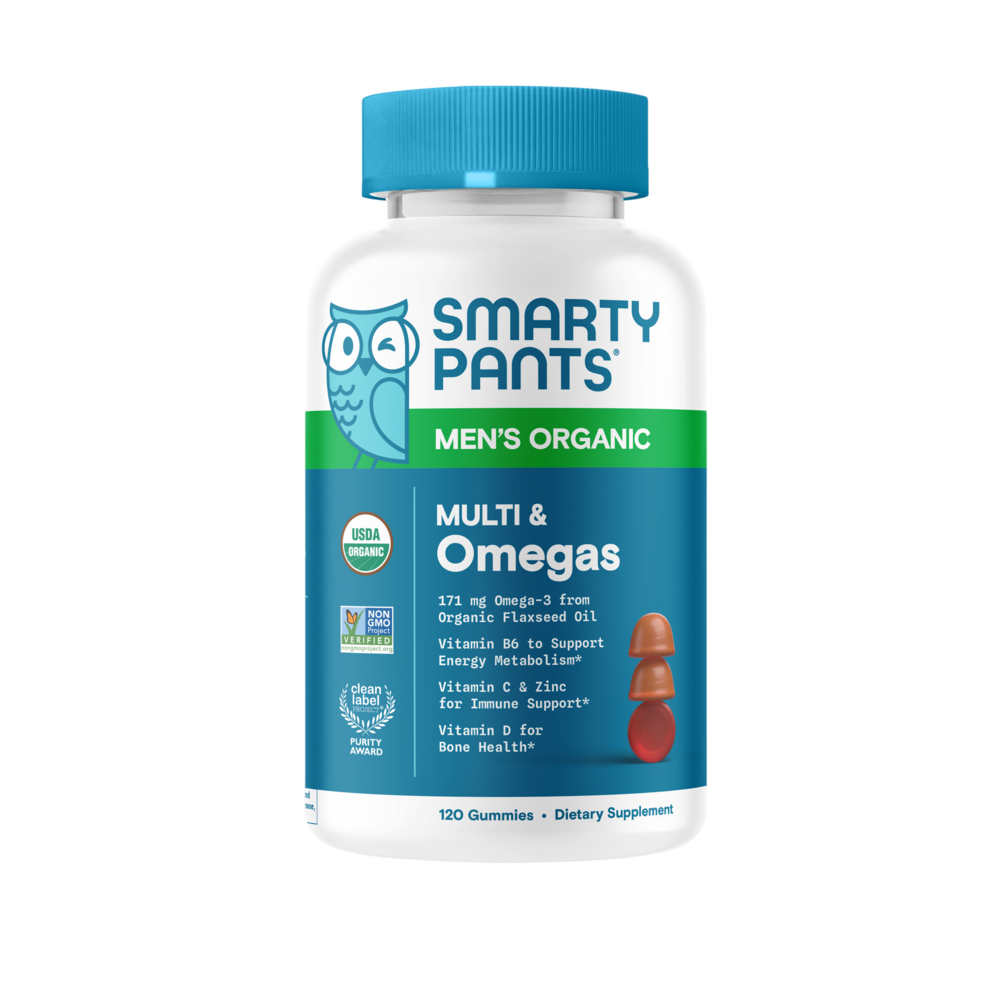
Men's Organic Multi & Omegas by SmartyPants
120 gummies · 30-day supply
USDA Certified Organic Multivitamin with Plant-Based Omega-3s for Men$37.99
This item is currently out of stockGet notified when this item is back in stock
Practitioner-grade brand3rd-party testedFree shipping $50+
Vegetarian·Gluten Free·Soy Free·Lactose Free·Dairy Free·Egg Free·
SmartyPants Men's Organic Multi & Omegas overview
This is the men's gummy multivitamin for the buyer who specifically wants a USDA Certified Organic and AVA-Certified Vegetarian product. It fits men who avoid fish-derived supplements, prefer a plant-based source for omega-3s, and want one daily routine that covers the standard nutrient gaps. The omega-3 here is ALA from organic flaxseed oil, the short-chain plant form. If you specifically want long-chain DHA and EPA omega-3s, the Men's Plus 180-gummy in this same line uses fish oil instead and is the better fit for that goal.
The 16 daily nutrients include vitamins C, D3, B-12, A, and folate. D3 (cholecalciferol) at 1600 IU per daily serving is the form the skin makes from sunlight and the form most reliably used by the body. Folate is provided as L-methylfolate (calcium salt) and B-12 as methylcobalamin, the activated forms the body uses without an additional conversion step. Vitamin K is provided as K-2 menaquinone-7 (29 mcg), which supports normal calcium handling. The plant-based omega-3 ALA (171 mg from 341 mg organic flaxseed oil) contributes to cardiovascular and inflammatory homeostasis; note that the body converts only a small fraction of dietary ALA to long-chain EPA and DHA, so this is omega-3 maintenance for someone who eats enough fatty fish or who simply prefers plant-only nutrition.
Take 4 gummies daily, with or without food. Fat-soluble nutrients absorb better with a meal that contains some fat, so breakfast or dinner is a reasonable default. Split the four gummies across two times of day if that is easier on the stomach. If you also use a separate omega-3 supplement, count the ALA here in your overall plan rather than stacking unintentionally.
If you take prescription medications, are receiving medical care, or have a medical condition, talk to your clinician before starting and review the warnings below.
Frequently asked questions
What kind of omega-3 is in this product?
Plant-based ALA from organic flaxseed oil. Each daily 4-gummy serving provides 341 mg of organic flaxseed oil contributing 171 mg of Omega-3 alpha-linolenic acid. The body converts a small fraction of ALA to long-chain EPA and DHA, the omega-3s most associated with cardiovascular benefits. If long-chain omega-3 intake is a goal, pair this with a separate algal or fish source, or use the Men's Plus 180-gummy version which provides DHA and EPA from fish oil.
Why 4 gummies a day?
Four gummies is the manufacturer-validated daily serving for hitting the 16 listed nutrient amounts. Taking fewer cuts every nutrient proportionally; consider a capsule multi if you find four gummies inconvenient.
Is this multivitamin vegan?
It is AVA-Certified Vegetarian, not vegan (the gummy base contains gelatin). Check the SmartyPants page for the current allergen and certification details if a strict vegan label matters to you.
Does it contain iron?
No. Most adult men do not need supplemental iron unless a clinician has identified a specific need. If you have been told to supplement iron, take that as a separate product.
Should I take it with food?
It is not required, but absorption of fat-soluble vitamins improves with a meal that contains some fat. Many users take their gummies with breakfast or dinner for that reason.
How does this compare to Men's Plus 180-gummy?
Men's Organic is USDA Certified Organic with plant-based ALA omega-3 from flaxseed oil and 16 nutrients at 4 gummies daily. The Men's Plus 180-gummy is the non-organic alternative with fish-oil EPA and DHA plus CoQ10 and lycopene, at 6 gummies daily. Pick by omega-3 source, certification preference, and serving format.
Are the colors and sweeteners clean?
SmartyPants uses certified organic colors (organic black carrot juice, maqui berry juice, turmeric) and sweetens with organic cane sugar and organic tapioca syrup. No artificial colors or sweeteners.
How to take it & ingredients
Suggested use: For adult men, take four (4) gummies daily. May be taken with or without food.
Active ingredients
4 gummies per serving · 30 servings
Vitamin A
As 50% beta-carotene, retinyl palmitate USP
As 50% beta-carotene, retinyl palmitate USP
270 mcg
Vitamin C
From organic acerola cherry extract
From organic acerola cherry extract
45 mg
Vitamin D
As cholecalciferol
As cholecalciferol
40 mcg
Vitamin E
As d-alpha-tocopherol from sunflower oil
As d-alpha-tocopherol from sunflower oil
9 mg
Thiamin
Vitamin B1 as thiamin mononitrate
Vitamin B1 as thiamin mononitrate
0.12 mg
Riboflavin
Vitamin B2
Vitamin B2
0.26 mg
Niacin
Vitamin B3 as inositol niacinate
Vitamin B3 as inositol niacinate
4 mg
Vitamin B-6
As pyridoxal 5-phosphate
As pyridoxal 5-phosphate
1.7 mg
Folate
As L-methylfolate, calcium salt
As L-methylfolate, calcium salt
400 mcg DFE
Vitamin B-12
As methylcobalamin
As methylcobalamin
3 mcg
Biotin
15 mcg
Iodine
As potassium iodide
As potassium iodide
150 mcg
Zinc
As zinc citrate
As zinc citrate
5.5 mg
Selenium
As sodium selenite
As sodium selenite
14 mcg
Sodium
15 mg
▼
Organic Flaxseed Oil
341 mg
Omega-3
As alpha-linolenic acid
As alpha-linolenic acid
171 mg
Omega-9
As oleic acid
As oleic acid
55 mg
Vitamin K-2
As menaquinone-7
As menaquinone-7
29 mcg
Inositol
As inositol niacinate
As inositol niacinate
1 mg
Other ingredients: Organic Cane Sugar, Organic Tapioca Syrup, Gelatin, Pectin, Citric Acid, Natural Flavors, Colors Added (Organic Black Carrot Concentrate, Organic Maqui Berry Concentrate), Organic Sunflower Oil, Organic Carnauba Wax
Certifications
Benefits
Warnings
Customers also considered
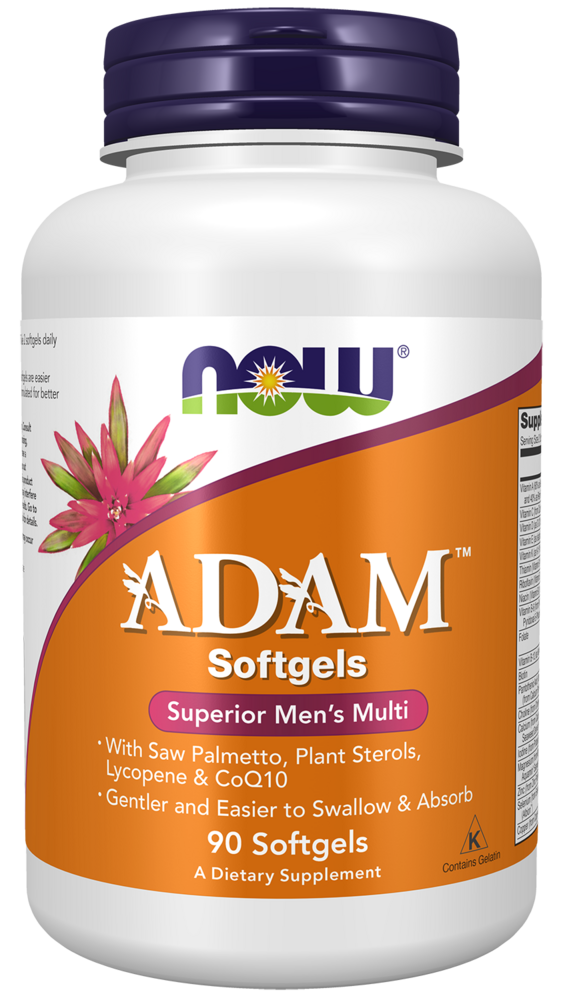
ADAM Superior Men's Multi
Now Foods
90 softgels
$39.99$31.99 with Subscribe & Save
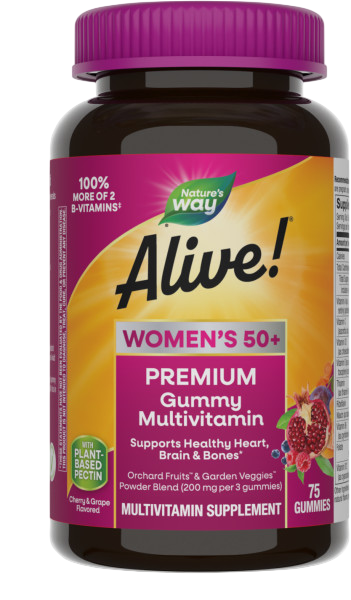
Alive Womens 50+ Premium Gummy Multi-Vitamin
Nature's Way
75 gummies
$22.99$17.99 with Subscribe & Save
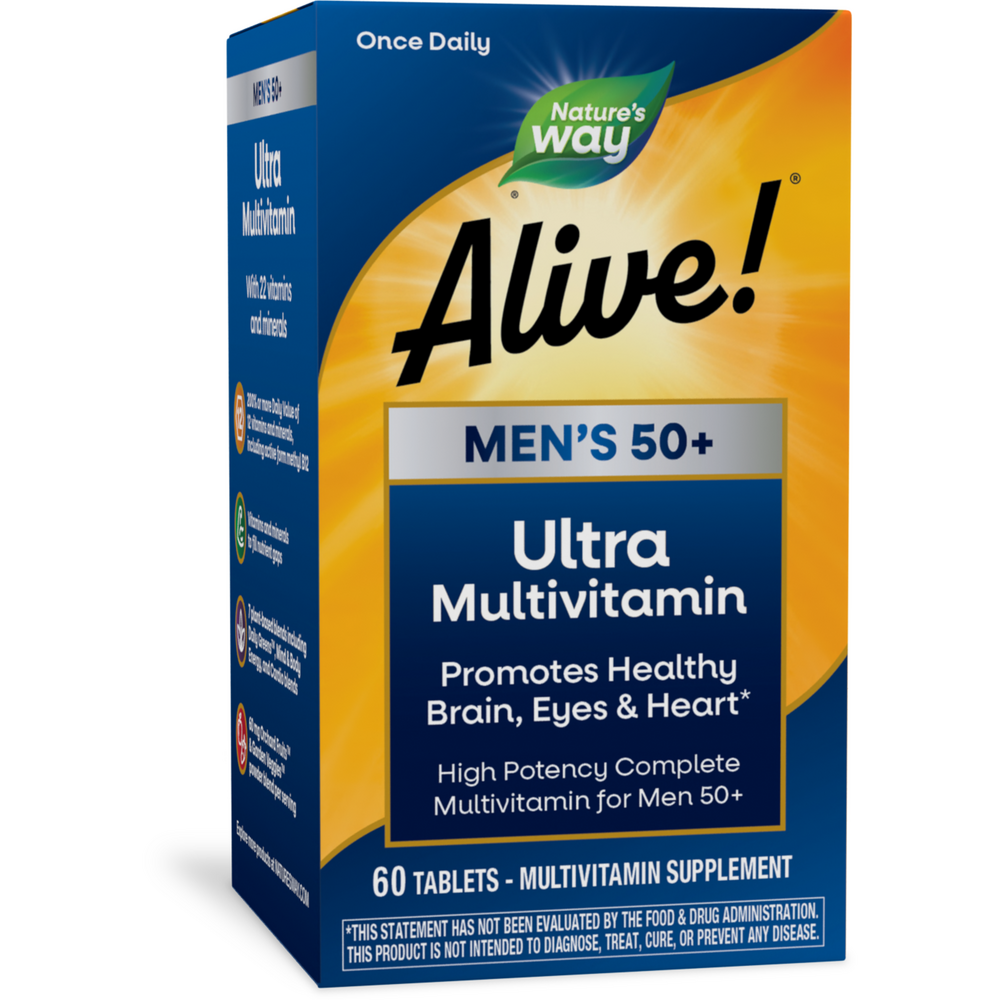
Alive! Men’s 50+ Ultra Potency
Nature’s Way
60 tablets
$29.99$23.99 with Subscribe & Save
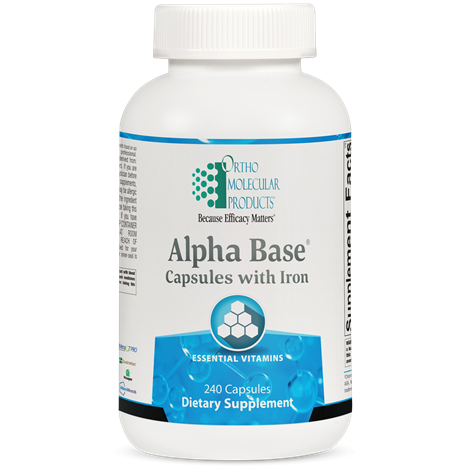
Alpha Base® Capsules with Iron
Ortho Molecular Products
240 capsules
$74.31$66.95 with Subscribe & Save