 Instalab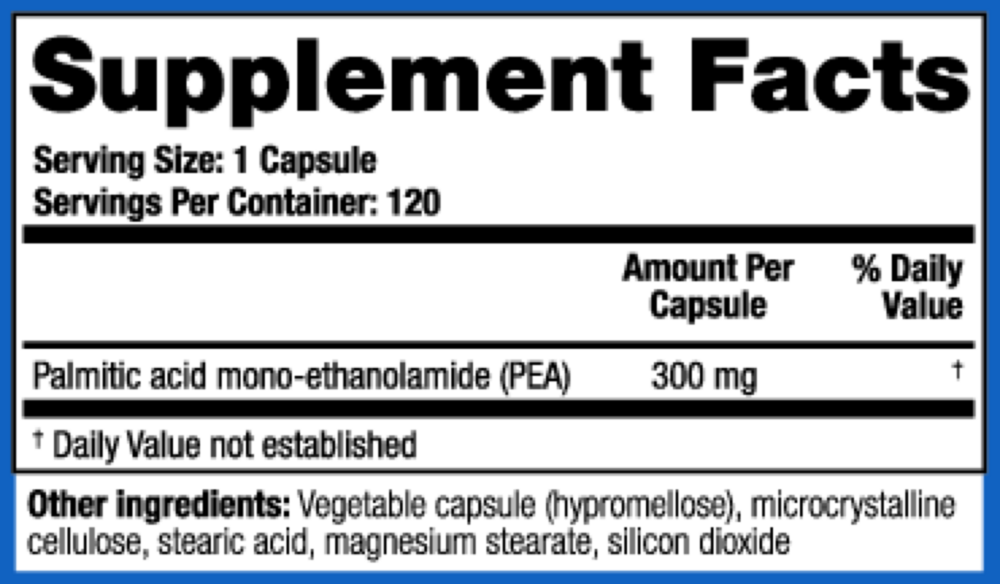

Theralogix
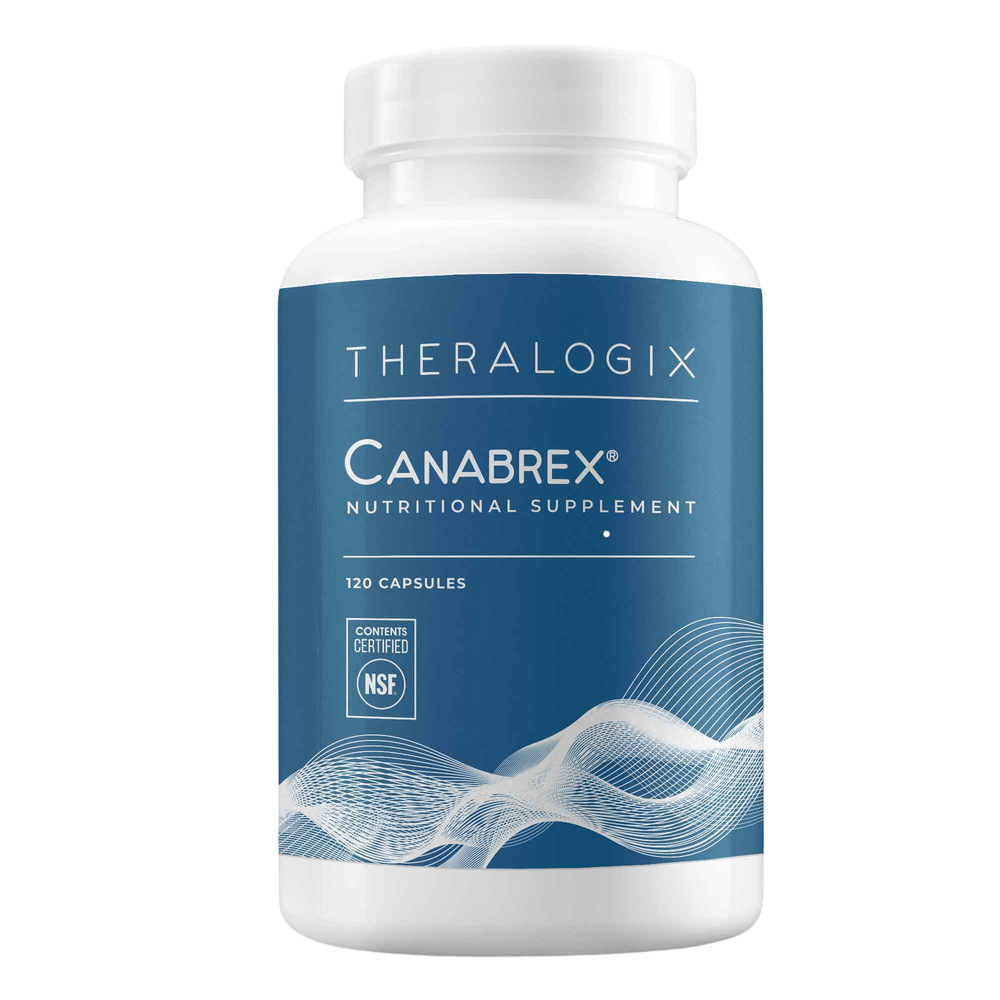
Canabrex 300 mg by Theralogix
120 capsules · 120-day supply
Natural Support for Inflammation and Nerve Health$92.99
Purchase options
Practitioner-grade brand3rd-party testedFree shipping $50+
Vegan·Vegetarian·Gluten Free
Theralogix Canabrex overview
If nerve-related pain is the problem—sciatica, carpal tunnel, post-surgical nerve irritation, pelvic pain, or lingering muscle tenderness—palmitoylethanolamide (PEA) is worth a trial. It’s non‑psychoactive and can be a next step if NSAIDs upset your stomach or if gabapentin makes you groggy. The twice-daily 300 mg here (600 mg/day) is a practical starting dose. Expect the biggest upside in neuropathic pain; joint arthritis can respond too, even when hs-CRP (a blood inflammation marker) looks normal.
PEA is a fatty compound your body makes that calms overactive mast cells (the immune cells that release histamine) and microglia (the brain and nerve immune cells that amplify pain). It activates PPAR-α (a receptor that turns down inflammatory gene signaling) and indirectly balances the endocannabinoid system without binding cannabis receptors, so there’s no high. In responders, this shows up as lower pain sensitivity over 2–8 weeks, with modest or no change in hs-CRP.
Take one 300 mg capsule with breakfast and one with dinner, with food. Most trials start at 600 mg/day; if pain relief is partial after 2–4 weeks, clinicians sometimes increase to 900–1,200 mg/day short term. Benefits are usually felt within 2–8 weeks. Micronized or ultramicronized PEA absorbs better; this dose works well for maintenance once symptoms settle.
PEA is well tolerated, but skip it during pregnancy or breastfeeding due to limited safety data. Use caution with severe liver or kidney disease, and review excipients if you have soy or peanut allergy. It plays well with NSAIDs, acetaminophen, SNRIs, or gabapentin, but don’t use it as your only plan for new, severe, or worsening pain—get evaluated.
Frequently asked questions
How is palmitoylethanolamide different from CBD?
PEA is an endocannabinoid-like fatty acid your body makes. It modulates immune and pain signaling without binding cannabis receptors, so it’s non-psychoactive and won’t cause a high. Clinically, both are used for pain, but PEA has human trials in neuropathic pain at defined doses.
How long does PEA take to work for nerve pain?
Most people who respond notice improvement within 2–4 weeks, with fuller effects by 8 weeks. If there’s no change after 8 weeks at 600–1,200 mg/day, it’s reasonable to reassess the plan with your clinician.
What’s the best PEA dose for pain?
600 mg/day is a common starting dose (300 mg twice daily). For stubborn symptoms, some studies use 900–1,200 mg/day for a few weeks, then step down. Take with food, split morning and evening.
Can I take PEA with NSAIDs, acetaminophen, or gabapentin?
Yes. PEA is often layered with NSAIDs, acetaminophen, SNRIs, or gabapentin. There are no well-documented drug–drug interactions, but discuss combos with your clinician, especially if you’re adjusting other meds.
Will PEA show up on a drug test?
No. PEA is not cannabis-derived and is not tested on workplace drug screens. It doesn’t activate THC pathways and does not cause intoxication.
Are there side effects with PEA?
Side effects are uncommon and usually mild: stomach upset, nausea, or headache. Taking it with food and splitting the dose helps. Stop and consult your clinician if you notice a rash or persistent symptoms.
Should I take PEA in the morning or at night?
Split the dose—morning and evening with meals. It’s not a stimulant or sedative, so timing is about steady levels and stomach comfort, not energy or sleep effects.
Do I need labs while taking PEA?
No specific lab is required. Track pain scores, function, and sleep. If systemic inflammation is a concern, your clinician may follow hs-CRP, but pain benefits can occur even when hs-CRP is normal.
How to take it & ingredients
Suggested use: Take 1 capsule, twice a day, with food, or as recommended by your healthcare provider. For example, take one capsule with breakfast and one capsule with dinner.
Active ingredients
1 capsule per serving · 120 servings
Palmitic acid mono-ethanolamide (PEA)
300 mg
Other ingredients: Vegetable capsule (hypromellose), Microcrystalline cellulose, Stearic acid, Magnesium stearate, Silicon dioxide
Certifications
Benefits
Warnings
Customers also considered
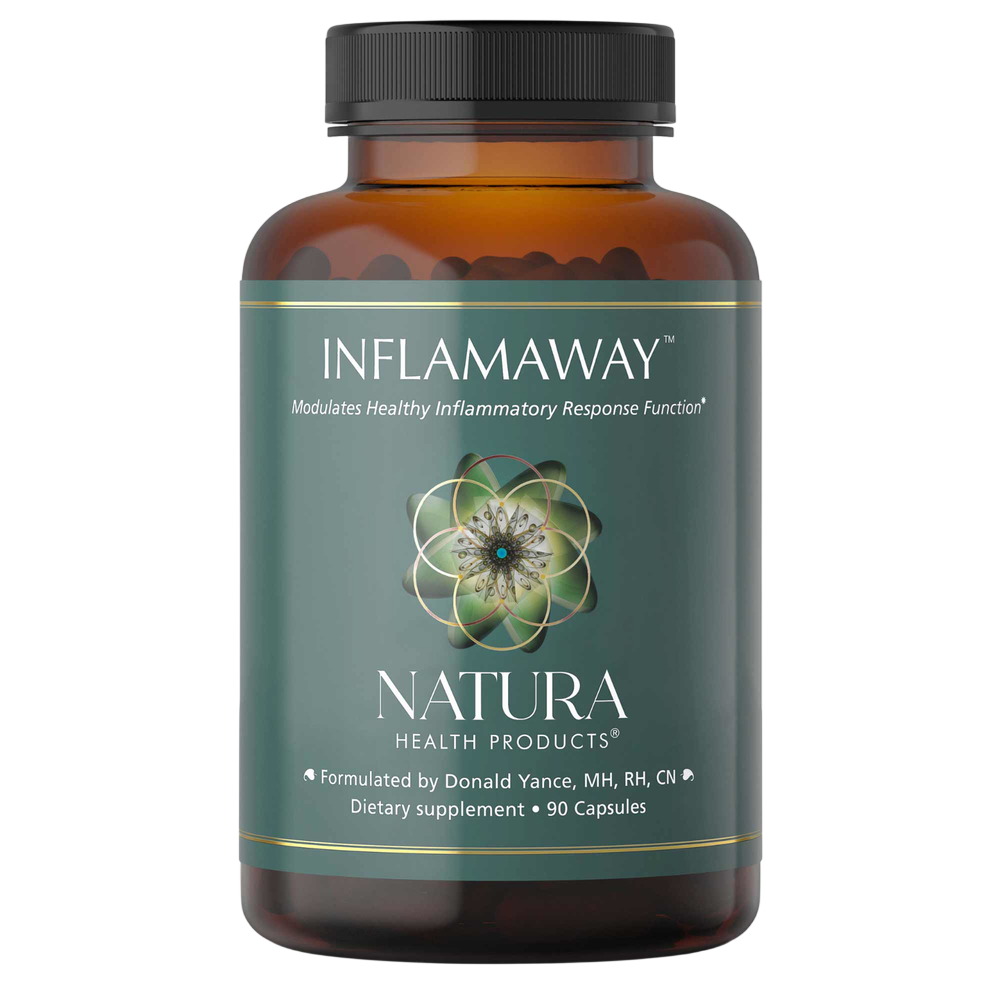
INFLAMAWAY
Natura Health Products
90 capsules
$67.99$53.99 with Subscribe & Save
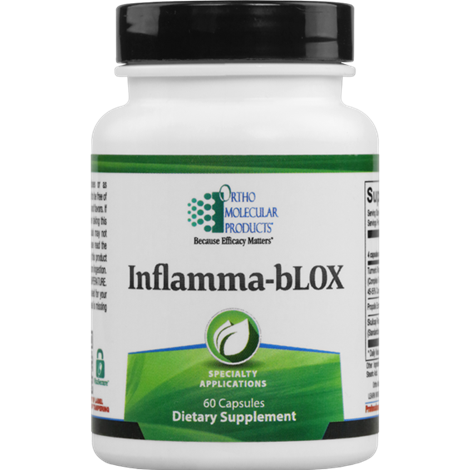
Inflamma-bLOX
Ortho Molecular Products
60 capsules
$58.89$53.05 with Subscribe & Save
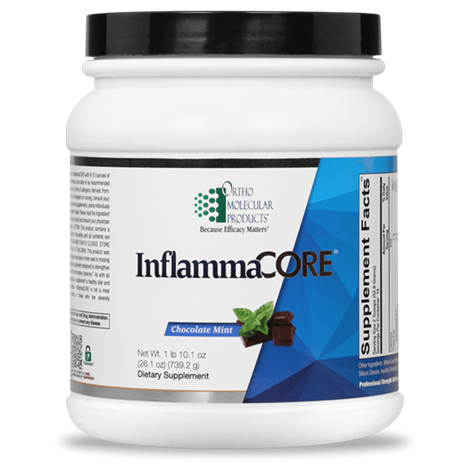
InflammaCORE® Chocolate Mint
Ortho Molecular Products
739.2 grams
$105.39$94.95 with Subscribe & Save
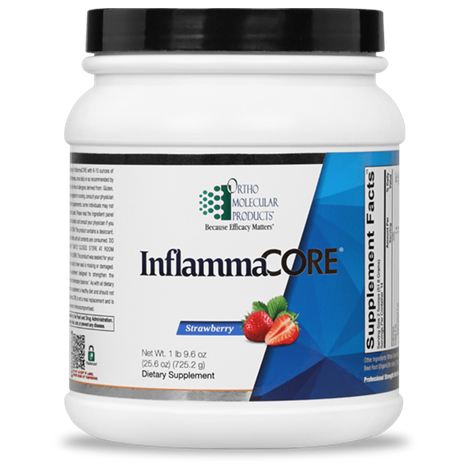
InflammaCORE® Strawberry
Ortho Molecular Products
725.2 grams
$105.39$94.95 with Subscribe & Save