 Instalab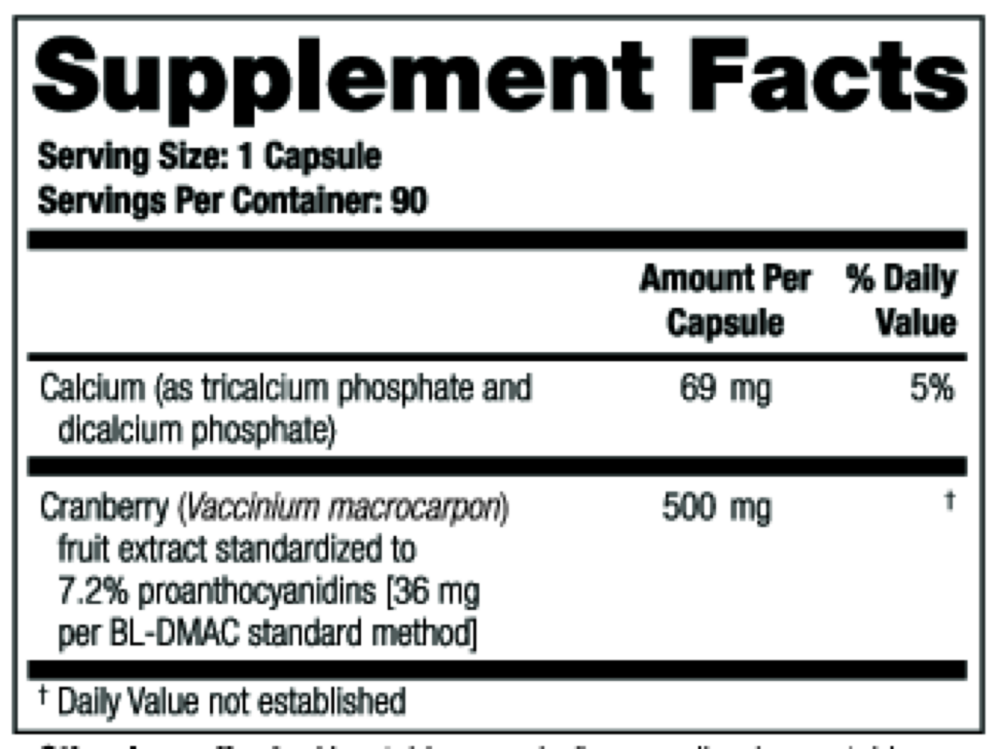

Theralogix
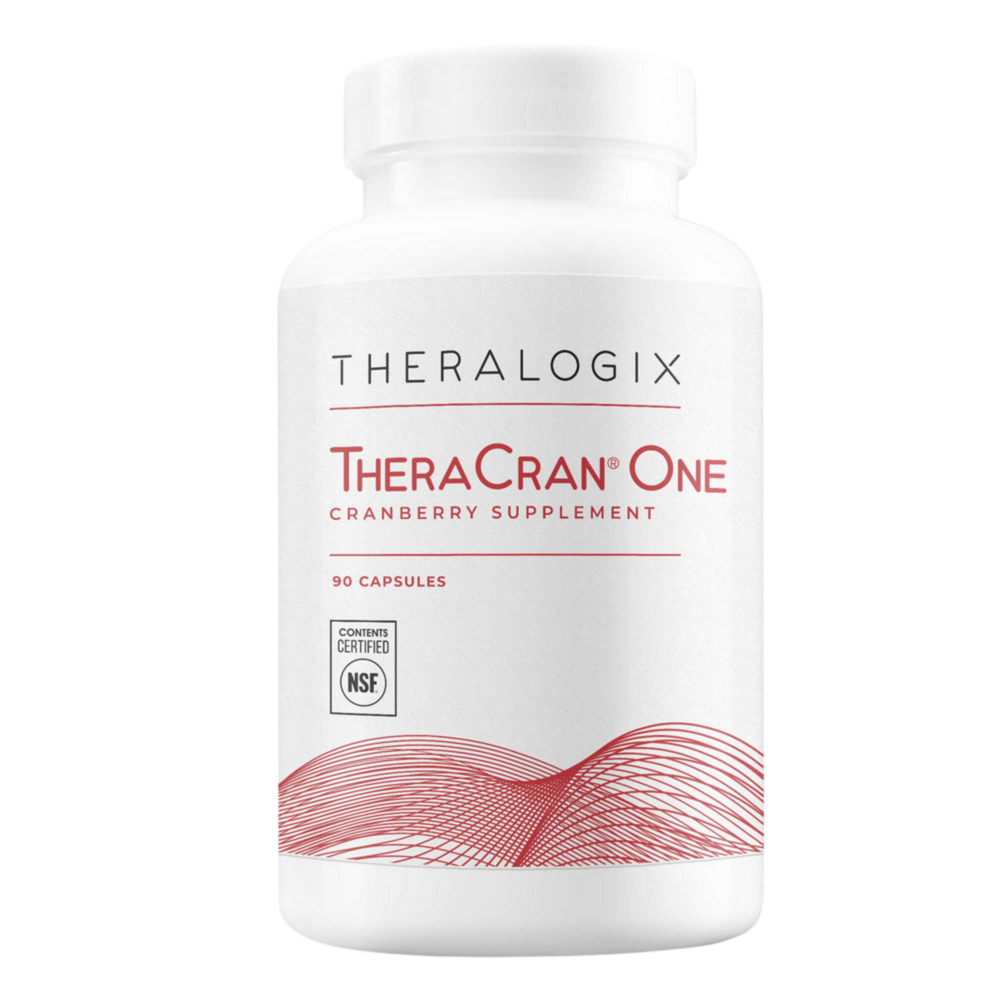
TheraCran One by Theralogix
90 capsules · 90-day supply
Cranberry Extract for Urinary Health and Antioxidant Support$95.99
Purchase options
Practitioner-grade brand3rd-party testedFree shipping $50+
Vegan·Vegetarian·Gluten Free
Theralogix TheraCran One overview
Recurrent urinary tract infections are the main reason to use cranberry extract for UTI prevention. It’s most helpful for women who get repeat infections, those with postcoital UTIs (after sex), and people aiming to cut down on preventive antibiotics. If you’ve had a recent infection, confirm clearance with a urinalysis and, when used, a urine culture before relying on prevention. This dose is also reasonable for men with recurrent UTIs, though data are strongest in women.
Cranberry extract is standardized here to 36 mg of proanthocyanidins (PACs) by the BL-DMAC method, the assay used in most clinical trials. These PACs have A-type linkages that reduce how well uropathogenic E. coli (the most common UTI bacteria) can stick to bladder cells. Think of it as blunting the bacteria’s adhesins, the grappling hooks they use to latch on, which lowers the chance an exposure turns into an infection.
Take one capsule with food once daily; that provides the 36 mg PAC target used in studies. Most people who respond notice fewer infections within 4 to 12 weeks, so stay consistent. During stretches of higher risk, such as around sexual activity or travel, some clinicians keep daily dosing and add timing near the trigger, though evidence on exact timing is limited. Cranberry does not treat an active UTI—start antibiotics promptly if you develop typical symptoms.
History of calcium oxalate kidney stones is a reason to reconsider, since cranberry can raise urinary oxalate (a stone-forming compound). If you take warfarin (a blood thinner), use caution and involve your prescriber; rare interactions have been reported with cranberry concentrates. Pregnancy and breastfeeding appear low risk, but discuss with your obstetric clinician. Common side effects are mild stomach upset; take with food or stop if diarrhea or reflux persists.
Frequently asked questions
Do cranberry pills really prevent UTIs?
Yes for some people. Trials using 36 mg PACs daily show a modest reduction in recurrent UTI risk, especially in women. It’s prevention, not treatment, and works best when taken consistently for weeks.
How long does cranberry extract take to work?
Expect prevention benefits within 4–12 weeks. It doesn’t relieve active symptoms. If you have burning, urgency, or fever, get a urinalysis and start appropriate treatment promptly.
What PAC amount should I look for in cranberry supplements?
Look for 36 mg PACs measured by the BL-DMAC method. Labels that list only milligrams of cranberry powder without PACs, or use different assays, may not match doses used in studies.
Can I take cranberry extract with antibiotics?
Yes. It won’t interfere with common UTI antibiotics and can be continued after treatment to lower recurrence risk. Don’t use cranberry in place of antibiotics for an active infection.
Is cranberry safe if I have kidney stones?
If you form calcium oxalate stones, be cautious. Cranberry can increase urinary oxalate in some people. Discuss with your urologist and consider monitoring with a 24-hour urine test.
Does cranberry interact with warfarin?
Rare cases suggest a potential interaction. If you’re on warfarin, speak with your prescriber and check INR more closely when starting or stopping cranberry extract.
Should I take cranberry before or after sex for postcoital UTIs?
Daily dosing is the foundation. Some clinicians add a dose near intercourse for those with postcoital UTIs, but timing evidence is limited. Hydration and prompt urination after sex also help.
Can men use cranberry extract for UTI prevention?
Yes, though most data are in women. In men, rule out prostate or urinary tract issues with your clinician if infections are recurrent.
How to take it & ingredients
Suggested use: Take one capsule per day, with food. Do not use if seal has been broken.
Active ingredients
1 capsule per serving · 90 servings
Calcium
As tricalcium phosphate and dicalcium phosphate
As tricalcium phosphate and dicalcium phosphate
69 mg
Cranberry fruit extract
Vaccinium macrocarpon, standardized to 7.2% proanthocyanidins, 36mg per Bl-DMAC standard method
Vaccinium macrocarpon, standardized to 7.2% proanthocyanidins, 36mg per Bl-DMAC standard method
500 mg
Other ingredients: Vegetable capsule (hypromellose), vegetable magnesium stearate, silicon dioxide
Certifications
Benefits
Warnings
Customers also considered
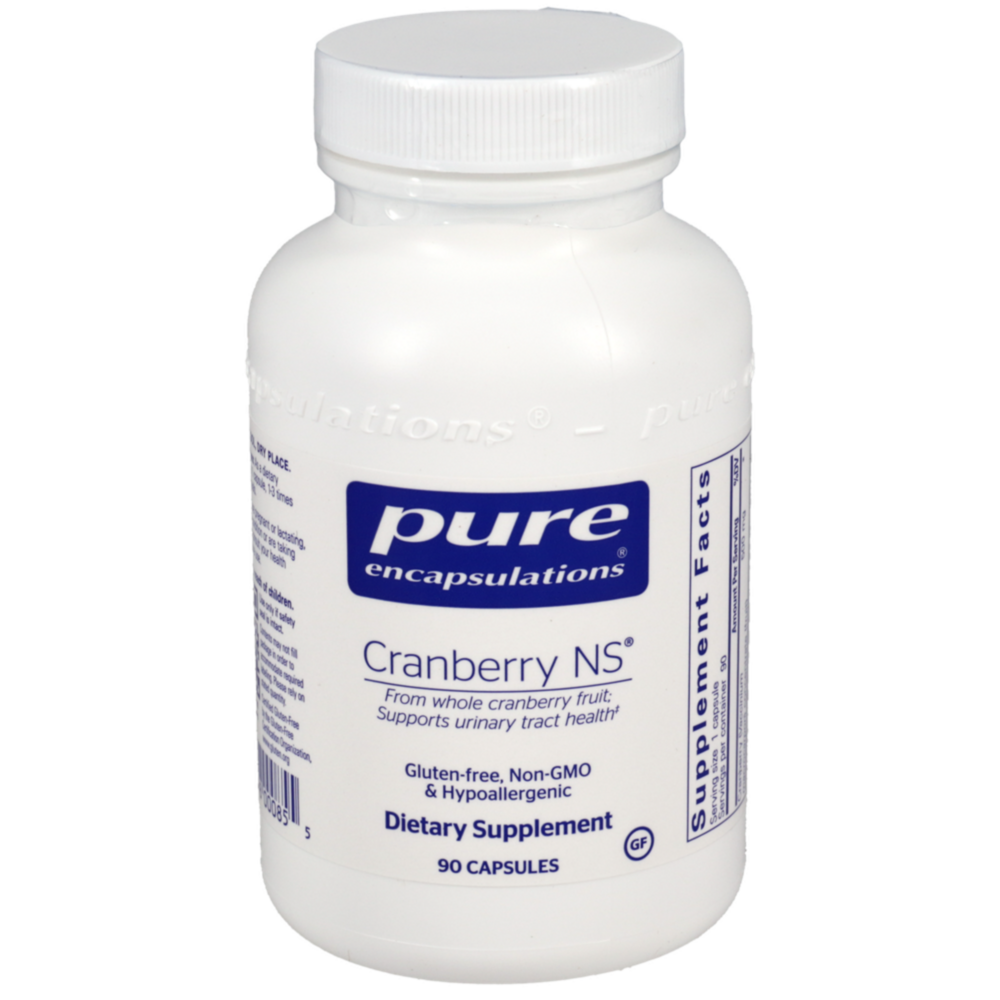
Cranberry NS
Pure Encapsulations
90 capsules
$41.50$32.99 with Subscribe & Save
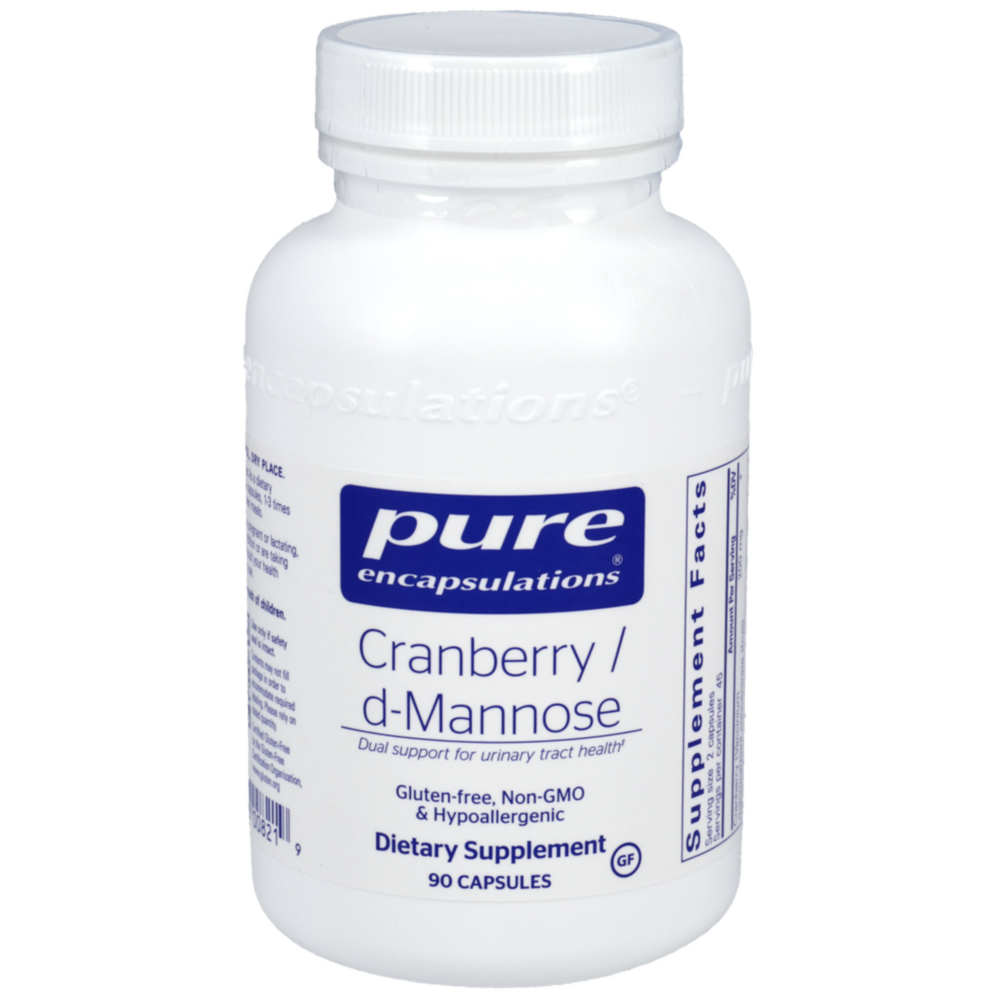
Cranberry/D-Mannose
Pure Encapsulations
90 capsules
$59.00$46.99 with Subscribe & Save
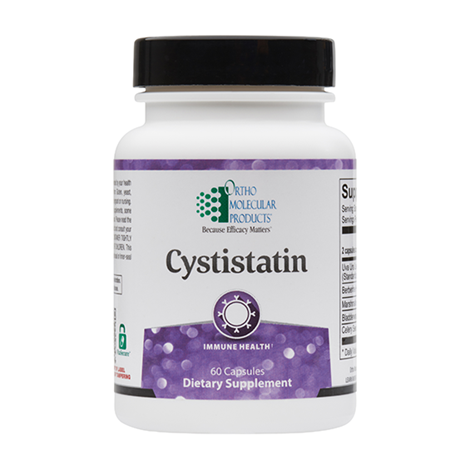
Cystistatin
Ortho Molecular Products
60 capsules
$69.21$62.35 with Subscribe & Save
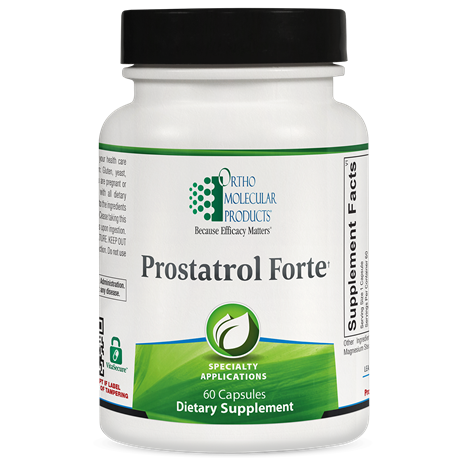
Prostatrol Forte
Ortho Molecular Products
60 capsules
$69.21$62.35 with Subscribe & Save