 Instalab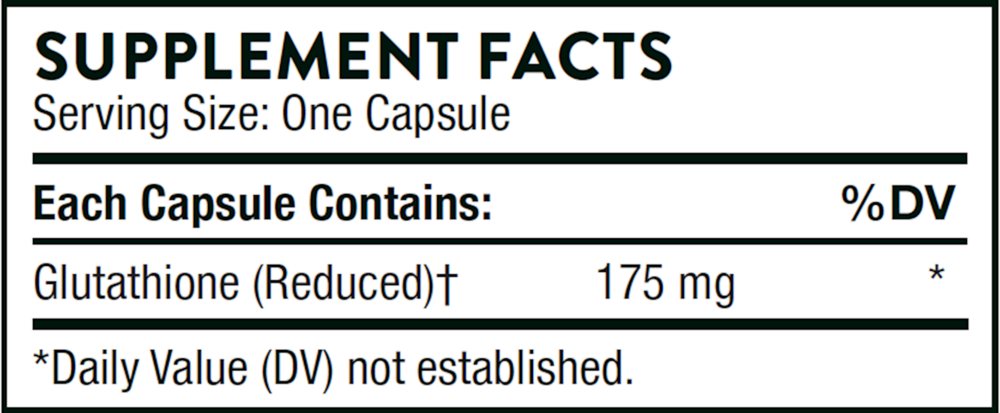


Thorne
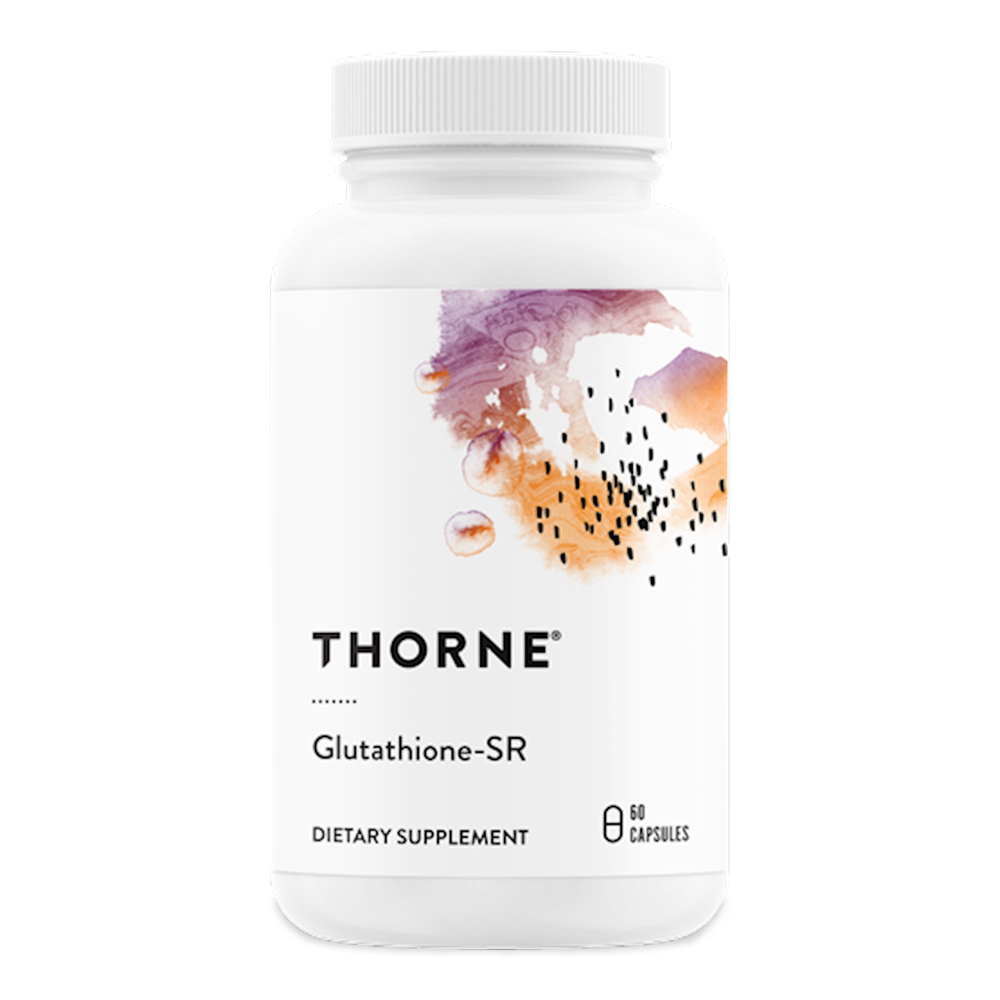
Glutathione-SR 175 mg by Thorne
60 capsules · 60-day supply
Powerful Antioxidant Support for Cellular Health and Detoxification$54.00
Purchase options
Practitioner-grade brand3rd-party testedFree shipping $50+
Gluten Free·Soy Free·Dairy Free·Milk Free
Thorne Glutathione-SR overview
This fits adults looking to raise glutathione based on real signals: a low-protein or plant-only diet with minimal sulfur amino acids, regularly elevated GGT (gamma‑glutamyl transferase, a liver enzyme that tracks glutathione demand), high hs-CRP (an inflammation marker), or frequent endurance training. It’s also reasonable during periods of higher toxic load like urban air exposure or regular alcohol intake. If you’re after skin “lightening,” oral glutathione gives mixed, modest results; don’t buy it for that goal alone.
Glutathione (reduced form, GSH) is your cells’ master antioxidant that recycles vitamins C and E and fuels glutathione peroxidase (the enzyme that turns peroxides into water). In the liver it powers glutathione S‑transferases, which conjugate toxins (tag them so you can excrete them). Oral GSH historically had spotty absorption, but sustained‑release protects it from stomach breakdown and delivers a steadier blood level, which is what correlates with lower oxidative stress markers in responders.
The suggested use is one capsule two to three times daily, with or without food. Splitting the dose matters here, because the sustained‑release matrix aims for a stable level across the day. Expect any lab‑visible change, like shifts in GGT, hs‑CRP, or ALT (alanine aminotransferase, another liver enzyme), within 4 to 12 weeks. If you need a budget way to raise glutathione longer‑term, N‑acetylcysteine (a glutathione precursor) is a fair alternative.
If you’re on active chemotherapy or immune‑modulating cancer therapy, talk to your oncologist first; antioxidants can interfere with treatment intent. For true deficiency states or very low protein intake, pairing this with cysteine or glycine sources often works better than glutathione alone. Pregnancy and breastfeeding: safety data are limited—use only with clinician guidance. Sulfa drug allergy isn’t a contraindication; that’s a different chemistry class.
Frequently asked questions
Does oral glutathione actually raise levels?
Yes, especially with sustained‑release or liposomal forms. Trials using 250–1,000 mg/day show increases in blood glutathione and modest drops in oxidative stress markers within 4–12 weeks. Response varies by diet, baseline status, and dosing consistency.
Glutathione vs NAC—what should I take?
NAC (N‑acetylcysteine) is a precursor that helps your body make glutathione and is usually more cost‑effective. Direct glutathione bypasses bottlenecks in some people. If labs suggest higher oxidative stress despite NAC, a trial of glutathione is reasonable.
When should I take glutathione, with or without food?
Either is fine. The key is consistency and split dosing. Sustained‑release capsules aim to smooth blood levels, so morning and late afternoon or evening works well. If you notice mild nausea, take it with a small meal.
How long until I notice effects from glutathione?
Plan on 4–12 weeks for objective changes like shifts in GGT, hs‑CRP, or ALT. Subjective changes (less post‑exercise soreness, better recovery) can show sooner but aren’t reliable without labs to confirm.
Is glutathione safe with alcohol or acetaminophen?
It’s generally safe, but it’s not a treatment for overdose—NAC is the standard in that setting. For regular alcohol intake, pair supplementation with honest intake reduction and liver labs through your clinician.
Can glutathione lighten skin?
Oral glutathione has mixed, modest effects in small studies. Results, when present, take months and are not guaranteed. IV or high‑dose uses for lightening are not well‑studied for safety; we don’t recommend that approach.
Any side effects or interactions to watch?
Side effects are uncommon and usually mild (bloating, loose stools, sulfur taste). Major interaction: discuss with your oncologist if on chemotherapy. Otherwise, it plays well with vitamin C, NAC, and whey protein.
How to take it & ingredients
Suggested use: Take 1 capsule two to three times daily or as recommended by your health professional.
Active ingredients
1 capsule per serving · 60 servings
Glutathione (Reduced)
175 mg
Other ingredients: High and Low Viscosity Hydroxypropyl Methylcellulose, Magnesium Citrate, Calcium Laurate (Time-Sorb), Hypromellose (derived from cellulose) capsule, Leucine, Silicon Dioxide
Certifications
Benefits
Warnings