 Instalab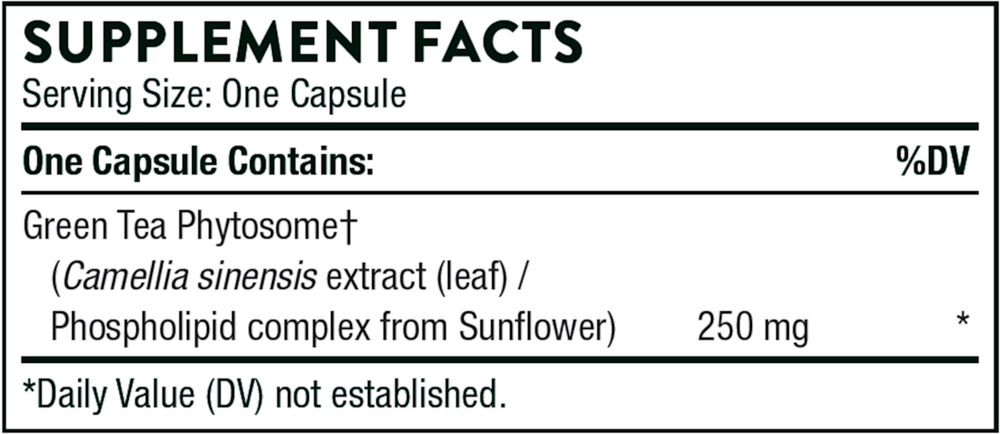
Thorne
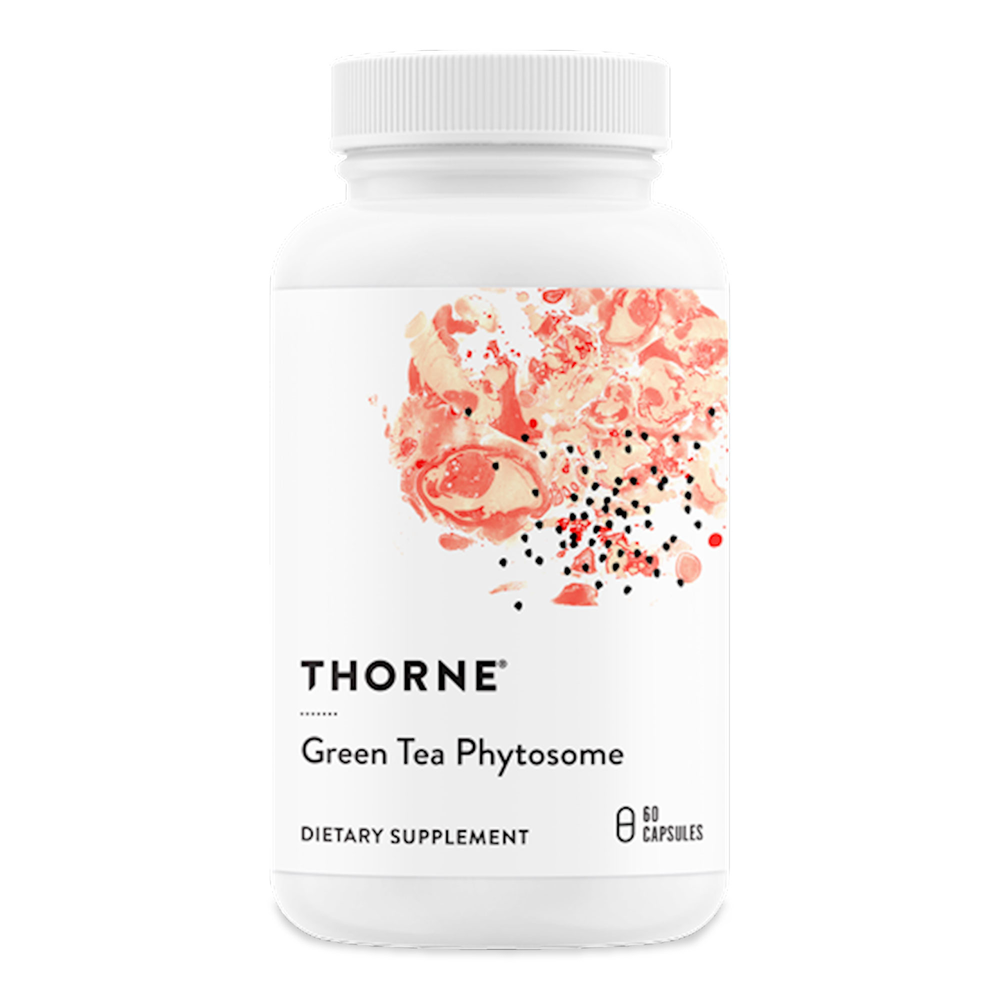
Green Tea Phytosome 250 mg by Thorne
60 capsules · 60-day supply
Decaffeinated Green Tea Extract for Antioxidant Support and Metabolic Health$34.00
Purchase options
Practitioner-grade brand3rd-party testedFree shipping $50+
Gluten Free·Soy Free·Dairy Free·Milk Free
Thorne Green Tea Phytosome overview
If you’re after a modest metabolic nudge without caffeine jitters, a decaffeinated green tea extract is a fit. It’s useful when weight is creeping despite decent habits, or if your fasting glucose or HbA1c (blood sugar markers) are drifting up and you want another lever alongside diet and activity. It also suits those watching liver enzymes like ALT after a period of heavier eating, as catechins have shown modest liver support. Expect small, steady changes over 8–12 weeks, not dramatic drops.
This formula uses a green tea phytosome, where catechins like EGCG are bound to sunflower phospholipids to boost absorption and be gentler on the gut. These polyphenols raise daily energy burn slightly by prolonging norepinephrine signaling (the body’s “turn up the furnace” signal) and by activating AMPK, a cellular energy sensor that shifts metabolism toward burning fat. They also spare glutathione, the liver’s master antioxidant, which is why some see small improvements in hs-CRP (an inflammation marker) and ALT on follow-up labs.
Take one capsule two to three times daily with food, spacing doses through the day. With a phytosome, lower milligram amounts can perform like higher-dose standard green tea extract, so you don’t need mega-doses. Most people who respond notice easier weight control and a slight energy lift within 4 to 12 weeks. Take it away from iron supplements by a few hours, since polyphenols can reduce iron absorption.
Skip taking this near nadolol (a blood pressure/beta-blocker), as green tea can reduce its absorption. Use caution with stimulants or thyroid medication since prolonging norepinephrine signaling can add to their effects, even though this is decaffeinated. If you supplement iron, separate doses. Very rarely, concentrated green tea extract has been linked to liver irritation—if your ALT is high or you have liver disease, involve your clinician and recheck labs after a few weeks.
Avoid during pregnancy and breastfeeding, and skip if you’ve ever had liver injury from a green tea product. If you want aggressive triglyceride reduction or dramatic fat loss, green tea extract isn’t the right tool—fish oil for high triglycerides or clinically dosed GLP‑1–style approaches for weight are far more effective. For those with low blood pressure, monitor for lightheadedness as metabolism shifts.
Frequently asked questions
How long does green tea extract take to work for weight loss?
Expect small changes within 4–12 weeks. Green tea extract increases daily calorie burn slightly, so results are gradual and depend on your diet and activity. It’s a nudge, not a standalone weight-loss drug.
Does green tea extract contain caffeine?
This one is decaffeinated, so jitters are unlikely. Trace amounts can remain, but they’re far below a cup of tea or coffee and rarely affect sleep or heart rate.
Is green tea extract bad for your liver?
At typical doses, most people do well, and some see improved ALT. Rarely, concentrated extracts can irritate the liver. If you have liver disease, start cautiously and recheck ALT within a few weeks.
Can I take green tea extract with iron or thyroid medication?
Separate from iron by a few hours because polyphenols can reduce iron absorption. For levothyroxine or stimulant meds, take at different times and monitor how you feel, as green tea can amplify their effects slightly.
Will green tea extract help lower inflammation?
Some people see modest reductions in hs-CRP, an inflammation marker, likely via antioxidant effects and better metabolic signaling. The effect is mild and builds with consistent use and diet quality.
What labs should I track while using green tea extract?
Useful markers include weight/waist, fasting glucose, HbA1c, ALT, and hs-CRP. If you’re targeting fat loss, track trends every 4–12 weeks alongside your nutrition and activity plan.
Is green tea extract safe with blood pressure medications?
Avoid taking it near nadolol, as green tea can lower its absorption. With other blood pressure drugs, it’s generally tolerated, but monitor blood pressure as your weight and metabolism change.
How to take it & ingredients
Suggested use: Take 1 capsule two to three times daily or as recommended by your health professional.
Active ingredients
1 capsule per serving · 60 servings
Green Tea Phytosome
Camellia sinensis leaf extract (decaffeinated) / Phospholipid complex from Sunflower
Camellia sinensis leaf extract (decaffeinated) / Phospholipid complex from Sunflower
250 mg
Other ingredients: Calcium (Citrate), Calcium Laurate, High and Low Viscosity Hydroxypropyl Methylcellulose, Hypromellose Capsule, Leucine, Silicon Dioxide
Certifications
Benefits
Warnings