 Instalab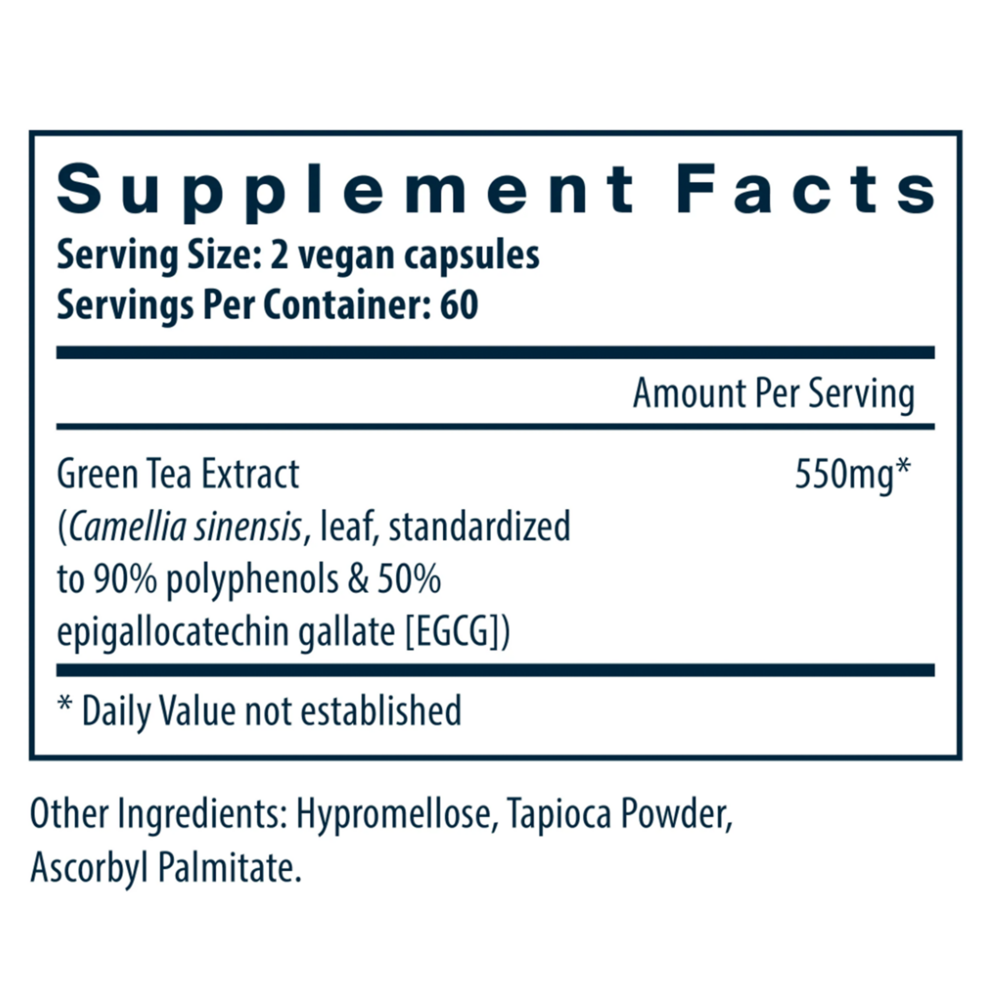
Vital Nutrients
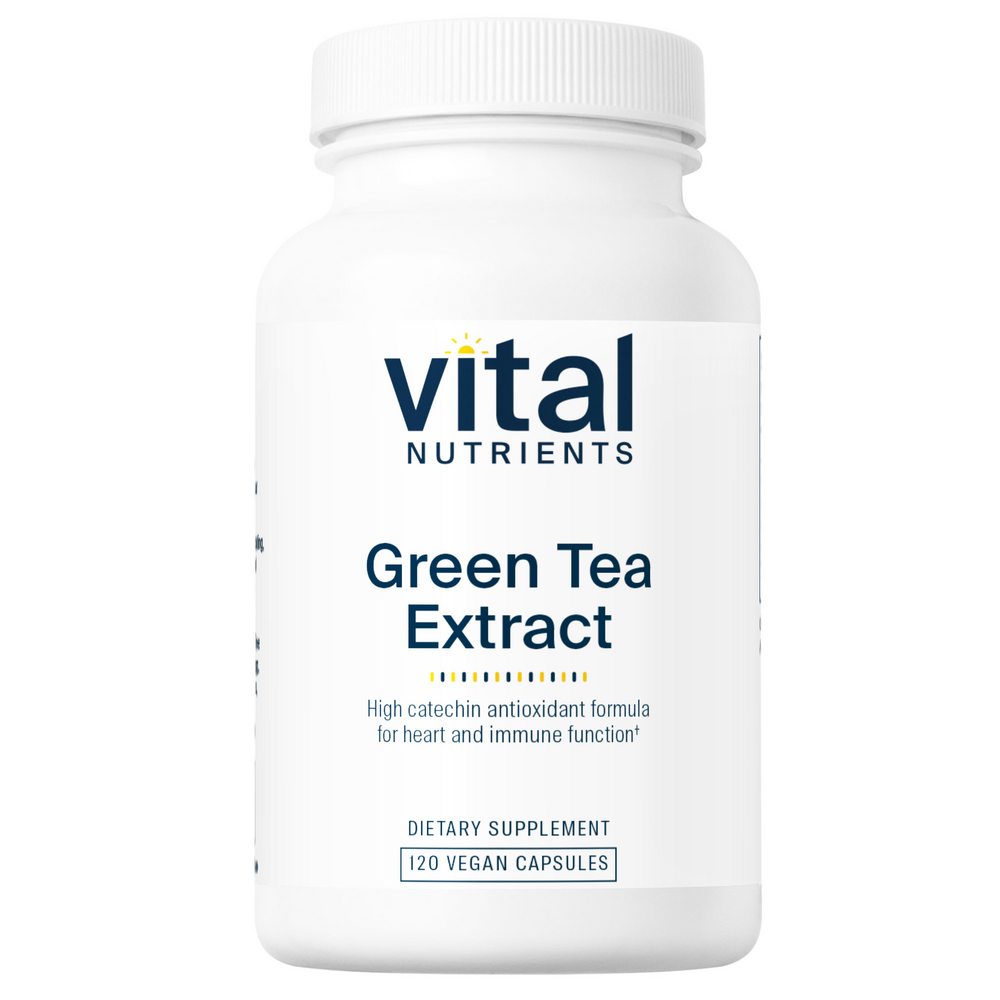
Green Tea Extract 550 mg by Vital Nutrients
120 capsules · 60-day supply
Powerful Antioxidant Support for Healthy Metabolism and Vitality$58.99
Purchase options
Practitioner-grade brand3rd-party testedFree shipping $50+
Gluten Free·Soy Free·Dairy Free·Egg Free·Milk Free·Sugar Free·
Vital Nutrients Green Tea Extract overview
If you’re considering green tea extract for weight loss or metabolic tune‑up, this is for people who don’t regularly drink several cups of green tea but want a concentrated EGCG intake. Expect small, measurable shifts: modest help with weight trends when diet and activity are in place, slight lowering of LDL cholesterol, and support for liver enzymes like ALT if they’ve been creeping up. Track LDL cholesterol, fasting glucose or HbA1c, ALT, and hs-CRP (an inflammation marker) to see if you’re a responder. If you already drink 2–3 cups daily, the added effect is usually minimal.
This extract is standardized to 90% polyphenols (plant antioxidants) and 50% EGCG (the main green tea catechin). EGCG nudges your body to burn more fat for energy and slightly reduces how much fat and starch you absorb from a meal. It also limits oxidation of LDL particles (the form of cholesterol that can build up in arteries), which partly explains small LDL reductions seen in trials. Caffeine content is low but not zero, and it pairs with EGCG to increase alertness and calorie burn modestly.
Take two vegan capsules daily with food as directed. With-food dosing is important, because taking concentrated green tea extract on an empty stomach has been linked to rare liver irritation. Morning or early afternoon is best to avoid sleep disruption. Separate from iron by 2–4 hours, since catechins can reduce iron absorption. Expect changes in LDL cholesterol or scale trends within 4 to 12 weeks, with day‑one effects on alertness.
Avoid if you have active liver disease, drink heavily, or have had unexplained jumps in ALT or AST (liver enzymes). Stop and get labs if you notice dark urine, abdominal pain, or yellowing of skin or eyes. People with iron deficiency or low Ferritin should either separate dosing strictly from iron or choose another approach. Skip during pregnancy and breastfeeding. Speak with your clinician if you take nadolol, warfarin, or bortezomib, or if you use other stimulants.
Frequently asked questions
Does green tea extract actually help with weight loss?
It helps a little. Meta-analyses show small extra losses (often 1–3 kg over 12–16 weeks) when paired with calorie control and activity. Effects are larger in people who aren’t habitual caffeine users and smaller if you already drink several cups of tea.
How long does green tea extract take to work?
You may feel alertness the first day. For measurable changes in LDL cholesterol, waist, or weight, expect 4–12 weeks. Track LDL cholesterol, fasting glucose or HbA1c, and waist measurements to gauge benefit.
Does green tea extract have caffeine?
Most extracts are low in caffeine but not caffeine-free. Sensitive users can still notice jitters or sleep disruption. Take in the morning or early afternoon and avoid stacking with coffee or pre-workouts if you’re sensitive.
Is green tea extract bad for your liver?
At typical doses taken with food, it’s generally well tolerated. High doses, especially on an empty stomach, have been linked to rare liver injury. Take with meals and stop if you develop dark urine, abdominal pain, or yellowing; consider checking ALT if using long term.
Can I take green tea extract with iron supplements?
Not at the same time. Catechins can reduce iron absorption. Separate green tea extract and iron by 2–4 hours, and be cautious if your Ferritin is low or you have iron-deficiency anemia.
Does green tea extract lower cholesterol or blood sugar?
It can produce small reductions in LDL cholesterol and fasting glucose over weeks. Think of it as an add-on to diet and exercise, not a replacement for statins or diabetes medications.
Can I use green tea extract if I already drink green tea?
If you drink 2–3 cups daily, the added benefit from an extract is usually modest. The extract concentrates EGCG to the equivalent of several cups, which is most useful for people who don’t drink tea regularly.
Are there medication interactions with green tea extract?
Yes. It can reduce levels of the beta-blocker nadolol, complicate warfarin management, and interfere with the cancer drug bortezomib. Check with your clinician before use if you take these or stimulant-containing products.
How to take it & ingredients
Suggested use: Take two vegan capsules daily or as directed by your healthcare professional.
Active ingredients
2 capsules per serving · 60 servings
Green Tea Extract
Camellia sinensis leaf, standardized to 90 percent polyphenols and 50 percent EGCG
Camellia sinensis leaf, standardized to 90 percent polyphenols and 50 percent EGCG
550 mg
Other ingredients: Hypromellose, Tapioca powder, Ascorbyl palmitate
Certifications
Benefits
Warnings