 Instalab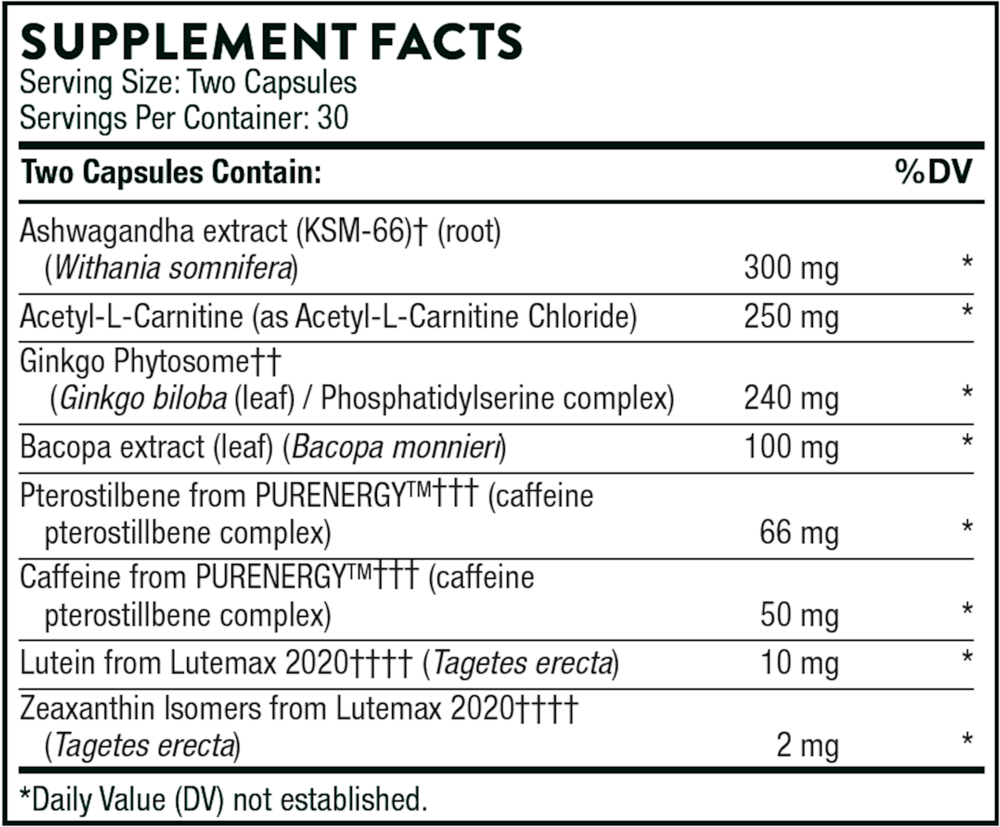

Thorne
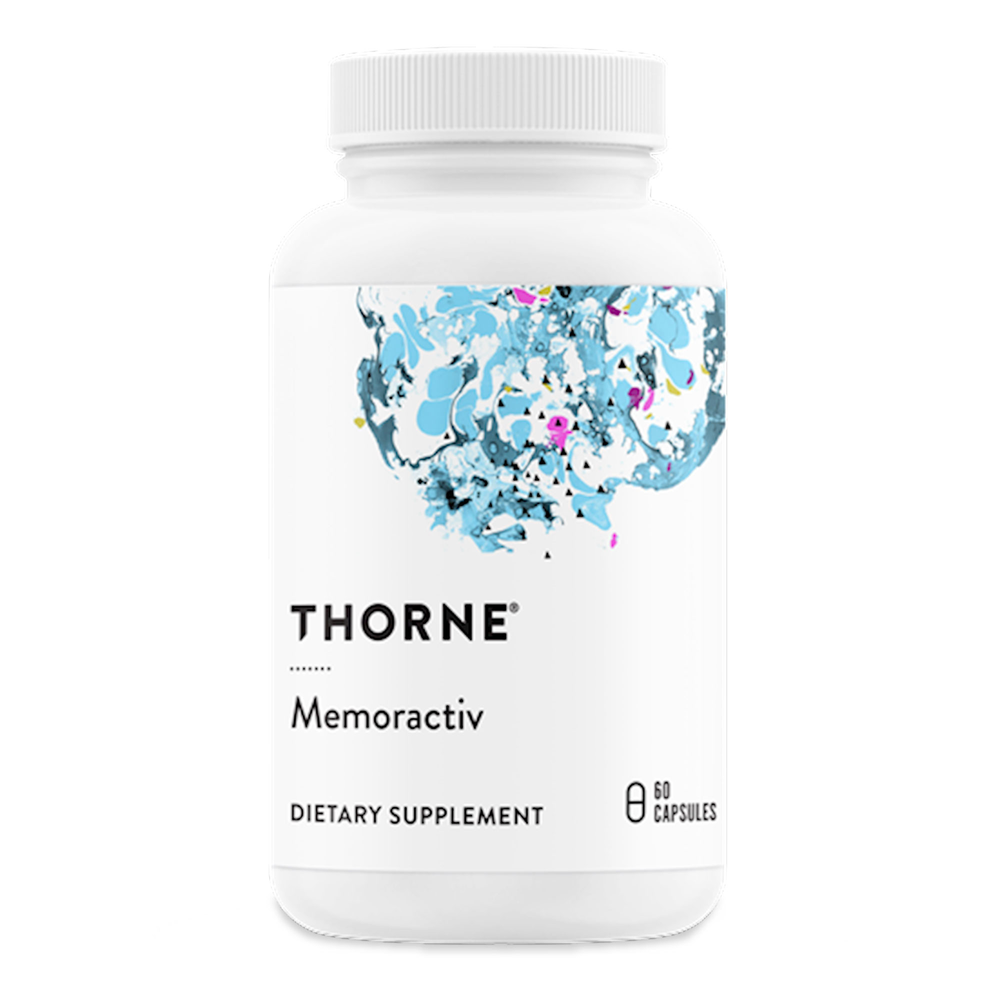
Memoractiv by Thorne
60 capsules · 30-day supply
Cognitive Support Blend for Enhanced Focus and Memory$70.00
Purchase options
Practitioner-grade brand3rd-party testedFree shipping $50+
Gluten Free·Dairy Free·Milk Free
Thorne Memoractiv overview
If you want a nootropic for focus and memory without heavy stimulants, this blend fits knowledge workers, grad students, and screen-heavy professionals. It combines ashwagandha for stress, bacopa for recall, and a slow-release caffeine complex for alertness. It’s a better pick if your Cortisol, AM runs high from stress and you still need clear focus. If caffeine makes you jittery or you already drink coffee, plan your total intake.
Acetyl‑L‑carnitine fuels neuronal mitochondria, which can lift mental energy within an hour. Bacopa monnieri helps memory consolidation by reinforcing synapses and supporting acetylcholine signaling (the brain’s attention messenger) over 4–8 weeks. KSM‑66 ashwagandha modestly lowers perceived stress and can reduce cortisol (the stress hormone) in responders. Ginkgo phytosome improves microcirculation and counters platelet‑activating signals, which is why it interacts with blood thinners. The caffeine–pterostilbene complex releases more gradually than coffee, giving steadier 4–6 hour alertness. Lutein and zeaxanthin concentrate in the macula and brain, supporting visual processing during long screen sessions.
Start with 2 capsules in the morning with food to limit bacopa‑related stomach upset. If you need more, add a second 2‑capsule dose early afternoon, not near bedtime. Expect immediate alertness from the caffeine complex and ginkgo within 60 minutes; bacopa and ashwagandha build over 4–8 weeks. Keep total daily caffeine in mind if you also drink coffee. Reassess after a month; you can pause 1–2 days weekly to gauge true effect.
Skip if you use warfarin or antiplatelet drugs like aspirin or clopidogrel, because ginkgo increases bleeding risk. Avoid in pregnancy or breastfeeding. Use caution with anxiety, insomnia, uncontrolled hypertension, seizure disorders, or if you’re highly caffeine‑sensitive. Ashwagandha can affect thyroid hormones; check TSH if you’re on thyroid medication. Rare liver reactions have been reported with ashwagandha, so stop and check ALT/AST if you develop dark urine, jaundice, or right‑upper abdominal pain.
Frequently asked questions
How long until this nootropic works?
The alertness effect starts within about 60 minutes from the caffeine complex and ginkgo. Memory and stress benefits from bacopa and ashwagandha build more slowly, typically over 4–8 weeks of daily use.
Can I take it with coffee?
Yes, but total caffeine matters. Each serving includes a slow‑release caffeine–pterostilbene complex; adding coffee can tip you into jitters or insomnia. Start without extra caffeine, then add coffee only if you still feel underpowered.
Does ginkgo thin your blood?
Ginkgo can reduce platelet stickiness, which raises bleeding risk if you’re on warfarin, aspirin, or clopidogrel. Avoid the combo or get clinician guidance, especially before surgery or dental procedures.
Will this nootropic make me anxious or wired?
It’s gentler than coffee because the caffeine is slow‑release, and ashwagandha may blunt stress. Even so, sensitive users can feel edgy. If you’re prone to anxiety, start with a morning dose only and avoid other stimulants.
Is it safe with antidepressants or ADHD meds?
Most people tolerate it, but combining stimulants with the caffeine complex can feel too activating. With SSRIs or SNRIs, interactions are uncommon, yet monitor sleep and anxiety. Check with your prescriber if you take stimulants or multiple psych meds.
What side effects should I watch for?
Common ones are stomach upset (bacopa), headache, or insomnia if taken late. Rarely, ashwagandha has caused liver injury; stop if you notice dark urine, jaundice, or severe fatigue and get liver tests (ALT, AST).
Can I take it every day long term?
Many do. Because effects like bacopa’s accrue over weeks, steady use makes sense. Recheck your sleep, blood pressure, and thyroid status if relevant, and consider periodic breaks to confirm ongoing benefit.
How to take it & ingredients
Suggested use: Take 2 capsules one to two times daily away from bedtime or as recommended by your health care professional.
Active ingredients
2 capsules per serving · 30 servings
Acetyl-L Carnitine
Acetyl-L Carnitine Chloride
Acetyl-L Carnitine Chloride
250 mg
Ashwagandha (KSM-66)
Withania somnifera extract
Withania somnifera extract
300 mg
Bacopa Extract
Bacopa monnieri
Bacopa monnieri
100 mg
Pterostillbene from PUREENERGY
Caffeine Pterostillbene Complex
Caffeine Pterostillbene Complex
50 mg
Ginkgo Phytosome
Virtiva
Virtiva
240 mg
Lutein
Lutemax 2020 (Tagetes Erecta)
Lutemax 2020 (Tagetes Erecta)
10 mg
Zeaxanthin Isomers from Lutemax 2020
Tagetes Erecta
Tagetes Erecta
2 mg
Other ingredients: Calcium Laurate, Hypromellose Capsule
Certifications
Benefits
Warnings