 Instalab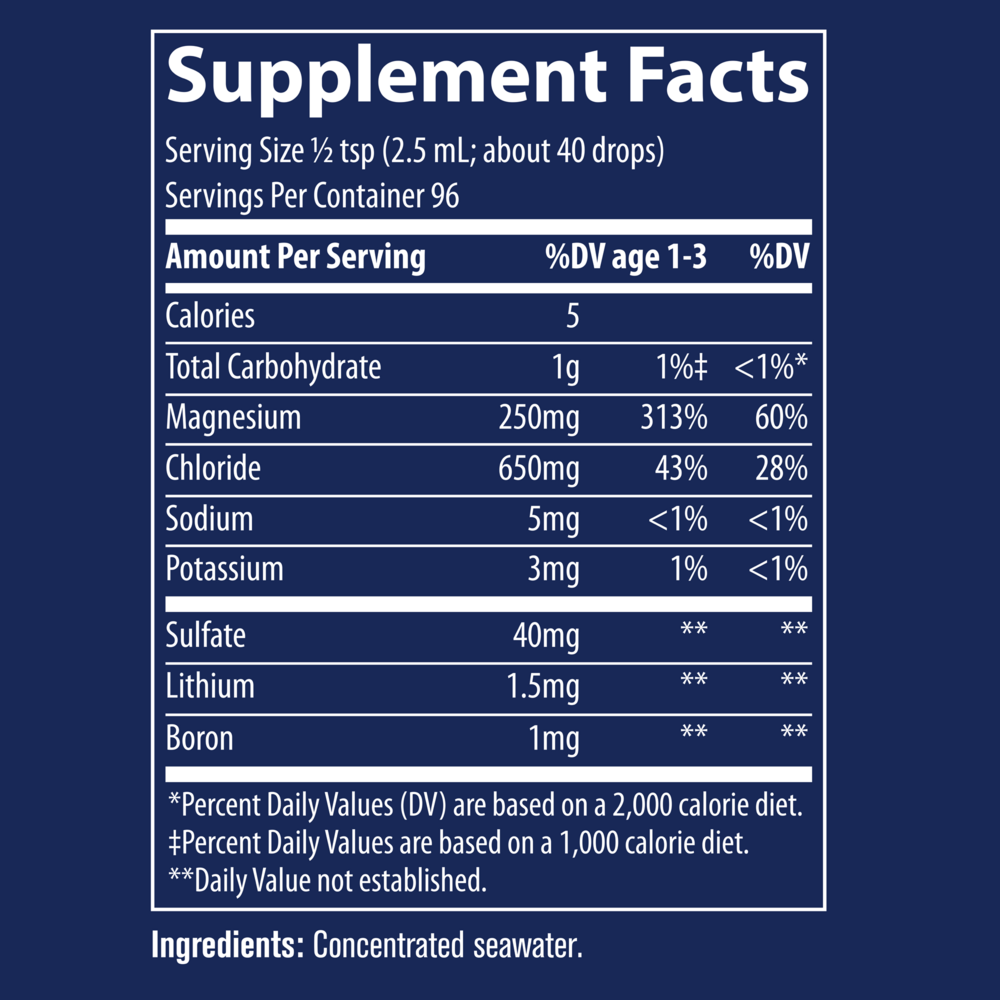

Trace Minerals Research
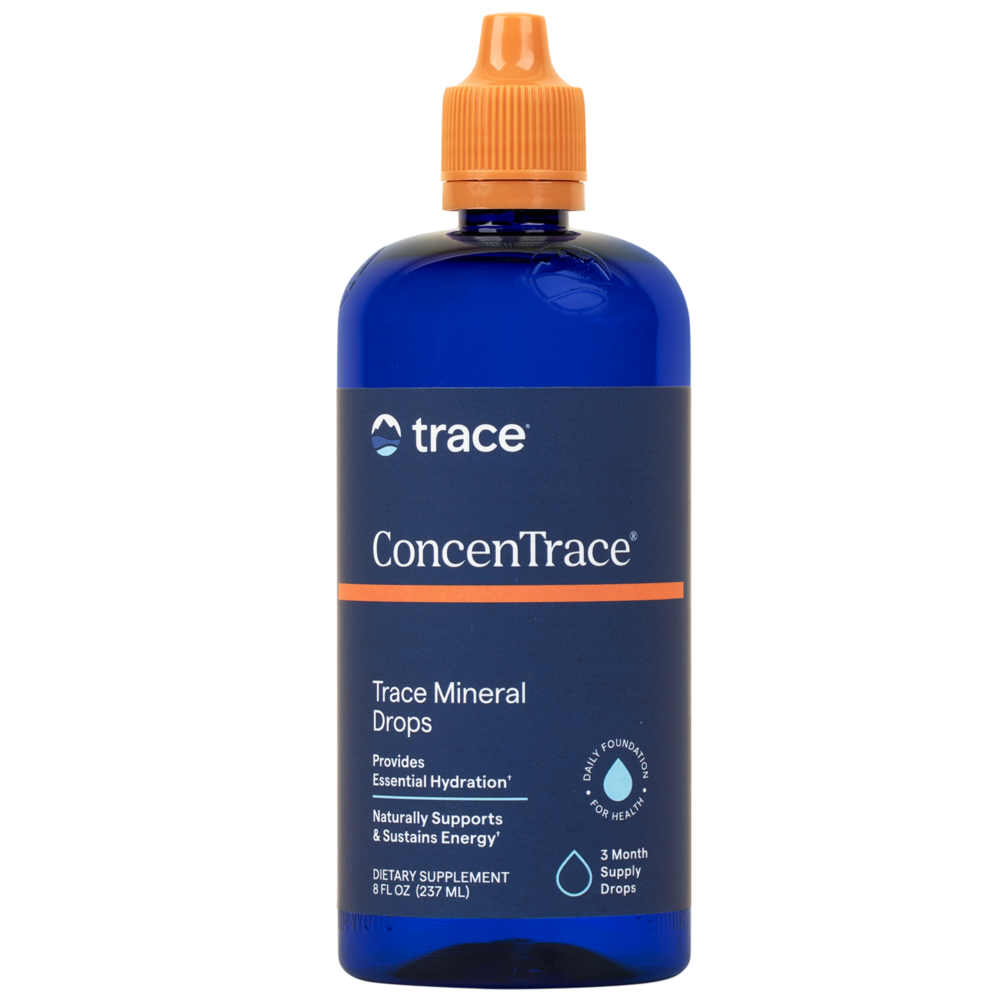
ConcenTrace Trace Mineral Drops by Trace Minerals Research
237 milliliters · 94-day supply
Essential Trace Minerals for Optimal Hydration and Electrolyte Balance$39.99
Purchase options
Practitioner-grade brand3rd-party testedFree shipping $50+
Vegan·Vegetarian·Halal Certified·Kosher·Gluten Free·Dairy Free·
Trace Minerals Research ConcenTrace Trace Mineral Drops overview
ConcenTrace® Trace Mineral Drops is the #1 selling trace mineral supplement in the natural channel according to SPINS. It is also one of the most powerful natural health mineral supplements in the world and has many uses and applications.
Consuming diets with adequate magnesium may reduce the risk of high blood pressure (hypertension). However, the FDA has concluded that the evidence is inconsistent and inconclusive.
Improve the flavor of distilled, reverse osmosis or purified water. Adding 20-40 drops per gallon or to taste (2-4 drops per glass) compares to expensive mineral waters and adds a complete, balanced spectrum of low sodium minerals and trace minerals. At 20 drops per gallon, 8 ounces will re-mineralize 192 gallons.
Frequently asked questions
What are trace mineral drops good for?
They replace electrolytes and provide a solid daily magnesium dose without sugar. People use them for hydration on low-carb diets, heat or endurance training, and for muscle cramps or twitches linked to low magnesium.
How long do trace mineral drops take to work?
Hydration and cramp benefits can show within days to 1–3 weeks. Lab changes in RBC Magnesium usually take 4–8 weeks. If you don’t feel a difference by a month, reassess dose, diet, sweat losses, and labs.
Do trace mineral drops break a fast?
They have no calories, so they don’t break a fast from an energy standpoint. The taste is salty-bitter; adding citrus or using during your eating window is often easier for adherence.
Can I take trace mineral drops with thyroid medication?
Yes, but separate by at least 4 hours. Magnesium can bind levothyroxine in the gut and lower absorption. The same spacing applies to tetracycline or fluoroquinolone antibiotics.
Is the sodium content high for blood pressure?
No. A full serving has about 5 mg sodium, which is negligible for blood pressure. If you need more sodium for training, add it separately; this product emphasizes magnesium and chloride.
Are trace mineral drops safe with prescription lithium?
Not without clinician guidance. This contains 1.5 mg lithium per serving, which can interfere with serum lithium monitoring. Use an alternative magnesium source if you’re on lithium therapy.
What side effects should I watch for?
The most common is loose stools, especially if you jump to a full dose. Start low and split doses with meals. Rarely, people notice stomach upset; more dilution or flavoring usually fixes it.
Which lab tests are useful to track?
RBC Magnesium reflects body stores better than Serum Magnesium for many people. A Basic Metabolic Panel covers sodium, potassium, and chloride. Re-test after 4–8 weeks of a stable dose.
How to take it & ingredients
Suggested use: Take up to ½ tsp (2.5 mL, 40 drops) daily. Mix the drops into your beverage of choice at mealtimes. If it is your first time taking ConcenTrace®, start by taking 5 drops per day. Each week add an additional 5 drops until you reach 40 drops per day.
Active ingredients
1/2 teaspoon = 2.5 mL (about 40 drops) per serving · 95 servings
Magnesium
250 mg
Chloride
650 mg
Sodium
5 mg
Potassium
3 mg
Sulfate
40 mg
Lithium
1.5 mg
Boron
1 mg
Other ingredients: Concentrated seawater
Certifications
Benefits