 Instalab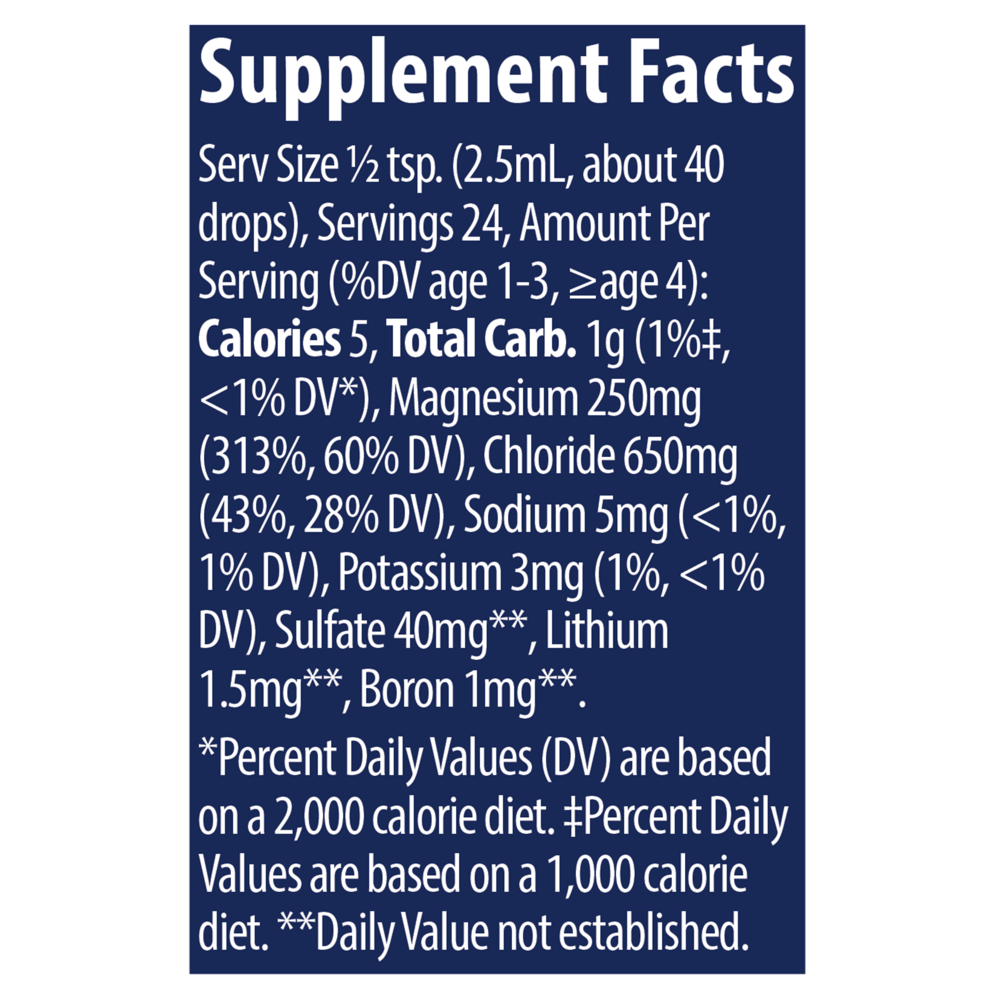



Trace Minerals Research
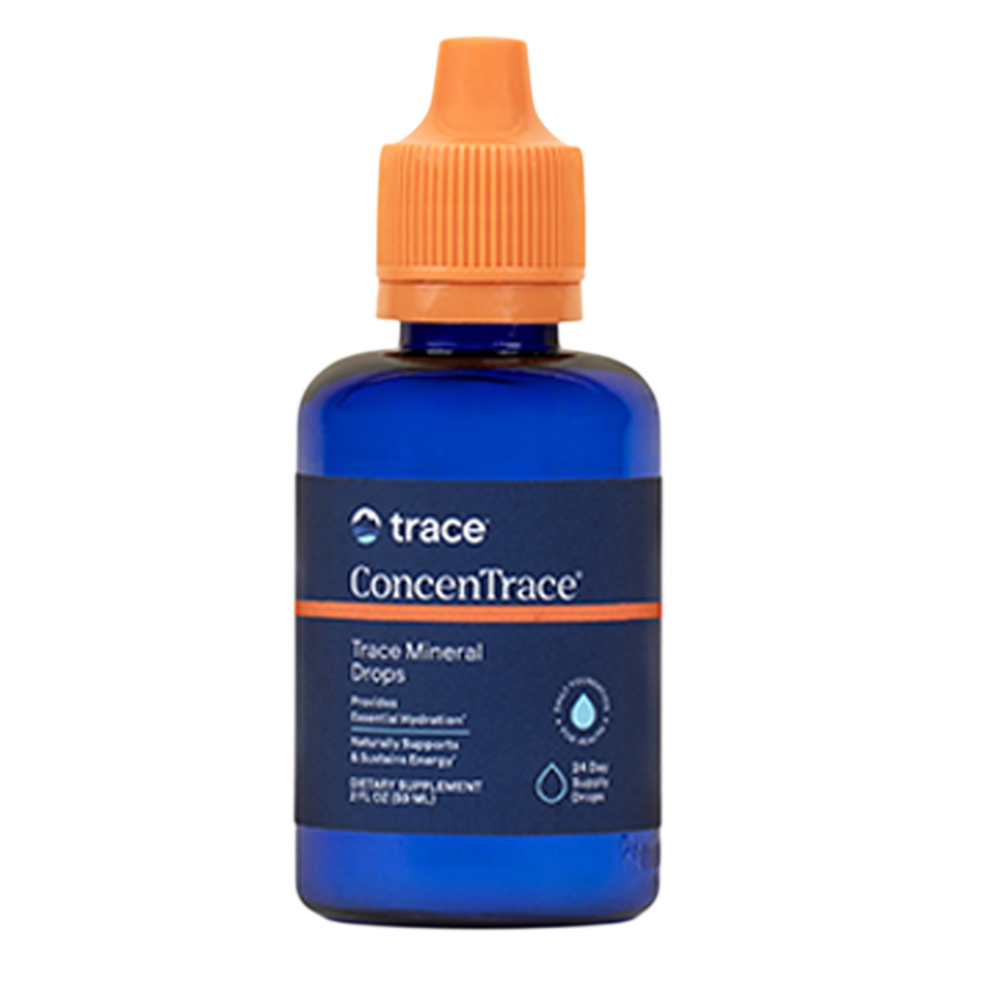
ConcenTrace Trace Mineral Drops by Trace Minerals Research
59 milliliters · 23-day supply
Essential Trace Minerals for Optimal Hydration and Electrolyte Balance$17.99
Purchase options
Practitioner-grade brand3rd-party testedFree shipping $50+
Vegan·Vegetarian·Halal Certified·Kosher·Gluten Free·Dairy Free·
Trace Minerals Research ConcenTrace Trace Mineral Drops overview
If you cramp on low-carb or sweat heavily at work or in training, trace mineral drops are a practical way to raise magnesium and other electrolytes without pills. They fit adults whose Serum Magnesium or RBC Magnesium (a red-blood-cell measure that tracks body stores better) runs low or low-normal. The 250 mg magnesium per 1/2 tsp is a meaningful daily chunk, useful for keto leg cramps, poor sleep tied to low magnesium, or frequent muscle twitching. Heavy salt sweaters still need separate sodium, since this formula is very low in sodium.
Magnesium chloride dissolves completely in water, so it’s well absorbed and easy on the stomach when taken with food. Magnesium helps your nerves fire and muscles relax, and it influences glucose handling and blood pressure by acting as a cofactor for many enzymes (the proteins that run your metabolism). Chloride (an acid-forming anion that pairs with sodium and potassium) also supports stomach acid, which can aid mineral absorption. Small amounts of boron help vitamin D and magnesium metabolism, while lithium and sulfate are present at nutritional trace levels.
Start low to avoid a laxative effect: 5 drops daily with a meal, then add 5 drops each week until you reach about 40 drops (1/2 tsp). Mix into 8–12 oz water, tea, or a smoothie; lemon or electrolyte drink powder masks the briny taste. Split doses across meals if you’re sensitive. Most people notice steadier hydration or fewer cramps within 1 to 2 weeks; bowel changes show up within days if you overshoot your tolerance.
Skip these if you take prescription lithium (the lithium content can confound dosing). Use clinician guidance if you have chronic kidney disease or are on dialysis. Separate from levothyroxine, tetracyclines or quinolones (antibiotics), and oral bisphosphonates by at least 2 hours so minerals don’t block absorption. On diuretics or heart medications that affect potassium or magnesium? Monitor your Basic Metabolic Panel electrolytes periodically.
If you’re targeting rehydration after heavy sweating, the very low sodium here isn’t enough; add salt or use a sodium-containing electrolyte mix. If you have active diarrhea, IBS with diarrhea, or a history of high magnesium levels, hold off. Pregnancy and breastfeeding are typically fine at modest doses, but if your Vitamin D, 25-Hydroxy is low or you’re on multiple supplements, review total magnesium intake with your clinician.
Frequently asked questions
Are trace mineral drops good for keto leg cramps?
Yes. Magnesium is often the missing piece on low-carb. The 250 mg per 1/2 tsp helps many people reduce nighttime cramping within 1–2 weeks. If you sweat a lot, add sodium separately because these drops are very low in sodium.
Do trace mineral drops cause diarrhea?
They can at higher doses. Magnesium pulls water into the intestines. Titrate slowly from 5 drops per day, take with meals, and split doses. If stools loosen, back down 5–10 drops and advance more gradually.
When is the best time to take magnesium drops?
With meals is best for absorption and to reduce GI upset. If you use the full 1/2 tsp daily, many people split it between lunch and dinner. Evening dosing can be calming for some, but consistency matters more than timing.
Can I add trace mineral drops to coffee or hot tea?
Yes. Heat doesn’t degrade minerals. The taste is briny, so citrus, flavored electrolytes, or a smoothie can be more pleasant. Avoid mixing them in fiber supplements at the same time, which can bind minerals.
Do I need blood tests before using these drops?
Not required, but helpful. Serum Magnesium and RBC Magnesium give context, and a Basic Metabolic Panel shows sodium, potassium, chloride, and kidney function. Testing is important if you have kidney disease or take diuretics.
Are trace mineral drops safe in pregnancy?
Generally yes at modest doses, but total magnesium from prenatal vitamins and diet adds up. Review your Vitamin D, 25-Hydroxy and discuss dosing with your clinician, especially if you’ve had kidney stones or GI issues.
Is the sodium content enough for athletes?
No. These drops are magnesium-forward with very low sodium. Endurance athletes and heavy sweaters usually need 300–1,000 mg sodium per hour from separate sources during long efforts. Use this for magnesium, add salt for sodium.
How long until I feel a difference?
For cramps or sleep quality related to low magnesium, changes often appear within 1–2 weeks. Hydration feel can improve within days. If nothing changes in a month, recheck intake, consider sodium needs, and review labs.
How to take it & ingredients
Suggested use: Take up to ½ tsp (2.5 mL, 40 drops) daily. Mix the drops into your beverage of choice at mealtimes. If it is your first time taking ConcenTrace®, start by taking 5 drops per day. Each week add an additional 5 drops until you reach 40 drops per day.
Active ingredients
1/2 teaspoon = 2.5 mL (about 40 drops) per serving · 24 servings
Magnesium
250 mg
Chloride
650 mg
Sodium
5 mg
Potassium
3 mg
Sulfate
40 mg
Lithium
1.5 mg
Boron
1 mg
Other ingredients: Concentrated seawater
Certifications
Benefits
Warnings