 Instalab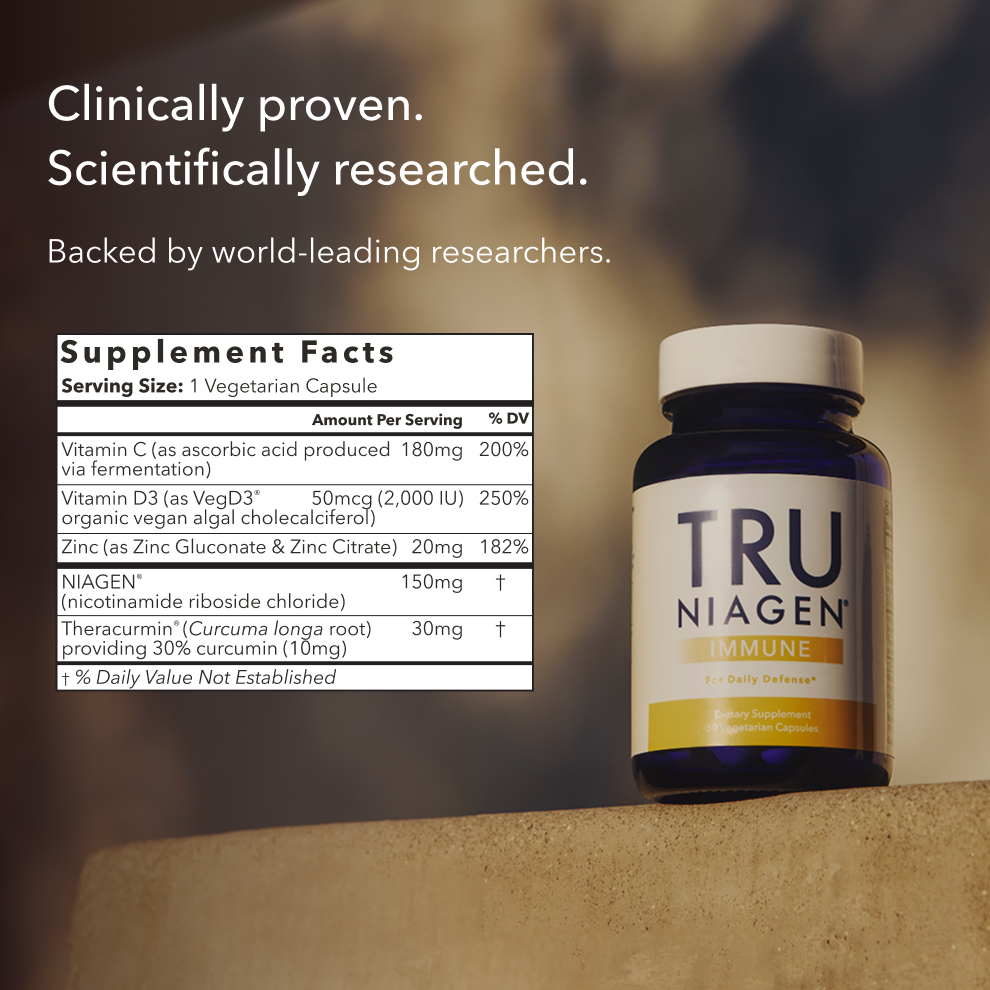
Tru Niagen
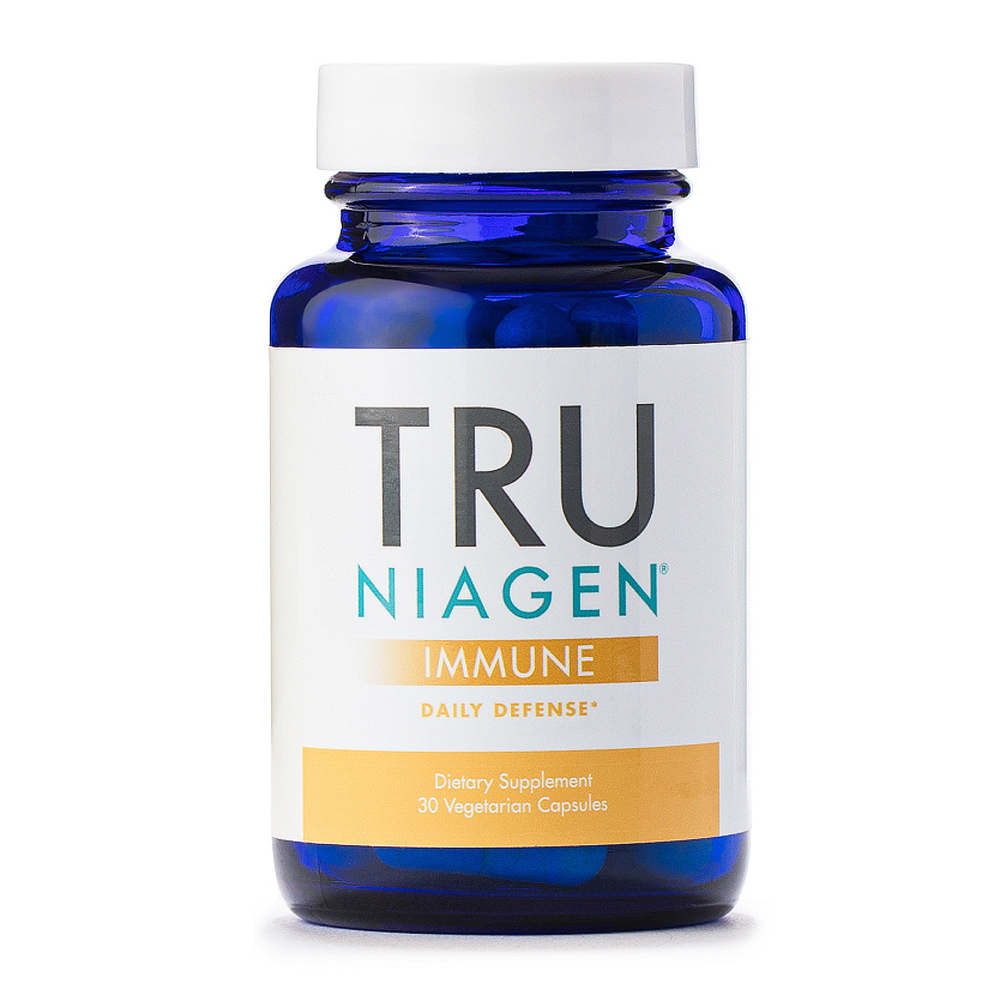
Tru Niagen Immune by Tru Niagen
30 capsules · 30-day supply
Comprehensive Immune Support with NAD+ and Essential Nutrients$XX.XX$37.99retail
This item is currently out of stockGet notified when this item is back in stock
21% below MSRP3rd-party tested for purity & potencyFree shipping $50+
Vegetarian
Tru Niagen Tru Niagen Immune overview
If your winter labs show Vitamin D, 25-Hydroxy in the lower-normal range and you’re eyeing nicotinamide riboside for immune resilience, this blend is a practical fit. It pairs a maintenance dose of vegan vitamin D3 with zinc at a clinically useful level and vitamin C for day‑to‑day coverage. Vegans and indoor workers get D3 without fish, and people curious about cellular aging get nicotinamide riboside. If your zinc or D status is clearly low, you’ll likely need targeted repletion, then step down to this.
Nicotinamide riboside raises NAD+ (the cell’s energy coenzyme) within 2 to 4 weeks, often by 40–60% at this dose, which helps immune cells meet energy demands and maintain repair. Vitamin D3 modulates innate and adaptive immunity (how your body recognizes and clears microbes). Zinc is required for white blood cell formation and antiviral enzymes, and vitamin C acts as an antioxidant that recycles vitamin E. Theracurmin is a better-absorbed curcumin that can nudge hs-CRP (a systemic inflammation marker) down in some responders.
Take one capsule with food once or twice daily. Splitting the dose can reduce zinc-related nausea and keeps nicotinamide riboside steady through the day. Food improves curcumin uptake. Most people don’t feel a stimulant effect; if you notice alertness, take earlier. Recheck Vitamin D, 25-Hydroxy after 8–12 weeks. If you track inflammation or methylation, hs-CRP and Homocysteine are reasonable follow-ups.
Space zinc at least 2 hours from quinolone or tetracycline antibiotics and from levothyroxine; it reduces absorption. Curcumin can increase bleeding risk with warfarin, apixaban, rivaroxaban, clopidogrel, or daily aspirin—ask your clinician. Long-term zinc at 20 mg can depress copper; monitor Copper, Serum or use a multivitamin with copper. Avoid high-dose vitamin D if you have a history of high calcium, recurrent calcium kidney stones, or sarcoidosis. Pregnancy and breastfeeding: curcumin is not routinely used; get clinician guidance. Oncology patients should clear nicotinamide riboside and curcumin with their team.
Frequently asked questions
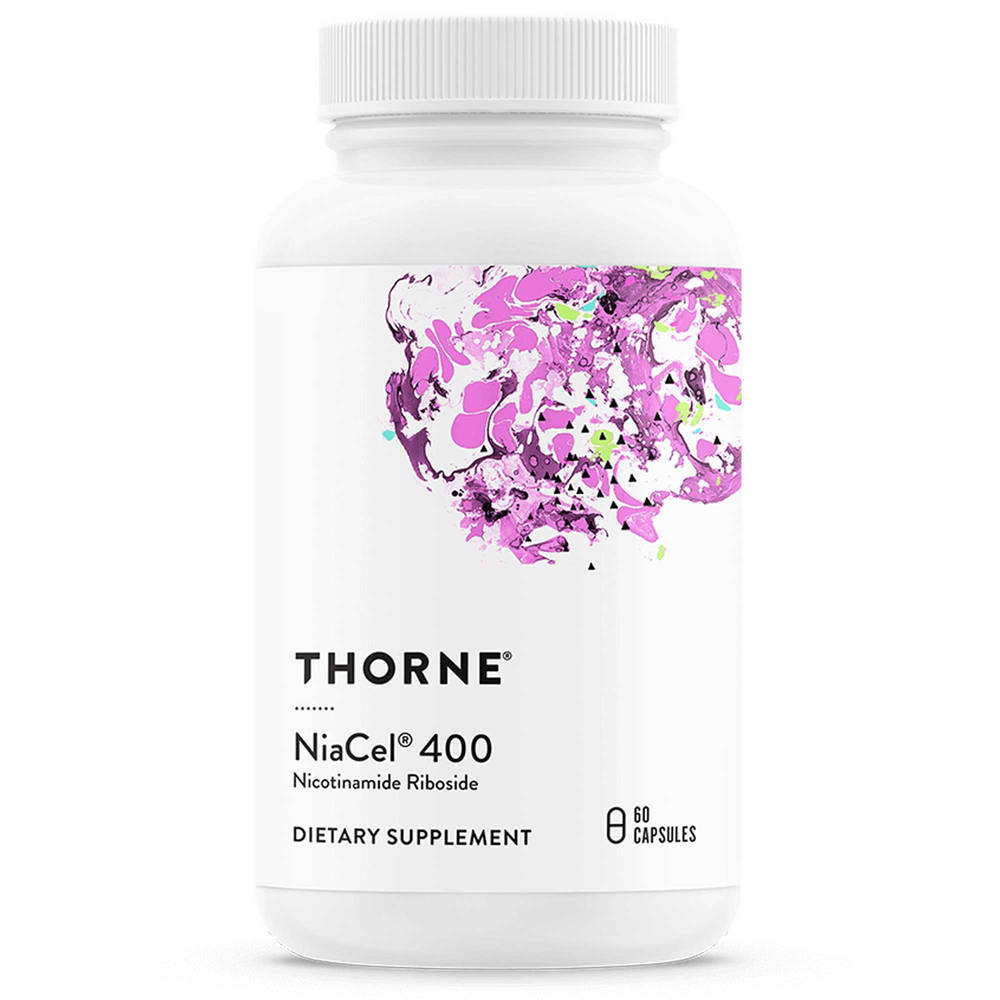
What does nicotinamide riboside actually do?
It raises NAD+ (the cell’s energy coenzyme), typically within 2–4 weeks, which helps cells produce energy and repair. That includes immune cells during infections or vaccination. It doesn’t act like caffeine and doesn’t cause niacin “flush.”
How long until I notice any effects?
Cellular changes start in 2–4 weeks as NAD+ rises. Immune-related outcomes are harder to “feel,” but many notice steadier energy by 4–8 weeks. Recheck Vitamin D, 25-Hydroxy at 8–12 weeks to confirm the D3 dose is right for you.
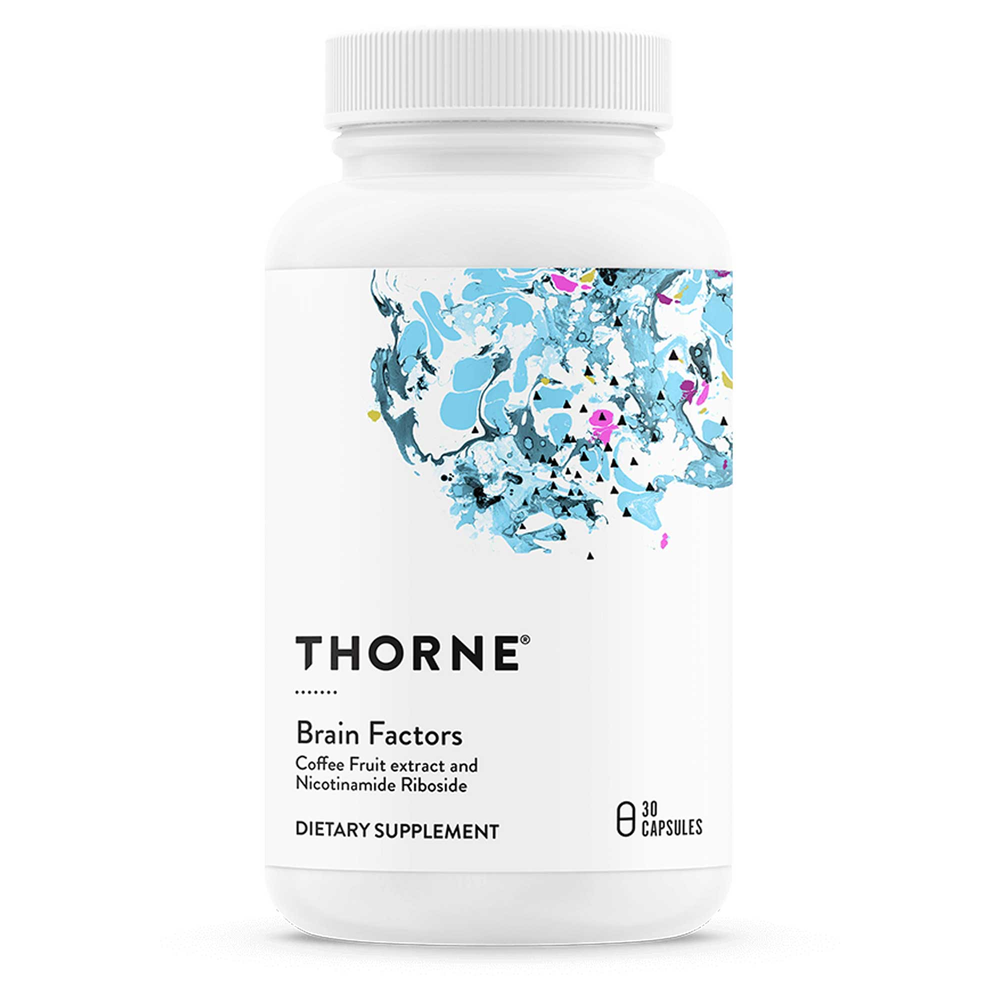
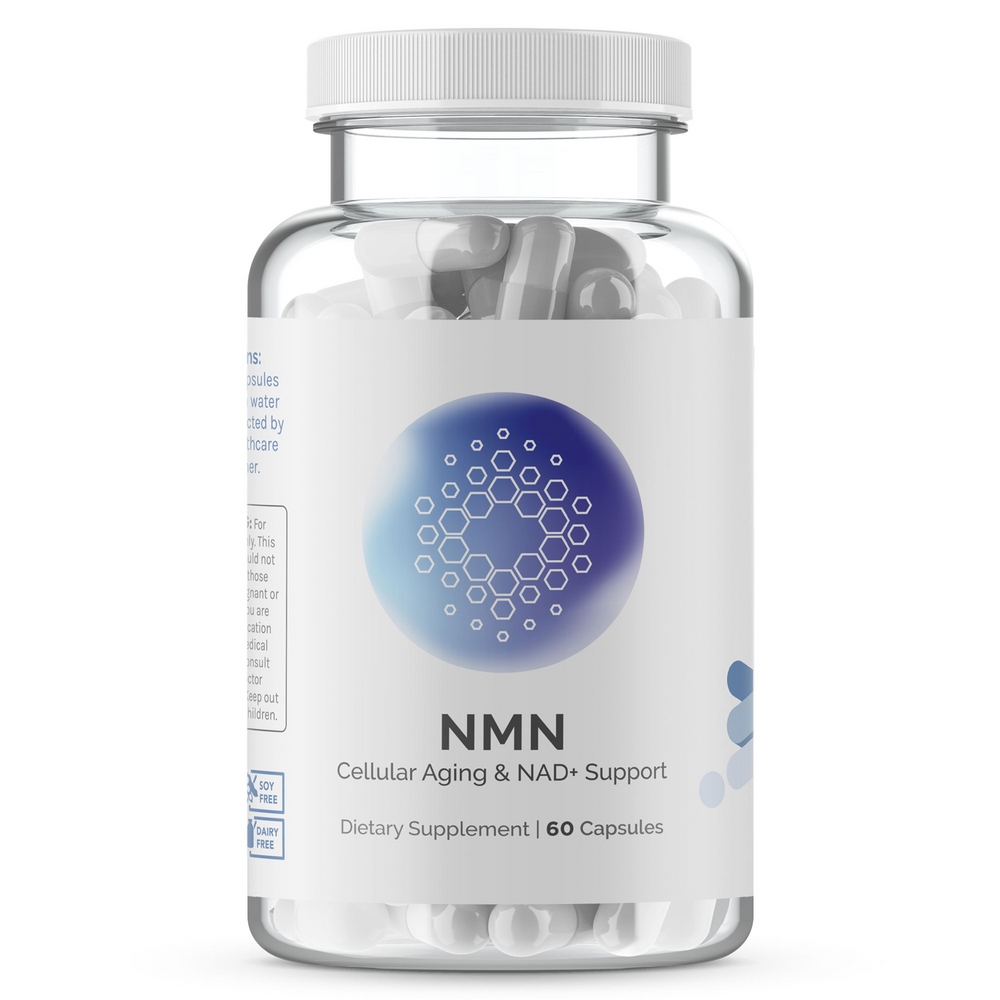
Is nicotinamide riboside the same as NMN?
They’re different precursors that raise NAD+. Nicotinamide riboside is orally stable, with human data showing reliable NAD+ increases. NMN is closely related but has a more mixed regulatory status and fewer consistent human trials.
Can I take this with coffee or on an empty stomach?
Take it with food. Zinc on an empty stomach commonly causes nausea, and food helps curcumin absorption. Coffee is fine, but keep antibiotics or thyroid medication at least 2 hours away from the zinc-containing dose.
Does curcumin thin your blood?
Curcumin can amplify the effect of blood thinners and antiplatelet drugs. If you take warfarin, apixaban, rivaroxaban, clopidogrel, or daily aspirin, speak with your clinician before using curcumin-containing products.
Is 2,000 IU of vitamin D3 enough for me?
It’s a common maintenance dose. If your Vitamin D, 25-Hydroxy is low, repletion usually needs higher short-term dosing under clinician guidance, then you can step down to a maintenance level like this.
Is 20 mg of zinc safe to take every day?
Short to moderate term, yes for most adults. Over many months, zinc at this level can lower copper. If you’ll use it long term, add a multivitamin with copper or monitor Copper, Serum with your clinician.
Can nicotinamide riboside raise homocysteine?
It can in some people. If your Homocysteine tends to run high, consider monitoring it after 8–12 weeks and ensure adequate folate, B6, and B12 intake from diet or a balanced B-complex.
How to take it & ingredients
Suggested use: Adults take one capsule with food once or twice daily or as directed by a health professional.
Active ingredients
1 capsule per serving · 30 servings
Vitamin C
Ascorbic acid from fermentation
Ascorbic acid from fermentation
180 mg
Vitamin D3
VegD3 vegan algal cholecalciferol
VegD3 vegan algal cholecalciferol
50 mcg
Zinc
Zinc citrate and zinc gluconate
Zinc citrate and zinc gluconate
20 mg
NIAGEN
Nicotinamide riboside chloride
Nicotinamide riboside chloride
150 mg
Theracurmin
Curcuma longa extract providing 30 percent curcumin
Curcuma longa extract providing 30 percent curcumin
30 mg
Other ingredients: Microcrystalline cellulose, Hypromellose, Tapioca starch, Maltose, Vegetable magnesium stearate, Arabic gum, Titanium dioxide
Certifications
Benefits
Warnings