 Instalab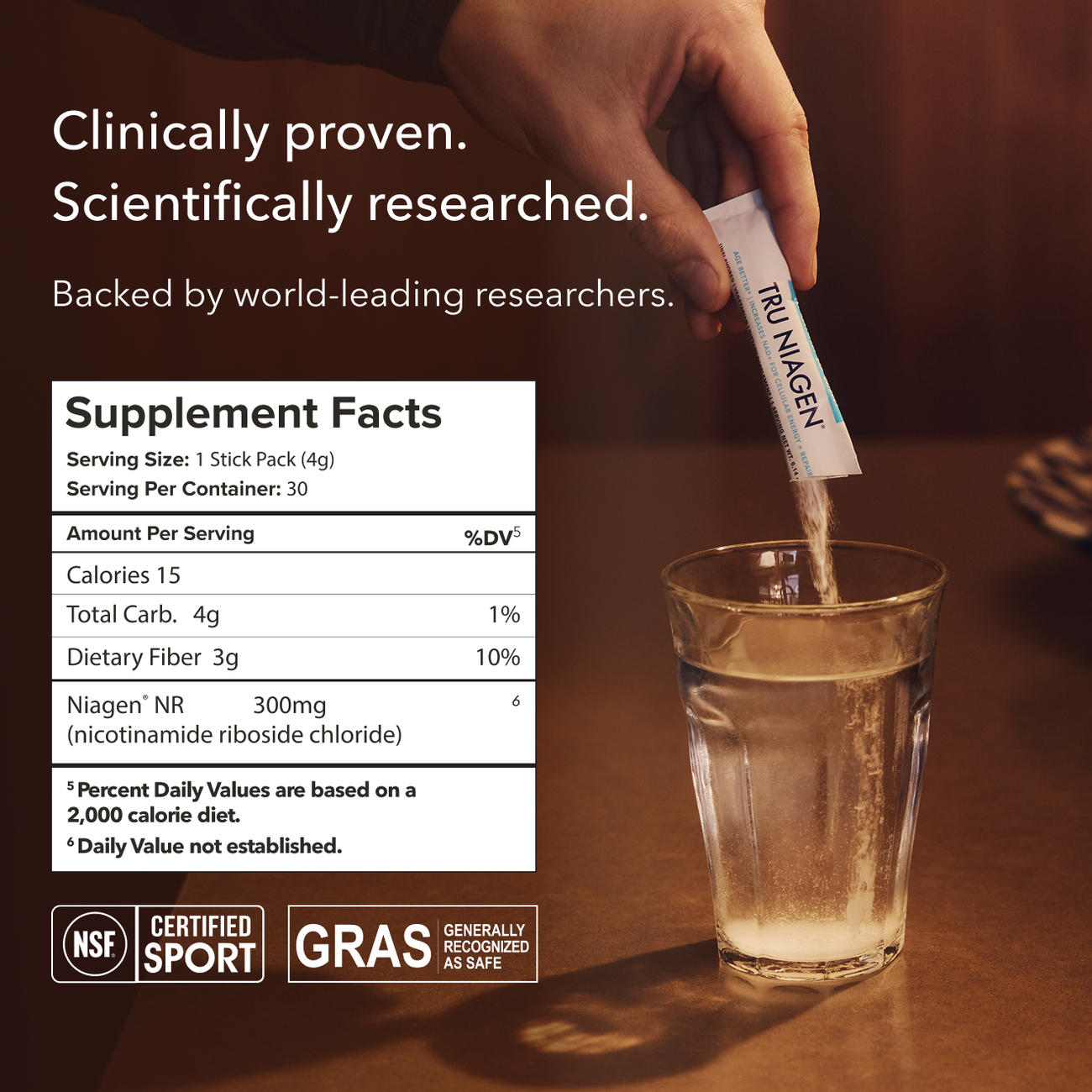
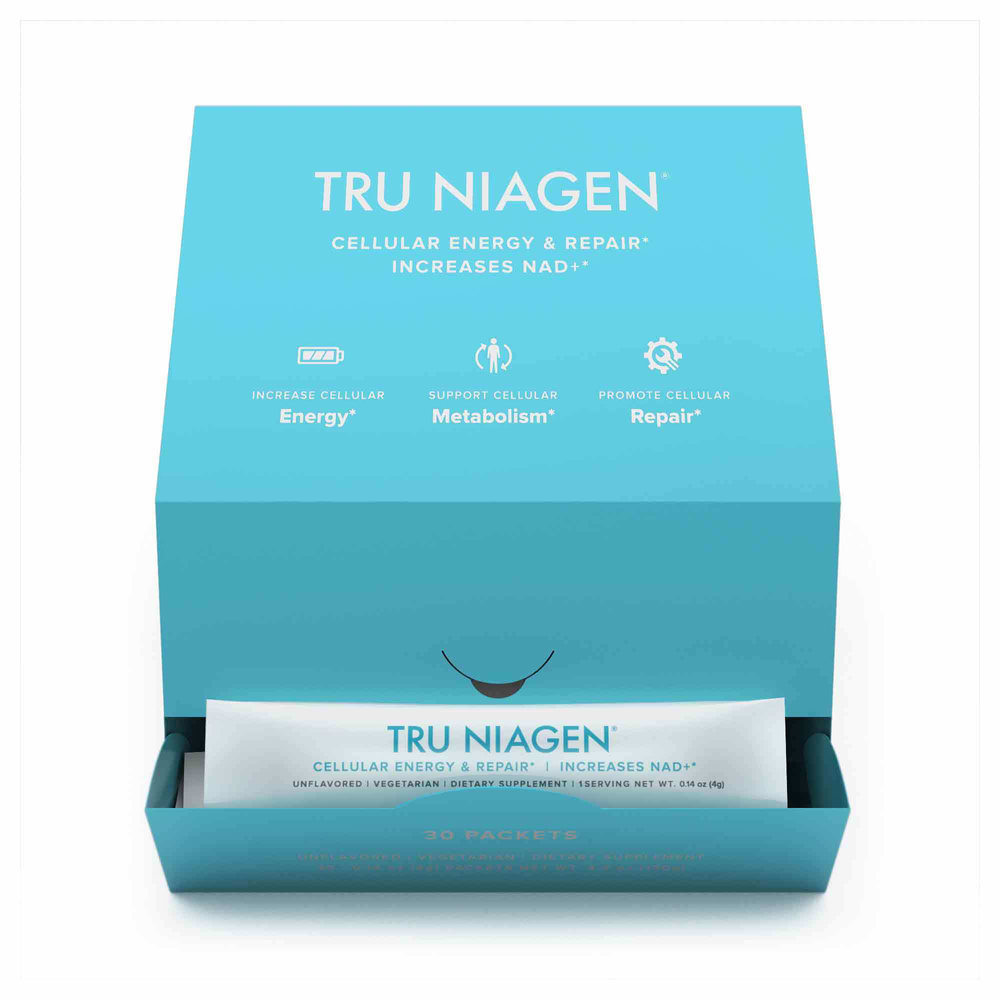
Tru Niagen
Tru Niagen Stick Packs 300 mg by Tru Niagen
30 packets · 30-day supply
Support Cellular Energy and Healthy Aging with Nicotinamide Riboside$XX.XX$52.99retail
This item is currently out of stockGet notified when this item is back in stock
21% below MSRP3rd-party tested for purity & potencyFree shipping $50+
Gluten Free·Tree Nut Free·Fish Free·Peanut Free·Crustacean Shellfish Free·Artificial Color Free·
Tru Niagen Tru Niagen Stick Packs overview
If you’ve been searching for “nicotinamide riboside benefits,” this fits healthy adults who want a measurable NAD+ boost for energy metabolism as they hit their 30s and beyond. It’s useful if long work hours, shift schedules, hard training, or frequent travel leave you feeling drained despite normal Thyroid-Stimulating Hormone and complete blood count. It also suits people who can’t tolerate niacin (the flushing B3), and those focused on healthy aging markers over years, not days.
Nicotinamide riboside is a form of vitamin B3 your cells convert efficiently into NAD+ (the coenzyme that lets mitochondria turn food into ATP energy). Higher NAD+ also activates sirtuins (enzymes that help with DNA maintenance and metabolic balance) and fuels PARPs (DNA repair enzymes). Unlike niacin (nicotinic acid), it raises NAD+ without skin flushing. Human trials show blood NAD+ rises within 1 to 2 weeks at doses in this range.
Mix one Tru Niagen stick pack in about 16 ounces of water daily, morning or early afternoon, with or without food. Most people stay at 300 mg; some clinicians trial 300–600 mg for a few weeks, then return to the lower dose for maintenance. If late dosing affects sleep, move it earlier. If you use strong coffee or pre-workouts, separate by an hour to judge each effect cleanly.
Active cancer is a reason to pause nicotinamide riboside and discuss with your oncologist, since rapidly dividing cells also use NAD+. Pregnancy and breastfeeding lack safety data, so avoid. High doses can increase methylation demand, which can nudge homocysteine (an amino acid tied to vascular risk) upward; if yours runs high, ensure adequate folate, vitamin B12, and consider trimethylglycine, then recheck Homocysteine after 4 to 8 weeks.
Most people see NAD+ rise quickly; subjective energy changes are more variable and usually show up within 2 to 4 weeks if you’re a responder. Effects on day-to-day stamina are modest compared with sleep, training, and nutrition basics. If you’re choosing between NR and NMN, NR has FDA-notified GRAS status and broad human data; NMN’s regulatory status has been in flux in the U.S.
Frequently asked questions
What does nicotinamide riboside do, in plain English?
It’s a vitamin B3 form that raises NAD+, the molecule your mitochondria use to make ATP energy. Higher NAD+ also supports cellular repair enzymes. The result is better cellular energy handling; any felt “energy” is subtle and builds over weeks.
How long does nicotinamide riboside take to work?
Blood NAD+ typically increases within 1–2 weeks. If you’re going to feel a difference in stamina or recovery, it usually shows within 2–4 weeks. Give it 8 weeks before judging, while keeping sleep, diet, and training consistent.
Is nicotinamide riboside the same as NMN?
They’re both NAD+ precursors but not identical. Nicotinamide riboside has FDA-notified GRAS status and multiple human trials. NMN’s U.S. regulatory status has been unsettled. Efficacy head-to-head is not firmly established.
Does nicotinamide riboside cause flushing like niacin?
No. Niacin (nicotinic acid) can cause a warm, red flush; nicotinamide riboside does not. Occasional mild nausea or headache can occur, usually dose-related and improved by taking with food or reducing dose.
Can I take nicotinamide riboside with coffee or pre-workout?
Yes, but separate by about an hour when you start so you can tell what’s doing what. Caffeine is stimulating, while nicotinamide riboside works by raising NAD+, which is subtler and steady, not a quick buzz.
Do I need other B vitamins with nicotinamide riboside?
You don’t have to, but ensuring adequate folate and vitamin B12 is reasonable. High NAD+ turnover can increase methylation demand; if your Homocysteine tends to run high, consider adding folate, B12, and trimethylglycine.
Who should avoid nicotinamide riboside?
Avoid in pregnancy and breastfeeding due to limited data, and discuss with your oncologist if you have active cancer. If you have very high Homocysteine, correct that first or co-supplement methyl donors and retest.
What are common side effects of nicotinamide riboside?
Most tolerate it well. Mild nausea, headache, or upset stomach can occur, often improved by taking with food or lowering dose. If sleep is lighter, move the dose earlier in the day.
How to take it & ingredients
Suggested use: Mix one packet daily into 16 fl oz of liquid and mix thoroughly, or as directed by your healthcare professional.
Active ingredients
1 packet per serving · 30 servings
Niagen®
Nicotinamide Riboside Chloride
Nicotinamide Riboside Chloride
300 mg
Other ingredients: Inulin (chicory root extract)
Certifications
Benefits
Warnings